
Thermal Analysis Instruments
热分析仪器
CTAI · Analytical & Instrumentation · 6 product types · 30 models
By Lab Manufacturers China Technical TeamLast reviewed
What are Thermal Analysis Instruments?
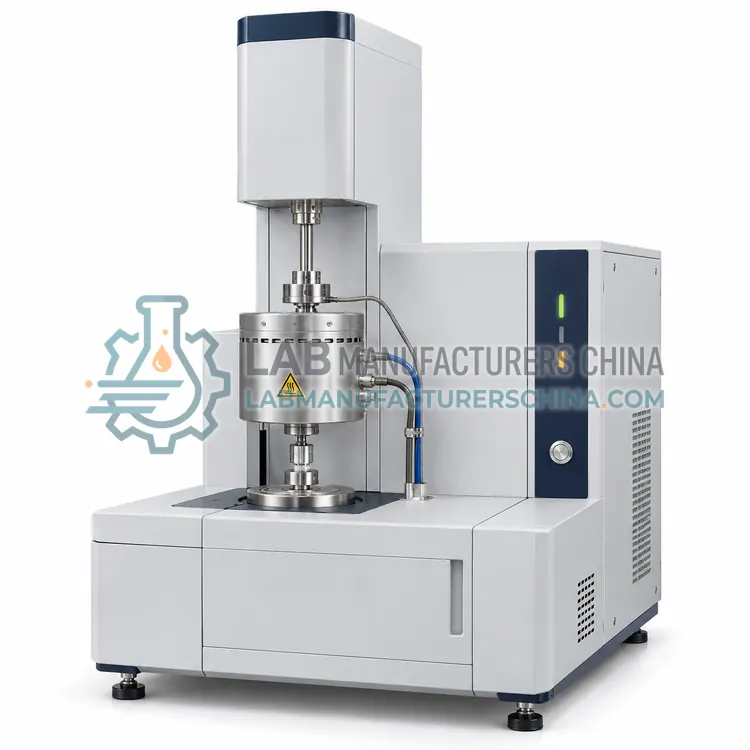
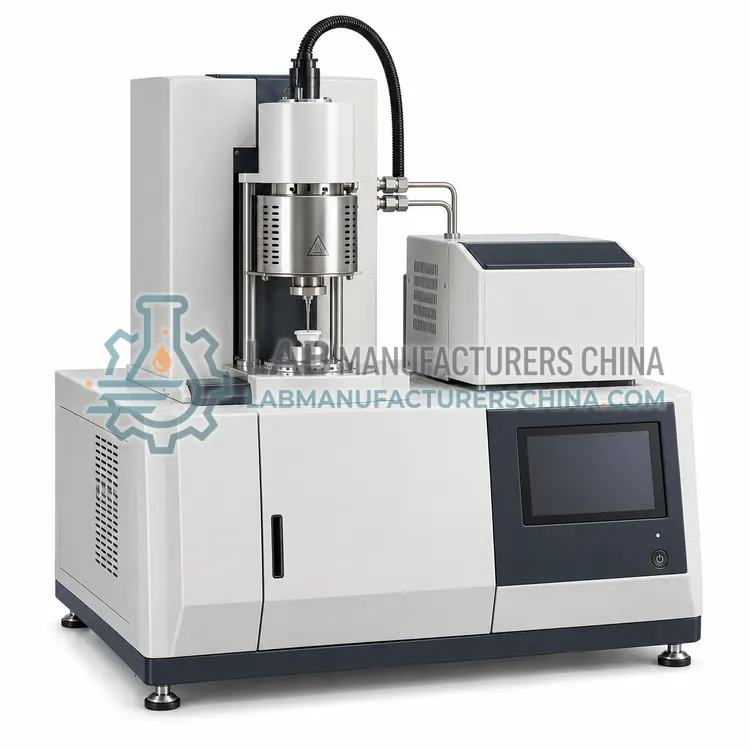
Thermal analysis instruments measure how a material's physical or chemical properties change with temperature or time under a controlled program. The category covers DSC, TGA, DTA, TMA, DMA and simultaneous thermal analyzers used for polymers, pharmaceuticals, ceramics, metals and energy materials.
6 product types in Thermal Analysis Instruments
The 6 product types below are grouped by the exact instrument you need.
- DSC5 models
DSC
差示扫描量热仪
A differential scanning calorimeter measures the heat flow into or out of a sample while its temperature is programmed, revealing melting, crystallization, glass transition, curing and decomposition events. It is used in materials, polymer, pharmaceutical, food and energy research and quality control.
- TGA5 models
TGA
热重分析仪
A thermogravimetric analyzer measures the mass of a sample as its temperature is programmed in a controlled atmosphere. Mass loss steps quantify moisture, volatiles, filler content, decomposition temperature and residue, and the technique is used for polymers, pharmaceuticals, ceramics, fuels and composites.
- DTA5 models
DTA
差热分析仪
A differential thermal analyzer heats a sample and an inert reference together and records the temperature difference between them, showing endothermic and exothermic events. It is used for minerals, clays, cements, ceramics, glasses and metals, particularly above the temperature range of a DSC.
- TMA5 models
TMA
热机械分析仪
A thermomechanical analyzer measures the change in a sample's dimensions under a controlled load as temperature is programmed. It determines thermal expansion, shrinkage, softening, sintering and glass transition temperatures, and is used for metals, ceramics, glasses, polymers, composites and electronic materials.
- DMA5 models
DMA
动态热机械分析仪
A dynamic mechanical analyzer applies an oscillating force to a sample and measures the resulting deformation, giving storage modulus, loss modulus and damping as functions of temperature, frequency or time. It characterises viscoelastic behaviour of polymers, composites, elastomers and coatings.
- STA5 models
Simultaneous Thermal Analyzers
同步热分析仪
A simultaneous thermal analyzer records mass change and heat flow or temperature difference from one sample in a single furnace run. It links decomposition steps with thermal events directly and is used for polymers, pharmaceuticals, ceramics, minerals and energy materials.
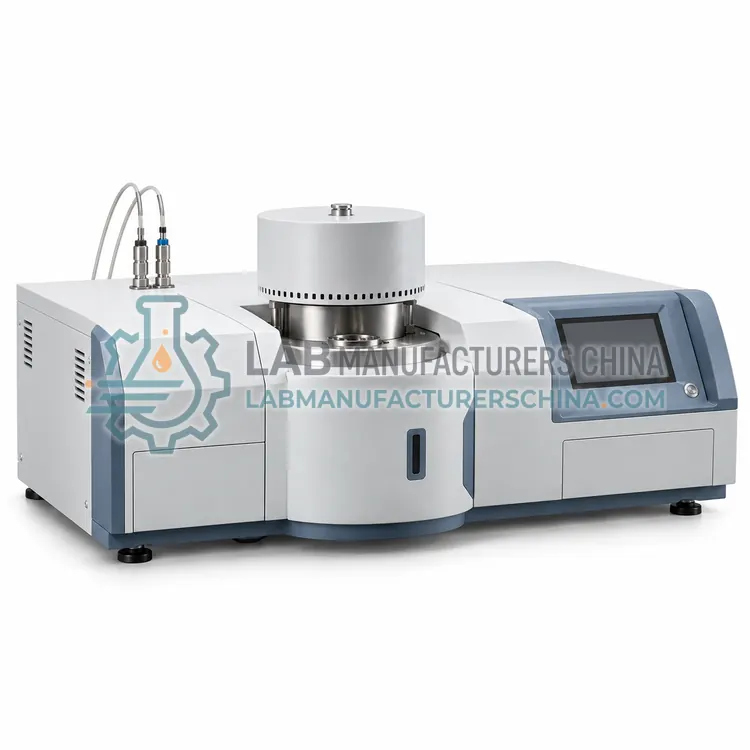
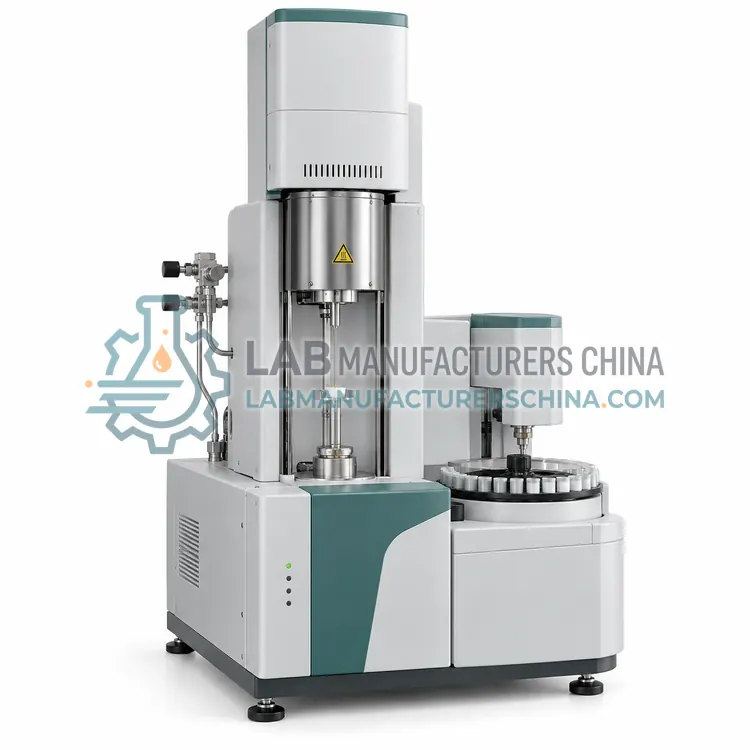
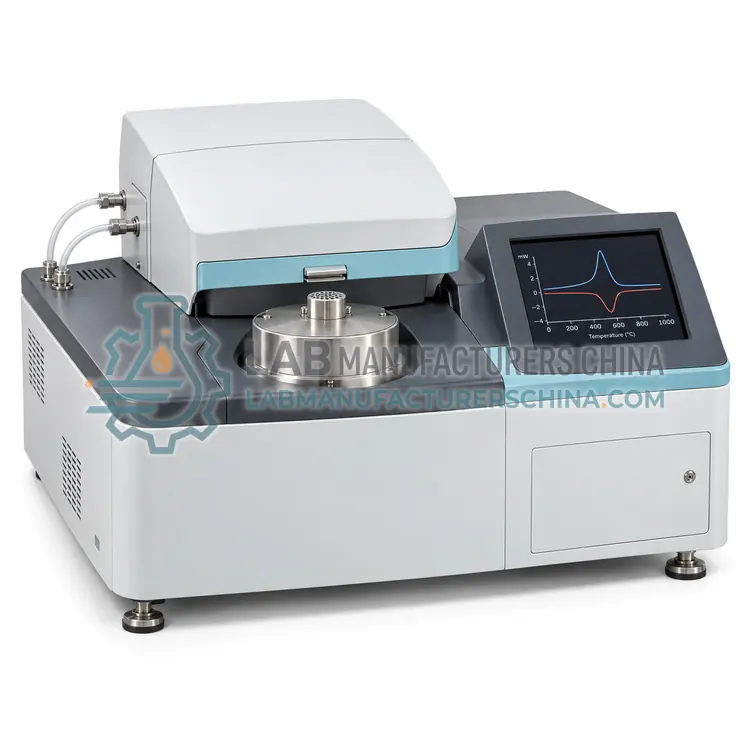
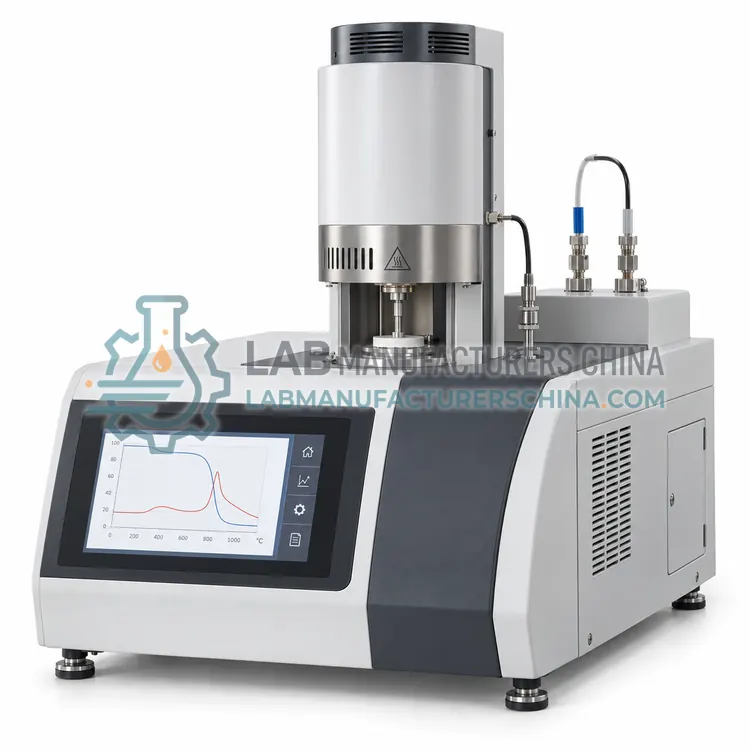
What are Thermal Analysis Instruments?
Thermal analysis is a group of techniques in which a property of a sample is monitored while it is heated, cooled or held at temperature in a defined atmosphere. Differential scanning calorimetry measures heat flow associated with melting, crystallization, glass transition and curing. Thermogravimetric analysis records mass change from decomposition, evaporation or oxidation. Differential thermal analysis records the temperature difference between sample and reference. Thermomechanical analysis measures dimensional change such as expansion or softening, and dynamic mechanical analysis measures stiffness and damping under oscillating stress. Simultaneous thermal analyzers combine TGA with DSC or DTA on one sample. Results support material identification, purity determination, stability assessment, polymorph screening and quality control, and are widely used in research and industrial laboratories with temperature ranges from about minus 180 to 2400 degrees Celsius depending on the instrument.
How do Thermal Analysis Instruments work?
Each technique pairs a furnace with a sensitive sensor. In a heat-flux DSC, sample and reference pans sit on a thermoelectric disc in one furnace, and the temperature difference is converted to heat flow in milliwatts. Power-compensation designs keep sample and reference at the same temperature and measure the power difference. A TGA uses a precision microbalance with resolution of about 0.1 microgram, and the furnace heats at 0.1 to 100 kelvin per minute in nitrogen, air or other purge gases. DTA records the temperature difference between sample and inert reference using thermocouples. TMA places a probe on the sample and measures displacement with a linear variable differential transformer under a small load. DMA applies a sinusoidal force or displacement and measures the phase lag to derive storage modulus, loss modulus and tan delta. Software analyzes onset temperatures, peak areas, step heights and modulus curves.
Where are Thermal Analysis Instruments used?
Thermal analysis is used to characterize how materials behave under heat. Polymer laboratories determine glass transition, melting, crystallinity, cure degree and oxidative induction time, which affect processing and service life. Pharmaceutical groups screen polymorphs, hydrates and excipient compatibility and measure residual solvent or moisture. Food and cosmetic laboratories study fat melting and protein denaturation. Inorganic and ceramic laboratories follow dehydration, decomposition and phase transitions, and battery researchers examine thermal stability of electrode and electrolyte materials. Metallurgy uses DTA and DSC to find transformation and melting ranges. Composite and coating producers use TMA and DMA to measure expansion coefficients and viscoelastic behavior. Failure analysis and quality control also use these techniques to compare batches against reference material.
Which standards apply to Thermal Analysis Instruments?
Many test methods are standardized. ISO 11357 is the multi-part standard for DSC of plastics, and ASTM E1356, E793 and E967 cover glass transition, enthalpy of fusion and temperature calibration. ISO 11358 and ASTM E1131 define thermogravimetry, while ASTM E1868 and E1582 address TGA calibration. ASTM E831 and ISO 11359 cover thermomechanical analysis and linear expansion. ASTM D4065 and ISO 6721 describe dynamic mechanical properties of plastics. ASTM E473 gives terminology. In pharmaceuticals, USP <891> describes thermal analysis and Ph. Eur. 2.2.34 is the European counterpart. Safety of laboratory equipment follows IEC 61010-1.
How do I select the right thermal analysis equipment?
Match the technique to the question. DSC answers questions about transitions and energy, TGA about mass loss and composition, TMA about dimensional change and expansion, and DMA about stiffness and damping. A simultaneous thermal analyzer saves time and ensures that mass change and heat effects come from the same sample, while DTA is useful at very high temperatures. Define the temperature range, heating and cooling rates, and cooling accessory needed. Check sensitivity, balance resolution, baseline stability, atmosphere control and available autosampler capacity. For regulated work, verify calibration routines with indium, zinc or certified reference materials and software compliance features. For DMA and TMA, select sample geometries such as tension, compression, three-point bending or film clamps. Consider purge gases, cooling systems and crucible materials in the running costs.
Thermal Analysis Instruments comparison
| Subcategory | Principle | Typical use | Key spec |
|---|---|---|---|
| DSC | Heat flow between sample and reference | Melting, glass transition and cure studies | −180 to 725 °C typical range |
| TGA | Microbalance mass change in a programmed furnace | Decomposition and composition analysis | Balance resolution ~0.1 µg; to 1600 °C |
| DTA | Temperature difference against inert reference | High-temperature transitions in ceramics and metals | Up to 1500–2400 °C |
| TMA | Probe displacement under small load | Expansion and softening of solids | Resolution ~1 nm or better |
| DMA | Oscillatory stress with phase lag measurement | Viscoelastic modulus and damping | Frequency 0.01–200 Hz |
| Simultaneous Thermal Analyzers | TGA plus DSC or DTA on one sample | Mass loss with heat effects in one run | Up to 1600 °C typical |
Frequently asked questions about Thermal Analysis Instruments
Thermal analysis characterizes materials by measuring heat flow, mass change, dimensional change or mechanical response as temperature changes. It is used to find melting points, glass transitions, decomposition temperatures, purity, cure state and thermal stability in polymers, drugs, ceramics and metals.
DSC measures heat flow into or out of a sample, revealing melting, crystallization, glass transition and reactions. TGA measures mass change, revealing decomposition, moisture or solvent loss and oxidation. They are complementary and can be combined in a simultaneous thermal analyzer.
Temperature and enthalpy are calibrated with high-purity metals such as indium, tin and zinc, whose melting points and heats of fusion are known. Calibration follows ASTM E967 and E968 or ISO 11357-1 and is repeated periodically and when purge gas or pan type changes.
DSC typically uses 2 to 10 mg, TGA 5 to 50 mg depending on the balance, and DMA or TMA use solid specimens such as bars, films or fibers with defined dimensions. Smaller samples give better resolution, while larger samples improve signal for weak effects.
For polymer or pharmaceutical work, DSC is usually the first purchase, followed by TGA. If both techniques are needed on the same sample, a simultaneous thermal analyzer is efficient. DMA and TMA are chosen when mechanical or dimensional behavior with temperature matters.
Related categories
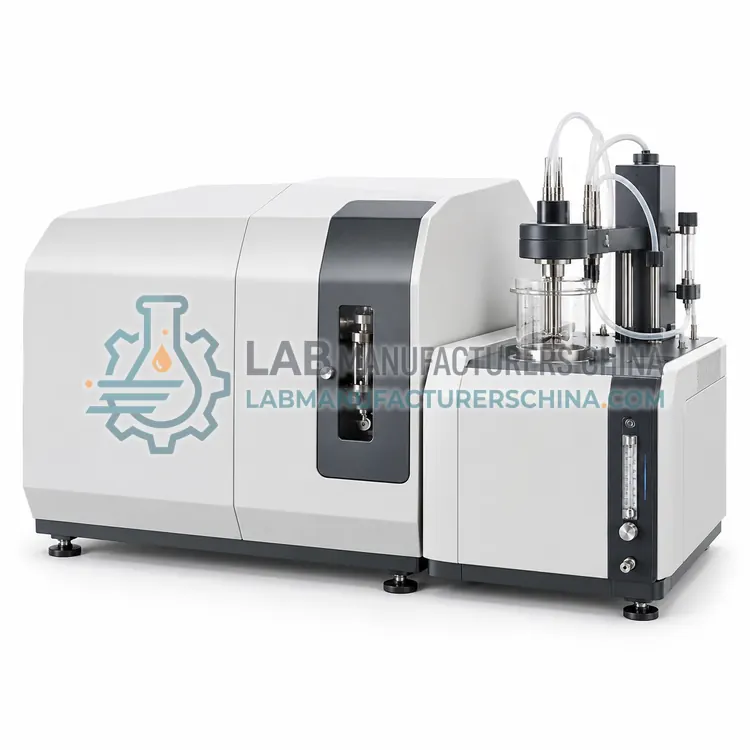 CPAI粒度分析仪器Particle analysis instruments measure the size, size distribution, surface charge and surface area of powders, suspensions and emulsions. The category includes laser and dynamic light scattering analyzers, zeta potential analyzers, sieve systems and gas-adsorption surface area analyzers used in pharmaceutical, battery, ceramics, pigment, mining and materials laboratories.
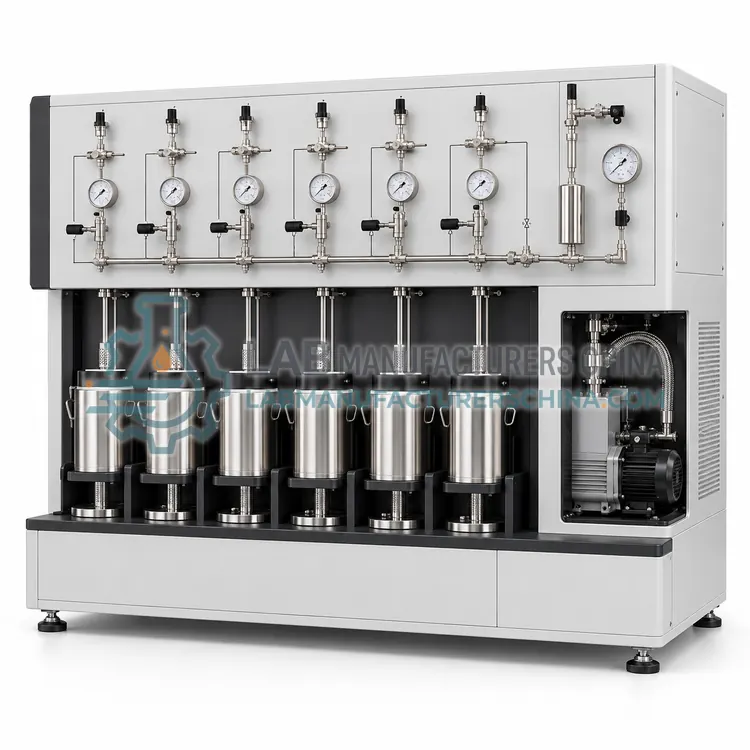 CSAI表面分析仪器Surface analysis instruments characterize the outermost layers and interfaces of solids and liquids. The category covers gas-sorption surface area analyzers, porosimeters, contact angle meters, surface profilometers and surface tension meters used in materials science, coatings, catalysts, polymers, batteries and semiconductor laboratories.
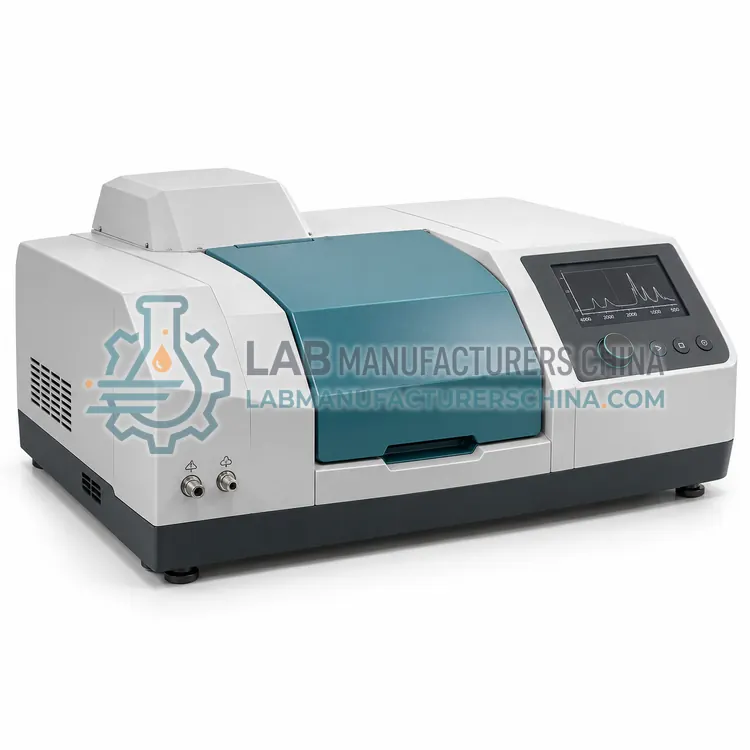 COPI光学仪器Optical instruments measure light intensity, wavelength, colour, refractive index and optical rotation. The category covers spectrometers, colorimeters, optical power meters, lux meters, polarimeters and refractometers used for material identification, concentration measurement, illumination checking and optical component testing. They are routine tools in analytical, quality-control and research laboratories.
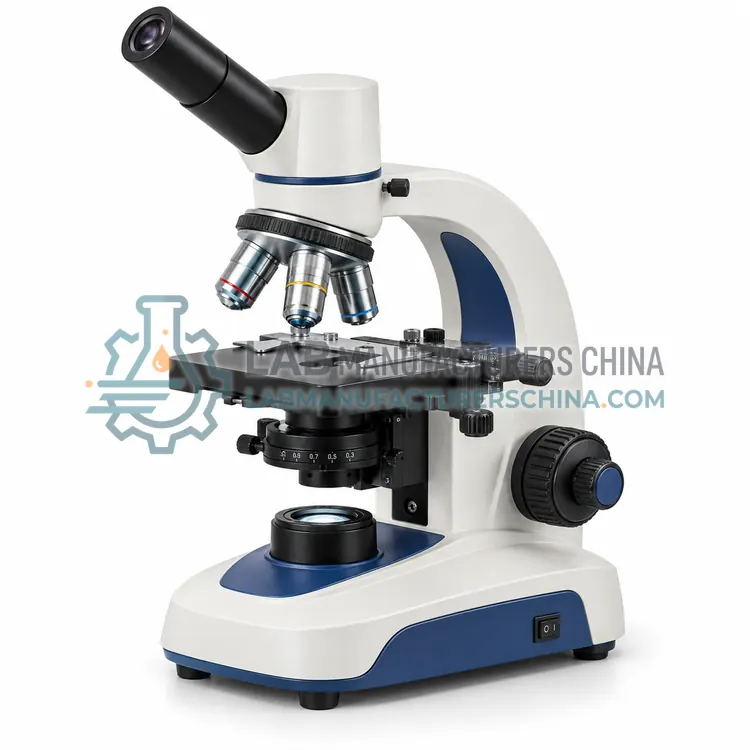 CLAM实验室显微镜Laboratory microscopes magnify and resolve fine detail of specimens using transmitted, reflected or fluorescence light. The category covers biological, fluorescence, inverted, metallurgical, polarizing and digital microscopes used in life science, materials, clinical and industrial inspection.