Lab Manufacturers China

Simultaneous Thermal Analyzers

同步热分析仪

STA · Thermal Analysis Instruments · 5 models

By Lab Manufacturers China Technical TeamLast reviewed Standards: ASTM E1131, ASTM E967, ASTM E794

Standards referenced

  • ASTM E1131
  • ASTM E967
  • ASTM E794
  • ISO 11358-1
  • ISO 11357-1
  • USP <891>

What are Simultaneous Thermal Analyzers?

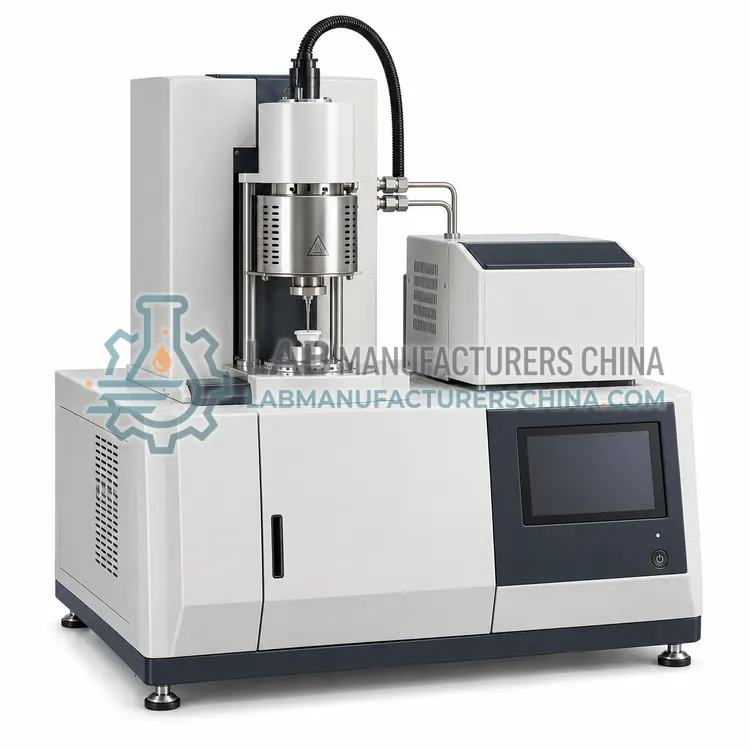
A simultaneous thermal analyzer records mass change and heat flow or temperature difference from one sample in a single furnace run. It links decomposition steps with thermal events directly and is used for polymers, pharmaceuticals, ceramics, minerals and energy materials.

5 models of Simultaneous Thermal Analyzers

The 5 models below are current configurations; specifications are confirmed on quotation.

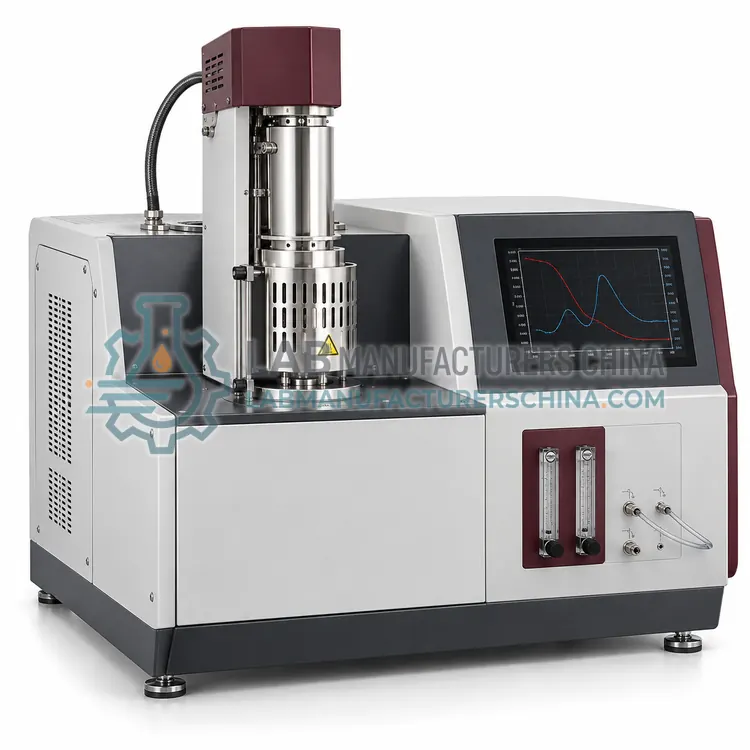
Simultaneous TGA-DSC Analyzer

热重-差示扫描同步分析仪

  • STA-0001
  • Simultaneous Thermal Analyzers
  • CE (to be confirmed)
  • IEC 61010-1 safety (to be confirmed)
  • ISO 9001 manufacturing (to be confirmed)
Temperature range:
−150–700 °C
Balance resolution:
0.1 µg
Heat flow resolution:
1–5 µW
Calorimetric accuracy:
±2% with indium
Heating rate:
0.1–50 °C/min
Sample mass:
5–30 mg typical

A simultaneous TGA-DSC analyzer couples a thermobalance with a calibrated heat-flow sensor, giving quantitative enthalpy and heat capacity together with mass loss from one sample. It is used for polymers, pharmaceuticals and organic materials.

Request a quote
View details

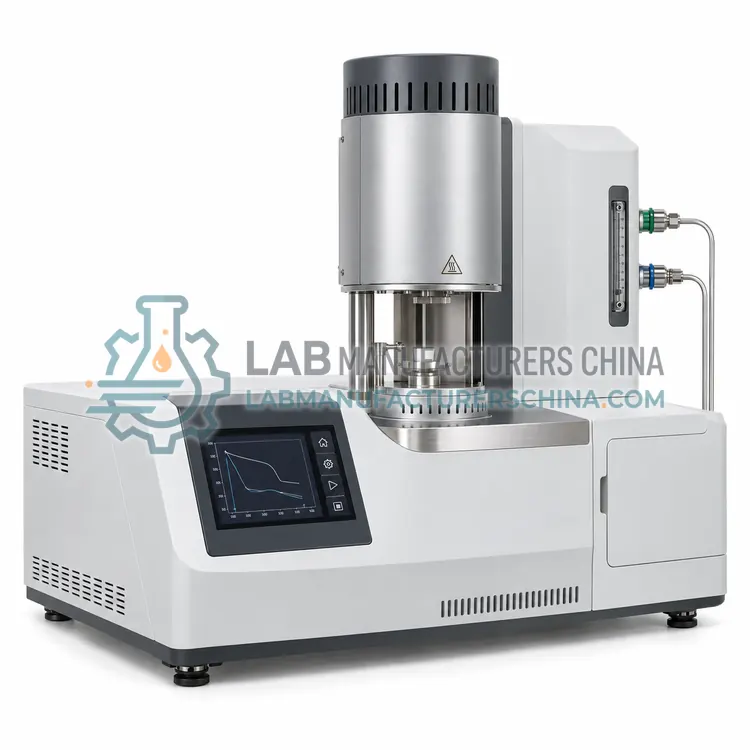
Simultaneous TGA-DTA Analyzer

热重-差热同步分析仪

  • STA-0002
  • Simultaneous Thermal Analyzers
  • CE (to be confirmed)
  • IEC 61010-1 safety (to be confirmed)
  • ISO 9001 manufacturing (to be confirmed)
Temperature range:
Ambient–1600 °C
Balance resolution:
0.1 µg
DTA signal resolution:
0.5 °C
Temperature accuracy:
±3 °C
Heating rate:
0.1–30 °C/min
Sample mass:
20–200 mg typical

A simultaneous TGA-DTA analyzer pairs a thermobalance with a differential thermal sensor that is robust at high temperature, recording mass loss and endothermic or exothermic peaks up to 1600 degrees Celsius for ceramics, minerals, cements and metals.

Request a quote
View details

High-Temperature Simultaneous Thermal Analyzer

高温同步热分析仪

  • STA-0003
  • Simultaneous Thermal Analyzers
  • CE (to be confirmed)
  • IEC 61010-1 safety (to be confirmed)
  • ISO 9001 manufacturing (to be confirmed)
Temperature range:
Ambient–1600 °C
Balance resolution:
1 µg
Balance capacity:
5 g
Heating rate:
0.1–30 °C/min
Temperature accuracy:
±3 °C
Thermal signal accuracy:
±5 °C

A high-temperature simultaneous thermal analyzer reaches 1500 to 1600 degrees Celsius with an alumina or graphite furnace, tracking mass loss and heat effects in refractories, ceramics, slags, cements, catalysts and metal oxides in one run.

Request a quote
View details

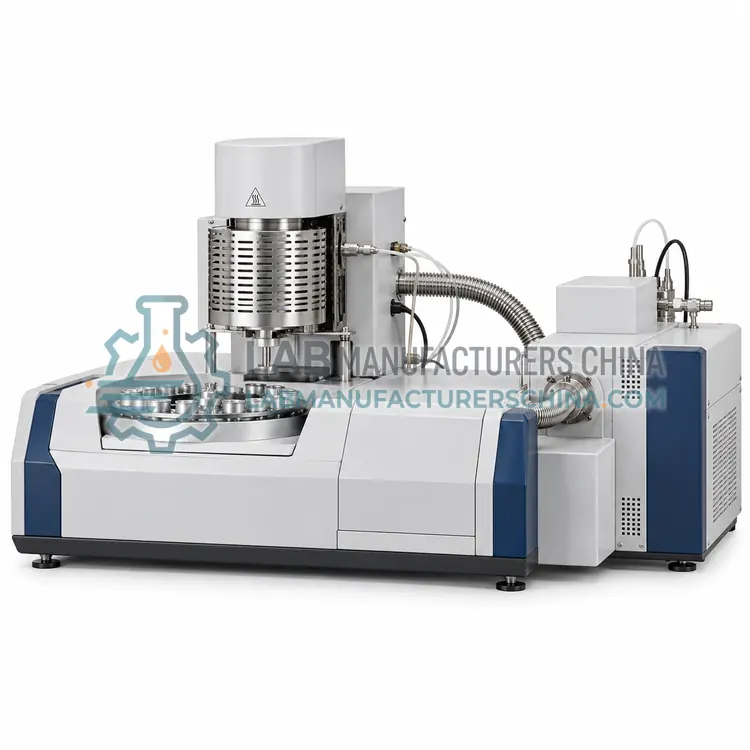
Simultaneous Thermal Analyzer with Evolved Gas Analysis

逸出气体联用同步热分析仪

  • STA-0004
  • Simultaneous Thermal Analyzers
  • CE (to be confirmed)
  • IEC 61010-1 safety (to be confirmed)
  • ISO 9001 manufacturing (to be confirmed)
Temperature range:
Ambient–1500 °C
Balance resolution:
0.1 µg
Heat flow or DTA signal:
Heat flow or DTA sensor
Transfer line temperature:
180–250 °C
IR spectral range:
4000–600 cm⁻¹
Mass spectrometer range:
1–300 amu

A simultaneous thermal analyzer with evolved gas analysis couples the instrument to an FTIR spectrometer or mass spectrometer so that each mass loss step and heat effect can be assigned to specific evolved species such as water, carbon dioxide or hydrocarbons.

Request a quote
View details

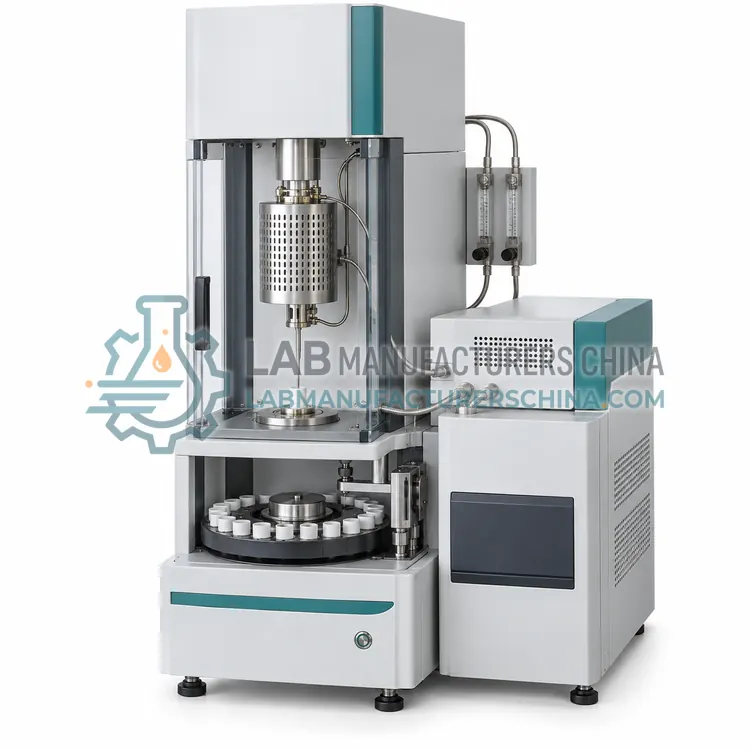
Automated Simultaneous Thermal Analyzer

自动进样同步热分析仪

  • STA-0005
  • Simultaneous Thermal Analyzers
  • CE (to be confirmed)
  • IEC 61010-1 safety (to be confirmed)
  • ISO 9001 manufacturing (to be confirmed)
Autosampler capacity:
20–30 crucible pairs
Temperature range:
Ambient–1500 °C
Balance resolution:
0.1 µg
Weighing repeatability:
±0.1% by mass
Heating rate:
0.1–30 °C/min
Methods per sequence:
Up to 30, individually assigned

An automated simultaneous thermal analyzer adds a robotic sample changer and scheduled calibration checks, so combined mass and thermal measurements run unattended overnight. It serves routine quality control and high-volume contract laboratories.

Request a quote
View details

Compare Simultaneous Thermal Analyzers models

ModelTemperature rangeBalance resolutionHeating rateSample massCrucible materials
Simultaneous TGA-DSC AnalyzerSTA-0001−150–700 °C0.1 µg0.1–50 °C/min5–30 mg typicalAlumina, platinum, aluminium
Simultaneous TGA-DTA AnalyzerSTA-0002Ambient–1600 °C0.1 µg0.1–30 °C/min20–200 mg typicalAlumina, platinum, graphite
High-Temperature Simultaneous Thermal AnalyzerSTA-0003Ambient–1600 °C1 µg0.1–30 °C/min——
Simultaneous Thermal Analyzer with Evolved Gas AnalysisSTA-0004Ambient–1500 °C0.1 µg0.1–30 °C/min——
Automated Simultaneous Thermal AnalyzerSTA-0005Ambient–1500 °C0.1 µg0.1–30 °C/min——

Indicative values for this product class. Final specifications are confirmed on the quotation and in the calibration documents supplied with the instrument.

How do Simultaneous Thermal Analyzers work?

The instrument combines a thermobalance with a heat-flow or differential thermal sensor on a single sample holder inside one furnace, so mass and thermal signals share exactly the same temperature, heating rate and atmosphere. Because there is no second sample, results cannot be offset by sample-to-sample variation in mass, particle size or packing, which is the main advantage over running a TGA and a DSC separately. The heat-flow signal can be calibrated with indium to give melting enthalpies and heat capacity, while the balance gives mass loss steps, derivative peaks and residue. Typical temperature ranges extend from ambient to 1500 or 1600 degrees Celsius, with balance resolution of 0.1 microgram and heating rates of 0.1 to 50 degrees Celsius per minute. Purge gas is switched between inert and oxidising conditions, and a reference crucible is placed on the sensor alongside the sample crucible.

Which Simultaneous Thermal Analyzers variants are available?

  • Simultaneous TGA-DSC Analyzer — A simultaneous TGA-DSC analyzer couples a thermobalance with a calibrated heat-flow sensor, giving quantitative enthalpy and heat capacity together with mass loss from one sample.
  • Simultaneous TGA-DTA Analyzer — A simultaneous TGA-DTA analyzer pairs a thermobalance with a differential thermal sensor that is robust at high temperature, recording mass loss and endothermic or exothermic peaks up to 1600 degrees Celsius for ceramics, minerals, cements and metals.
  • High-Temperature Simultaneous Thermal Analyzer — A high-temperature simultaneous thermal analyzer reaches 1500 to 1600 degrees Celsius with an alumina or graphite furnace, tracking mass loss and heat effects in refractories, ceramics, slags, cements, catalysts and metal oxides in one run.
  • Simultaneous Thermal Analyzer with Evolved Gas Analysis — A simultaneous thermal analyzer with evolved gas analysis couples the instrument to an FTIR spectrometer or mass spectrometer so that each mass loss step and heat effect can be assigned to specific evolved species such as water, carbon dioxide or hydrocarbons.
  • Automated Simultaneous Thermal Analyzer — An automated simultaneous thermal analyzer adds a robotic sample changer and scheduled calibration checks, so combined mass and thermal measurements run unattended overnight.

How do I choose the right variant?

Choose between the TGA-DSC and TGA-DTA sensor types first. A heat-flow sensor calibrated with indium gives quantitative enthalpies and heat capacity and suits polymers, pharmaceuticals and organics; a DTA sensor is more robust at high temperature and suits ceramics, minerals and metals where peak temperatures are enough. Then set the temperature range, since inorganic materials may need 1500 or 1600 degrees Celsius while organics require sub-ambient cooling. Decide whether evolved gases must be identified, which determines whether an FTIR or mass spectrometer coupling is needed. Check balance resolution, whether the crucible arrangement allows gas to flow over the sample, the gas switching capability, the software for combined signal evaluation and the calibration standards provided. For quality control, an autosampler converts the instrument into an unattended routine analyzer.

Where are Simultaneous Thermal Analyzers used?

Simultaneous Thermal Analyzers are specified in polymer composition and additive analysis, pharmaceutical hydrate and polymorph studies, ceramic and mineral reaction analysis, battery and energy material safety testing and incoming material and failure investigation.

Which standards and certifications apply?

Work with Simultaneous Thermal Analyzers is commonly governed by ASTM E1131, ASTM E967, ASTM E794, ISO 11358-1, ISO 11357-1 and USP <891>. Instrument certifications such as CE marking are confirmed per configuration and never assumed.

What are the key considerations before purchase?

Prepare sample and reference crucibles in the same way, with similar mass and packing, because the heat-flow signal depends on the symmetry of the two positions. Keep the balance purge flow stable and high enough to protect the weighing mechanism from condensable products, and verify with a blank run whenever the gas or flow changes. Calibrate temperature with Curie-point or melting-point standards and heat flow with indium before a critical campaign, and record crucible type, gas, flow, heating rate and sample mass with each curve. Simultaneous instruments show artefacts when the two crucibles differ: a sloping or drifting heat-flow baseline usually means asymmetry, damaged crucibles or contaminated sensors. Coupled techniques add transfer line maintenance, and the interface temperature must always be above the dew point of the evolved gases.

Frequently asked questions about Simultaneous Thermal Analyzers

Mass and heat signals come from the same specimen under identical conditions, so a decomposition step can be matched to an endothermic or exothermic event without uncertainty about sample variation. It also halves measurement time and sample consumption compared with separate TGA and DSC runs.

Need help specifying Simultaneous Thermal Analyzers?

Request a quote