
Surface Analysis Instruments
表面分析仪器
CSAI · Analytical & Instrumentation · 5 product types · 25 models
By Lab Manufacturers China Technical TeamLast reviewed
What are Surface Analysis Instruments?
Surface analysis instruments characterize the outermost layers and interfaces of solids and liquids. The category covers gas-sorption surface area analyzers, porosimeters, contact angle meters, surface profilometers and surface tension meters used in materials science, coatings, catalysts, polymers, batteries and semiconductor laboratories.
5 product types in Surface Analysis Instruments
The 5 product types below are grouped by the exact instrument you need.
- SUR5 models
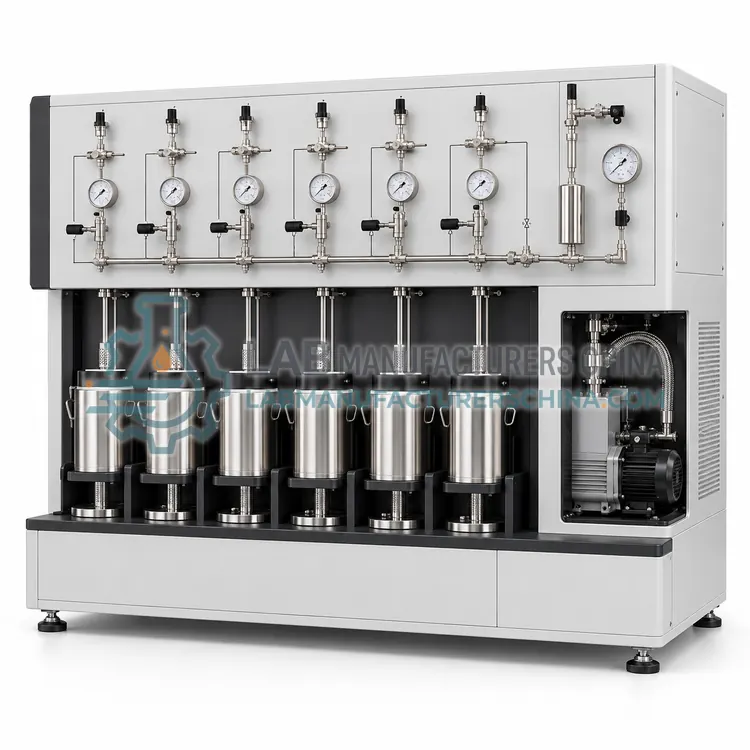
Surface Area Analyzers
比表面积分析仪
Surface area analyzers for materials surface characterization determine specific surface area, pore volume and adsorption behavior of solids by measuring gas or vapor uptake. They cover physisorption, chemisorption and vapor sorption techniques and are used by catalyst, battery, adsorbent, polymer and nanomaterial laboratories.
- POR5 models
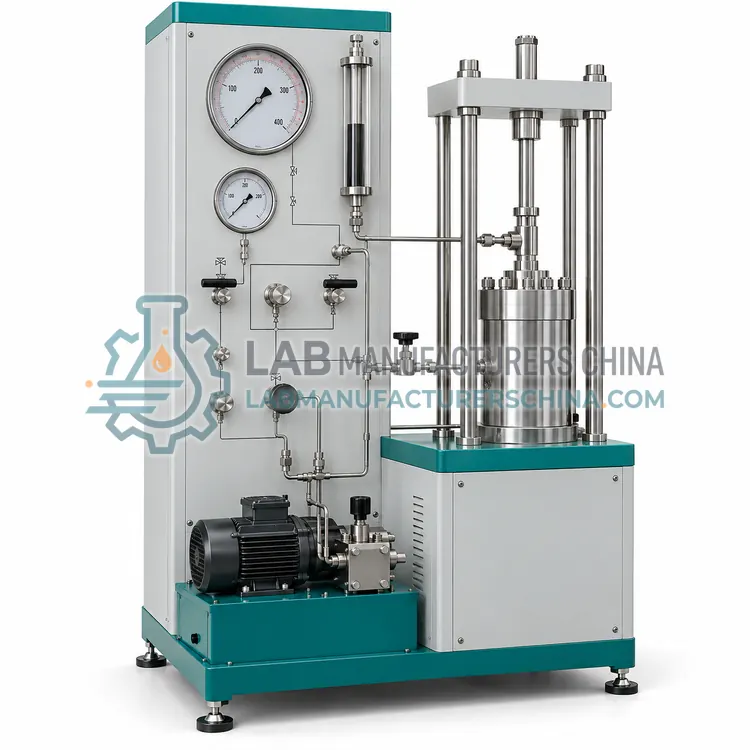
Porosimeters
孔隙率分析仪
Porosimeters measure pore volume, pore size distribution, porosity and permeability of porous solids. Mercury intrusion, capillary flow, gas permeation and helium pycnometry techniques are used for ceramics, filters, membranes, catalysts, rocks, battery electrodes and construction materials.
- CAM5 models
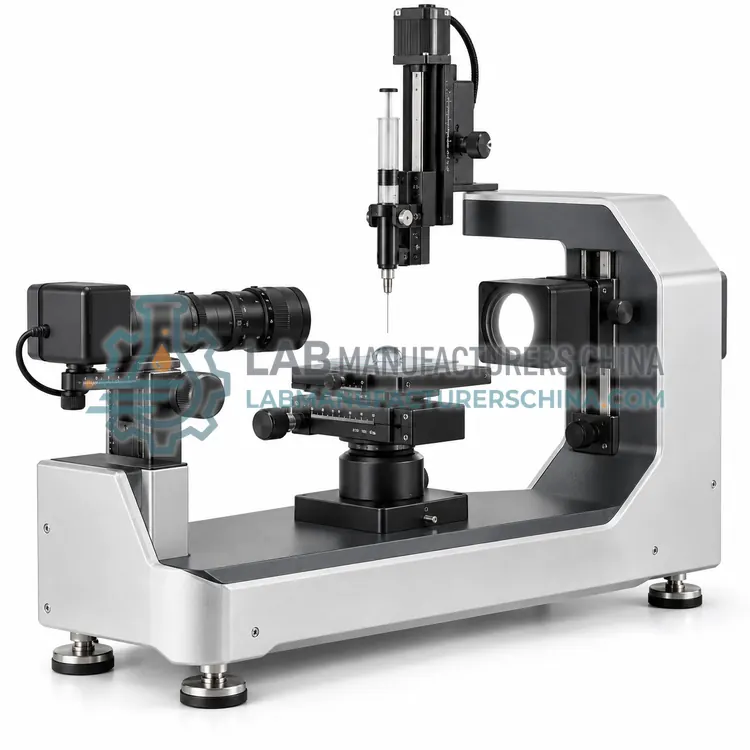
Contact Angle Meters
接触角测量仪
Contact angle meters measure the angle formed where a liquid drop meets a solid surface to quantify wettability and surface free energy. Optical goniometers and force tensiometers are used in coatings, polymers, textiles, electronics, biomaterials and packaging laboratories.
- SUP5 models
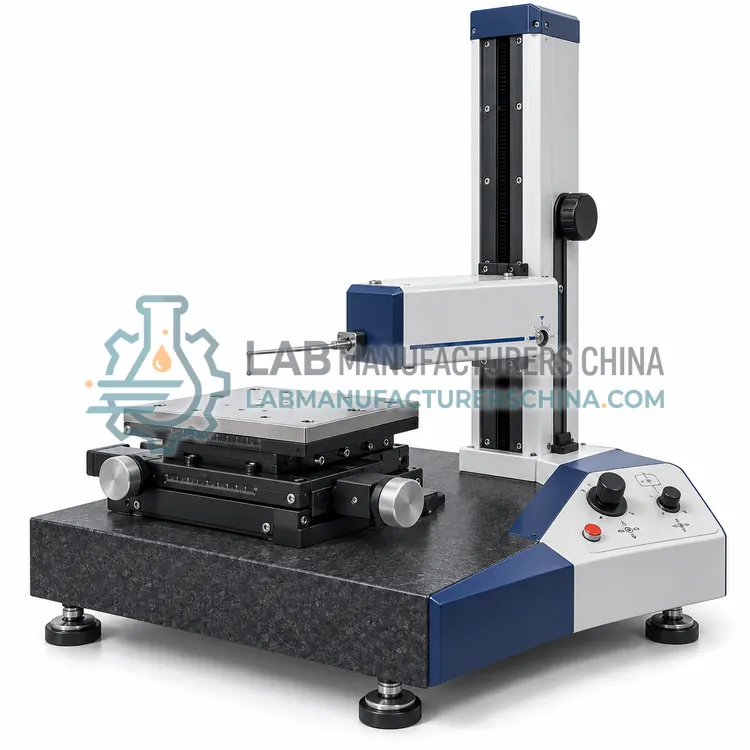
Surface Profilometers
表面轮廓仪
Surface profilometers measure surface topography, including roughness, waviness, step height and form, using a contacting stylus or non-contact optical methods. They are used in machining, semiconductor, optics, coatings, medical device and tribology laboratories to verify finish specifications.
- STM5 models
Surface Tension Meters
表面张力仪
Surface tension meters measure the surface tension of liquids and the interfacial tension between two liquids, in mN/m. Ring, plate, pendant drop and bubble pressure methods are used by formulation, coatings, petroleum, detergent, pharmaceutical and ink laboratories.
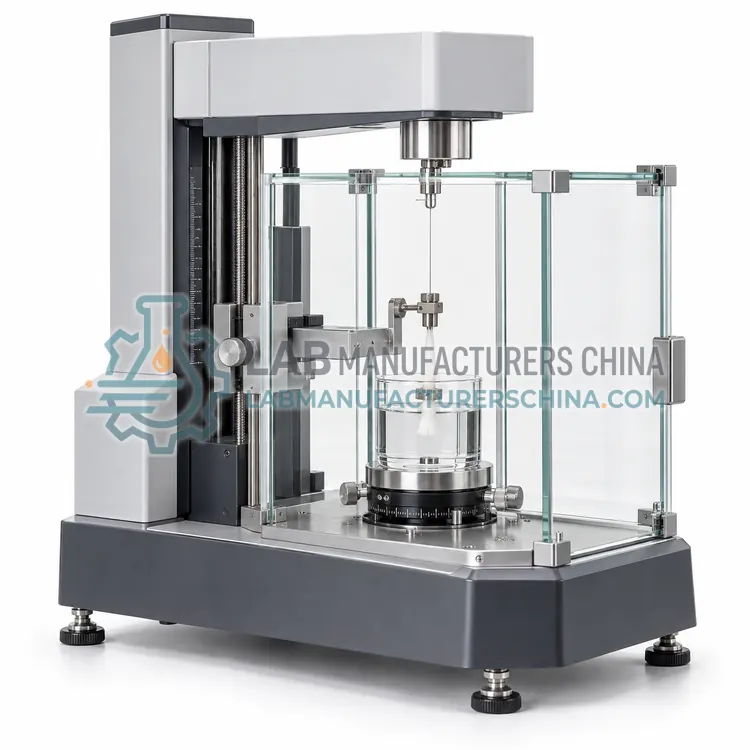
What are Surface Analysis Instruments?
Surface analysis instruments measure properties that arise at interfaces rather than in the bulk of a material. These include specific surface area, pore volume and pore size distribution, wettability expressed as contact angle, interfacial and surface tension of liquids, and surface topography such as roughness and step height. These properties control adhesion, coating quality, catalytic activity, filtration performance, cleaning, printing and wear. Instruments in this group use gas adsorption, mercury intrusion, optical drop-shape analysis, force tensiometry, stylus contact or optical interferometry. Results are usually reported with numerical parameters defined in standards, such as BET surface area, Ra and Rz roughness, or surface tension in mN/m. Choosing the wrong technique can yield values that are not comparable with specification limits, so the measurand and method must be stated together.
How do Surface Analysis Instruments work?
Gas adsorption analyzers dose nitrogen, krypton or argon onto a degassed sample at cryogenic temperature and record the adsorbed amount against relative pressure, from which BET area and pore size distributions are derived. Mercury porosimeters force mercury into pores under increasing pressure and apply the Washburn equation to relate pressure to pore diameter. Contact angle meters image a sessile drop and fit the Young–Laplace equation to its profile. Tensiometers measure the force on a Wilhelmy plate or du Noüy ring, or analyze pendant drop shape. Stylus profilometers drag a diamond tip across the surface, while optical profilometers use white-light interferometry or confocal imaging to map height without contact. Environmental control of vibration, temperature and cleanliness is essential to reproducibility.
Where are Surface Analysis Instruments used?
Catalyst and adsorbent manufacturers use gas sorption and chemisorption to verify surface area, pore structure and active metal dispersion. Battery laboratories measure electrode powder surface area and porosity to control electrolyte uptake. Ceramics, filter and membrane producers use porosimetry to confirm pore size windows. Coatings, printing and packaging laboratories use contact angle and surface tension to evaluate wetting, adhesion and corona treatment. Semiconductor, optics and machining laboratories rely on profilometers for roughness, film thickness steps and wear tracks. Pharmaceutical laboratories use surface area and wettability data to understand dissolution of powders and tablets. Research institutes apply these tools in polymer, biomaterial and nanomaterial development.
Which standards apply to Surface Analysis Instruments?
Gas adsorption surface area follows ISO 9277 and ASTM D3663, and pore analysis uses ISO 15901-2 and ISO 15901-3, while mercury intrusion is covered by ISO 15901-1 and ASTM D4284. Contact angle methods are addressed by ASTM D7334 and ASTM D5946 for polymer films. Surface tension of liquids is covered by ISO 304, ISO 6295 and ASTM D1331, and ASTM D971 addresses interfacial tension by the ring method. Surface texture follows ISO 21920, ISO 4287 and ISO 25178. Instrument electrical safety typically follows IEC 61010-1, and mercury handling must comply with local environmental regulations.
How do I select the right surface analysis equipment?
Choose by the property and the sample. For surface area and pore size below 100 nm, use gas sorption; for macropores up to about 400 µm, use mercury porosimetry. Wettability of flat solids requires a contact angle meter, while powders and fibers may need a tensiometer with a wicking method. Liquid surface and interfacial tension is measured by plate, ring or pendant drop depending on viscosity and sample volume. Roughness and step height call for a stylus or optical profilometer, with stylus systems favored for hard, traceable measurements and optical systems for soft or delicate surfaces. Check the required measuring range, resolution, automation level, temperature control, relevant standards and software traceability features before issuing an RFQ.
Surface Analysis Instruments comparison
| Subcategory | Principle | Typical use | Key spec |
|---|---|---|---|
| Surface Area Analyzers | Gas sorption, chemisorption or vapor sorption | Catalyst, adsorbent and battery material surfaces | Surface area from about 0.01 m²/g |
| Porosimeters | Mercury intrusion or capillary flow | Pore size of ceramics, filters and membranes | About 3.6 nm to 400 µm |
| Contact Angle Meters | Sessile drop imaging | Wettability of coatings and films | Angle range 0–180° |
| Surface Profilometers | Stylus contact or optical interferometry | Roughness, step height and wear | Vertical resolution down to nanometers |
| Surface Tension Meters | Force tensiometry or drop shape analysis | Liquids, surfactants and inks | Typically 1–2000 mN/m |
Frequently asked questions about Surface Analysis Instruments
A gas-sorption surface area analyzer measures adsorbed gas to determine surface area and pores from about 0.35 to 500 nm. A mercury porosimeter forces mercury into pores and covers roughly 3.6 nm to 400 µm. Laboratories often use both for full pore characterization.
A contact angle meter measures the angle formed where a liquid drop meets a solid surface. Low angles below 90° indicate wetting, while high angles indicate repellency. It is used to evaluate coatings, cleaning, adhesion, printing and surface treatments such as plasma or corona.
Surface tension is measured by force methods such as the Wilhelmy plate and du Noüy ring, by pendant drop shape analysis, or by maximum bubble pressure. The method depends on liquid viscosity, sample volume and whether dynamic behavior matters. Values are reported in mN/m.
Common parameters are Ra, the arithmetic mean deviation, and Rz, the mean peak-to-valley height, defined in ISO 4287. Areal parameters such as Sa are defined in ISO 25178. The cut-off length and evaluation length must be stated with any roughness value.
Nitrogen suits samples above about 1 m² of total surface area. Krypton at 77 K is used for low-area samples such as thin films, flat substrates and dense ceramics, because its low saturation pressure improves sensitivity at areas down to about 0.05 m² total.
Related categories
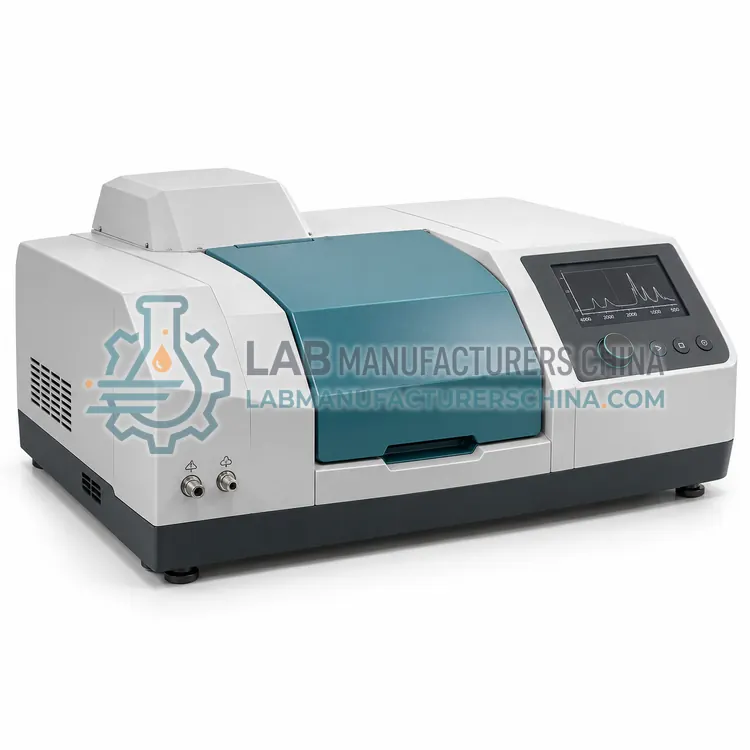 COPI光学仪器Optical instruments measure light intensity, wavelength, colour, refractive index and optical rotation. The category covers spectrometers, colorimeters, optical power meters, lux meters, polarimeters and refractometers used for material identification, concentration measurement, illumination checking and optical component testing. They are routine tools in analytical, quality-control and research laboratories.
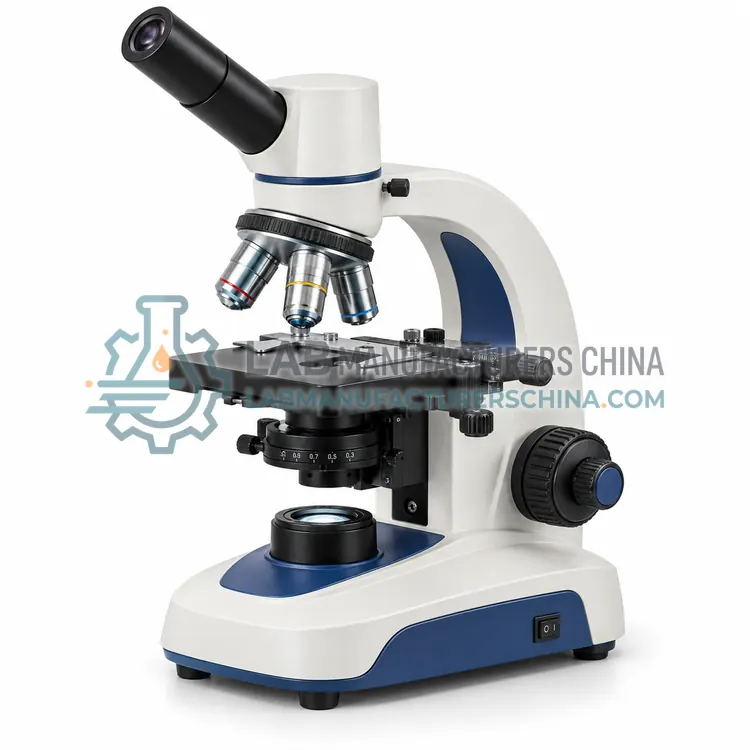 CLAM实验室显微镜Laboratory microscopes magnify and resolve fine detail of specimens using transmitted, reflected or fluorescence light. The category covers biological, fluorescence, inverted, metallurgical, polarizing and digital microscopes used in life science, materials, clinical and industrial inspection.
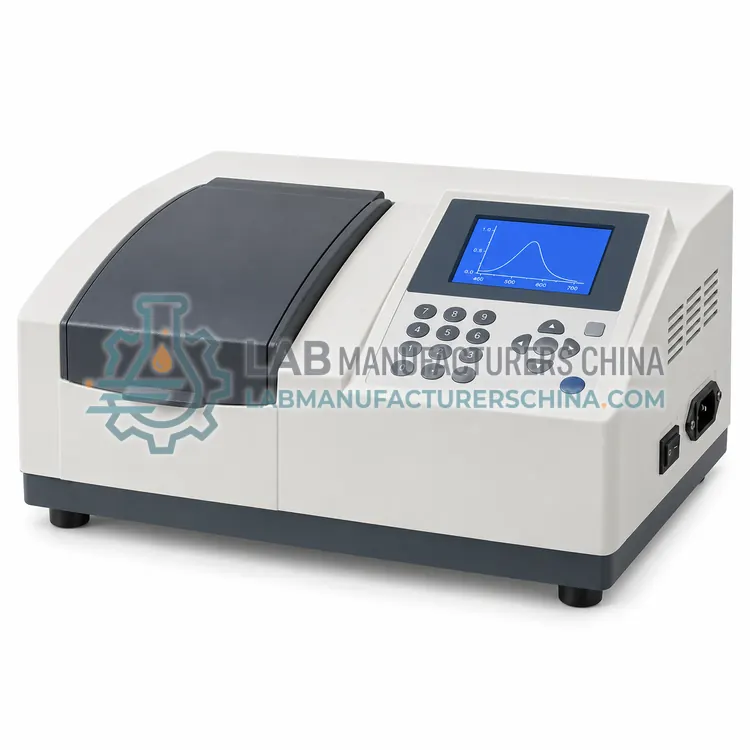 CANI分析仪器Analytical instruments measure the chemical, optical or physical properties of samples to identify substances and quantify their concentration. This category covers spectrophotometers, photometers, refractometers, polarimeters, turbidity meters and general analytical analyzers used in pharmaceutical, environmental, food, chemical and industrial quality-control laboratories.
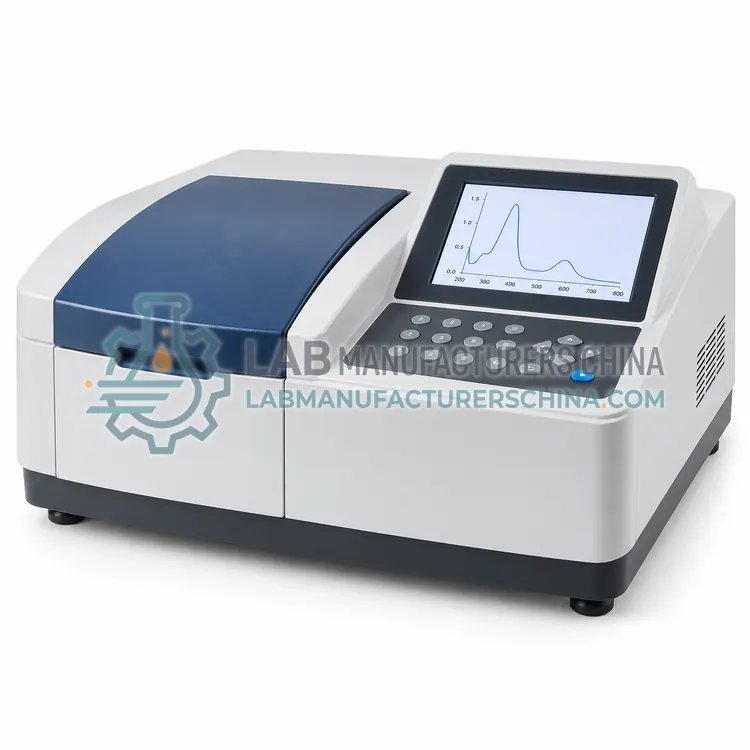 CSPI光谱仪器Spectroscopy instruments measure how matter absorbs, emits or scatters electromagnetic radiation to identify substances and quantify them. This category covers UV-Vis, FTIR, Raman, fluorescence, NIR and atomic spectroscopy systems used in pharmaceutical, chemical, environmental, food and materials laboratories.