Lab Manufacturers China

Porosimeters

孔隙率分析仪

POR · Surface Analysis Instruments · 5 models

By Lab Manufacturers China Technical TeamLast reviewed Standards: ISO 15901-1, ASTM D4284, ASTM D4404

Standards referenced

  • ISO 15901-1
  • ASTM D4284
  • ASTM D4404
  • ASTM F316
  • ASTM D6226

What are Porosimeters?

Porosimeters measure pore volume, pore size distribution, porosity and permeability of porous solids. Mercury intrusion, capillary flow, gas permeation and helium pycnometry techniques are used for ceramics, filters, membranes, catalysts, rocks, battery electrodes and construction materials.

5 models of Porosimeters

The 5 models below are current configurations; specifications are confirmed on quotation.

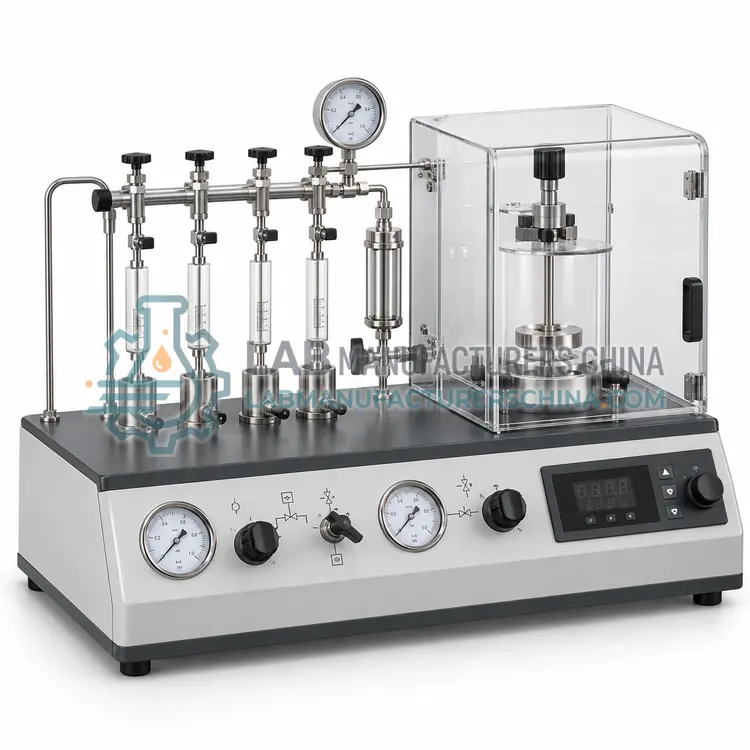
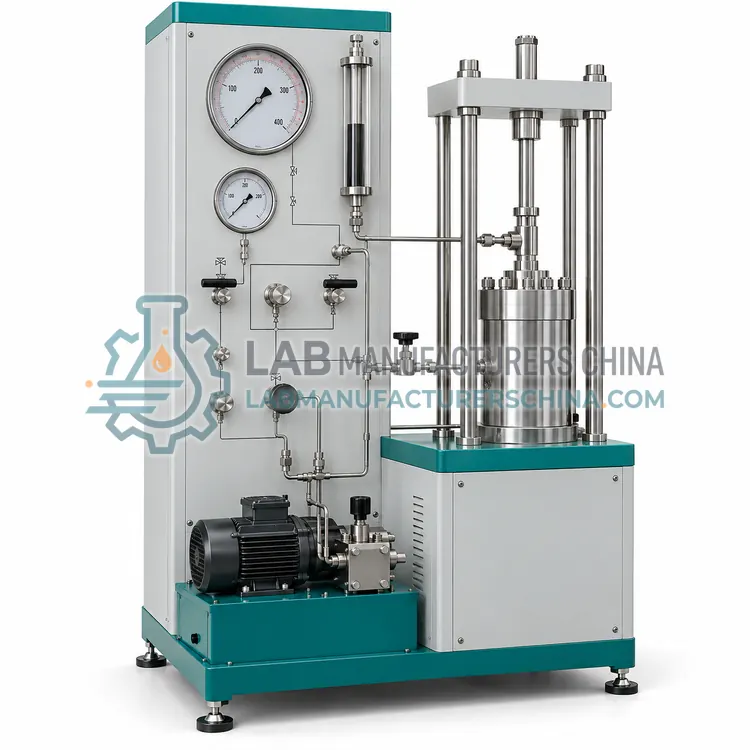
High-Pressure Mercury Intrusion Porosimeter (up to 400 MPa)

高压压汞仪(最高 400 MPa)

  • POR-0001
  • Porosimeters
  • CE (to be confirmed)
  • Pressure equipment conformity (to be confirmed)
  • ISO 9001 manufacturing (to be confirmed)
Pressure range:
0.003–400 MPa
Pore diameter range:
3.6 nm–400 µm
Intrusion volume resolution:
0.1 µL
Pressure accuracy:
±0.5% of reading
Low-pressure ports:
2
High-pressure ports:
1–2

A mercury porosimeter combining a low-pressure station and a high-pressure intensifier to cover pore throat sizes from about 3.6 nm to 400 µm. It is the right choice for ceramics, catalyst pellets, cements and rocks where full macropore and mesopore distributions are required.

Request a quote
View details

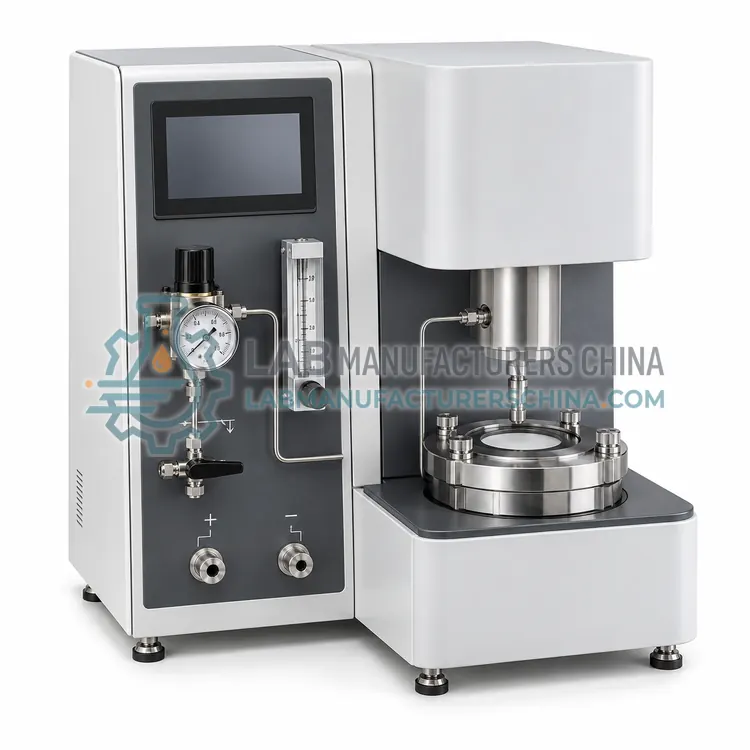
Low-Pressure Mercury Porosimeter for Macropore Analysis

大孔分析用低压压汞仪

  • POR-0002
  • Porosimeters
  • CE (to be confirmed)
  • ISO 9001 manufacturing (to be confirmed)
Maximum pressure:
0.2 MPa
Pore diameter range:
7–400 µm
Vacuum level:
≤ 50 µmHg
Volume resolution:
0.1 µL
Pressure accuracy:
±1% of reading
Stations:
1

A compact mercury porosimeter limited to about 0.2 MPa that measures macropores from roughly 7 µm to 400 µm plus bulk density. It is suited to filters, foams, fibrous media, sintered metals and other coarse-pored materials where nanometer resolution is unnecessary.

Request a quote
View details

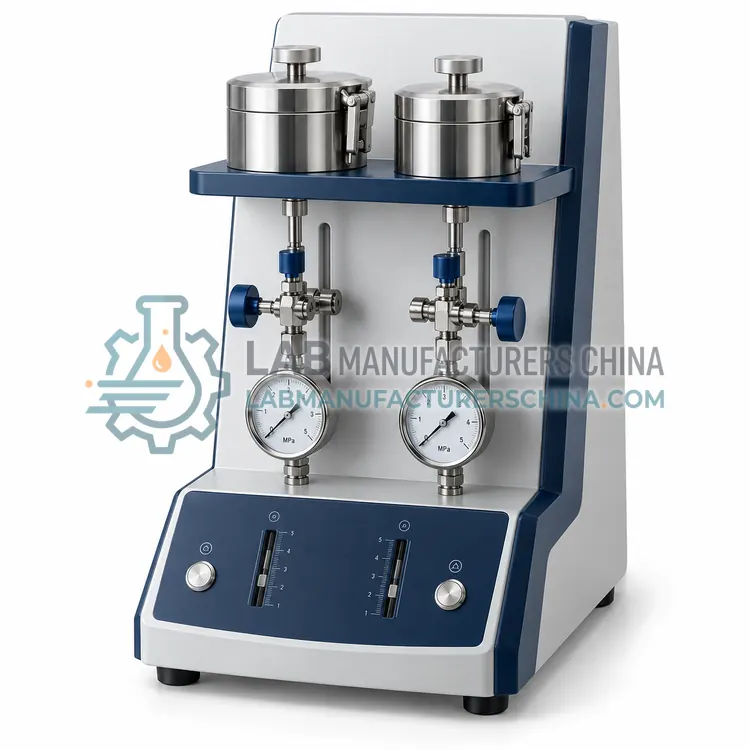
Capillary Flow Porometer for Membrane and Filter Pore Size

膜与过滤器孔径用毛细流动孔径仪

  • POR-0003
  • Porosimeters
  • CE (to be confirmed)
  • ISO 9001 manufacturing (to be confirmed)
Pore size range:
0.013–500 µm
Maximum pressure:
0–35 bar (up to 200 psi)
Pressure accuracy:
±0.15% of reading
Flow range:
0–200 L/min
Sample diameter:
8–47 mm discs; cartridges optional
Wetting liquid surface tension:
≈ 16 mN/m

An automated instrument that wets a sample with a low surface tension liquid and measures gas flow versus pressure through wet and dry states. It reports bubble point, mean flow pore size and pore size distribution of through pores in membranes, filters and nonwovens.

Request a quote
View details

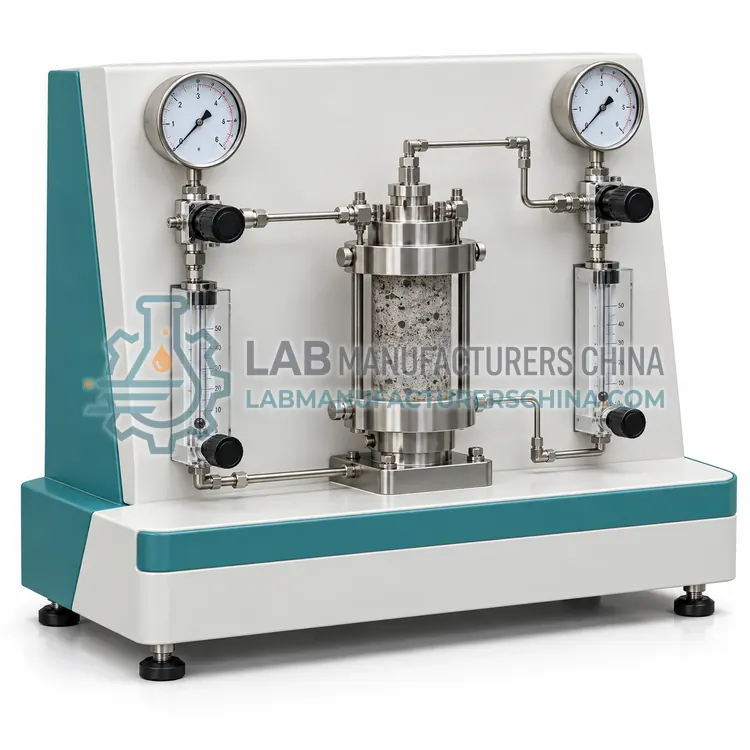
Gas Permeability Tester for Porous Ceramics and Rocks

多孔陶瓷与岩石用气体渗透率测试仪

  • POR-0004
  • Porosimeters
  • CE (to be confirmed)
  • ISO 9001 manufacturing (to be confirmed)
Permeability range:
0.01 mD–10 D
Sample diameter:
25 mm, 38 mm (others optional)
Sample length:
10–80 mm
Confining pressure:
Up to 10 MPa
Upstream pressure:
0–1 MPa
Flow measurement range:
0.01–5000 mL/min

A test system that forces gas through a cylindrical core or ceramic sample at controlled confining and differential pressure, then calculates Darcy permeability from flow rate. It suits refractories, catalyst supports, reservoir rock plugs and porous ceramics requiring permeability values.

Request a quote
View details

Helium Pycnometer for True Density and Closed Porosity

真密度与闭孔率测定用氦比重瓶

  • POR-0005
  • Porosimeters
  • CE (to be confirmed)
  • ISO 9001 manufacturing (to be confirmed)
Measurement principle:
Gas displacement, Boyle's law
Sample cell volumes:
1, 10, 35, 100, 135 cm³
Volume accuracy:
±0.03% of reading
Density repeatability:
±0.02%
Analysis gas:
Helium (99.995%+)
Analysis pressure:
0–0.2 MPa (up to 0.35 MPa)

A gas displacement instrument that uses helium expansion between a sample chamber and a reference chamber to measure skeletal volume and true density. Combined with bulk volume, it gives total and closed porosity of powders, ceramics, electrodes and pharmaceutical solids.

Request a quote
View details

Compare Porosimeters models

ModelPore diameter rangePressure accuracySample volumeAnalysis timeMaximum pressure
High-Pressure Mercury Intrusion Porosimeter (up to 400 MPa)POR-00013.6 nm–400 µm±0.5% of readingUp to 15 mL1–3 h typical—
Low-Pressure Mercury Porosimeter for Macropore AnalysisPOR-00027–400 µm±1% of readingUp to 15 mL20–40 min0.2 MPa
Capillary Flow Porometer for Membrane and Filter Pore SizePOR-0003—±0.15% of reading——0–35 bar (up to 200 psi)
Gas Permeability Tester for Porous Ceramics and RocksPOR-0004—————
Helium Pycnometer for True Density and Closed PorosityPOR-0005—————

Indicative values for this product class. Final specifications are confirmed on the quotation and in the calibration documents supplied with the instrument.

How do Porosimeters work?

Mercury porosimetry exploits the fact that mercury does not wet most solids, so it enters pores only under pressure. The Washburn equation relates the applied pressure to the pore throat diameter, D = −4γcosθ/P, using a surface tension of 485 mN/m and a contact angle of about 130°. Pressure is increased stepwise from vacuum to 400 MPa while the intruded volume is recorded by a capacitance dilatometer, and extrusion on depressurization shows pore connectivity. Capillary flow porometry instead wets the sample with a low surface tension liquid and records the gas pressure needed to blow liquid from pores, giving through-pore size. Gas permeability systems measure flow through a sample at a known pressure difference, and helium pycnometers determine skeletal volume.

Which Porosimeters variants are available?

  • High-Pressure Mercury Intrusion Porosimeter (up to 400 MPa) — A mercury porosimeter combining a low-pressure station and a high-pressure intensifier to cover pore throat sizes from about 3.6 nm to 400 µm.
  • Low-Pressure Mercury Porosimeter for Macropore Analysis — A compact mercury porosimeter limited to about 0.2 MPa that measures macropores from roughly 7 µm to 400 µm plus bulk density.
  • Capillary Flow Porometer for Membrane and Filter Pore Size — An automated instrument that wets a sample with a low surface tension liquid and measures gas flow versus pressure through wet and dry states.
  • Gas Permeability Tester for Porous Ceramics and Rocks — A test system that forces gas through a cylindrical core or ceramic sample at controlled confining and differential pressure, then calculates Darcy permeability from flow rate.
  • Helium Pycnometer for True Density and Closed Porosity — A gas displacement instrument that uses helium expansion between a sample chamber and a reference chamber to measure skeletal volume and true density.

How do I choose the right variant?

Choose by pore size range, sample form and the quantity that the specification reports. Mercury intrusion covers a broad span, about 3.6 nm to 400 µm, and suits rigid ceramics, rocks, cement and catalysts pellets. It is unsuitable for compressible or amalgamating samples and requires mercury handling controls. Capillary flow porometers suit membranes and filters where through-pore bubble point and mean flow pore size are required. Gas permeability testers give Darcy permeability of rocks and ceramics. Helium pycnometers supply true density and closed porosity. Check the number of high-pressure ports, maximum pressure, penetrometer volume options, automation, and whether reporting follows ISO 15901-1, ASTM D4284 or ASTM F316.

Where are Porosimeters used?

Porosimeters are specified in ceramic and refractory pore analysis, filter and membrane pore size testing, catalyst pellet macropore distribution, rock and reservoir core characterization and battery electrode porosity.

Which standards and certifications apply?

Work with Porosimeters is commonly governed by ISO 15901-1, ASTM D4284, ASTM D4404, ASTM F316 and ASTM D6226. Instrument certifications such as CE marking are confirmed per configuration and never assumed.

What are the key considerations before purchase?

Mercury instruments need containment for vapor and spills, a dedicated sink or waste procedure, and staff training under local regulations. Samples must be dried and sized to fit penetrometers, and results depend on the assumed contact angle and surface tension. Correct for mercury compression and penetrometer expansion with blank runs. Calibrate pressure transducers annually and verify with a reference material of known pore size. Capillary flow systems need wetting liquids with documented surface tension and clean, dry gas. Place high-pressure units on a rigid bench and follow pressure vessel inspection rules.

Frequently asked questions about Porosimeters

It measures pore volume, pore throat size distribution, bulk and skeletal density and porosity by forcing mercury into a solid under controlled pressure. Typical samples include ceramics, catalysts, rocks, cement and battery electrodes, with a range of about 3.6 nm to 400 µm.

Need help specifying Porosimeters?

Request a quote