
Chromatography Instruments
色谱仪器
CCHI · Analytical & Instrumentation · 5 product types · 25 models
By Lab Manufacturers China Technical TeamLast reviewed
What are Chromatography Instruments?
Chromatography instruments separate the components of a mixture between a mobile phase and a stationary phase, then detect and quantify each component. The category covers HPLC, UHPLC, gas chromatography, ion chromatography and flash chromatography systems used in QC, environmental, food, pharmaceutical and synthetic chemistry laboratories.
5 product types in Chromatography Instruments
The 5 product types below are grouped by the exact instrument you need.
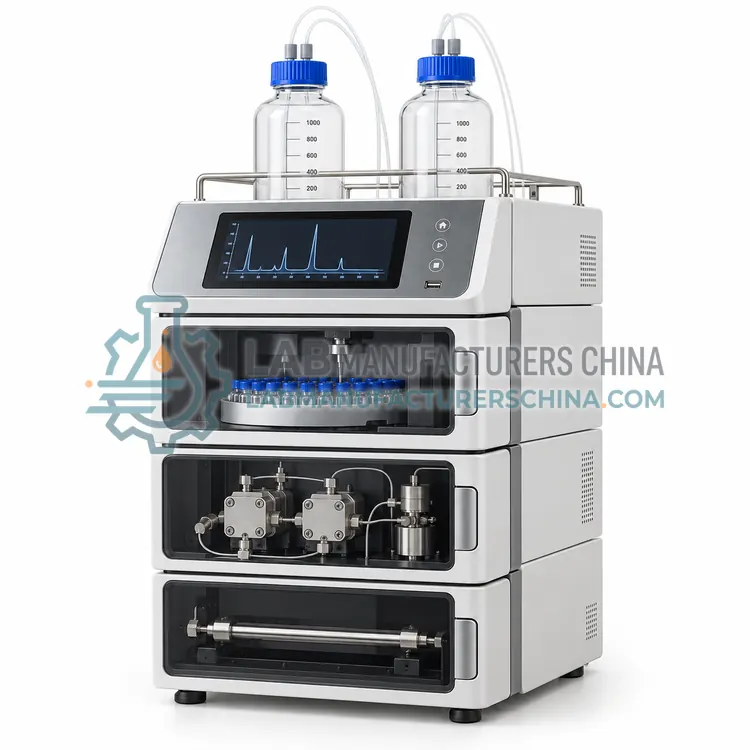
- HPL5 models
HPLC
高效液相色谱仪
HPLC, or high-performance liquid chromatography, separates dissolved compounds by pumping a liquid mobile phase through a packed column at pressures typically up to 400–600 bar. A detector quantifies each eluting component. Quality control, environmental, food, chemical and research laboratories use HPLC for assay, purity and impurity determination of non-volatile compounds.
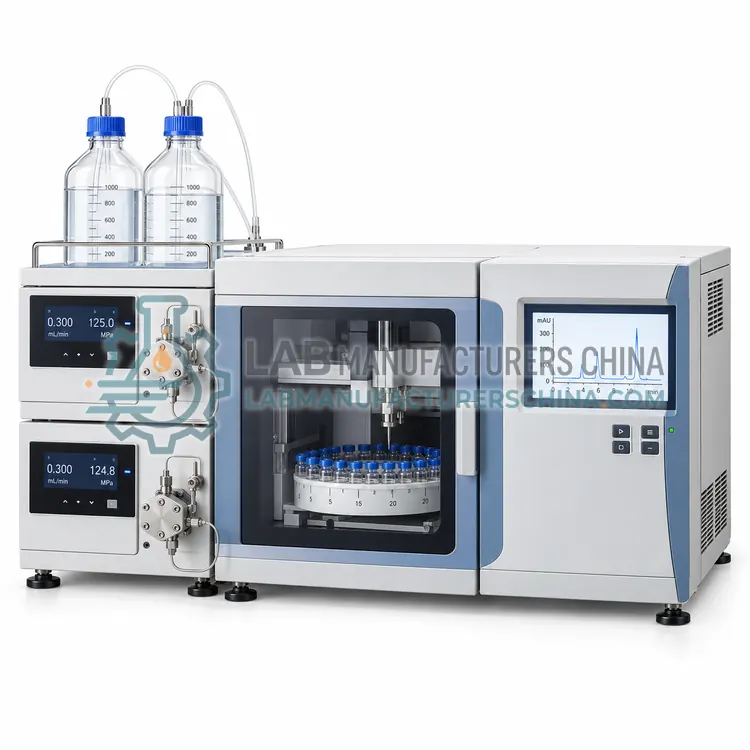
- UHP5 models
UHPLC
超高效液相色谱仪
UHPLC, or ultra-high-performance liquid chromatography, uses columns packed with sub-2 µm particles and pumps rated at 600–1300 bar to deliver faster runs and higher resolution than conventional HPLC. It is used in pharmaceutical, food, environmental and bioanalytical laboratories that need high throughput, low solvent use and sharper peaks.
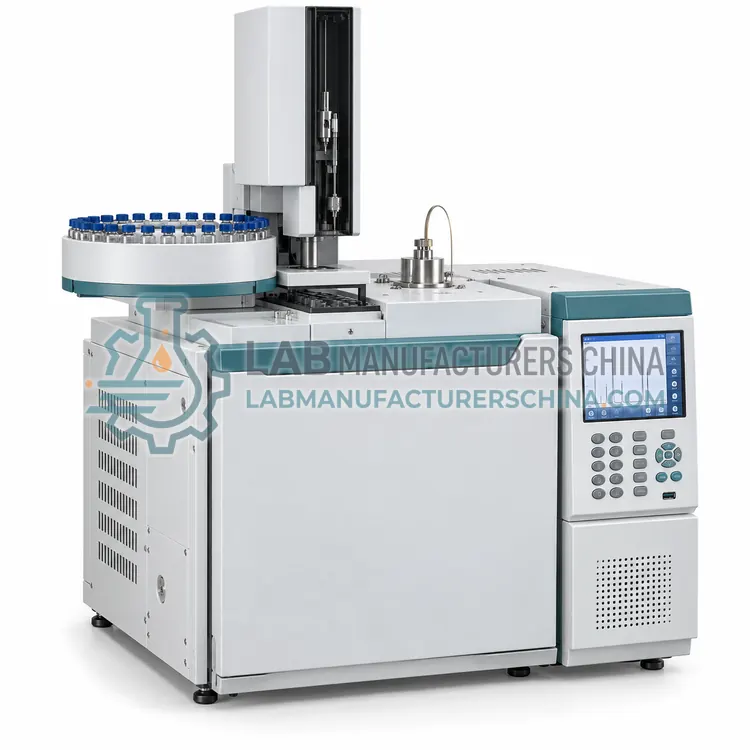
- GAC5 models
Gas Chromatography
气相色谱仪
Gas chromatography vaporizes a sample and carries it with an inert gas through a heated column, separating volatile and semi-volatile compounds by boiling point and stationary-phase interaction. A detector such as FID, TCD or ECD quantifies each component. It is used in petrochemical, environmental, food, forensic and pharmaceutical laboratories.
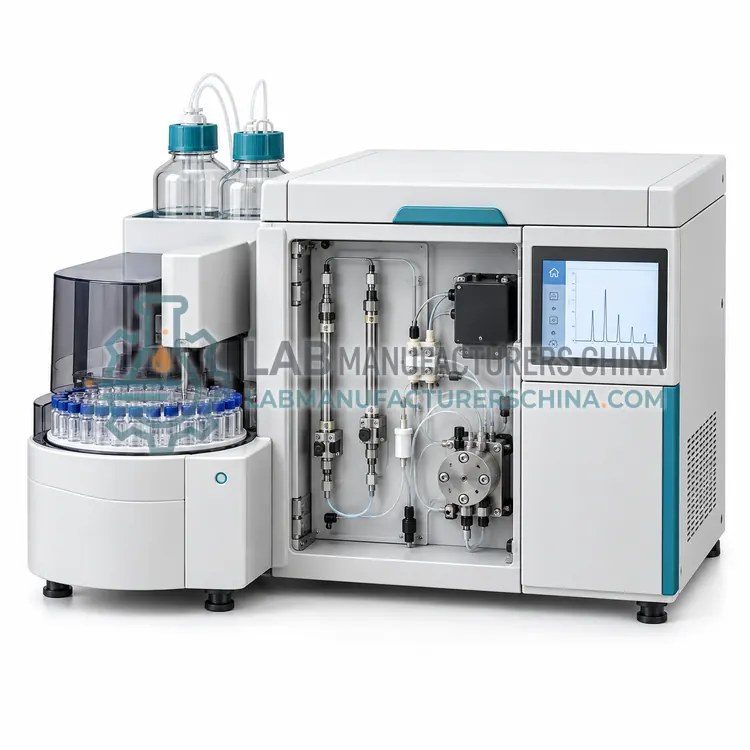
- IOC5 models
Ion Chromatography
离子色谱仪
Ion chromatography separates ions and polar molecules on ion-exchange columns and detects them, most often by suppressed conductivity. It quantifies anions such as chloride, nitrate and sulfate, cations such as sodium and ammonium, and organic acids at µg/L to mg/L levels in water, food, pharmaceutical, power and semiconductor samples.
- FLC5 models
Flash Chromatography
快速制备色谱仪
Flash chromatography is a medium-pressure preparative technique that purifies gram-scale mixtures on disposable silica or bonded-phase cartridges using a gradient pump and UV or ELSD detection to trigger fraction collection. Synthetic, medicinal and natural-product chemists use it to isolate reaction products and intermediates quickly before characterization.
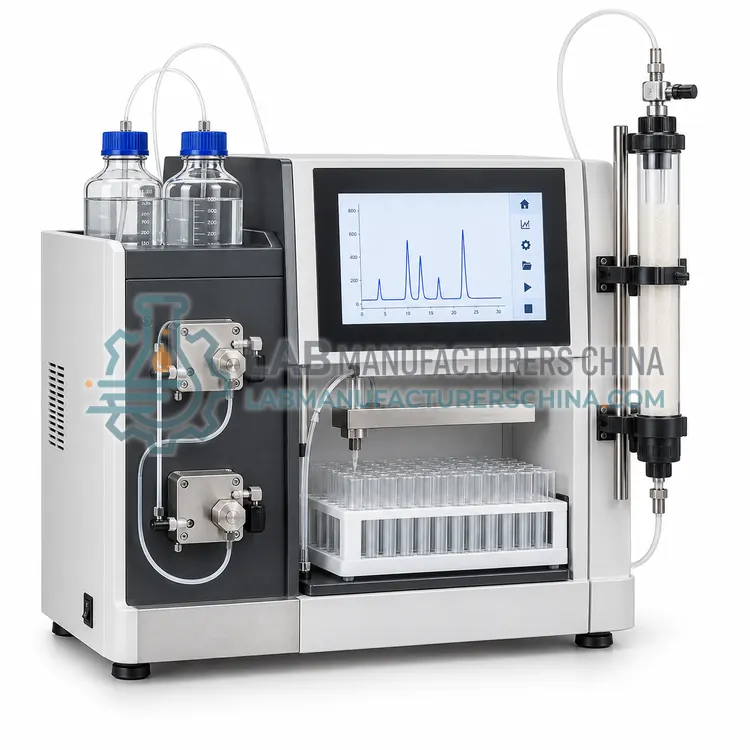
What are Chromatography Instruments?
Chromatography instruments are analytical and preparative systems that resolve complex mixtures into individual components so each can be identified and measured. A sample is introduced into a flowing mobile phase, either a liquid or a gas, that carries it through a column packed with or coated by a stationary phase. Components that interact more strongly with the stationary phase move more slowly, producing different retention times. A detector at the column outlet converts each eluting band into an electrical signal, and data software integrates peak areas for quantitation against calibration standards. Liquid-based techniques handle non-volatile, polar or thermally labile compounds, while gas chromatography suits volatile and semi-volatile analytes. Ion chromatography targets inorganic and organic ions, and flash chromatography is used to purify gram-scale quantities of synthetic products. Together these techniques underpin purity testing, residue analysis, stability studies and method development.
How do Chromatography Instruments work?
Separation depends on differential partitioning or adsorption of analytes between the mobile and stationary phases. In liquid chromatography, a high-pressure pump delivers solvent at a controlled flow rate, an autosampler injects a measured volume, and a column oven holds temperature constant for reproducible retention. Modes include reversed-phase, normal-phase, ion-exchange, size-exclusion and HILIC. In gas chromatography, an inlet vaporizes the sample, carrier gas moves it through a capillary column, and an oven temperature program elutes analytes by boiling point and polarity. Ion chromatography uses ion-exchange columns, an eluent generator or manual eluent, and usually suppressed conductivity detection. Common detectors include UV-Vis and diode-array, fluorescence, refractive index, charged aerosol, flame ionization, thermal conductivity, electron capture and mass spectrometers. Flash systems apply moderate pressure across disposable silica or bonded-phase cartridges with gradient pumps and UV or ELSD triggering for fraction collection.
Where are Chromatography Instruments used?
Chromatography is used wherever a mixture must be resolved and quantified. Pharmaceutical laboratories run assay, related-substances, dissolution and residual-solvent tests for release and stability programs. Environmental laboratories measure pesticides, volatile organic compounds, PAHs and anions in water, soil and air. Food and beverage testing covers vitamins, sugars, mycotoxins, additives, preservatives and pesticide residues. Petrochemical and chemical producers use gas chromatography for purity, hydrocarbon distribution and impurity profiling. Power and semiconductor plants monitor trace anions and cations in ultrapure water by ion chromatography. Clinical and forensic laboratories screen drugs and metabolites, and academic and medicinal chemistry groups use flash chromatography to purify reaction products before characterization. Method selection follows analyte volatility, polarity, ionic character, concentration range and the regulatory framework that governs the reported result.
Which standards apply to Chromatography Instruments?
Chromatographic methods and instrument qualification are governed by pharmacopoeial and standards-body documents. USP <621> and Ph. Eur. 2.2.46 define system suitability and permitted adjustments for liquid and gas chromatography, while USP <1058> and GAMP 5 guide analytical instrument qualification. Electronic records on data systems are assessed against 21 CFR Part 11 and EU Annex 11. Environmental methods include US EPA Methods 300.1 for anions by ion chromatography, 8260 and 8270 for volatile and semivolatile organics, and ISO 10304-1 for anions in water. Electrical safety follows IEC 61010-1. Chinese pharmacopoeia general chapters 0512 and 0521 cover HPLC and gas chromatography. Laboratories seeking accreditation typically operate to ISO/IEC 17025 and validate methods to ICH Q2(R2).
How do I select the right chromatography equipment?
Start with the analyte. Volatile and thermally stable compounds point to gas chromatography; non-volatile, polar or thermally labile compounds point to HPLC or UHPLC; small inorganic or organic ions in aqueous matrices point to ion chromatography; gram-scale purification of synthesis products points to flash chromatography. Next define throughput and resolution needs: UHPLC delivers shorter runs at pressures up to 1000 bar or more, but requires low-dispersion plumbing and fine-particle columns. Then choose detectors to match sensitivity and selectivity, and confirm whether a mass spectrometer will be added later. Check regulatory needs such as 21 CFR Part 11 data integrity, audit trails and IQ/OQ support. Finally compare autosampler capacity, carrier or solvent consumption, column compatibility, service access, consumables availability and software validation documentation in the request for quotation.
Chromatography Instruments comparison
| Subcategory | Principle | Typical use | Key spec |
|---|---|---|---|
| HPLC | Liquid mobile phase on packed 3–5 µm columns | Assay and impurity testing of non-volatile compounds | Up to 400–600 bar |
| UHPLC | Liquid mobile phase on sub-2 µm particles | Fast, high-resolution separations | Up to 1000–1300 bar |
| Gas Chromatography | Gas mobile phase, capillary column, oven program | Volatile and semi-volatile compounds | Oven up to 450 °C |
| Ion Chromatography | Ion exchange with suppressed conductivity | Anions and cations in water and process samples | Detection down to µg/L |
| Flash Chromatography | Medium-pressure gradient on disposable cartridges | Purification of synthetic products | Up to 20 bar (300 psi) |
Frequently asked questions about Chromatography Instruments
HPLC uses a liquid mobile phase at room or moderate temperature and suits non-volatile, polar or thermally labile compounds. Gas chromatography uses a gas mobile phase and a heated oven, so it suits volatile and semi-volatile compounds that remain stable when vaporized. Sample type, not preference, usually decides which technique applies.
Choose UHPLC when you need faster runs, higher resolution or lower solvent use, and your methods can use sub-2 µm particles at pressures above 600 bar. Choose conventional HPLC when you must run legacy pharmacopoeial methods unchanged on 3–5 µm columns or have limited budget for low-dispersion fittings.
A UV or diode-array detector covers most compounds with chromophores. Fluorescence improves sensitivity for derivatized or naturally fluorescent analytes. Refractive index and charged aerosol or evaporative light scattering detectors handle compounds without chromophores such as sugars. A mass spectrometer adds identification and trace-level selectivity.
Ion chromatography separates and quantifies inorganic and low-molecular-weight organic ions such as chloride, nitrate, sulfate, sodium and ammonium in aqueous samples. It is used for drinking and wastewater compliance, power-plant water, semiconductor rinse water, food and pharmaceutical ion testing, typically with suppressed conductivity detection.
Regulated laboratories typically apply 21 CFR Part 11 and EU Annex 11 to electronic records, requiring user access control, audit trails and electronic signatures. Instrument qualification follows USP <1058>, and system suitability follows USP <621> or Ph. Eur. 2.2.46. Requirements depend on the market the product is released into.
There is no fixed interval. Replace columns when system suitability fails, for example when plate count, tailing factor or resolution falls outside criteria, or when backpressure rises persistently. Pump seals, lamps, septa, liners and guard columns follow manufacturer maintenance schedules and actual sample load.
Related categories
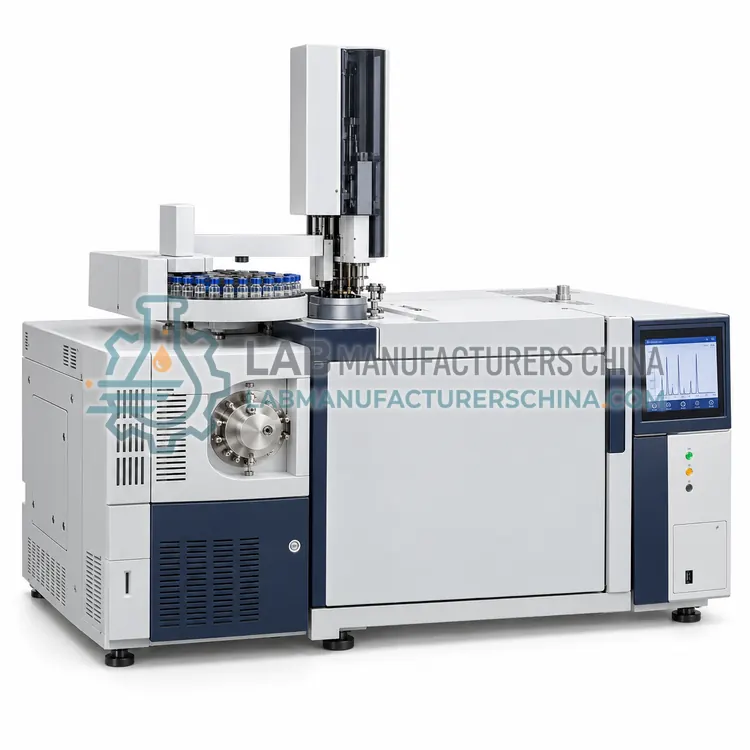 CMSI质谱仪器Mass spectrometry instruments ionize molecules or atoms, separate the ions by mass-to-charge ratio and detect them to identify and quantify compounds. The category covers GC-MS, LC-MS, ICP-MS, TOF and triple quadrupole systems used in pharmaceutical, clinical, food, environmental and materials laboratories.
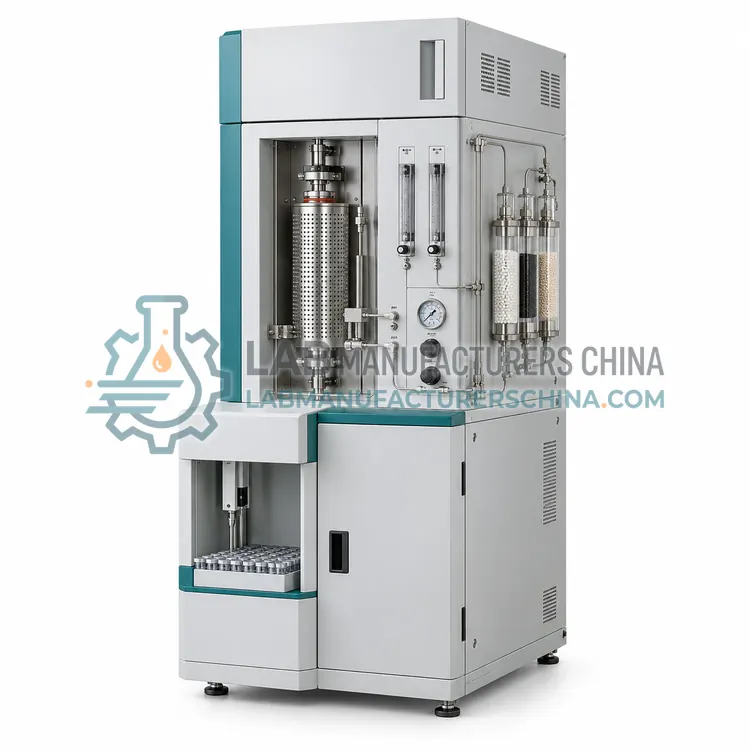 CEAI元素分析仪器Elemental analysis instruments determine the mass fraction of elements such as carbon, hydrogen, nitrogen, sulfur, oxygen and total organic carbon in solids, liquids and gases. The category covers CHNS, carbon-sulfur, oxygen-nitrogen-hydrogen and TOC analyzers used in chemistry, metallurgy, environmental and materials laboratories.
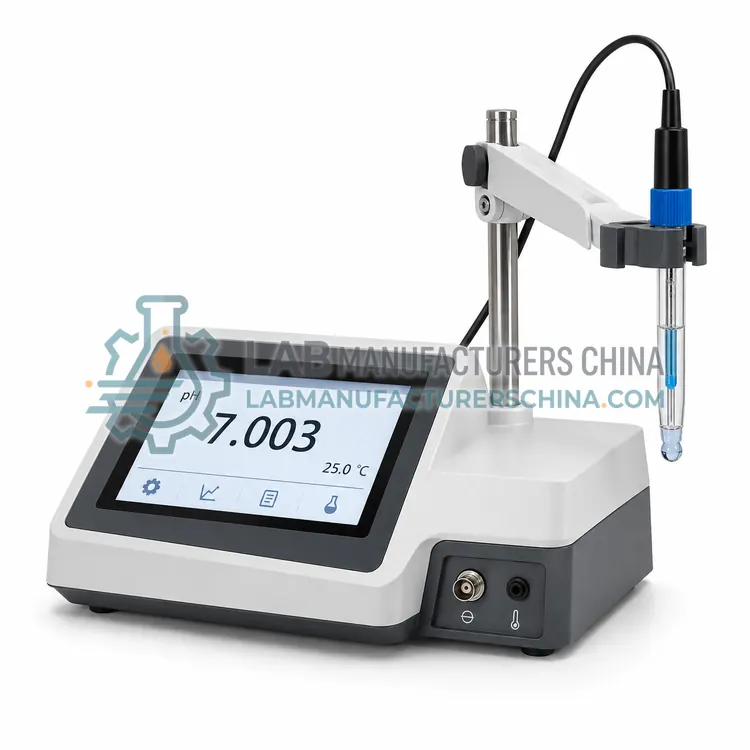 CELI电化学仪器Electrochemistry instruments measure electrical properties of solutions and electrode interfaces, including pH, conductivity, redox potential, ion activity, dissolved oxygen and current-potential behavior. The category covers pH, conductivity, ORP, ion and dissolved oxygen meters and potentiostats for water, process, pharmaceutical and battery laboratories.
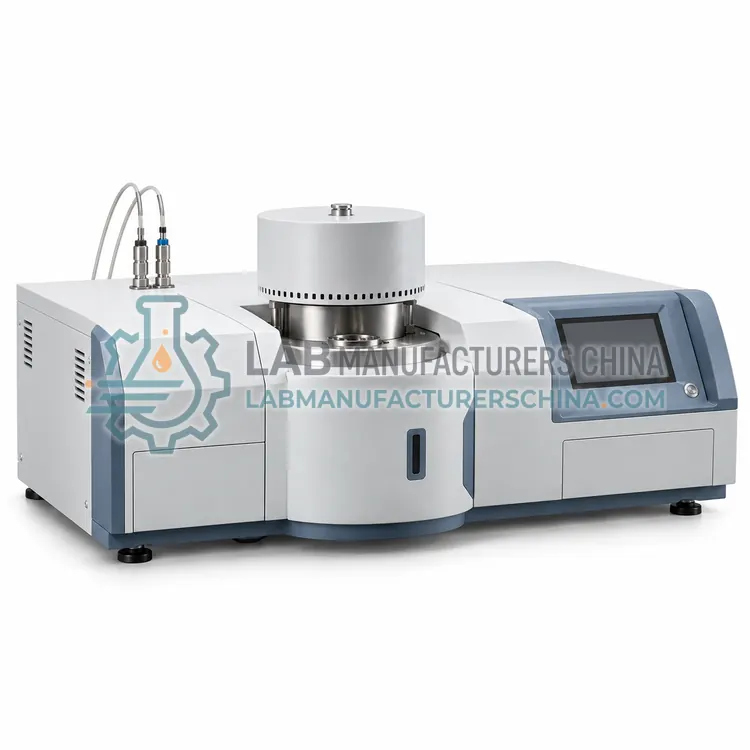 CTAI热分析仪器Thermal analysis instruments measure how a material's physical or chemical properties change with temperature or time under a controlled program. The category covers DSC, TGA, DTA, TMA, DMA and simultaneous thermal analyzers used for polymers, pharmaceuticals, ceramics, metals and energy materials.