
Elemental Analysis Instruments
元素分析仪器
CEAI · Analytical & Instrumentation · 5 product types · 25 models
By Lab Manufacturers China Technical TeamLast reviewed
What are Elemental Analysis Instruments?
Elemental analysis instruments determine the mass fraction of elements such as carbon, hydrogen, nitrogen, sulfur, oxygen and total organic carbon in solids, liquids and gases. The category covers CHNS, carbon-sulfur, oxygen-nitrogen-hydrogen and TOC analyzers used in chemistry, metallurgy, environmental and materials laboratories.
5 product types in Elemental Analysis Instruments
The 5 product types below are grouped by the exact instrument you need.
- CHA5 models
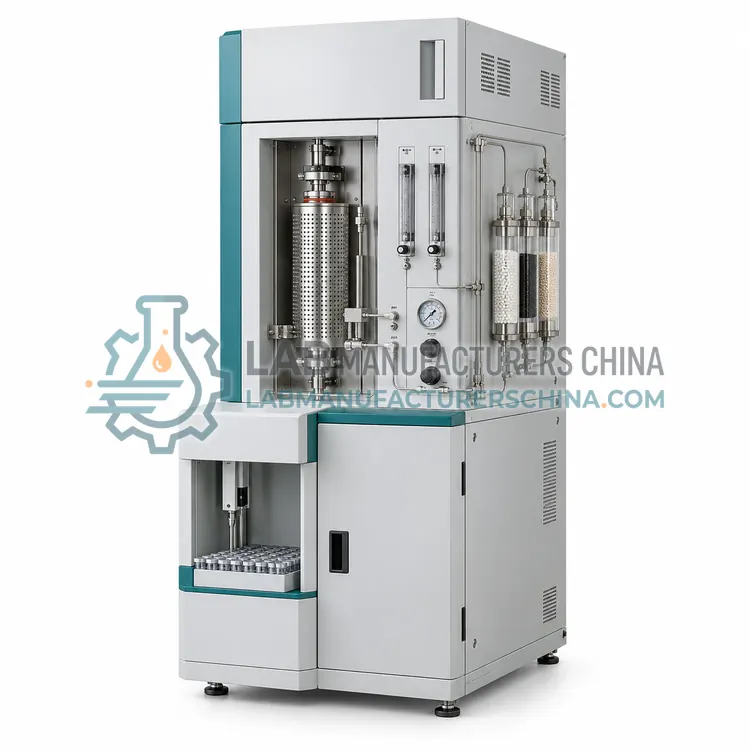
CHNS Analyzers
CHNS 分析仪
A CHNS analyzer determines the mass percentages of carbon, hydrogen, nitrogen, and sulfur in organic and many inorganic samples by dynamic flash combustion. Chemists, pharmaceutical QC laboratories, polymer and battery researchers, and food and fuel testers use it to confirm empirical formulas, verify purity, and report nitrogen-based protein content.
- CSA5 models
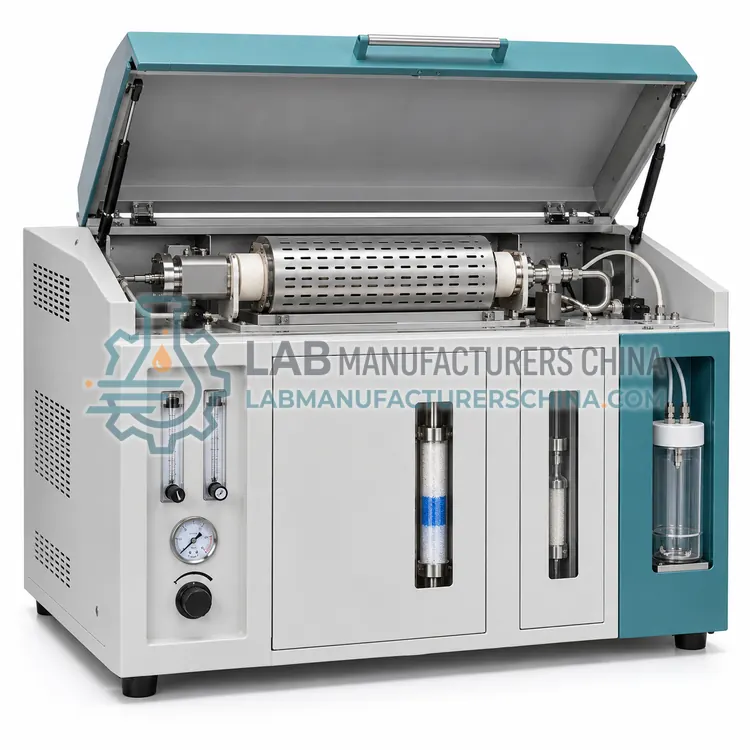
Carbon Sulfur Analyzers
碳硫分析仪
A carbon sulfur analyzer measures total carbon and sulfur in metals, ores, cement, ceramics, and other inorganic solids by combusting the sample in oxygen and detecting CO2 and SO2 with infrared cells. Steel mills, foundries, mining and cement laboratories, and materials researchers use it for routine composition control.
- ONH5 models
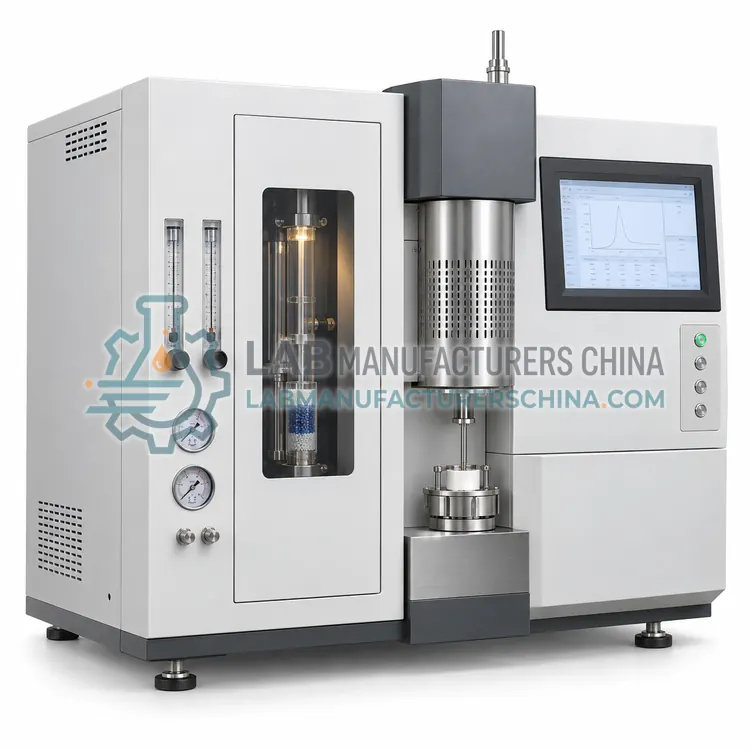
Oxygen Nitrogen Hydrogen Analyzers
氧氮氢分析仪
An oxygen nitrogen hydrogen analyzer determines trace O, N, and H in metals, alloys, ceramics, and refractory materials by inert gas fusion. Steel, titanium, and aerospace laboratories, powder metallurgy producers, and ceramics and semiconductor researchers use it to control gas content that affects strength, ductility, and embrittlement.
- TOA5 models
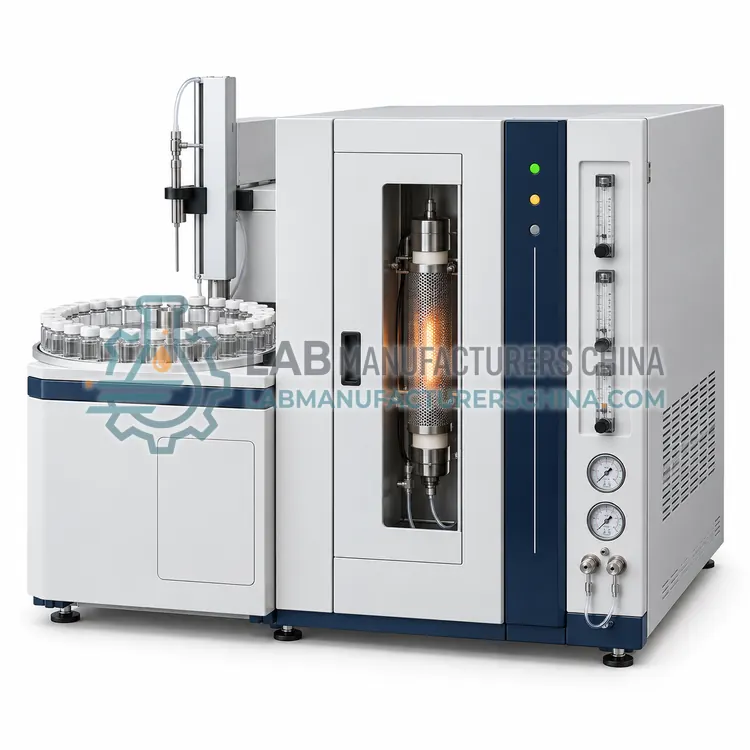
TOC Analyzers
TOC 分析仪
A TOC analyzer in an elemental analysis context quantifies organic carbon by oxidizing it to CO2 and detecting the gas by non-dispersive infrared absorption, with total nitrogen as an optional channel. Environmental, materials, and process laboratories use it to measure carbon in liquids and, with solid modules, in soils and sediments.
- ELA5 models
Elemental Analyzers
元素分析仪
An elemental analyzer determines the total content of specific elements in a sample, typically C, H, N, S, O, and halogens, by converting them to simple gases or ions and detecting them. Organic chemistry, metallurgy, petroleum, and environmental laboratories use different platforms depending on matrix and element.
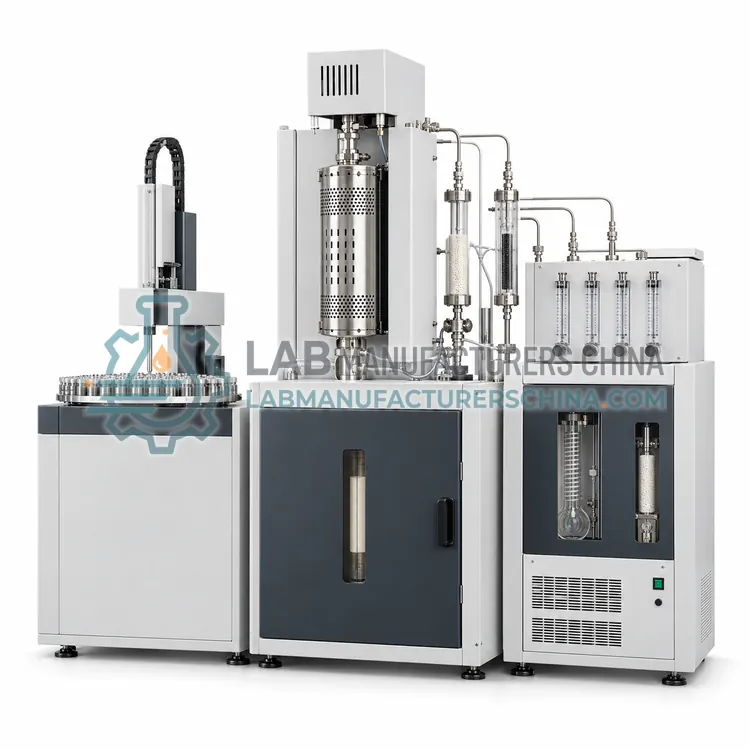
What are Elemental Analysis Instruments?
Elemental analysis instruments measure how much of a given element is present in a sample, usually reported as a mass percentage or a concentration. Unlike spectroscopic techniques that identify an element by its spectrum in a plasma, these analyzers typically convert the element to a simple gas and measure it with a dedicated detector. Organic elemental analysis for carbon, hydrogen, nitrogen and sulfur confirms the empirical formula and purity of synthesized compounds. Carbon-sulfur analyzers serve metals, ores, cement and ceramics. Oxygen-nitrogen-hydrogen analyzers measure gases in steel, titanium and other alloys. TOC analyzers quantify organically bound carbon in water. Together these instruments support quality control of raw materials, verification of product composition and compliance with environmental and pharmaceutical limits. Sample sizes range from a few milligrams for CHNS work to several grams for metal analysis.
How do Elemental Analysis Instruments work?
Most organic elemental analyzers use dynamic flash combustion. A weighed sample in a tin capsule is dropped into a reactor at about 950 to 1150 degrees Celsius with a pulse of oxygen, converting carbon to CO2, hydrogen to H2O, nitrogen to N2 and sulfur to SO2. After reduction of nitrogen oxides over copper, the gases are separated by a chromatographic column or by adsorption traps and quantified with a thermal conductivity detector. Carbon-sulfur analyzers burn metals in an induction furnace in oxygen and measure CO2 and SO2 by non-dispersive infrared cells. Oxygen, nitrogen and hydrogen analyzers use inert-gas fusion in a graphite crucible at up to 2500 degrees Celsius, with infrared detection of CO2 and thermal conductivity detection of N2 and H2. TOC analyzers oxidize organic carbon by high-temperature catalytic combustion or by UV-persulfate and measure the CO2 formed, after removing inorganic carbon.
Where are Elemental Analysis Instruments used?
Elemental analyzers are used for routine composition and purity checks across many industries. Synthetic chemistry and pharmaceutical laboratories use CHNS analysis to confirm the formula of new compounds and intermediates, often with an acceptance tolerance of 0.4% absolute. Metal producers and foundries depend on carbon-sulfur and oxygen-nitrogen-hydrogen analyzers to certify steel, cast iron, titanium and nickel alloys. Cement, ceramics and mining laboratories measure carbon and sulfur in raw materials and ores. Environmental and water utilities track TOC as a bulk indicator of organic contamination, while pharmaceutical producers monitor purified water. Agricultural and food laboratories determine nitrogen for protein calculation and carbon in soils. Energy laboratories analyze coal, coke, biomass and petroleum products for carbon, hydrogen, nitrogen and sulfur.
Which standards apply to Elemental Analysis Instruments?
Elemental analysis is supported by a large set of material-specific standards. ASTM E1019 covers carbon, sulfur, oxygen, nitrogen and hydrogen in steel and nickel alloys by combustion and fusion techniques. ASTM D5373 addresses carbon, hydrogen and nitrogen in coal and coke, and ASTM D5291 covers petroleum products. ISO 15350 and ISO 4935 describe carbon and sulfur in steel, and ISO 10694 covers organic carbon in soil. For water, ISO 8245 and EN 1484 define TOC determination, USP <643> defines TOC for pharmaceutical waters and Ph. Eur. 2.2.44 is the European counterpart. Equipment safety follows IEC 61010-1.
How do I select the right elemental analysis equipment?
Choose according to the element and the sample type. Use a CHNS analyzer for organic compounds, polymers, pharmaceuticals and biomass, and add an oxygen pyrolysis module if oxygen is needed. Use a carbon-sulfur analyzer with an induction furnace for metals, ores, cement and ceramics, where carbon and sulfur may range from ppm to several percent. Use an oxygen-nitrogen-hydrogen analyzer with an impulse furnace for gas content in steel, titanium and refractory metals. Use a TOC analyzer for aqueous samples, selecting the oxidation method and range by the expected carbon level. Compare sample throughput, autosampler capacity, detection limits, calibration standards, gas consumption and software features such as audit trails. Check that the analyzer supports the standards your customers require and plan for consumables such as combustion tubes, crucibles, reagents and scrubbers.
Elemental Analysis Instruments comparison
| Subcategory | Principle | Typical use | Key spec |
|---|---|---|---|
| CHNS Analyzers | Flash combustion with TCD detection | Organic compound formula confirmation | Sample 1–10 mg; furnace ~1000 °C |
| Carbon Sulfur Analyzers | Induction furnace combustion with infrared detection | Metals, ores, cement and ceramics | C and S from ppm to several % |
| Oxygen Nitrogen Hydrogen Analyzers | Inert gas fusion with IR and TCD detection | Gas content in steel, titanium and alloys | Furnace up to 2500 °C |
| TOC Analyzers | Combustion or UV oxidation with NDIR detection | Organic carbon in water and solid samples | Ranges from ppb to % carbon |
| Elemental Analyzers | Multi-element combustion and pyrolysis platforms | Routine composition of organics and energy materials | C, H, N, S, O in one platform |
Frequently asked questions about Elemental Analysis Instruments
An elemental analyzer determines the mass fraction of specific elements, commonly carbon, hydrogen, nitrogen, sulfur or oxygen, in a sample. It usually converts the element to a gas by combustion or fusion and measures it with a thermal conductivity or infrared detector.
CHNS analyzers burn milligram samples of organic materials and measure four elements at once for formula confirmation. Carbon-sulfur analyzers burn gram-sized metal or mineral samples in an induction furnace and measure carbon and sulfur by infrared, covering ppm to percent levels in inorganic materials.
For pure organic compounds, results are commonly expected to agree with theoretical values within 0.3 to 0.4% absolute, a criterion used by many journals. Accuracy depends on sample homogeneity, weighing precision, calibration standards such as acetanilide and proper blank correction.
ISO 15350 describes infrared absorption after combustion in an induction furnace for carbon and sulfur in steel and iron, and ASTM E1019 covers multiple elements in steel and nickel alloys. Certified reference materials should be used for calibration and verification.
Typical consumables include tin or ceramic capsules and crucibles, combustion and reduction tubes, copper and oxidation catalysts, scrubber reagents, filters, carrier and combustion gases, and certified reference materials. Consumption rates depend on sample type and throughput.
Related categories
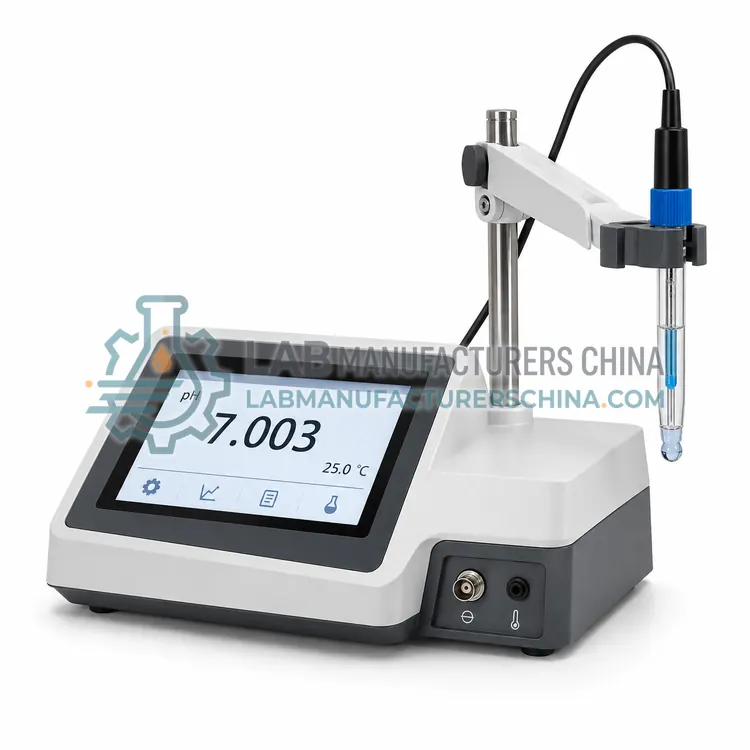 CELI电化学仪器Electrochemistry instruments measure electrical properties of solutions and electrode interfaces, including pH, conductivity, redox potential, ion activity, dissolved oxygen and current-potential behavior. The category covers pH, conductivity, ORP, ion and dissolved oxygen meters and potentiostats for water, process, pharmaceutical and battery laboratories.
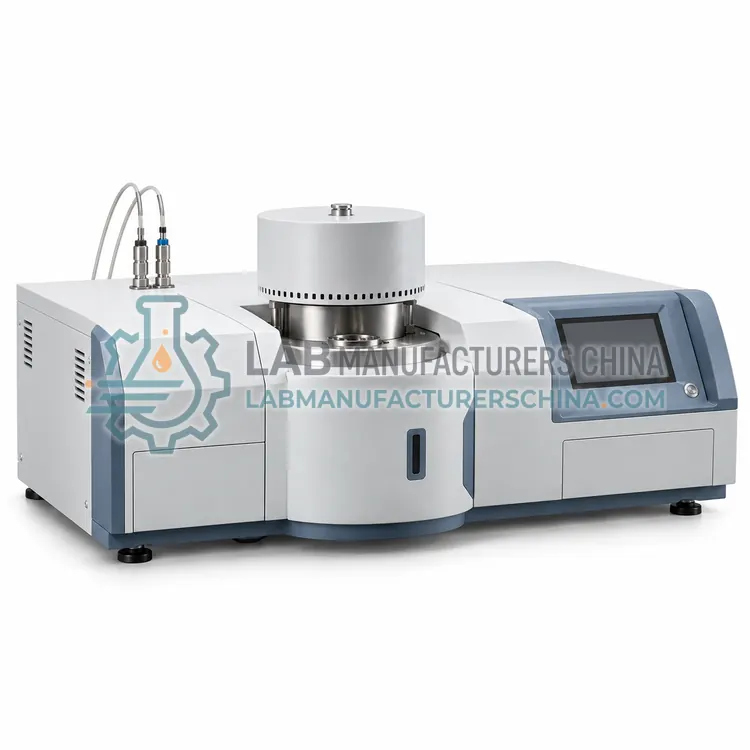 CTAI热分析仪器Thermal analysis instruments measure how a material's physical or chemical properties change with temperature or time under a controlled program. The category covers DSC, TGA, DTA, TMA, DMA and simultaneous thermal analyzers used for polymers, pharmaceuticals, ceramics, metals and energy materials.
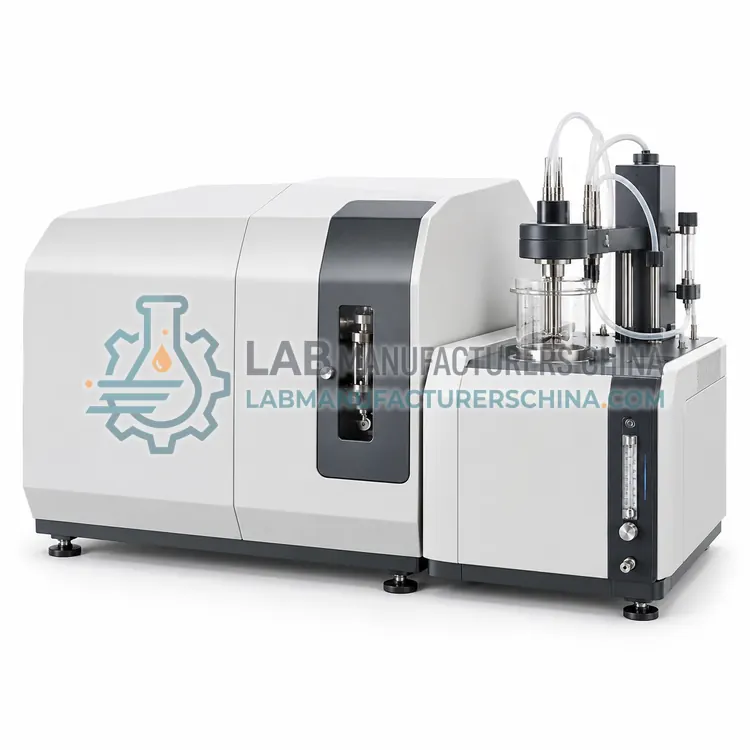 CPAI粒度分析仪器Particle analysis instruments measure the size, size distribution, surface charge and surface area of powders, suspensions and emulsions. The category includes laser and dynamic light scattering analyzers, zeta potential analyzers, sieve systems and gas-adsorption surface area analyzers used in pharmaceutical, battery, ceramics, pigment, mining and materials laboratories.
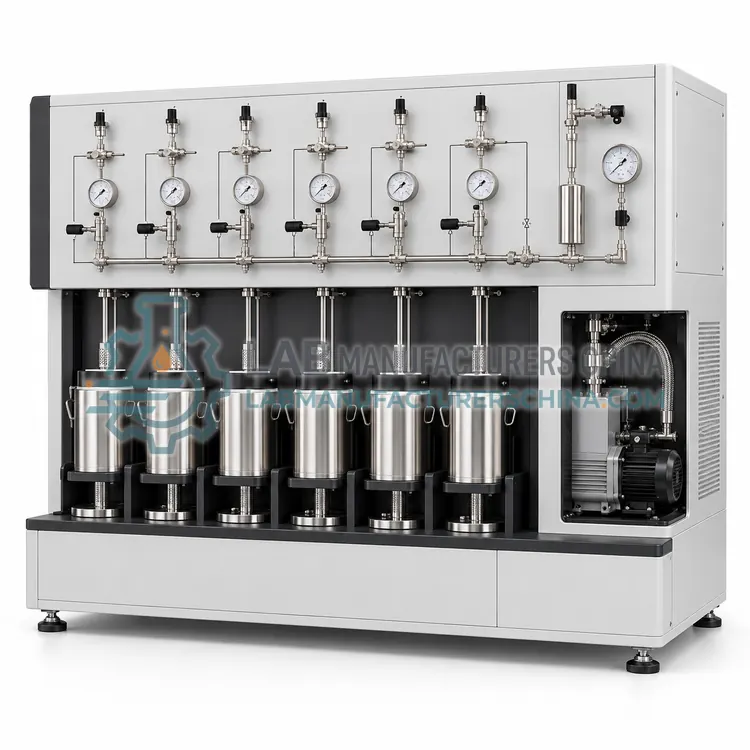 CSAI表面分析仪器Surface analysis instruments characterize the outermost layers and interfaces of solids and liquids. The category covers gas-sorption surface area analyzers, porosimeters, contact angle meters, surface profilometers and surface tension meters used in materials science, coatings, catalysts, polymers, batteries and semiconductor laboratories.