How do Oxygen Nitrogen Hydrogen Analyzers work?
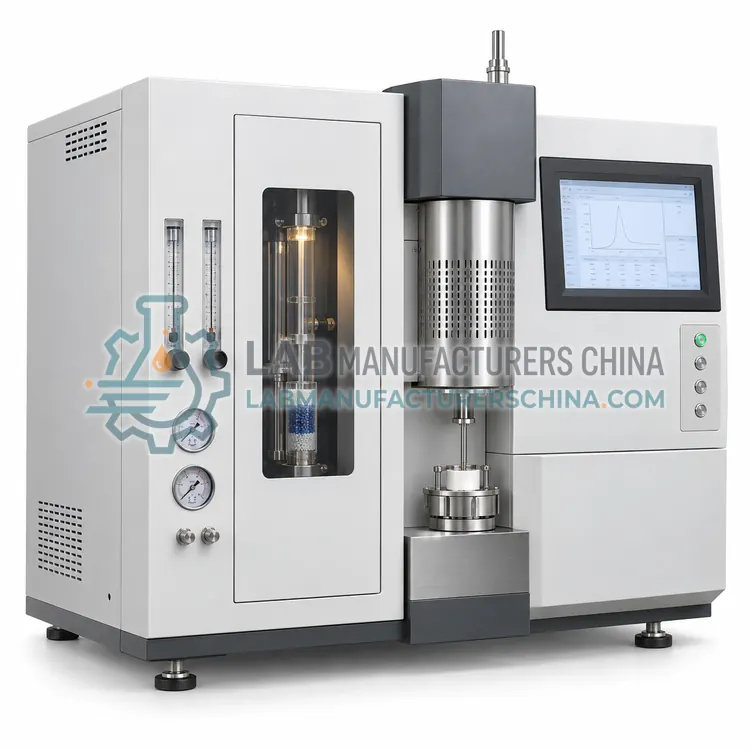
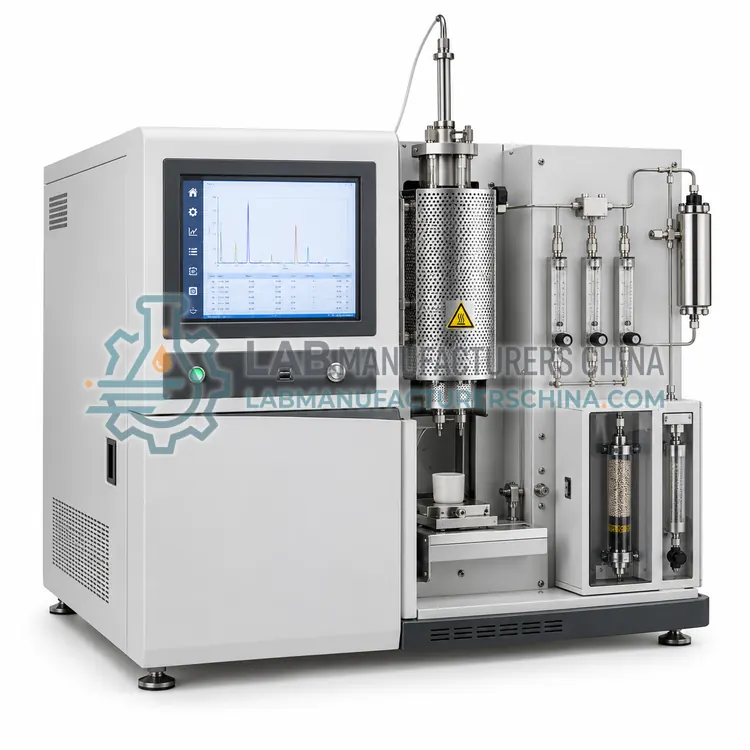
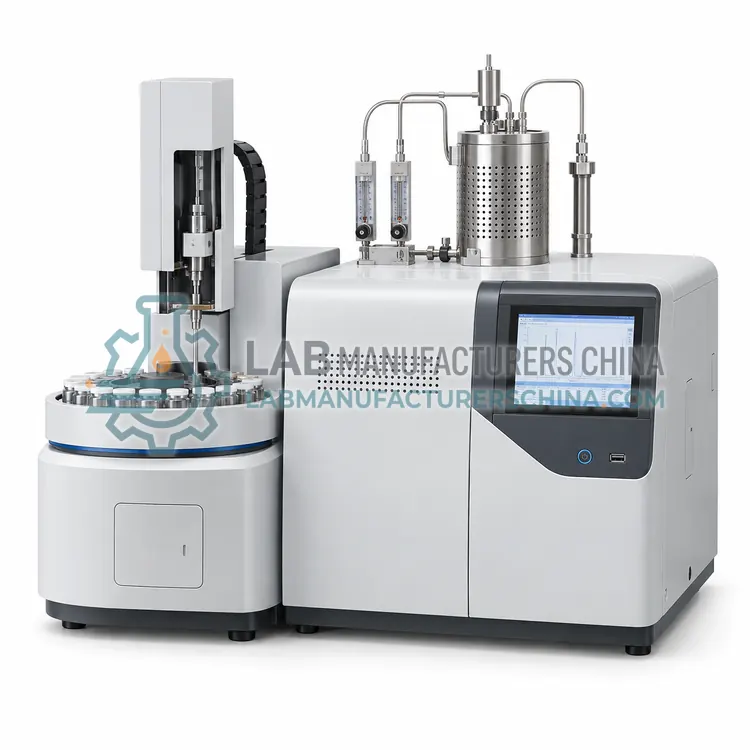
An oxygen nitrogen hydrogen analyzer places a sample of 0.1–1 g in a high-purity graphite crucible clamped between two electrodes in a sealed furnace flushed with helium or argon. A high current heats the crucible to 2000–3000 °C, melting the sample and releasing its gases. Oxygen reacts with graphite to form CO, nitrogen leaves as N2, and hydrogen as H2. CO and, after oxidation, CO2 are detected by non-dispersive infrared cells, while N2 and H2 are measured by a thermal conductivity cell after the gas stream passes rare earth copper oxide and absorbent traps. Hydrogen may be separated by a molecular sieve column. Results are calibrated against certified reference materials such as steel, titanium, and nickel alloys. Since gases are extracted from the bulk, the analysis gives total content, not surface contamination.
Which Oxygen Nitrogen Hydrogen Analyzers variants are available?
- Oxygen-Nitrogen Analyzer for Steel — An oxygen-nitrogen analyzer for steel uses an impulse furnace and infrared and thermal conductivity detection to measure total O and N in steels and iron alloys.
- Oxygen-Nitrogen-Hydrogen Analyzer for Titanium and Reactive Metals — An oxygen-nitrogen-hydrogen analyzer for titanium and reactive metals measures all three gases in titanium, zirconium, and their alloys, where small interstitial amounts alter mechanical performance.
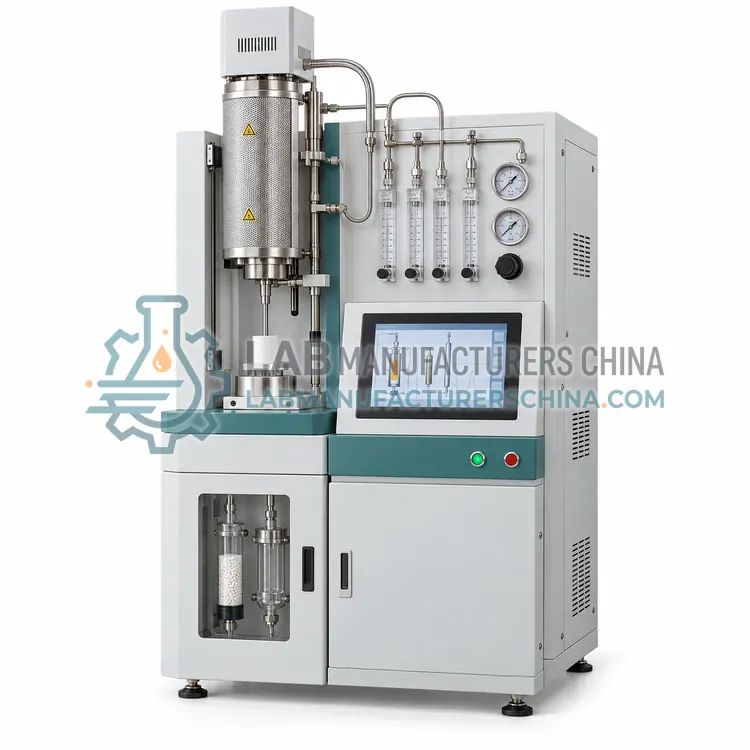
- Hydrogen Determinator for Steel and Weld Metal — A hydrogen determinator for steel and weld metal measures diffusible and total hydrogen at 0.1–100 ppm using a low-temperature furnace and thermal conductivity detection.
- Oxygen-Nitrogen-Hydrogen Analyzer for Ceramics and Refractory Materials — An oxygen-nitrogen-hydrogen analyzer for ceramics and refractory materials uses a high-power electrode furnace to decompose nitrides and oxides such as silicon nitride, aluminum nitride, and boron nitride.
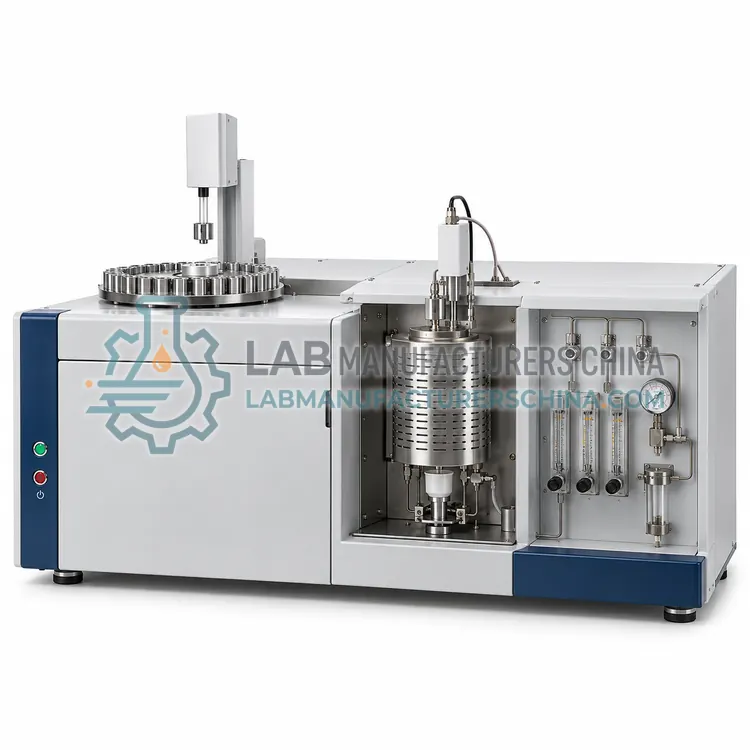
- Automated Oxygen-Nitrogen-Hydrogen Analyzer with Autosampler — An automated oxygen-nitrogen-hydrogen analyzer adds a 20–50 position autosampler with crucible handling to an impulse furnace.
How do I choose the right variant?
Decide which gases matter and in which matrices. Oxygen and nitrogen in steel and titanium require a standard impulse furnace, while hydrogen in steel at 0.5–10 ppm often calls for a dedicated hydrogen channel or a separate hydrogen analyzer with a thermal conductivity cell. For ceramics and refractory powders that release gas slowly, higher furnace power up to 5–8 kW and longer integration are needed. Specify expected ranges, because ppm-level oxygen needs low-range infrared cells and careful blank control. Consider sample geometry: pins and rods need a cutting station, whereas powders require tin or nickel capsules. Autosamplers with 20–50 positions and automatic crucible handling increase throughput. Check the availability of certified reference materials for your alloys and ask for detection limits, typically 0.05 ppm to 1 ppm, verified on matching materials.
Where are Oxygen Nitrogen Hydrogen Analyzers used?
Oxygen Nitrogen Hydrogen Analyzers are specified in steel cleanliness and gas content control, titanium and zirconium alloy qualification, hydrogen embrittlement investigation, powder metallurgy and additive manufacturing powders and ceramic and refractory material analysis.
Which standards and certifications apply?
Work with Oxygen Nitrogen Hydrogen Analyzers is commonly governed by ASTM E1409, ASTM E1447, ASTM E1019, ISO 10720, GB/T 11261, GB/T 20124 and IEC 61010-1. Instrument certifications such as CE marking are confirmed per configuration and never assumed.
What are the key considerations before purchase?
Hydrogen and oxygen results depend strongly on sample handling. Steel hydrogen specimens must be quenched in cold water and stored in liquid nitrogen or dry ice to prevent diffusion, and analyzed promptly. Oxygen and nitrogen samples are cleaned, dried, and handled with tongs. Use helium of at least 99.995% purity, regulated pneumatic gas, and cooling water at 15–25 °C. Crucible outgassing is performed before each run and furnace electrodes and dust filters need cleaning after a defined number of analyses, usually 30–100. Calibrate frequently with certified standards and check blanks daily. Installation requires fume extraction and adequate power, since the impulse furnace draws high current. Validate methods against ASTM E1409, ASTM E1447, and ISO 4295-type procedures.