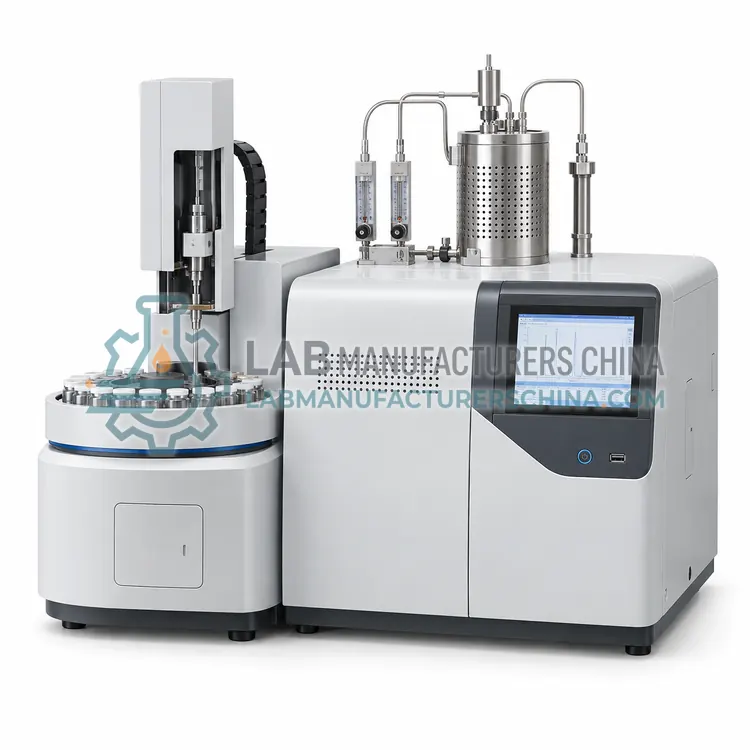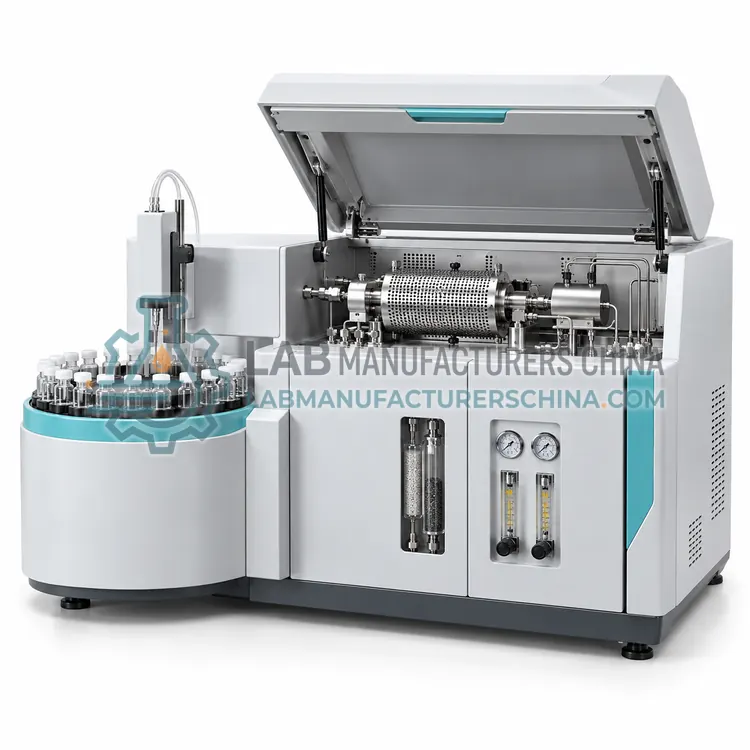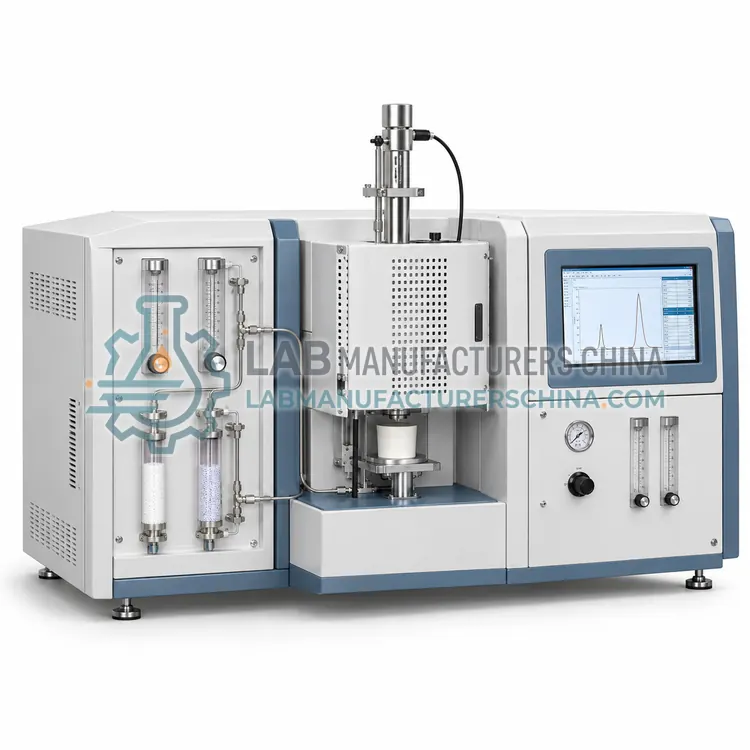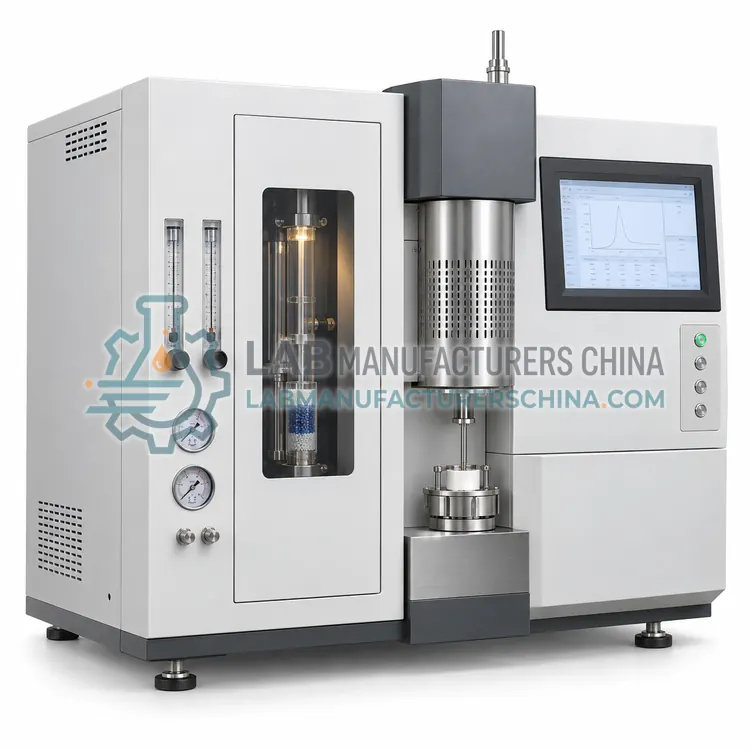
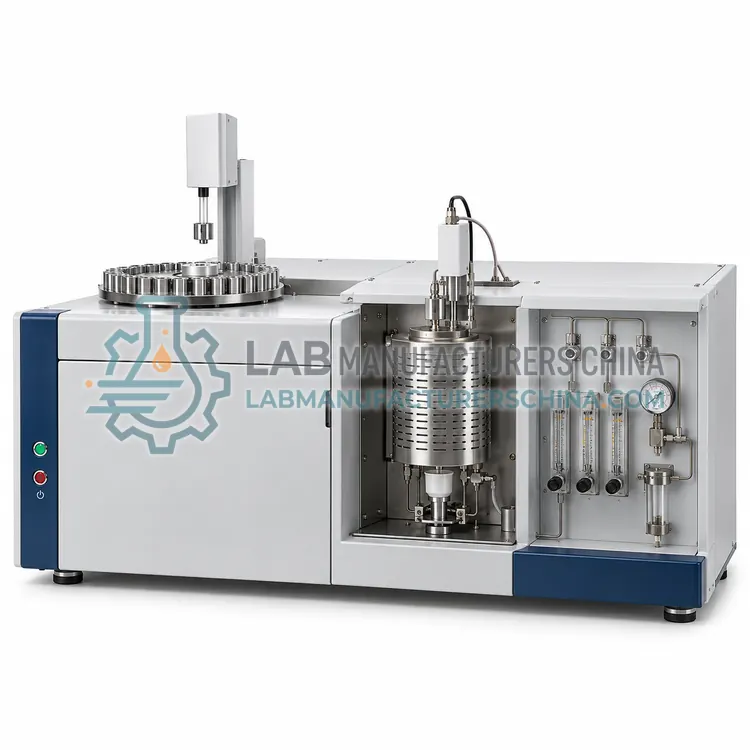
Oxygen-Nitrogen-Hydrogen Analyzer for Titanium and Reactive Metals
钛和活泼金属用氧氮氢分析仪
- SKU ONH-0002
- Oxygen Nitrogen Hydrogen Analyzers
- CE (to be confirmed)
- ISO 9001 manufacturing (to be confirmed)
Price on request — FOB / CIF quoted per order
Prices depend on configuration, quantity and destination port.
Key specifications
| Oxygen range | 0.05 ppm–5% |
|---|---|
| Nitrogen range | 0.05 ppm–3% |
| Hydrogen range | 0.05 ppm–0.5% |
| Sample mass | 0.05–0.2 g |
| Furnace temperature | Up to about 2800 °C |
| Oxygen precision (RSD) | ≤1.0% at 1000 ppm |
Request a quote Download brochure · to be provided
By Lab Manufacturers China Technical TeamLast reviewed Standards: ASTM E1409, ASTM E1447, ASTM E1019
What is the Oxygen-Nitrogen-Hydrogen Analyzer for Titanium and Reactive Metals?
An oxygen-nitrogen-hydrogen analyzer for titanium and reactive metals measures all three gases in titanium, zirconium, and their alloys, where small interstitial amounts alter mechanical performance. It follows ASTM E1409 and ASTM E1447 type procedures. Laboratories qualify aerospace titanium with it.
What is the Oxygen-Nitrogen-Hydrogen Analyzer for Titanium and Reactive Metals?
An oxygen-nitrogen-hydrogen analyzer for titanium and reactive metals measures all three gases in titanium, zirconium, and their alloys, where small interstitial amounts alter mechanical performance. It follows ASTM E1409 and ASTM E1447 type procedures. Laboratories qualify aerospace titanium with it.
Overview
This analyzer combines an impulse furnace with separate infrared channels for oxygen and dedicated thermal conductivity channels for nitrogen and hydrogen. Titanium samples of 0.05–0.2 g are fused with nickel baskets or tin flux to ensure complete dissolution and gas release at about 2500 °C. Hydrogen is released at lower temperature and measured on its own thermal conductivity cell, often after separation from nitrogen by a molecular sieve column, giving ranges of 0.1 ppm to 0.5% for hydrogen. Oxygen up to 5% and nitrogen up to 3% are covered. Because titanium sponge and powders react strongly, sample handling emphasizes dry, inert storage and rapid weighing. Method development typically uses certified titanium reference materials. Interstitial gas contents in aerospace titanium alloys are specification limits, so documentation of calibration and uncertainty is important.
How does it work?
An oxygen nitrogen hydrogen analyzer places a sample of 0.1–1 g in a high-purity graphite crucible clamped between two electrodes in a sealed furnace flushed with helium or argon. A high current heats the crucible to 2000–3000 °C, melting the sample and releasing its gases. Oxygen reacts with graphite to form CO, nitrogen leaves as N2, and hydrogen as H2. CO and, after oxidation, CO2 are detected by non-dispersive infrared cells, while N2 and H2 are measured by a thermal conductivity cell after the gas stream passes rare earth copper oxide and absorbent traps. Hydrogen may be separated by a molecular sieve column. Results are calibrated against certified reference materials such as steel, titanium, and nickel alloys. Since gases are extracted from the bulk, the analysis gives total content, not surface contamination.
What are the key features?
- Three independent detection channels measure O, N, and H in one sample sequence.
- Nickel basket or tin flux ensures complete fusion of refractory titanium samples.
- Molecular sieve separation resolves hydrogen from nitrogen in the thermal conductivity channel.
- Calibration set covers titanium, zirconium, and nickel alloy certified reference materials.
- Temperature-controlled furnace and stable gas flow maintain repeatability near ppm levels.
What are the technical specifications?
A typical oxygen-nitrogen-hydrogen analyzer for titanium and reactive metals configuration offers oxygen range of 0.05 ppm–5%, nitrogen range of 0.05 ppm–3%, hydrogen range of 0.05 ppm–0.5%, sample mass of 0.05–0.2 g, furnace temperature of Up to about 2800 °C and oxygen precision (RSD) of ≤1.0% at 1000 ppm. Values are indicative of the product class; the exact figures for each configuration are confirmed on the quotation and the calibration documents supplied with the instrument.
Which applications is it used for?
The Oxygen-Nitrogen-Hydrogen Analyzer for Titanium and Reactive Metals is used in aerospace titanium alloy certification, zirconium nuclear-grade material testing, titanium sponge and powder acceptance and medical implant alloy verification. Across the wider Oxygen Nitrogen Hydrogen Analyzers class, laboratories also deploy it for steel cleanliness and gas content control, titanium and zirconium alloy qualification and hydrogen embrittlement investigation.
Which standards and certifications apply?
Relevant standards and methods include ASTM E1409, ASTM E1447, ASTM E1019, ISO 10720, GB/T 11261, GB/T 20124 and IEC 61010-1. Certification candidates for this model are CE and ISO 9001 manufacturing; each is to be confirmed for the specific configuration before shipment, and certificates are supplied only where they have been issued.
Hydrogen and oxygen results depend strongly on sample handling. Steel hydrogen specimens must be quenched in cold water and stored in liquid nitrogen or dry ice to prevent diffusion, and analyzed promptly. Oxygen and nitrogen samples are cleaned, dried, and handled with tongs. Use helium of at least 99.995% purity, regulated pneumatic gas, and cooling water at 15–25 °C. Crucible outgassing is performed before each run and furnace electrodes and dust filters need cleaning after a defined number of analyses, usually 30–100. Calibrate frequently with certified standards and check blanks daily. Installation requires fume extraction and adequate power, since the impulse furnace draws high current. Validate methods against ASTM E1409, ASTM E1447, and ISO 4295-type procedures.
How do I select the right Oxygen-Nitrogen-Hydrogen Analyzer for Titanium and Reactive Metals?
Select this variant for titanium, zirconium, hafnium, and their alloys where oxygen, nitrogen, and hydrogen all appear in specifications. Request certified reference materials and uncertainty data. In an RFQ, define gas ranges, sample forms, flux requirements, and ASTM E1409 or E1447 method support. Confirm detection limits.
How does it compare with other Oxygen Nitrogen Hydrogen Analyzers variants?
Decide which gases matter and in which matrices. Oxygen and nitrogen in steel and titanium require a standard impulse furnace, while hydrogen in steel at 0.5–10 ppm often calls for a dedicated hydrogen channel or a separate hydrogen analyzer with a thermal conductivity cell. For ceramics and refractory powders that release gas slowly, higher furnace power up to 5–8 kW and longer integration are needed. Specify expected ranges, because ppm-level oxygen needs low-range infrared cells and careful blank control. Consider sample geometry: pins and rods need a cutting station, whereas powders require tin or nickel capsules. Autosamplers with 20–50 positions and automatic crucible handling increase throughput. Check the availability of certified reference materials for your alloys and ask for detection limits, typically 0.05 ppm to 1 ppm, verified on matching materials.
Full specifications
| Oxygen range | 0.05 ppm–5% |
|---|---|
| Nitrogen range | 0.05 ppm–3% |
| Hydrogen range | 0.05 ppm–0.5% |
| Sample mass | 0.05–0.2 g |
| Furnace temperature | Up to about 2800 °C |
| Oxygen precision (RSD) | ≤1.0% at 1000 ppm |
| Hydrogen precision (RSD) | ≤2.0% at 50 ppm |
| Analysis time | 90–150 s |
| Carrier gas | Helium or argon, ≥99.995% |
| Detectors | Infrared (O) and thermal conductivity (N, H) |
Indicative values for this product class. Final specifications are confirmed on the quotation and in the calibration documents supplied with the instrument.
Applications
- Aerospace titanium alloy certification
- Zirconium nuclear-grade material testing
- Titanium sponge and powder acceptance
- Medical implant alloy verification
Key features
- Three independent detection channels measure O, N, and H in one sample sequence.
- Nickel basket or tin flux ensures complete fusion of refractory titanium samples.
- Molecular sieve separation resolves hydrogen from nitrogen in the thermal conductivity channel.
- Calibration set covers titanium, zirconium, and nickel alloy certified reference materials.
- Temperature-controlled furnace and stable gas flow maintain repeatability near ppm levels.
Frequently asked questions about Oxygen-Nitrogen-Hydrogen Analyzer for Titanium and Reactive Metals
Titanium melts at about 1668 °C but forms stable oxides and nitrides, so a nickel basket or tin flux lowers the melting point of the mixture and promotes quantitative release of gases. Flux and basket blanks must be measured and subtracted.
ASTM E1409 describes oxygen and nitrogen in titanium and titanium alloys by inert gas fusion, and ASTM E1447 covers hydrogen in titanium and alloys by inert gas fusion with thermal conductivity detection. Acceptance limits come from the alloy specification.
Store in a desiccator or sealed container, minimize air exposure, and weigh quickly. Powders and sponge absorb oxygen and moisture, so specimens should be analyzed soon after preparation, and handling records help explain anomalies in results.
It is a technique in which a metal or ceramic sample is melted in a graphite crucible under helium or argon at 2000–3000 °C. Released oxygen forms CO, while nitrogen and hydrogen escape as N2 and H2, and each gas is detected to give total content.
Hydrogen dissolved in steel diffuses to defects and causes embrittlement, cracking, and delayed fracture, even at single-digit ppm levels. Measuring hydrogen after melting, welding, or plating helps manufacturers verify that specifications and baking treatments were effective.
Typically 0.1–1 g for metals, often as pins, chips, or cut pieces weighed to 0.1 mg. Powders are wrapped in tin or nickel capsules. Smaller masses are used for high-oxygen samples, while larger masses improve precision at sub-ppm levels.
Related models
Oxygen-Nitrogen-Hydrogen Analyzer for Ceramics and Refractory Materials
陶瓷和耐火材料用氧氮氢分析仪
- CE (to be confirmed)
- +1