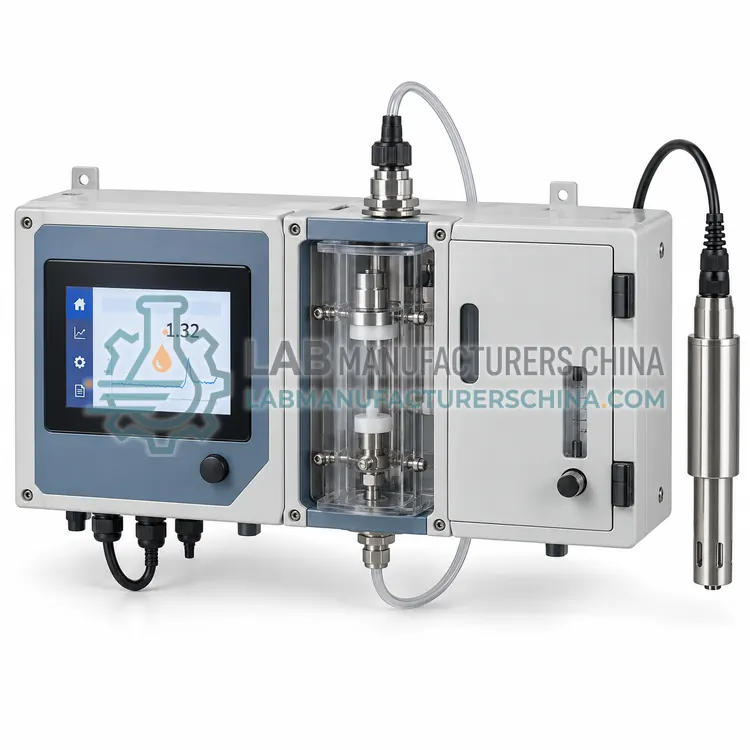
How do TOC Analyzers work?
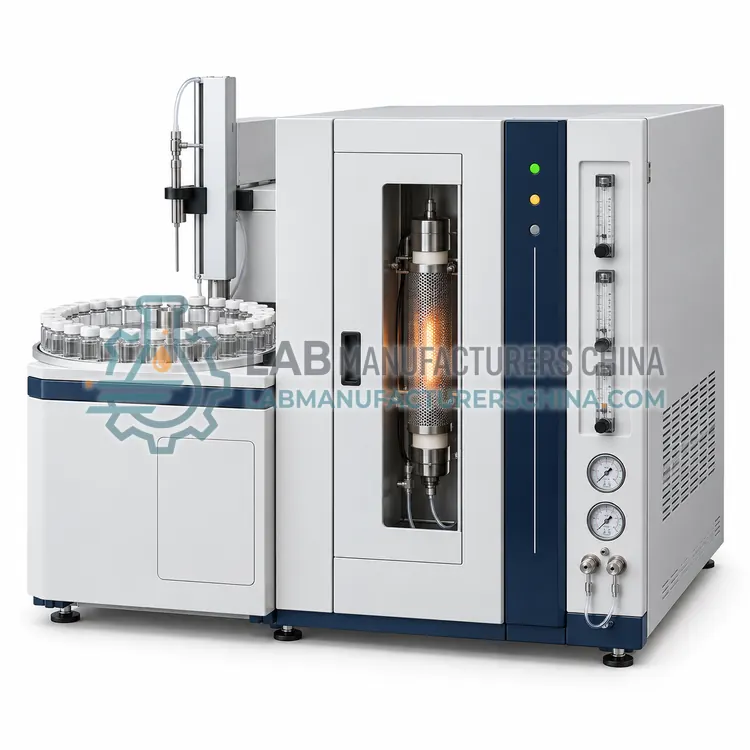
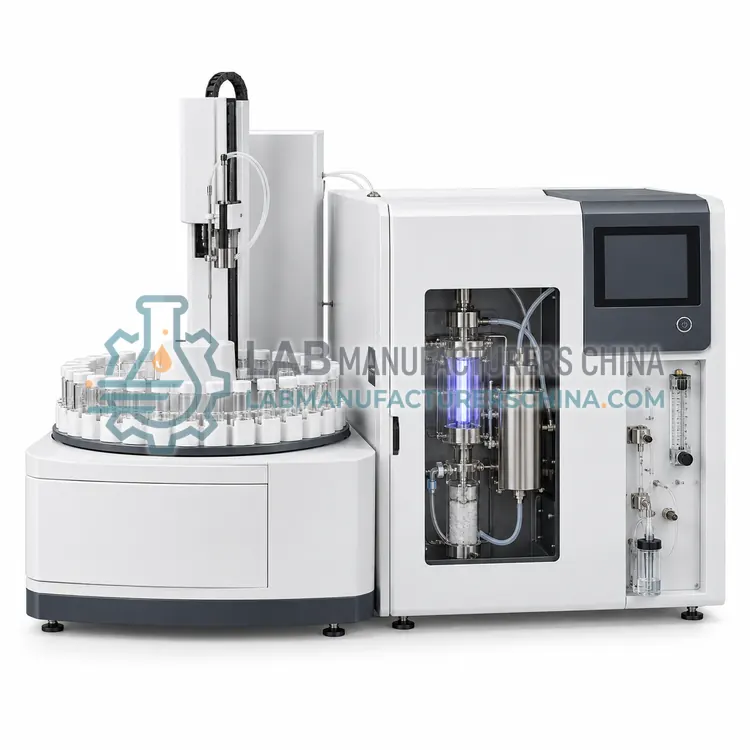
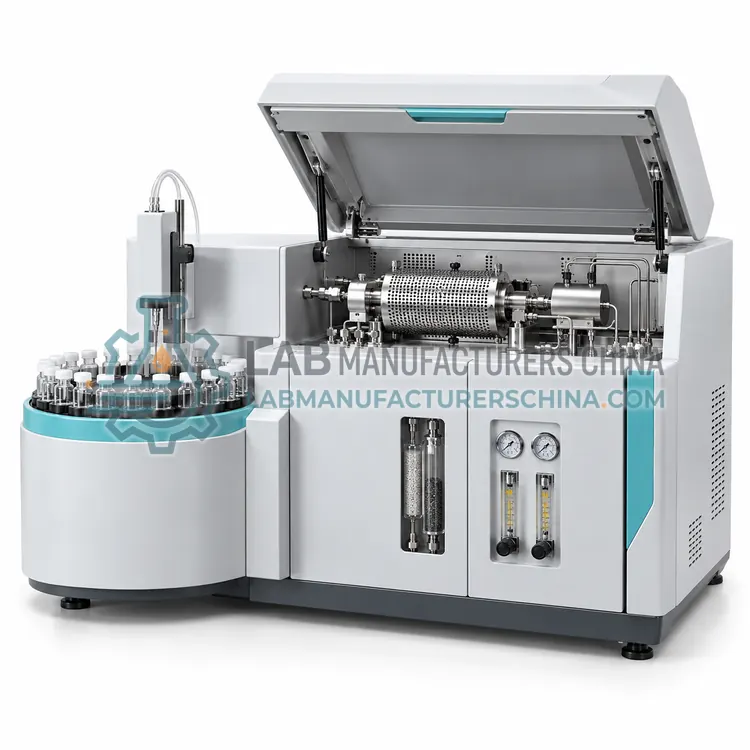
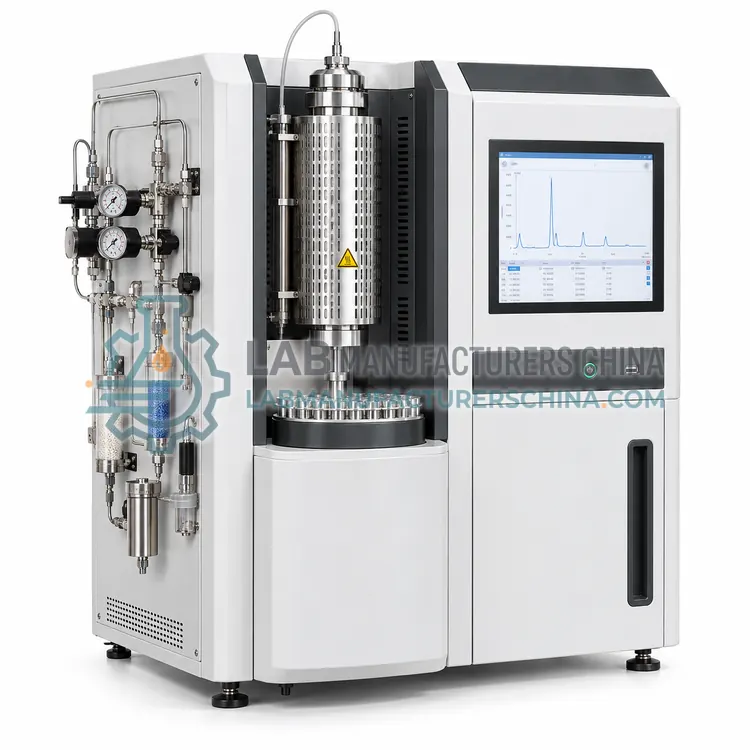
A TOC analyzer separates carbon into inorganic carbon (carbonate and bicarbonate) and organic carbon. In the NPOC method, the sample is acidified to pH below 2 with hydrochloric or phosphoric acid and sparged with carrier gas so inorganic carbon leaves as CO2, then the remaining organic carbon is oxidized. High-temperature catalytic combustion injects the sample into a furnace at 680–1200 °C with a platinum or cobalt catalyst, converting organic carbon to CO2. Wet chemical oxidation uses persulfate and ultraviolet light to generate hydroxyl radicals at lower temperatures. The resulting CO2 is dried, halogens are scrubbed, and the gas passes through an NDIR cell at about 4.26 µm. Peak area is proportional to carbon mass and is calibrated with potassium hydrogen phthalate. Total nitrogen bound can be measured by chemiluminescence after combustion.
Which TOC Analyzers variants are available?
- High-Temperature Catalytic Combustion TOC Analyzer — A high-temperature catalytic combustion TOC analyzer injects aqueous samples into a furnace at 680–720 °C with a platinum catalyst and measures CO2 by NDIR.
- UV-Persulfate TOC Analyzer for Ultrapure Water — A UV-persulfate TOC analyzer oxidizes organic carbon with sodium persulfate and ultraviolet light at low temperature and measures CO2 by NDIR.
- TOC-TNb Analyzer for Combined Carbon and Nitrogen — A TOC-TNb analyzer measures total organic carbon and total bound nitrogen from the same injection, using NDIR for CO2 and chemiluminescence for nitric oxide.
- Solid Sample TOC Analyzer for Soils and Sediments — A solid sample TOC analyzer heats soils, sediments, sludge, and powders at 900 °C in oxygen and measures released CO2 by NDIR.
- Online TOC Analyzer for Process Monitoring — An online TOC analyzer samples process streams automatically at intervals of 1–10 minutes and reports organic carbon through analog outputs and relays.
How do I choose the right variant?
The main selection criterion is the oxidation technique. High-temperature catalytic combustion handles particulate-laden, high-salt, and difficult organics, and covers ranges from 4 µg/L to 30,000 mg/L with suitable catalyst and injection volumes. UV-persulfate oxidation suits clean waters such as ultrapure and pharmaceutical water, with detection limits near 0.5 µg/L. Decide whether total nitrogen is needed and whether solid samples such as soils, sediments, or powders must be analyzed, because that requires a solid sample module with a furnace up to 900–1000 °C. Online process analyzers need continuous sampling, automatic calibration, and relay outputs. Consider autosampler capacity of 30–90 vials, sample volume, and the acid and catalyst consumption. Verify compliance with EN 1484, ISO 8245, and USP <643> when applicable.
Where are TOC Analyzers used?
TOC Analyzers are specified in drinking water and surface water monitoring, wastewater and effluent compliance testing, soil and sediment organic carbon analysis, cleaning validation and pharmaceutical water testing and industrial process water and condensate monitoring.
Which standards and certifications apply?
Work with TOC Analyzers is commonly governed by ISO 8245, EN 1484, ASTM D7573, ASTM D4129, USP <643>, Ph. Eur. 2.2.44, ISO 10694 and IEC 61010-1. Instrument certifications such as CE marking are confirmed per configuration and never assumed.
What are the key considerations before purchase?
Use carbon-free glassware or pre-baked vials and keep samples acidified and refrigerated if not analyzed immediately, because volatile organics are lost and microbial activity changes carbon. Ultra-pure carrier gas and low-blank water for calibration standards are essential at low ppb levels. Replace the combustion catalyst, halogen scrubber, and humidity trap based on sample load, and check the furnace tube for salt build-up with high-salt samples. Verify linearity with potassium hydrogen phthalate and check inorganic carbon recovery with sodium carbonate. System suitability in pharmaceutical use is performed with sucrose and 1,4-benzoquinone standards. Maintain calibration records and blank logs, and ensure ventilation for exhaust gas and acid fumes.