Online TOC Analyzer for Process Monitoring
过程监测在线 TOC 分析仪
- SKU TOA-0005
- TOC Analyzers
- CE (to be confirmed)
- ISO 9001 manufacturing (to be confirmed)
Price on request — FOB / CIF quoted per order
Prices depend on configuration, quantity and destination port.
Key specifications
| Measurement range | 0–5 mg/L to 0–1000 mg/L (configurable) |
|---|---|
| Detection limit | 0.05 mg/L (clean water version) |
| Measurement cycle | 1–10 min |
| Oxidation method | UV-persulfate or high-temperature combustion |
| Repeatability (CV) | ≤3% of reading |
| Outputs | 4–20 mA, Modbus RTU, relays |
Request a quote Download brochure · to be provided
By Lab Manufacturers China Technical TeamLast reviewed Standards: ISO 8245, EN 1484, ASTM D7573
What is the Online TOC Analyzer for Process Monitoring?
An online TOC analyzer samples process streams automatically at intervals of 1–10 minutes and reports organic carbon through analog outputs and relays. It is installed for continuous monitoring of effluent, cooling water, and ultrapure water lines. It reduces manual sampling effort.
What is the Online TOC Analyzer for Process Monitoring?
An online TOC analyzer samples process streams automatically at intervals of 1–10 minutes and reports organic carbon through analog outputs and relays. It is installed for continuous monitoring of effluent, cooling water, and ultrapure water lines. It reduces manual sampling effort.
Overview
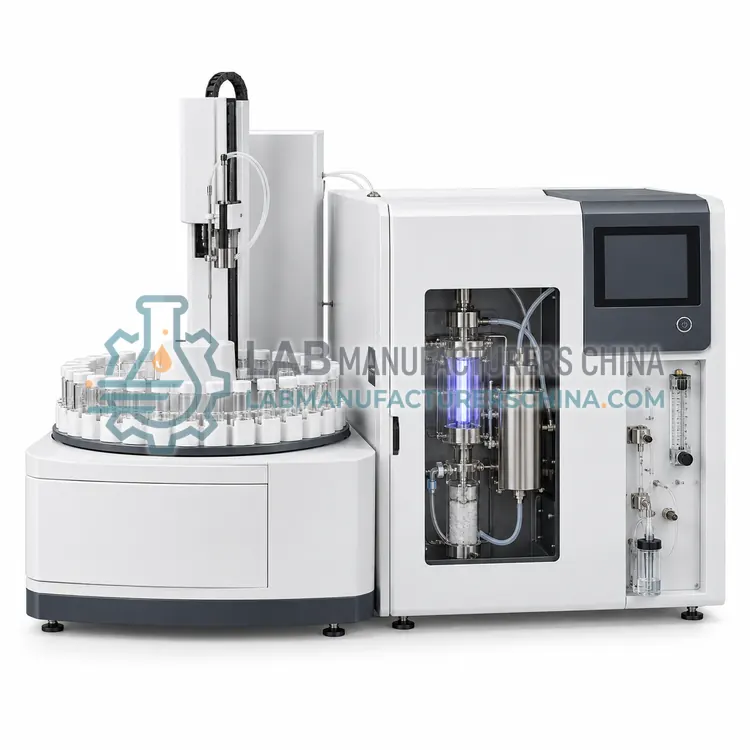
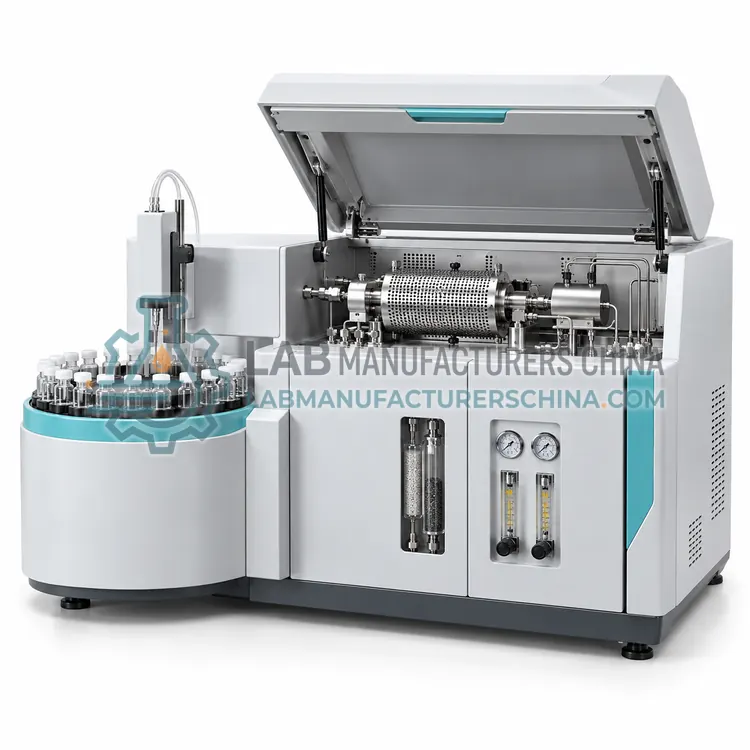
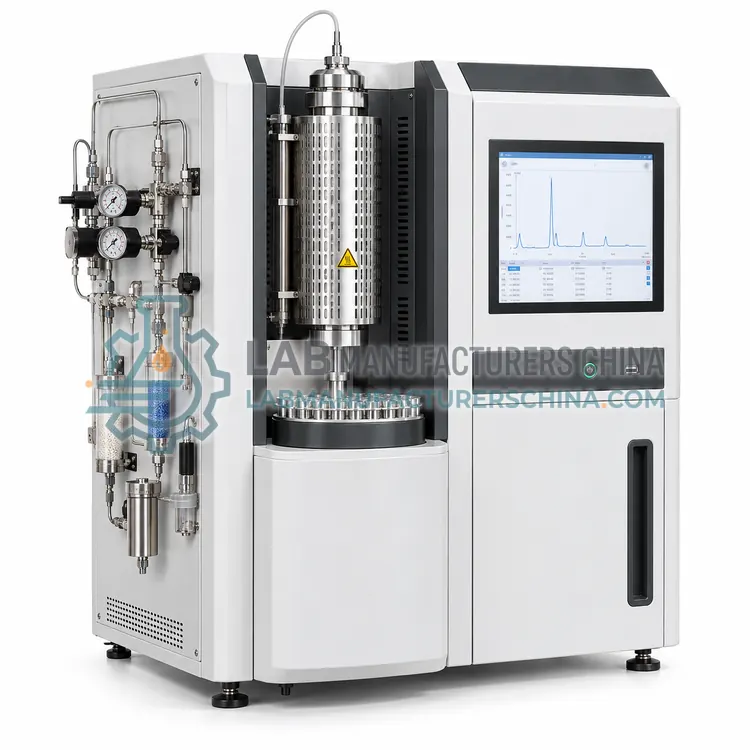
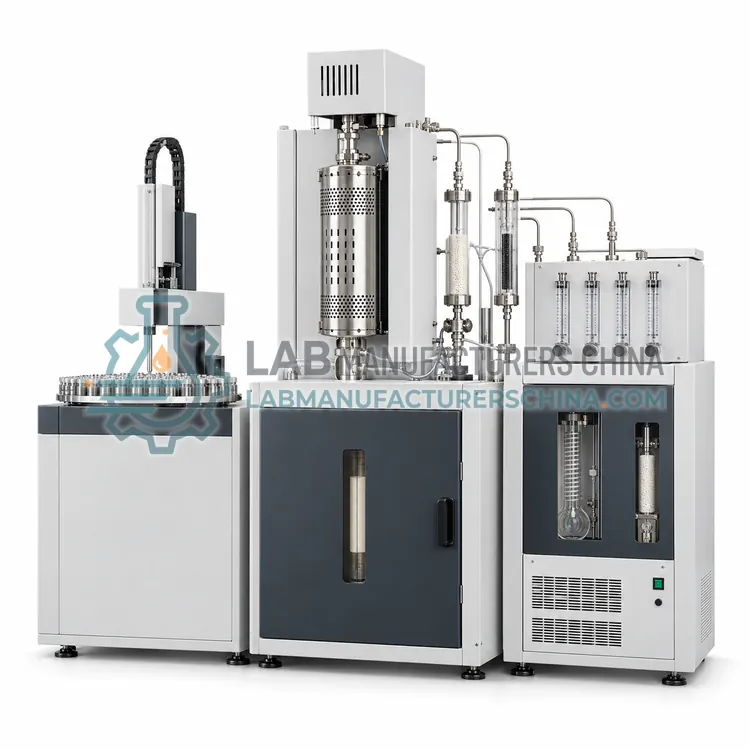
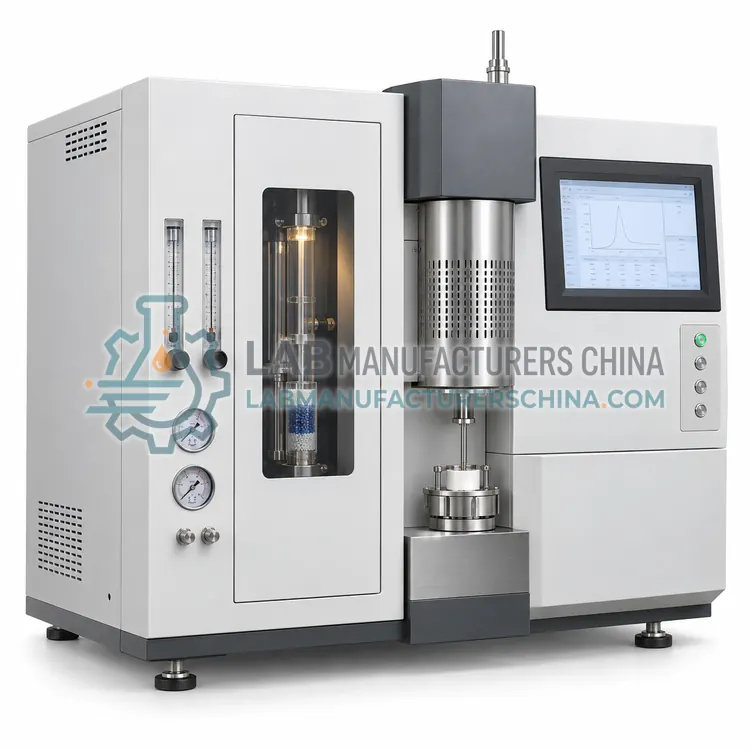
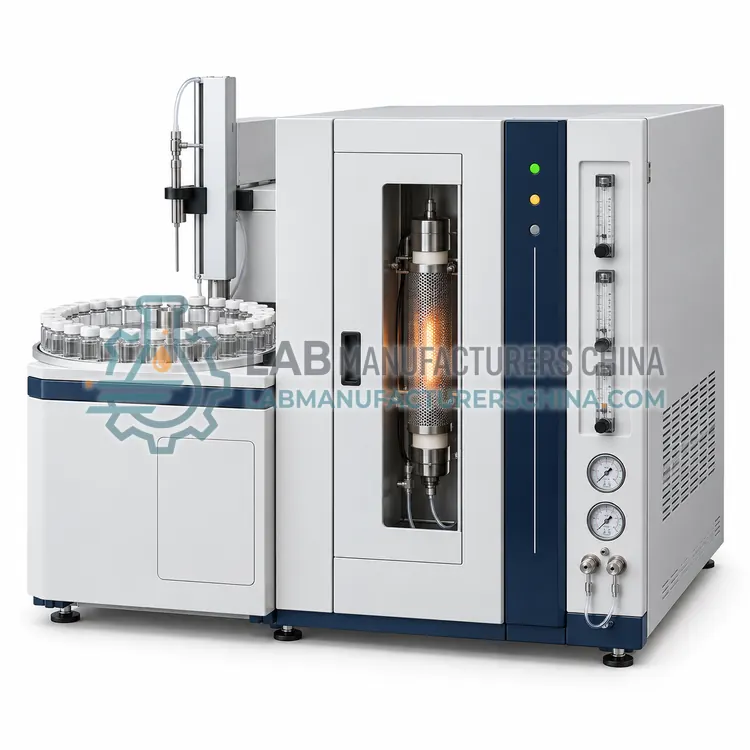
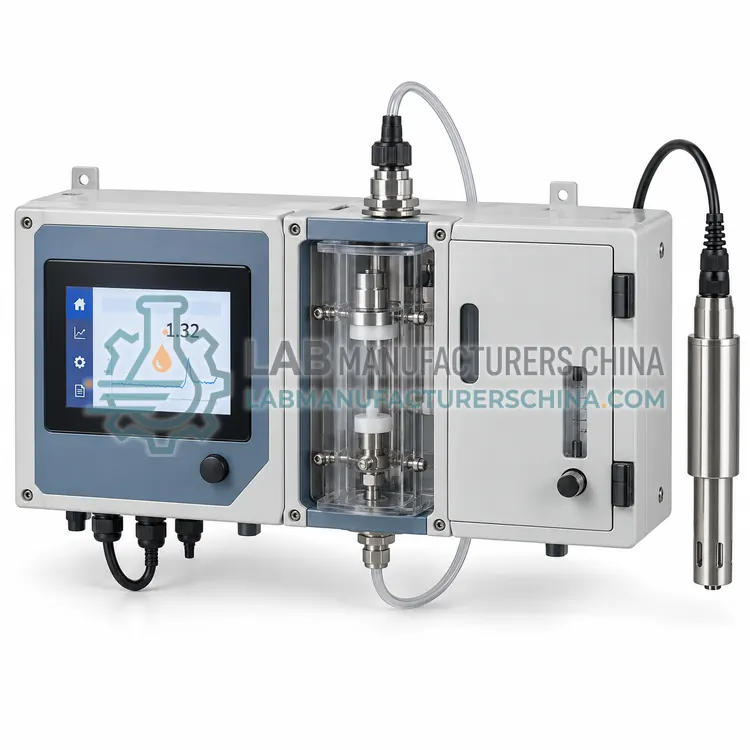
The online TOC analyzer is a wall-mounted or cabinet-mounted unit with a sample conditioning system, oxidation reactor, NDIR detector, and control electronics. Sample is drawn continuously, filtered through a 100–200 µm strainer, and dosed into an oxidizer that uses persulfate and UV or high-temperature combustion, depending on matrix. Measurement cycles of 1–10 minutes provide near-real-time data to a DCS or PLC through 4–20 mA, Modbus, or relay alarms. Automatic calibration and verification with on-board standards maintain accuracy without operator intervention. Enclosure ratings such as IP54 allow installation in plant environments. Reagents and gas lines are monitored for level and pressure. Typical ranges are 0–5 mg/L for clean water and 0–1000 mg/L for wastewater. Maintenance intervals of one to three months are common, with tubing, pumps, and UV lamps being the main wear items.
How does it work?
A TOC analyzer separates carbon into inorganic carbon (carbonate and bicarbonate) and organic carbon. In the NPOC method, the sample is acidified to pH below 2 with hydrochloric or phosphoric acid and sparged with carrier gas so inorganic carbon leaves as CO2, then the remaining organic carbon is oxidized. High-temperature catalytic combustion injects the sample into a furnace at 680–1200 °C with a platinum or cobalt catalyst, converting organic carbon to CO2. Wet chemical oxidation uses persulfate and ultraviolet light to generate hydroxyl radicals at lower temperatures. The resulting CO2 is dried, halogens are scrubbed, and the gas passes through an NDIR cell at about 4.26 µm. Peak area is proportional to carbon mass and is calibrated with potassium hydrogen phthalate. Total nitrogen bound can be measured by chemiluminescence after combustion.
What are the key features?
- Automatic sampling and measurement cycles of 1–10 minutes for near-real-time data.
- Analog 4–20 mA, Modbus, and relay outputs integrate with DCS or PLC systems.
- Automatic calibration and verification with on-board standard solutions.
- Sample conditioning with strainer and optional homogenizer for streams with solids.
- Reagent, gas, and UV lamp status monitoring with maintenance alerts.
- IP54 enclosure for installation in plant environments.
What are the technical specifications?
A typical online toc analyzer for process monitoring configuration offers measurement range of 0–5 mg/L to 0–1000 mg/L (configurable), detection limit of 0.05 mg/L (clean water version), measurement cycle of 1–10 min, oxidation method of UV-persulfate or high-temperature combustion, repeatability (CV) of ≤3% of reading and outputs of 4–20 mA, Modbus RTU, relays. Values are indicative of the product class; the exact figures for each configuration are confirmed on the quotation and the calibration documents supplied with the instrument.
Which applications is it used for?
The Online TOC Analyzer for Process Monitoring is used in wastewater treatment plant effluent monitoring, cooling water and condensate leak detection, ultrapure water loops in electronics plants and food and beverage process water control. Across the wider TOC Analyzers class, laboratories also deploy it for drinking water and surface water monitoring, wastewater and effluent compliance testing and soil and sediment organic carbon analysis.
Which standards and certifications apply?
Relevant standards and methods include ISO 8245, EN 1484, ASTM D7573, ASTM D4129, USP <643>, Ph. Eur. 2.2.44, ISO 10694 and IEC 61010-1. Certification candidates for this model are CE and ISO 9001 manufacturing; each is to be confirmed for the specific configuration before shipment, and certificates are supplied only where they have been issued.
Use carbon-free glassware or pre-baked vials and keep samples acidified and refrigerated if not analyzed immediately, because volatile organics are lost and microbial activity changes carbon. Ultra-pure carrier gas and low-blank water for calibration standards are essential at low ppb levels. Replace the combustion catalyst, halogen scrubber, and humidity trap based on sample load, and check the furnace tube for salt build-up with high-salt samples. Verify linearity with potassium hydrogen phthalate and check inorganic carbon recovery with sodium carbonate. System suitability in pharmaceutical use is performed with sucrose and 1,4-benzoquinone standards. Maintain calibration records and blank logs, and ensure ventilation for exhaust gas and acid fumes.
How do I select the right Online TOC Analyzer for Process Monitoring?
Select the online version for continuous process control or regulatory discharge monitoring where manual sampling is too slow. For research and batch laboratory work, a benchtop TOC is more flexible. In an RFQ, specify sample matrix, range, cycle time, output protocol, enclosure rating, and calibration automation.
How does it compare with other TOC Analyzers variants?
The main selection criterion is the oxidation technique. High-temperature catalytic combustion handles particulate-laden, high-salt, and difficult organics, and covers ranges from 4 µg/L to 30,000 mg/L with suitable catalyst and injection volumes. UV-persulfate oxidation suits clean waters such as ultrapure and pharmaceutical water, with detection limits near 0.5 µg/L. Decide whether total nitrogen is needed and whether solid samples such as soils, sediments, or powders must be analyzed, because that requires a solid sample module with a furnace up to 900–1000 °C. Online process analyzers need continuous sampling, automatic calibration, and relay outputs. Consider autosampler capacity of 30–90 vials, sample volume, and the acid and catalyst consumption. Verify compliance with EN 1484, ISO 8245, and USP <643> when applicable.
Full specifications
| Measurement range | 0–5 mg/L to 0–1000 mg/L (configurable) |
|---|---|
| Detection limit | 0.05 mg/L (clean water version) |
| Measurement cycle | 1–10 min |
| Oxidation method | UV-persulfate or high-temperature combustion |
| Repeatability (CV) | ≤3% of reading |
| Outputs | 4–20 mA, Modbus RTU, relays |
| Sample flow | 50–500 mL/min |
| Enclosure | IP54 |
| Calibration | Automatic, scheduled |
| Maintenance interval | 1–3 months |
Indicative values for this product class. Final specifications are confirmed on the quotation and in the calibration documents supplied with the instrument.
Applications
- Wastewater treatment plant effluent monitoring
- Cooling water and condensate leak detection
- Ultrapure water loops in electronics plants
- Food and beverage process water control
Key features
- Automatic sampling and measurement cycles of 1–10 minutes for near-real-time data.
- Analog 4–20 mA, Modbus, and relay outputs integrate with DCS or PLC systems.
- Automatic calibration and verification with on-board standard solutions.
- Sample conditioning with strainer and optional homogenizer for streams with solids.
- Reagent, gas, and UV lamp status monitoring with maintenance alerts.
- IP54 enclosure for installation in plant environments.
Frequently asked questions about Online TOC Analyzer for Process Monitoring
Typical cycles are 1–10 minutes, depending on the oxidation method and range. UV-persulfate units for clean water are often faster at 1–5 minutes, while combustion units handling wastewater usually need 3–10 minutes.
Sample conditioning uses a strainer and optionally a homogenizer or settling pot. Combustion-based online analyzers tolerate fine particulates better, while UV-based units require filtered samples to avoid blockage and incomplete oxidation.
Yes where the authority accepts the method, and instruments should be verified against laboratory TOC analysis. Keep calibration logs, verification results, and maintenance records, and follow local monitoring rules for data validation and equipment approval.
It measures total organic carbon, the carbon bound in organic compounds, by oxidizing it to CO2 and detecting the gas with a non-dispersive infrared cell. Inorganic carbon is removed by acidification and sparging first or measured separately as TIC.
Total carbon (TC) is all carbon in the sample. Total inorganic carbon (TIC) is carbonate, bicarbonate, and dissolved CO2. TOC is TC minus TIC, or the carbon remaining after inorganic carbon is removed in the NPOC method.
Neither is universally better. High-temperature catalytic combustion handles particulates, salts, and hard-to-oxidize organics. UV-persulfate is more sensitive for clean waters such as purified water. Method choice should reflect the sample matrix and required detection limit.
Related models