
Analytical Instruments
分析仪器
CANI · Analytical & Instrumentation · 6 product types · 31 models
By Lab Manufacturers China Technical TeamLast reviewed
What are Analytical Instruments?
Analytical instruments measure the chemical, optical or physical properties of samples to identify substances and quantify their concentration. This category covers spectrophotometers, photometers, refractometers, polarimeters, turbidity meters and general analytical analyzers used in pharmaceutical, environmental, food, chemical and industrial quality-control laboratories.
6 product types in Analytical Instruments
The 6 product types below are grouped by the exact instrument you need.
- SPE6 models
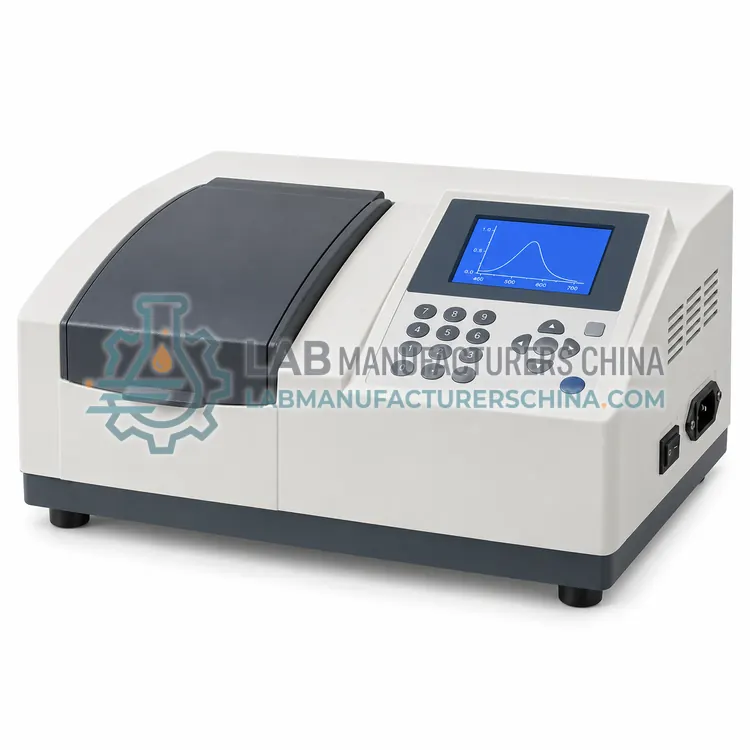
Spectrophotometers
分光光度计
Spectrophotometers are analytical instruments that measure how much light a sample absorbs, transmits or reflects at selected wavelengths. The readings are used to quantify concentration, purity, color or reaction progress. Laboratories in chemistry, life science, environmental testing, food and manufacturing quality control use them for routine photometric analysis.
- PHO5 models
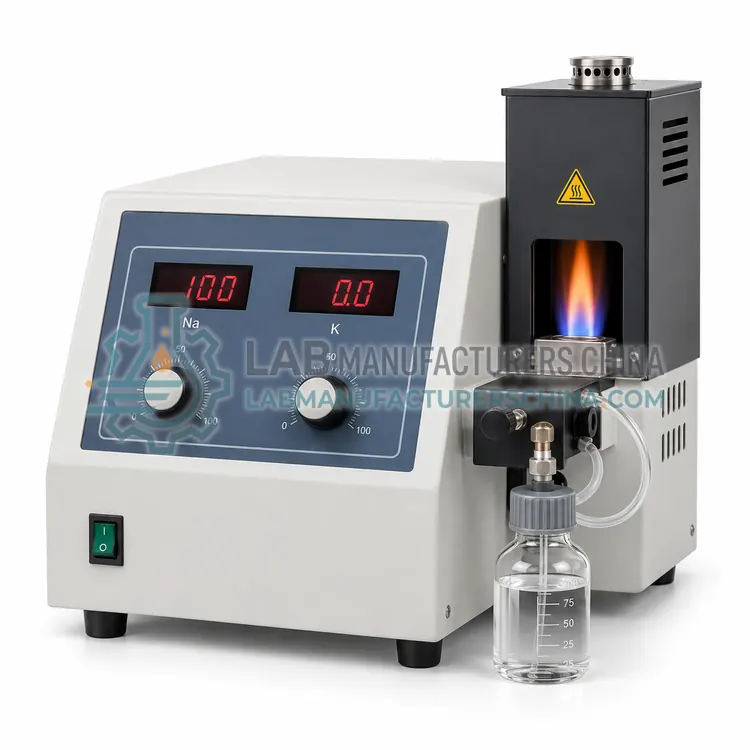
Photometers
光度计
Photometers are analytical instruments that measure light intensity, absorbed or emitted, at one or a few fixed wavelengths using filters or LEDs. They quantify analytes through absorbance or emission, such as alkali metals in flame photometry or colored reaction products. Clinical, water, agricultural and industrial laboratories use them for routine, targeted measurements.
- REF5 models
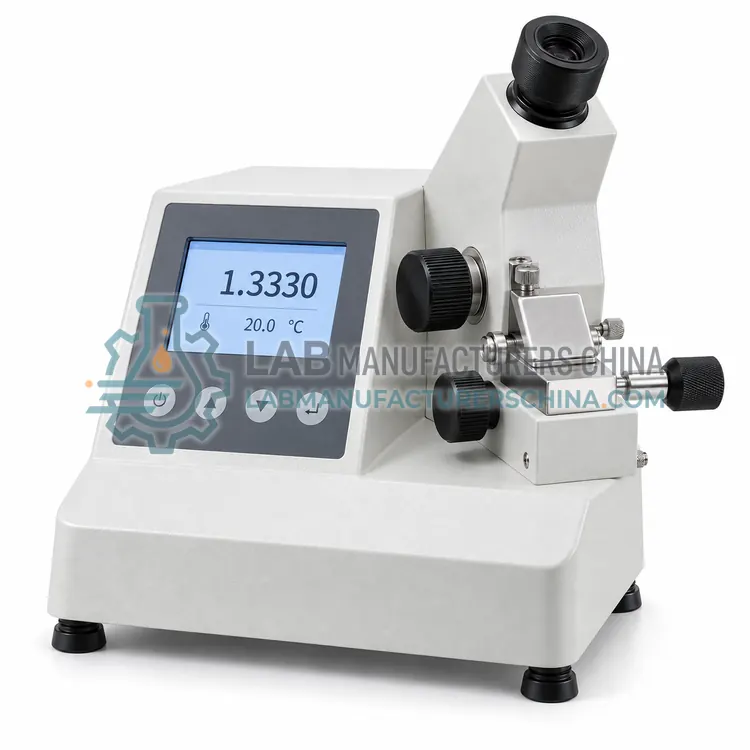
Refractometers
折光仪
Refractometers are analytical instruments that measure the refractive index of a liquid or solid, which changes with composition and concentration. The reading is converted to units such as Brix, salinity or concentration. Food, beverage, chemical, pharmaceutical and petrochemical laboratories use them for quick identity, purity and concentration checks.
- POL5 models
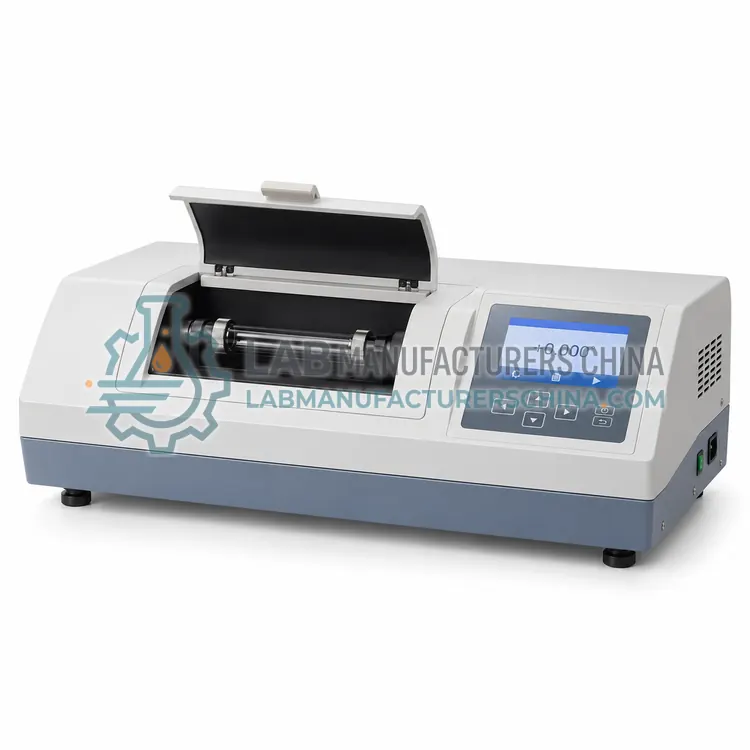
Polarimeters
旋光仪
Polarimeters measure the rotation of plane-polarized light as it passes through optically active substances such as sugars, amino acids and chiral drug molecules. Analytical laboratories in pharmaceutical, food, flavor and chemical industries use them to determine concentration, purity and enantiomeric identity of chiral samples.
- TUM5 models
Turbidity Meters
浊度计
Turbidity meters measure the cloudiness of a liquid caused by suspended particles by detecting light scattered at a defined angle, usually 90°. Analytical laboratories in beverage, pharmaceutical, chemical and environmental testing use them to quantify clarity, monitor filtration and verify product specifications in NTU, FNU or EBC units.
- ANA5 models
Analytical Analyzers
分析仪(综合分析仪器)
Analytical analyzers are dedicated laboratory instruments that determine one property or a small group of properties of a sample, such as moisture, water content, organic carbon, particle size or electrochemical parameters. They give direct, quantified results for quality control, research and compliance testing without requiring full spectroscopic or chromatographic systems.
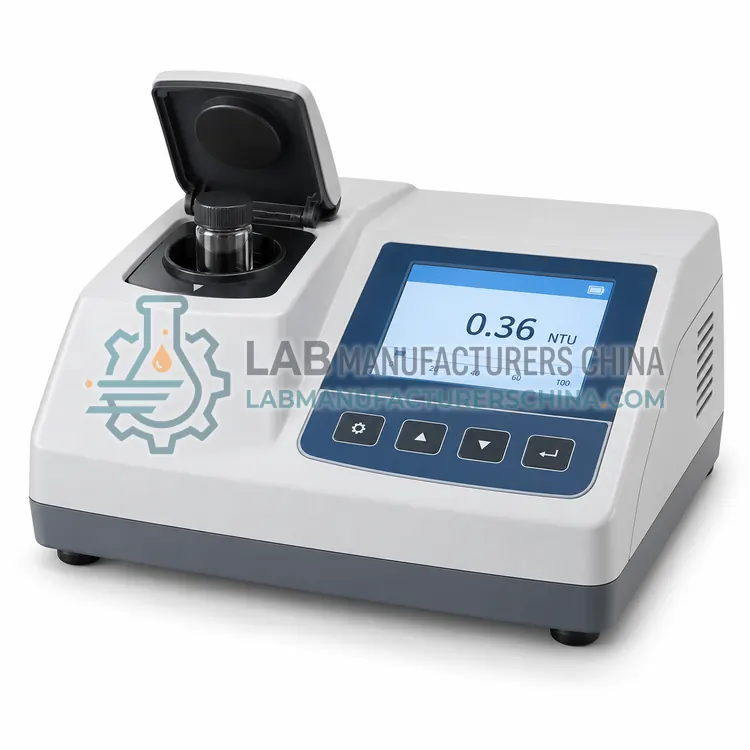
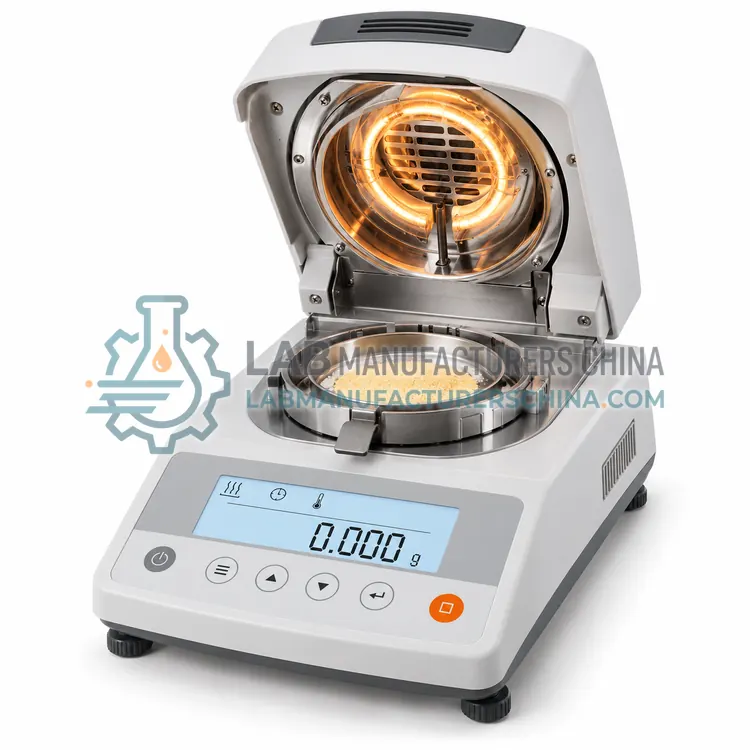
What are Analytical Instruments?
Analytical instruments are benchtop and portable devices that convert a physical or chemical property of a sample into a measured signal from which identity or concentration is inferred. Optical instruments rely on the interaction of light with matter: spectrophotometers measure absorbance at selected wavelengths, photometers use filtered bands for dedicated assays, refractometers use the critical angle of refraction, polarimeters measure optical rotation of chiral compounds, and turbidity meters quantify suspended particles by scattered light. General analytical analyzers combine several sensor principles, titration, or automated chemistry to report concentration, purity or water content. These instruments are the routine workhorses of QC laboratories, providing repeatable, traceable measurements for incoming materials, in-process samples and finished products. Most systems pair a measurement unit with calibration standards, cuvettes or flow cells, and software that computes results and stores audit trails for regulated environments.
How do Analytical Instruments work?
Each instrument class applies a distinct physical principle. Absorbance instruments pass light from a tungsten, deuterium or LED source through a monochromator, filter or grating and compare the intensity reaching a detector with the incident intensity according to the Beer-Lambert law. Refractometers measure the angle at which light bends at the boundary between a sample and a prism, reporting refractive index or Brix. Polarimeters pass plane-polarized light through a chiral sample and measure the rotation angle with a photodetector or an optically balanced field. Turbidity meters detect light scattered at 90 degrees, 180 degrees or in ratio mode and report nephelometric turbidity units. General analyzers may use electrochemical sensors, titration with potentiometric endpoints, colorimetric reactions or thermal methods. Common subsystems include stabilized light sources, interference filters or gratings, temperature control, sample handling, and firmware that linearizes the raw signal against calibration curves.
Where are Analytical Instruments used?
Analytical instruments support concentration and identity checks across many sectors. Pharmaceutical and nutraceutical QC uses spectrophotometers for assay, dissolution and content uniformity, and polarimeters for chiral raw materials such as amino acids and sugars. Food and beverage laboratories measure Brix, color, turbidity and alcohol content for incoming materials and finished drinks. Environmental and water testing relies on photometers and turbidity meters for chlorine, iron, phosphate, ammonia and suspended solids. Chemical and petrochemical plants monitor refractive index and color as fast in-process indicators of purity and blending. University and contract laboratories use general analyzers for method development, teaching and small-batch investigation. Because these measurements feed release decisions, results must be traceable to certified reference materials and recorded with the operator, method and calibration status.
Which standards apply to Analytical Instruments?
Relevant standards depend on the instrument and application. UV-Vis spectrophotometry follows USP <857> and Ph. Eur. 2.2.25, with wavelength and absorbance accuracy verified against reference filters or solutions such as potassium dichromate and holmium oxide. Refractometry is described in Ph. Eur. 2.2.6 and USP <831>, and polarimetry in Ph. Eur. 2.2.7 and USP <781>. Turbidity measurement in drinking water follows ISO 7027 and US EPA Method 180.1, while photometric water tests reference US EPA and ISO 10523 methods. General laboratory safety for all mains-powered units is governed by IEC 61010-1, and laboratories operating under quality systems work to ISO/IEC 17025 and ICH Q2(R2) for analytical validation. Instrument qualification follows USP <1058> in regulated pharmaceutical settings.
How do I select the right analytical equipment?
Select an analytical instrument by first defining the measurement: identity, concentration, optical rotation, refractive index or suspended solids. Fix the required range, resolution and accuracy, then choose the principle that reaches them with the least sample preparation. For routine fixed-wavelength assays a filter photometer is sufficient, while scanning or multi-wavelength work needs a spectrophotometer with the right wavelength range and bandwidth. Throughput, automation and regulatory needs drive the choice between manual cuvette instruments and flow or autosampler systems. Always confirm that calibration standards and reference materials exist for the intended scale, that temperature control matches the method, and that data handling supports audit trails if the laboratory is regulated. Finally, compare service access, consumable costs and the ability to verify performance on site before committing to a platform.
Analytical Instruments comparison
| Subcategory | Principle | Typical use | Key spec |
|---|---|---|---|
| Spectrophotometers | Light absorbance versus wavelength | Assay, kinetics, spectra and concentration | 190–1100 nm |
| Photometers | Filtered fixed-wavelength absorbance or scatter | Dedicated colorimetric and field tests | Fixed 1–8 wavelengths |
| Refractometers | Critical angle of refraction | Brix, purity and blend monitoring | Refractive index 1.3000–1.7200 |
| Polarimeters | Optical rotation of polarized light | Chiral raw materials and sugar analysis | ±90° angular range |
| Turbidity Meters | Scattered or attenuated light from particles | Water, beverage and process clarity | 0.001–4000 NTU |
| Analytical Analyzers | Combined sensors, titration or colorimetry | Multi-parameter purity and composition checks | Automated multi-channel |
Frequently asked questions about Analytical Instruments
A spectrophotometer disperses light with a grating or prism and can scan and select narrow wavelengths, so it suits identification, spectra and method development. A photometer uses fixed interference filters at one or a few wavelengths for dedicated colorimetric tests. Photometers are simpler, cheaper and rugged for routine field or QC assays, while spectrophotometers offer more flexibility.
Calibration frequency follows the method, risk and manufacturer guidance, but daily or per-batch performance checks with reference standards are common, with full calibration and preventive maintenance at least annually. Regulated laboratories verify wavelength, absorbance, refractive index or rotation accuracy before use and after service. Record every check in a log tied to the instrument identity.
Colored samples are measured directly by absorbance or refractive index, provided the reading stays within range. Turbidity and suspended particles scatter light and bias optical measurements, so samples may need filtration or centrifugation first. Turbidity meters, by contrast, are designed for particles. Always dilute or clarify samples according to the validated method before reporting results.
Cuvette-based spectrophotometers and photometers typically need 1 to 3 mL, while microvolume accessories and flow cells can use 2 to 100 microlitres. Refractometers and polarimeters commonly need 0.1 to 1 mL, and flow-through versions less. Confirm the minimum volume and cell path length for your method, because dilution changes both sensitivity and detection limit.
Portable units trade some resolution and stability for field use, but for many routine tests their accuracy is adequate after calibration. Benchtop models generally offer better temperature control, lower detection limits and more automated quality checks. Decide by required accuracy, sample throughput and whether measurements must be made on site rather than in the laboratory.
Related categories
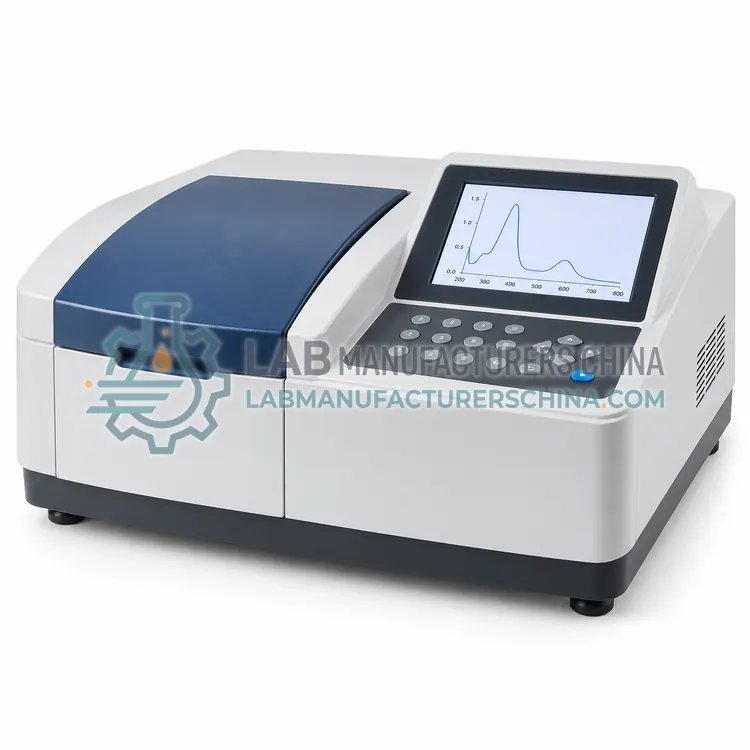 CSPI光谱仪器Spectroscopy instruments measure how matter absorbs, emits or scatters electromagnetic radiation to identify substances and quantify them. This category covers UV-Vis, FTIR, Raman, fluorescence, NIR and atomic spectroscopy systems used in pharmaceutical, chemical, environmental, food and materials laboratories.
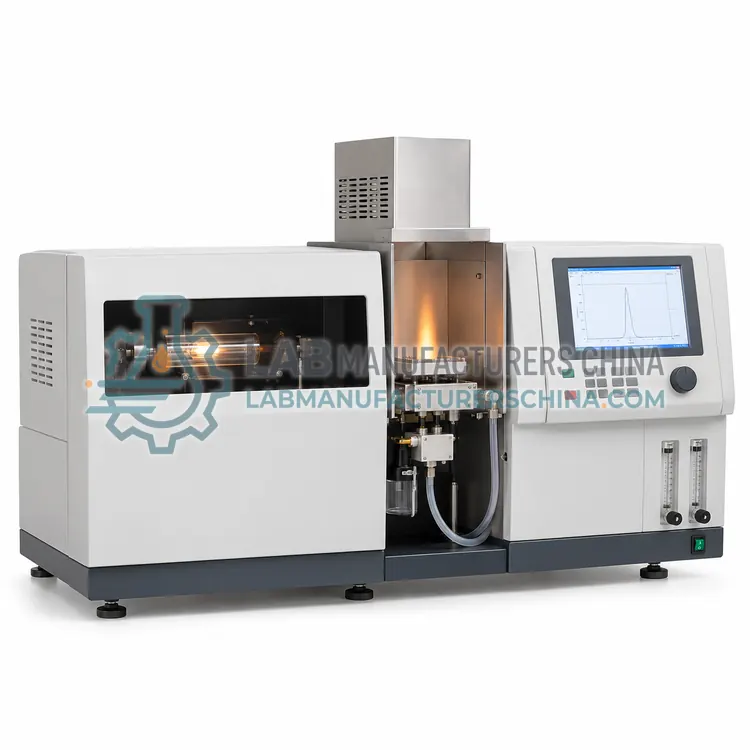 CAAS原子吸收光谱仪Atomic absorption spectrometers determine elemental concentrations by measuring light absorbed by free atoms produced in a flame, graphite furnace or hydride generation cell. They serve environmental, food, clinical, geochemical and pharmaceutical laboratories that need reliable trace-metal results at low cost.
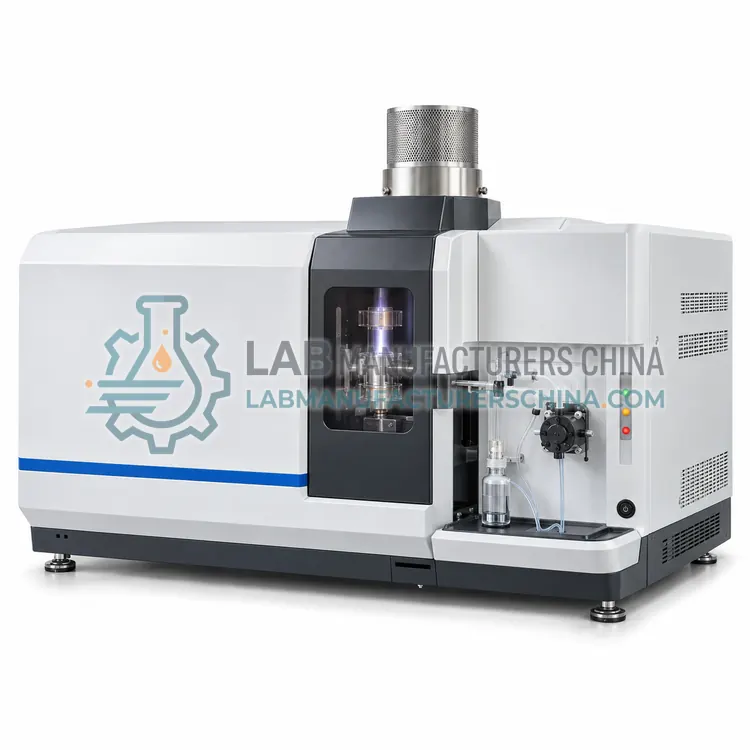 CICSICP 光谱仪ICP spectrometers use an inductively coupled argon plasma to atomize and ionize samples for elemental analysis by optical emission or mass spectrometry. They serve environmental, pharmaceutical, food, metallurgical and geological laboratories that need multi-element results.
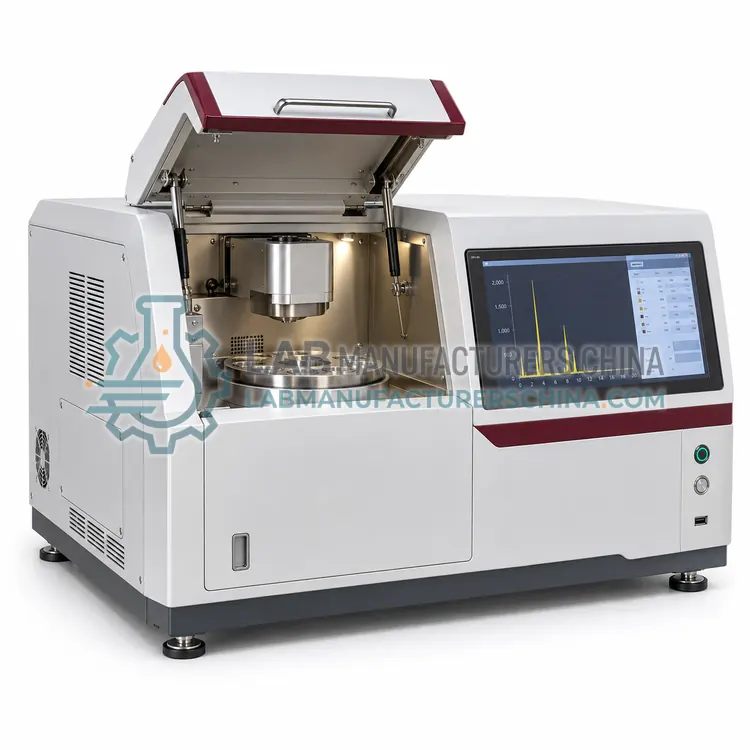 CXRAX 射线分析仪器X-ray analysis instruments use X-ray interaction with matter to determine elemental composition or crystal structure. The category covers X-ray fluorescence spectrometers, portable and benchtop XRF analyzers, and X-ray diffractometers for materials, environmental and industrial testing.