
Laboratory Incubators
实验室培养箱
CLAI · General Laboratory Equipment · 5 product types · 25 models
By Lab Manufacturers China Technical TeamLast reviewed
What are Laboratory Incubators?
Laboratory incubators are temperature-controlled chambers that maintain stable conditions for growing, culturing and storing microorganisms, cells, plants and samples, typically from 5 C to 80 C with optional CO2, humidity and shaking. The category covers standard, CO2, cooling, shaking and BOD incubators used in microbiology, cell culture and environmental testing.
5 product types in Laboratory Incubators
The 5 product types below are grouped by the exact instrument you need.
- STI5 models
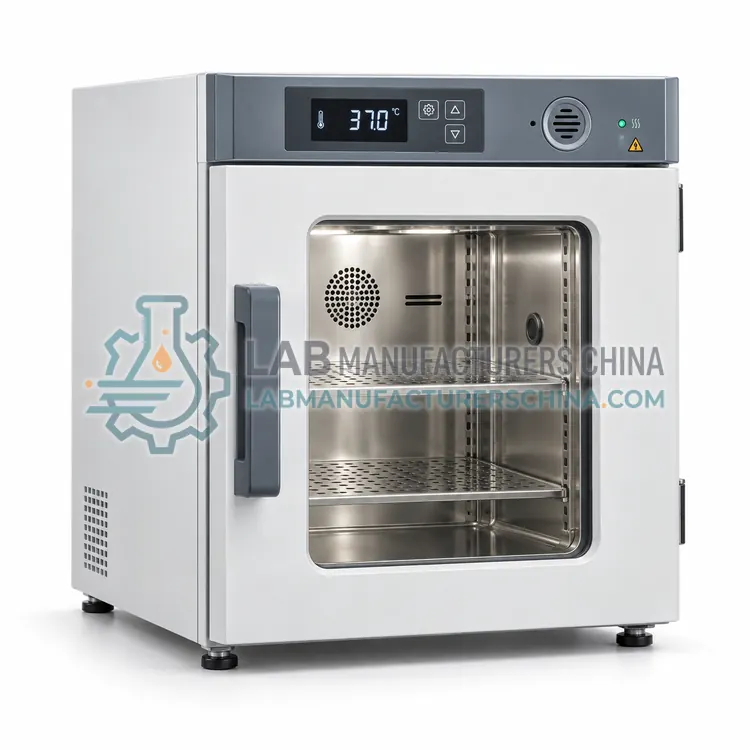
Standard Incubators
标准培养箱
Standard incubators are temperature-controlled chambers that hold a set temperature above ambient, usually 5 to 80 C, for culturing microorganisms, incubating assays and conditioning samples. They are basic, robust units used in microbiology, food, clinical and general laboratories without CO2 or refrigeration.
- COI5 models
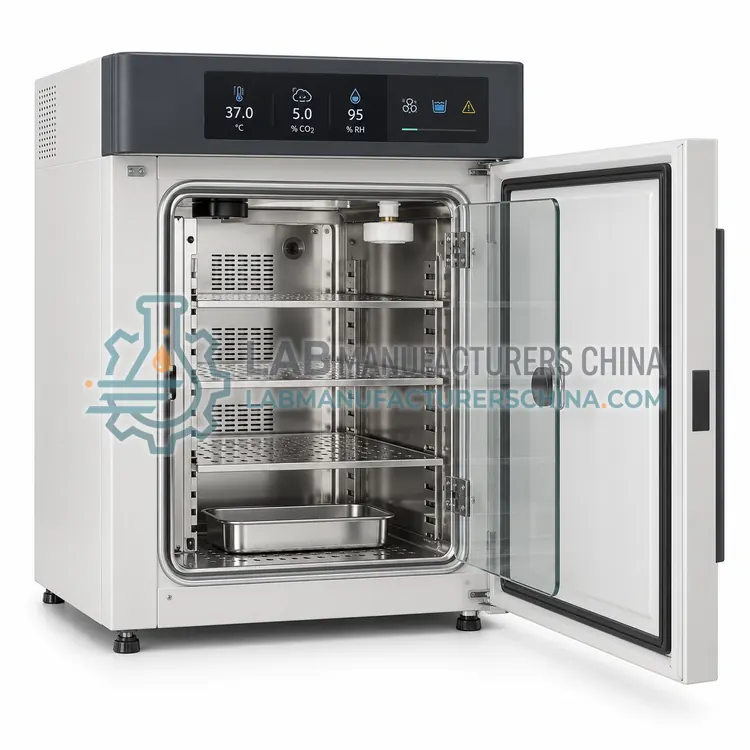
CO2 Incubators
CO2 培养箱
CO2 incubators are temperature-controlled chambers that add carbon dioxide and high humidity control, typically 0 to 20 percent CO2 at 37 C. They maintain stable conditions for cell lines, tissue cultures and other biological samples that need a buffered, humid environment.
- CIN5 models
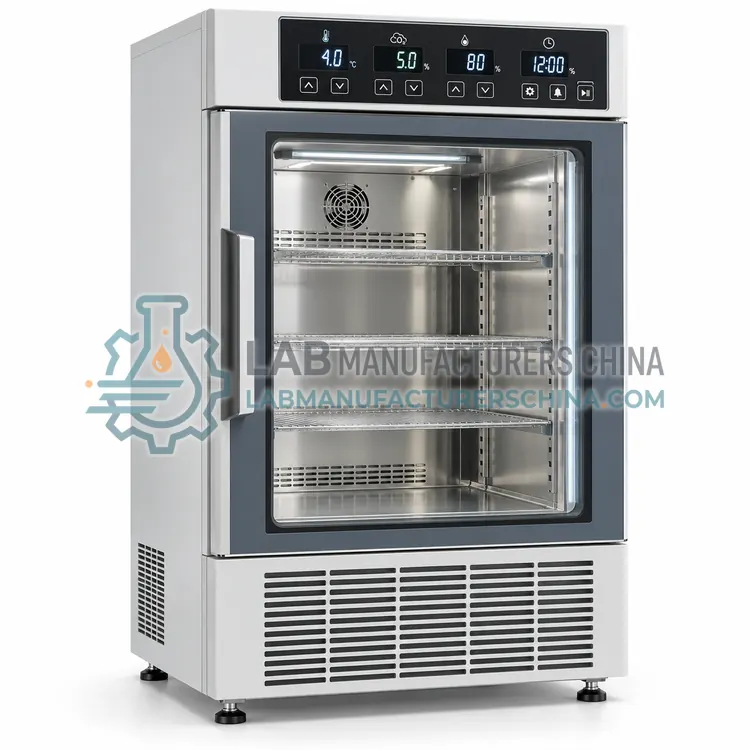
Cooling Incubators
低温培养箱
Cooling incubators combine heating with refrigeration so they can hold temperatures at or below ambient, typically 0 to 60 C. They are used for enzyme assays, stability and shelf-life studies, sample storage and incubations that require precise low temperatures.
- SHI5 models
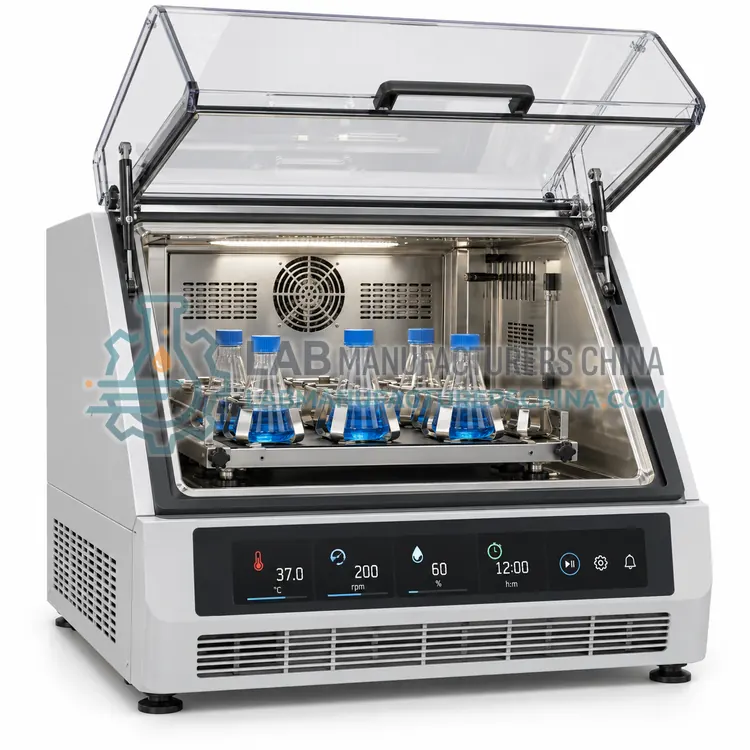
Shaking Incubators
恒温振荡培养箱
Shaking incubators combine a temperature-controlled chamber with an orbital platform, so liquid cultures mix and aerate while they grow. They hold 5 to 80 C and 20 to 400 rpm, and are used for bacterial and yeast culture, protein expression, fermentation and solubility studies.
- BOI5 models
BOD Incubators
BOD 培养箱
BOD incubators are refrigerated chambers held at a fixed low temperature, usually 20 C, for biochemical oxygen demand testing of water and wastewater. They provide a stable, dark, uniform environment for the five-day BOD test and related incubation methods.
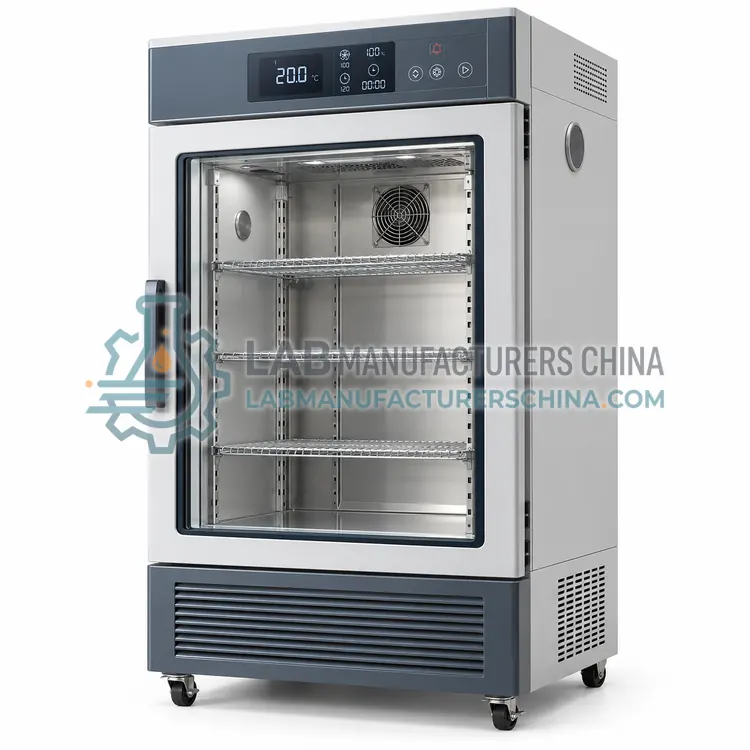
What are Laboratory Incubators?
A laboratory incubator is an insulated chamber that holds a defined temperature, and sometimes a defined gas and humidity atmosphere, for biological growth or sample conditioning. Standard incubators work above ambient, usually 5 to 80 C, for microbiology, enzyme assays and general culture work. CO2 incubators add carbon dioxide control at 0.2 to 20 percent and high humidity for mammalian cell culture. Cooling incubators include refrigeration so they can hold temperatures below ambient, often 0 to 60 C, for enzyme, shelf-life and stability work. BOD incubators are cooling units held at 20 C for biochemical oxygen demand testing of wastewater. Shaking incubators combine a temperature-controlled chamber with an orbital platform so liquid cultures are aerated while they grow. Controls, alarms and data logging support traceability.
How do Laboratory Incubators work?
Insulated walls, usually stainless steel inner chambers with polyurethane or mineral wool insulation, reduce heat exchange with the room. Heating comes from elements or a heated water jacket; cooling uses a compressor circuit or Peltier modules for smaller units. A Pt100 or thermistor sensor feeds a PID controller that holds the setpoint, and natural or forced air circulation keeps the chamber uniform. In CO2 incubators, an infrared or thermal-conductivity sensor measures carbon dioxide and a valve admits gas from an external supply; humidity is raised by a water pan or humidity generator and controlled by door design and condensation management. Shaking incubators add a brushless motor driving an orbital platform at 20 to 400 rpm. Alarms, door heaters to reduce condensation, and over-temperature protection protect the culture and the user.
Where are Laboratory Incubators used?
Incubators support microbiology, cell biology, clinical, food and environmental work. Microbiology laboratories culture bacteria, yeasts and molds on plates and in broth, and CO2 incubators maintain mammalian cell lines, primary cells and tissue cultures. Clinical laboratories incubate cultures and immunoassays, while blood banks and IVF laboratories use specialized versions. Food and beverage laboratories run microbiological counts and challenge tests. Environmental and water laboratories perform BOD5 and coliform testing in BOD and cooling incubators. Enzyme and biochemical assays rely on precise temperature control, and stability studies use cooled chambers over weeks. Shaking incubators are used for fermentation, protein expression, cloning and solubility studies, where aeration and mixing are essential to consistent growth.
Which standards apply to Laboratory Incubators?
Incubator safety and performance are addressed by IEC 61010-1 for laboratory equipment and IEC 61010-2-010 for heating equipment, with DIN 12880 defining temperature range, uniformity and fluctuation. Microbiology methods include ISO 4833-1 for colony counts and ISO 6222 for water colony counts. BOD testing follows APHA Standard Methods 5210 and ISO 5815. Cell culture practices reference USP <1116> for controlled environments and ISO 17025 for testing laboratory competence. Electrical safety in humid conditions requires correct ingress protection. Manufacturers may claim CE marking, ISO 9001 quality management and, for cleanroom-related use, ISO 14644 classifications, all subject to confirmation.
How do I select the right laboratory incubators equipment?
Start with the required temperature range, because it decides whether cooling is needed. Choose a standard incubator for temperatures above ambient, a cooling or BOD incubator when the setpoint is at or below room temperature, and a CO2 incubator when cells need 5 percent carbon dioxide and high humidity. Decide whether the culture is static or shaken, since shaking incubators cost more, need balancing and cannot hold flasks loosely. Then match chamber volume to vessel count and layout, check uniformity at the working temperature, and choose controls: mechanical, digital or programmable with alarms. Consider cleaning and decontamination, especially for CO2 models, and confirm data logging, door type and shelf options before ordering.
Laboratory Incubators comparison
| Subcategory | Principle | Typical use | Key spec |
|---|---|---|---|
| Standard Incubators | Resistance heating with PID control | Microbiology, enzyme assays, general culture | 5–80 C, 20–500 L |
| CO2 Incubators | Heated chamber with CO2 and humidity control | Mammalian cell and tissue culture | 0–20% CO2, 37 C, 90% RH |
| Cooling Incubators | Compressor or Peltier cooling with heating | Below-ambient incubation, stability studies | 0–60 C |
| Shaking Incubators | Temperature-controlled chamber with orbital platform | Liquid culture, fermentation, protein expression | 20–400 rpm, 5–80 C |
| BOD Incubators | Refrigerated chamber held at fixed low temperature | Biochemical oxygen demand of water and wastewater | 20 C, 150–400 L |
Frequently asked questions about Laboratory Incubators
The main types are standard (above-ambient) incubators, CO2 incubators for cell culture, cooling incubators with refrigeration, BOD incubators for wastewater testing, and shaking incubators that add an orbital platform. They differ in temperature range, atmosphere control and motion.
Mammalian cells need a bicarbonate-buffered medium whose pH depends on carbon dioxide. Holding 5 percent CO2 stabilizes pH at about 7.4, and high humidity prevents evaporation that would concentrate the medium and disturb osmolality.
Temperature is usually verified every three to six months or per the quality system, using a calibrated reference probe across the chamber. Cleaning depends on use: CO2 incubators typically need chamber decontamination monthly or per cycle, with daily checks of water, gas pressure and humidity.
Both can cool below ambient. A BOD incubator is dedicated to biochemical oxygen demand testing, usually fixed at 20 C with high uniform capacity for BOD bottles. A cooling incubator offers a wider adjustable range, often 0 to 60 C, for enzyme, stability and shelf-life work.
Place it on a level, stable bench away from direct sunlight, heat sources, doors and drafts, in a room with stable ambient temperature below about 30 C. Leave clearance for ventilation and, for CO2 models, allow space for the gas cylinder and regulator.
Related categories
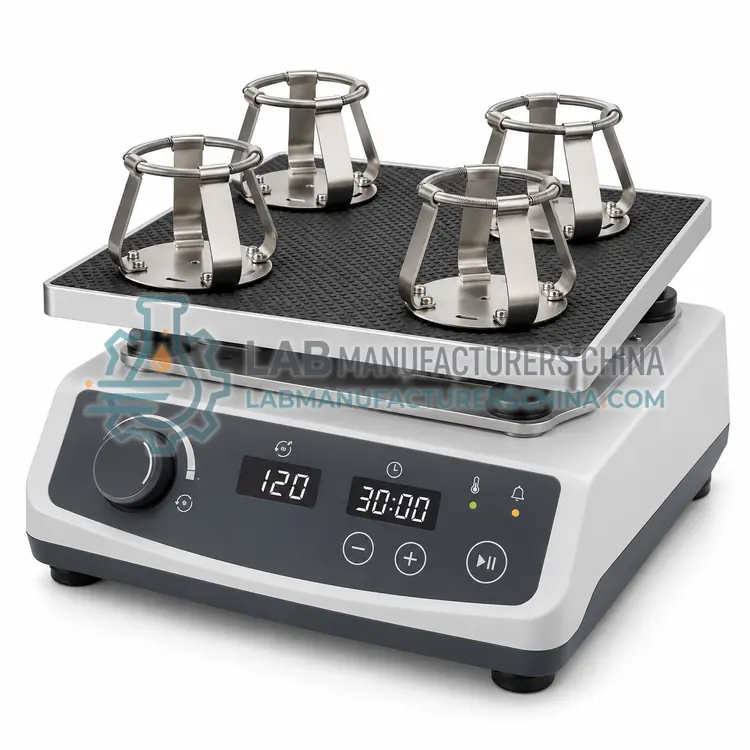 CLAS实验室摇床Laboratory shakers mix, aerate and suspend samples through controlled motion, using orbital, reciprocal, rocking, incubator and microplate formats. Speed typically ranges from 10 to 300 rpm for large platforms and up to 1500 rpm on small units, with load capacities from a single microplate to several liters of flasks.
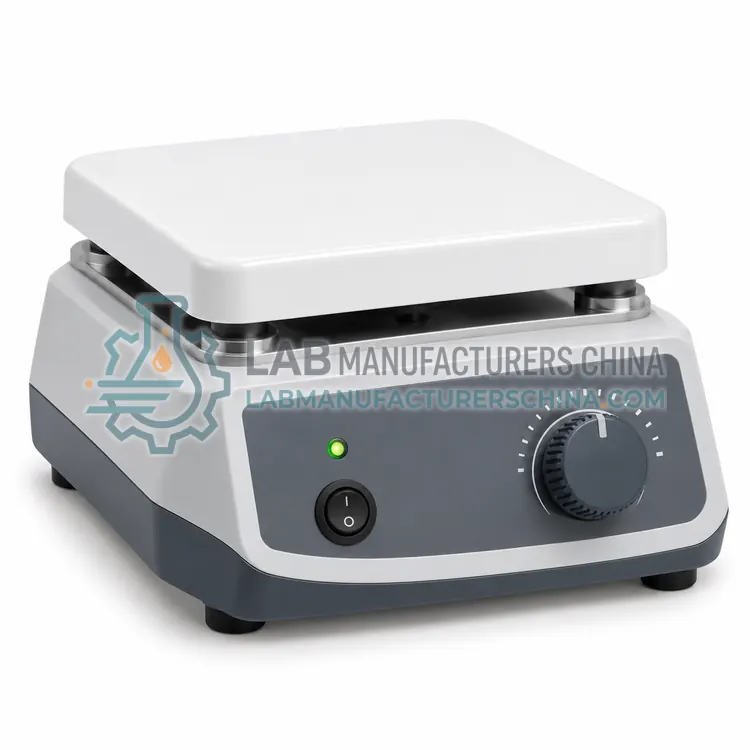 CLST实验室搅拌器Laboratory stirrers are benchtop devices that agitate liquids in beakers, flasks and reactors to blend reagents, dissolve solids, keep suspensions uniform and improve heat transfer. The category covers magnetic, overhead, hotplate and multi-position stirrers used in chemistry, pharmaceutical, biotechnology and materials laboratories.
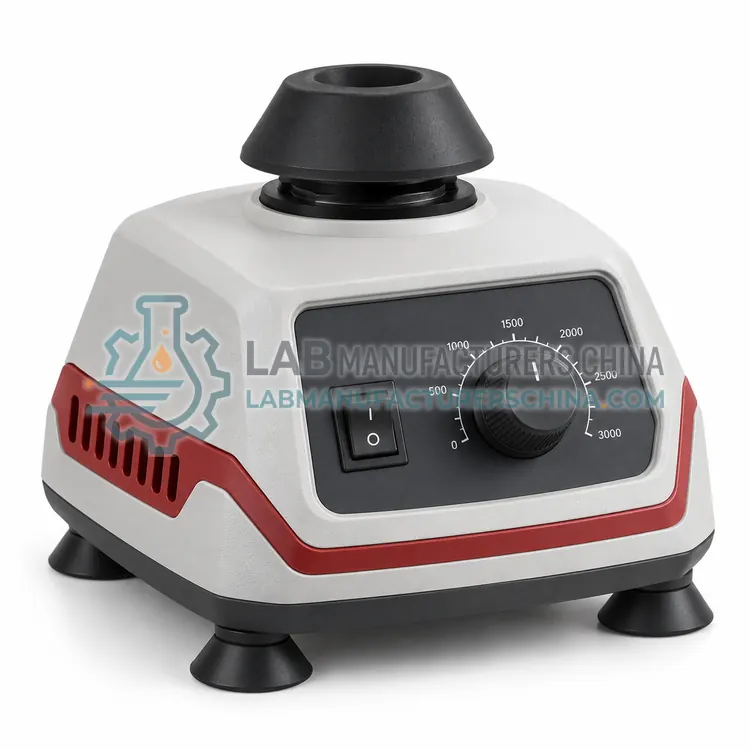 CLMI实验室混合器Laboratory mixers are instruments that blend, suspend, resuspend or emulsify samples by vortexing, rotating, rocking, planetary motion or high-shear rotor action. The category covers vortex, rotary, tube, planetary and high-shear mixers used in analytical, biological, pharmaceutical and materials laboratories.
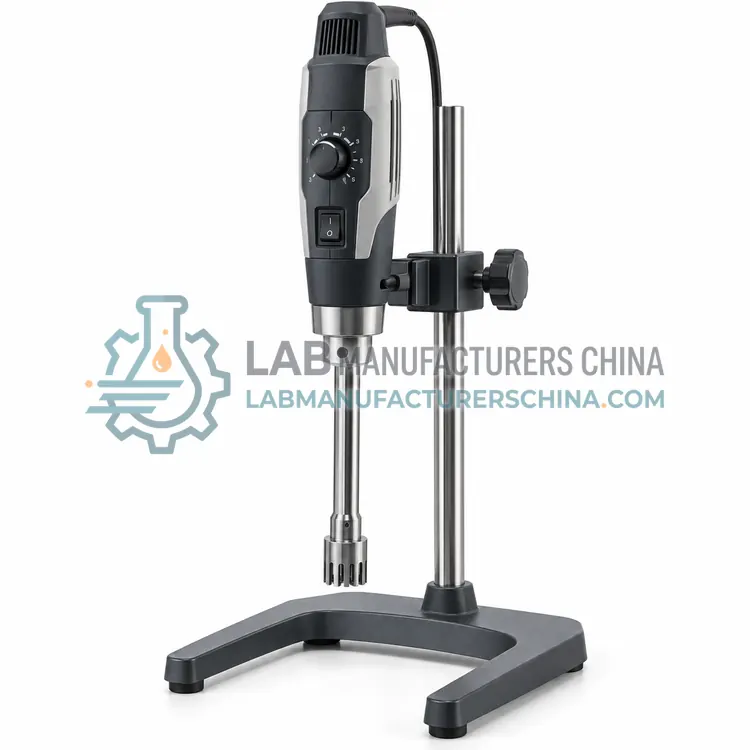 CLAH实验室均质设备Laboratory homogenizers break, disperse and emulsify samples by applying mechanical shear, ultrasound or high pressure. The category covers rotor-stator, ultrasonic, tissue and high-pressure homogenizers used in biology, pharmaceutical, food, cosmetic, chemical and environmental laboratories to prepare uniform samples before analysis.