
Cryogenic Equipment
低温设备
CCRE · General Laboratory Equipment · 4 product types · 20 models
By Lab Manufacturers China Technical TeamLast reviewed
What are Cryogenic Equipment?
Cryogenic equipment covers the vessels, storage systems, freezers and transfer hardware used to hold and move materials at temperatures below about −150°C, typically with liquid nitrogen. Biobanks, fertility clinics, research institutes and industrial laboratories use it for long-term preservation of cells, tissues, gametes and reference samples.
4 product types in Cryogenic Equipment
The 4 product types below are grouped by the exact instrument you need.
- LNT5 models
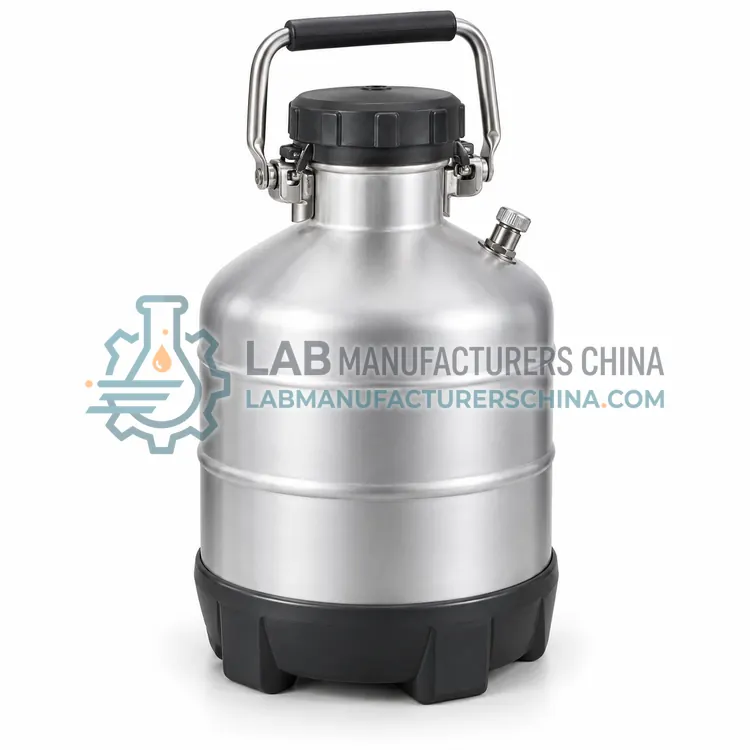
Liquid Nitrogen Tanks
液氮罐
Liquid nitrogen tanks are vacuum-insulated vessels that hold liquid nitrogen at −196°C, either to store samples immersed in or above the liquid or to transport and dispense the liquid itself. Fertility clinics, biobanks, veterinary breeding centers, research laboratories and industrial users rely on them for cryopreservation and cold supply.
- CSS5 models
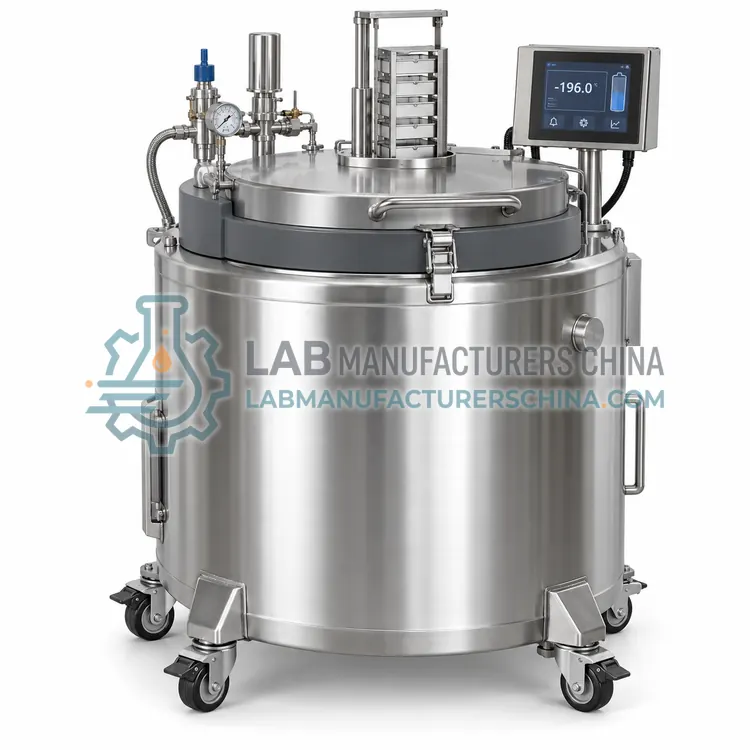
Cryogenic Storage Systems
低温储存系统
Cryogenic storage systems are liquid nitrogen storage installations that combine a large insulated vessel with racks, level control, automatic filling, temperature monitoring and alarms. Biobanks, cell therapy manufacturers, blood and cord blood banks, fertility centers and pharmaceutical developers use them for long-term, traceable storage of high-value samples at −150°C to −196°C.
- CRF5 models
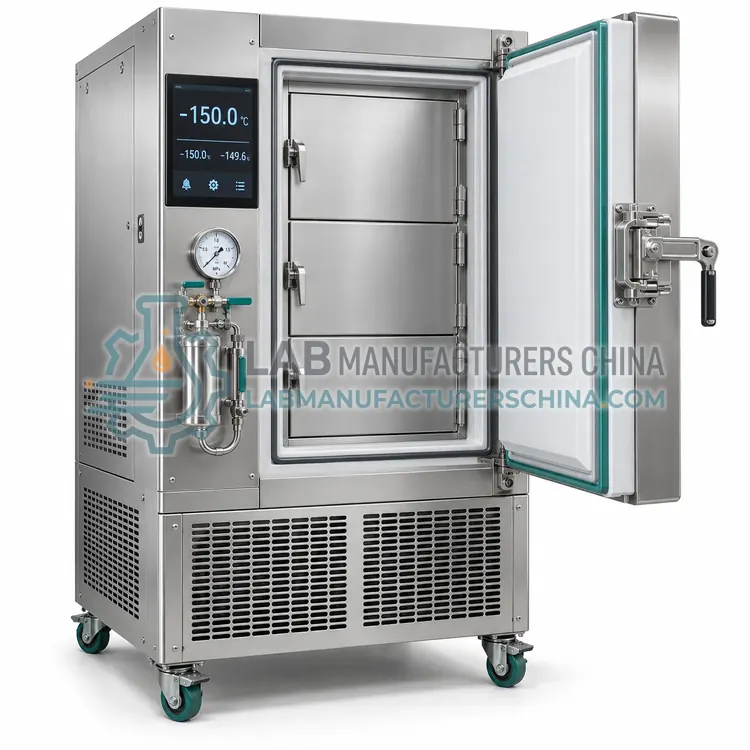
Cryogenic Freezers
低温冷冻箱
Cryogenic freezers are laboratory freezers that hold or freeze samples at −130°C to −150°C and below, either with mechanical cascade refrigeration or by using liquid nitrogen for controlled freezing. Biobanks, cell therapy laboratories, fertility centers and research institutes use them for cell lines, tissues and other samples needing storage below the glass transition point.
- CTE5 models
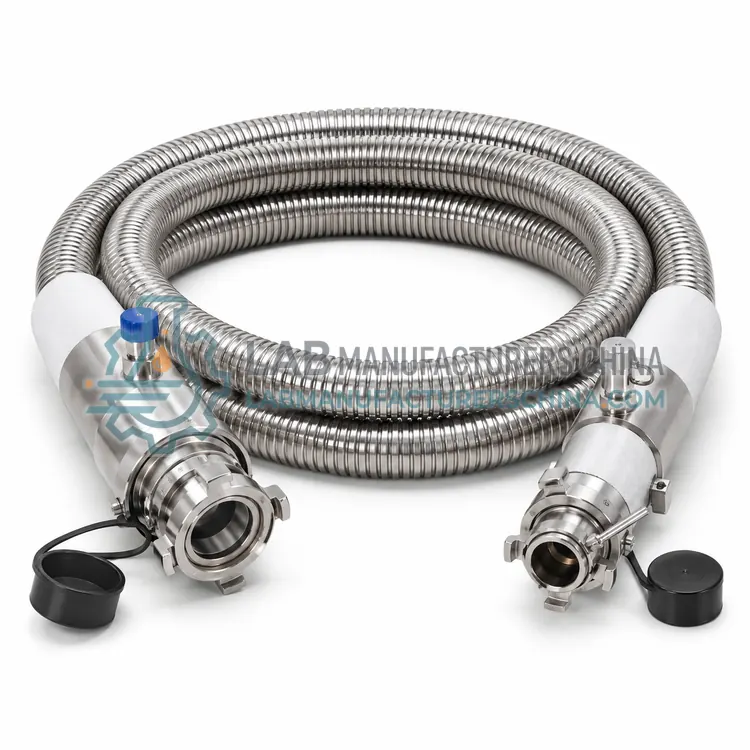
Cryogenic Transfer Equipment
低温转移设备
Cryogenic transfer equipment moves liquid nitrogen and other cryogenic liquids, or frozen samples, between bulk tanks, dewars, storage vessels and instruments while limiting heat gain and gas release. It includes vacuum-jacketed hoses, phase separators, transfer pumps, auto-fill controllers and sample transfer carts used in biobanks, laboratories and industrial cooling.
What are Cryogenic Equipment?
Cryogenic equipment is the group of insulated vessels, storage systems, mechanical freezers and handling accessories designed to maintain samples at liquid-nitrogen temperatures, where liquid nitrogen boils at −196°C at atmospheric pressure. At these temperatures molecular motion and metabolic activity effectively stop, so biological material can be preserved for years to decades. The category includes vacuum-insulated liquid nitrogen tanks for dewar storage and shipping, large storage systems with inventory racks and level control, cryogenic freezers that reach −150°C or lower without a continuous liquid supply, and transfer equipment such as phase separators, transfer hoses, dispensing dewars and cryo-carts. Materials are typically aluminum or stainless steel inner vessels with high-vacuum multilayer insulation. Buyers choose by storage capacity in vials, evaporation rate, sample-handling format and safety features such as oxygen monitoring.
How do Cryogenic Equipment work?
Liquid nitrogen vessels work as passive thermal barriers. An inner vessel holds the liquid, and an evacuated annular space filled with multilayer reflective insulation and adsorbent material limits conduction, convection and radiation, so heat leaks slowly and the liquid boils off at a low, predictable rate. Samples are held either in the liquid phase, at about −196°C, or in the vapor phase, typically −150°C to −190°C depending on the level and the vessel design. Vapor-phase storage reduces cross-contamination risk. Mechanical cryogenic freezers instead use cascade or mixed-refrigerant compression systems to reach −150°C without liquid nitrogen. Transfer equipment moves liquid through vacuum-jacketed hoses, using vessel pressure or pumps, and phase separators remove vapor so that dispensing is stable. Level sensors, solenoid valves and temperature probes automate refilling and alarms.
Where are Cryogenic Equipment used?
Cryogenic equipment supports any workflow in which biological or material integrity must be preserved for long periods. Biobanks store human tissue, blood fractions, DNA and cell suspensions in liquid or vapor phase. Fertility clinics and animal breeding centers hold sperm, oocytes and embryos. Cell therapy and vaccine developers maintain master and working cell banks, and hospitals store stem cells and cord blood. Research laboratories keep hybridomas, cell lines and microbial culture collections. In industry, liquid nitrogen vessels supply cooling for material testing, cryogrinding, shrink fitting and cold-trap operations. Transfer equipment is used wherever liquid nitrogen has to be dispensed safely from bulk tanks into smaller dewars, and shipping dewars enable dry shipment of samples between sites.
Which standards apply to Cryogenic Equipment?
Cryogenic vessels are governed mainly by pressure-equipment and gas-handling rules rather than laboratory-specific standards. ISO 21009-1 covers static vacuum-insulated vessels, and ISO 21010 addresses gas and material compatibility. Transportable vessels fall under pressure-equipment regulations such as the EU Pressure Equipment Directive and, in China, GB/T 18442 for static vacuum-insulated cryogenic vessels. Electrical components of freezers and monitoring systems typically follow IEC 61010-1. Oxygen deficiency is a recognized hazard, and users commonly follow guidance such as EN 13445 or local workplace rules for oxygen monitoring. For biobanking practice, ISO 20387 sets general requirements. Every claimed compliance should be confirmed with the supplier's documentation.
How do I select the right cryogenic equipment?
Start with the storage format: liquid-phase storage gives the lowest, most uniform temperature, while vapor-phase storage reduces contamination risk and is preferred for clinical material. Then size capacity in standard 2 mL vials or straws, allowing 20–30% spare space. Compare static evaporation rate and holding time, because these determine liquid nitrogen consumption and how long a vessel survives without refilling. Decide between passive liquid nitrogen vessels and mechanical cryogenic freezers: mechanical units remove supply dependency but need power and backup. For high-value collections, specify automatic refill, level and temperature alarms, remote monitoring and inventory racks. Check room size, floor loading, ventilation and oxygen sensors. For dispensing, match hose length, pressure rating and phase separators to the tank in use.
Cryogenic Equipment comparison
| Subcategory | Principle | Typical use | Key spec |
|---|---|---|---|
| Liquid Nitrogen Tanks | Vacuum-insulated passive vessel holding liquid nitrogen | Dewar storage, shipping, small collections | Capacity 3–210 L; static evaporation 0.05–1.5 L/day |
| Cryogenic Storage Systems | Large liquid nitrogen vessel with racks, level control and auto-fill | Biobanks, cell banks, clinical storage | Capacity 1,000–100,000+ vials; −150°C vapor phase |
| Cryogenic Freezers | Mechanical cascade or mixed-refrigerant compression | Liquid-nitrogen-free storage at −150°C | Temperature −135°C to −150°C; 300–600 L |
| Cryogenic Transfer Equipment | Vacuum-jacketed hoses, pumps and phase separators | Dispensing liquid nitrogen from bulk tanks | Pressure up to 1.5 bar; hose length 1–10 m |
Frequently asked questions about Cryogenic Equipment
Liquid nitrogen vessels hold samples at about −196°C in the liquid phase and roughly −150°C to −190°C in the vapor phase. Mechanical cryogenic freezers typically reach −150°C. Ultra-low mechanical freezers at −80°C are not normally classed as cryogenic equipment.
Liquid-phase storage gives the coldest and most uniform temperature but carries a risk of cross-contamination if vials leak. Vapor-phase storage, at about −150°C or below, avoids direct liquid contact and is commonly preferred for clinical and cell therapy material.
Holding time depends on vessel volume, neck diameter, insulation quality and how often it is opened. Small laboratory dewars typically hold from a few weeks to a few months, while large storage systems need periodic refilling, often weekly, unless an automatic fill system is used.
Mechanical freezers reaching −150°C remove the need for continuous liquid nitrogen supply and reduce asphyxiation risk, but they depend on electrical power and a backup plan. Many collections use both, keeping duplicates in separate units for risk distribution.
Liquid nitrogen expands about 700 times when it evaporates, so rooms need ventilation and oxygen monitoring that alarms below roughly 19.5% oxygen. Operators should wear a face shield, cryogenic gloves and closed shoes, and vessels must never be sealed without pressure relief.
Count the number of 2 mL cryovials, straws or bags you need to store, then add 20–30% spare capacity for growth and rack reorganization. Compare the vial count for the specific rack format, since quoted capacities vary between box and canister designs.
Related categories
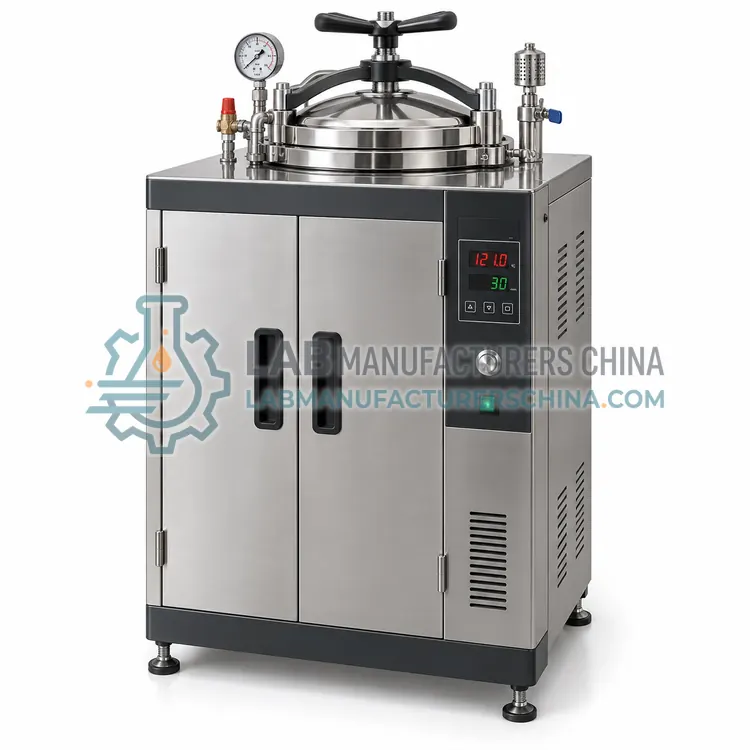 CLSE实验室灭菌设备Laboratory sterilization equipment inactivates or removes microorganisms from media, glassware, instruments, waste and work surfaces using saturated steam, dry heat, hot glass beads or ultraviolet radiation. Microbiology, clinical, pharmaceutical, food and research laboratories use it to protect sample integrity, prevent cross-contamination and treat biohazardous material.
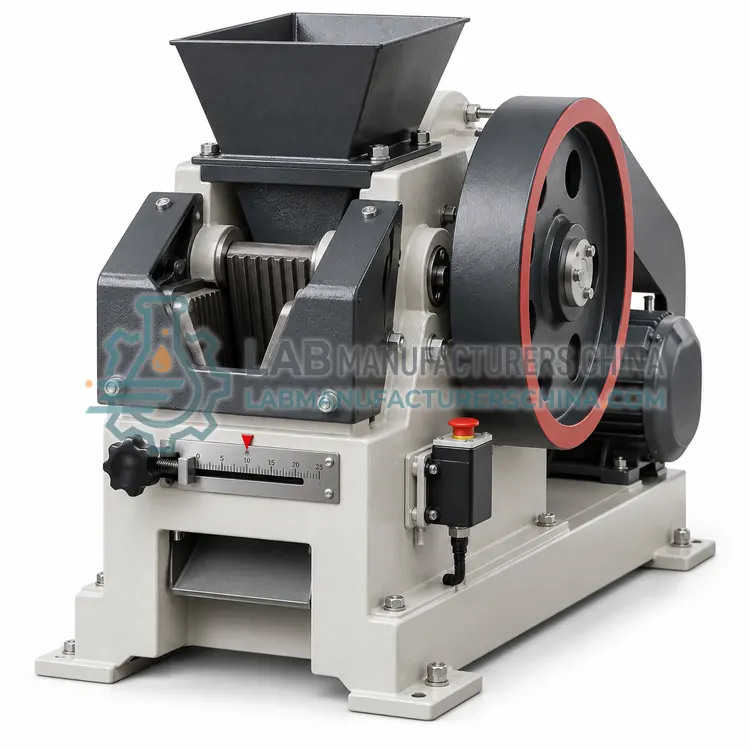 CSPE样品前处理设备Sample preparation equipment reduces, homogenizes, extracts and digests laboratory samples before analysis. The category covers crushers, grinders, mills, homogenizers, digesters, extractors and sample dividers used to produce representative, analysis-ready material in analytical and quality-control laboratories.
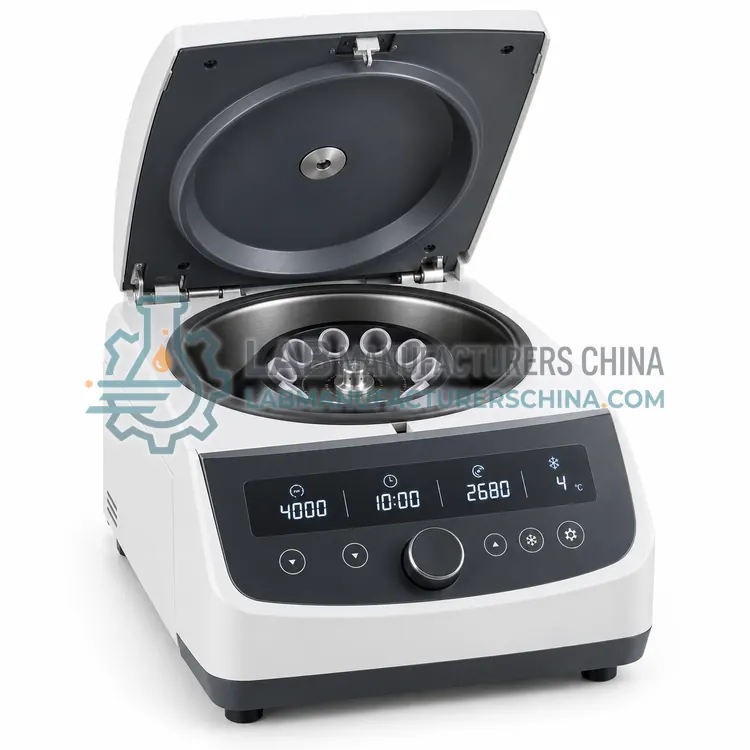 CLAC实验室离心机Laboratory centrifuges separate particles, cells and macromolecules from liquid samples by applying centrifugal force in a rotating rotor. The category spans benchtop, high-speed, refrigerated, micro and ultra-speed units used in clinical, pharmaceutical, biotechnology, chemical and academic laboratories for sample preparation and purification.
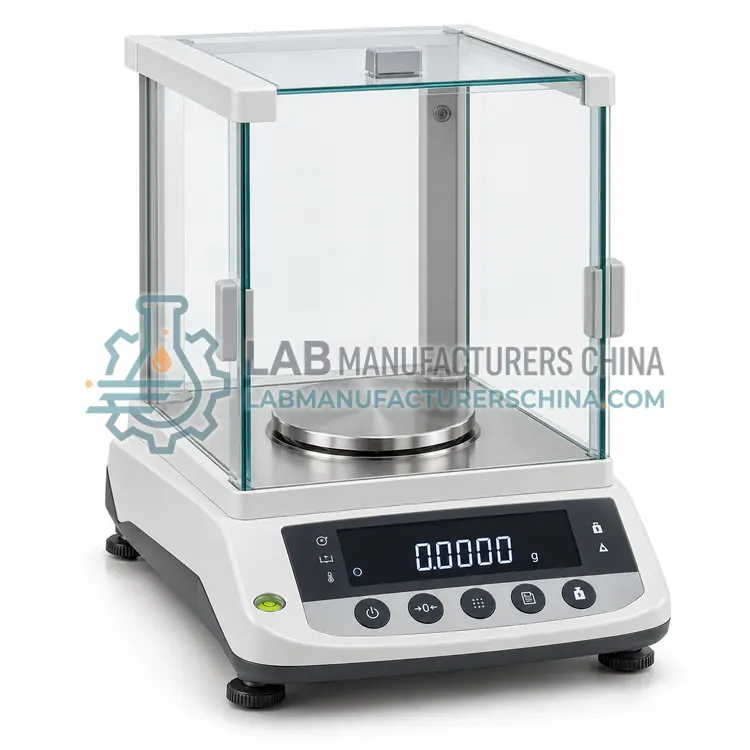 CLAB实验室天平Laboratory balances measure mass with readability from 0.1 microgram to 1 kg across analytical, precision, micro, moisture and platform types. They support sample preparation, formulation, gravimetric analysis and quality control in pharmaceutical, chemical, food, environmental, clinical and academic laboratories.