
Laboratory Balances
实验室天平
CLAB · General Laboratory Equipment · 5 product types · 25 models
By Lab Manufacturers China Technical TeamLast reviewed
What are Laboratory Balances?
Laboratory balances measure mass with readability from 0.1 microgram to 1 kg across analytical, precision, micro, moisture and platform types. They support sample preparation, formulation, gravimetric analysis and quality control in pharmaceutical, chemical, food, environmental, clinical and academic laboratories.
5 product types in Laboratory Balances
The 5 product types below are grouped by the exact instrument you need.
- ANB5 models
Analytical Balances
分析天平
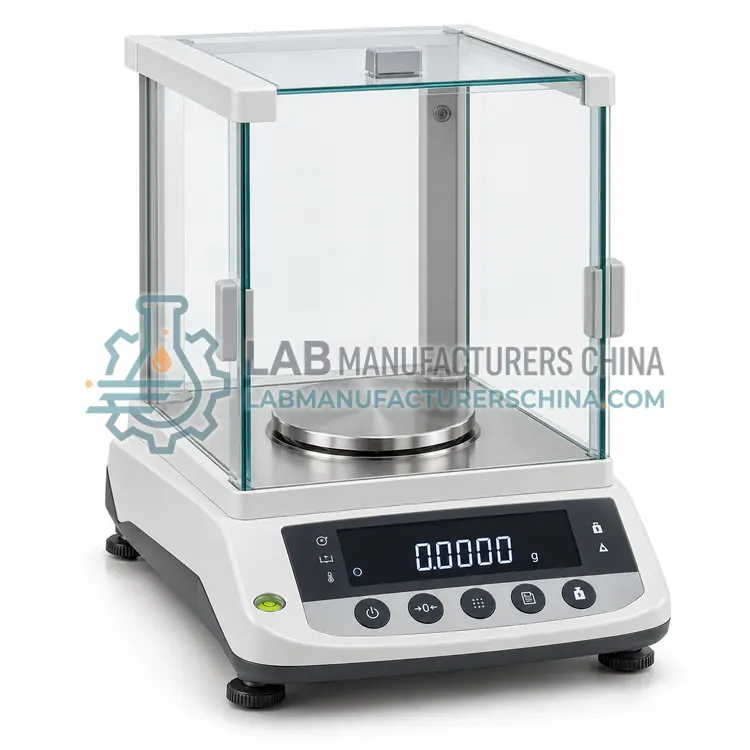
Analytical balances are laboratory weighing instruments with readability of 0.1 mg or 0.01 mg and capacities of about 50 to 320 g, enclosed in a draft shield. They determine mass for sample preparation, standard solutions and gravimetric analysis in pharmaceutical, chemical, food and academic laboratories.
- PRB5 models
Precision Balances
精密天平
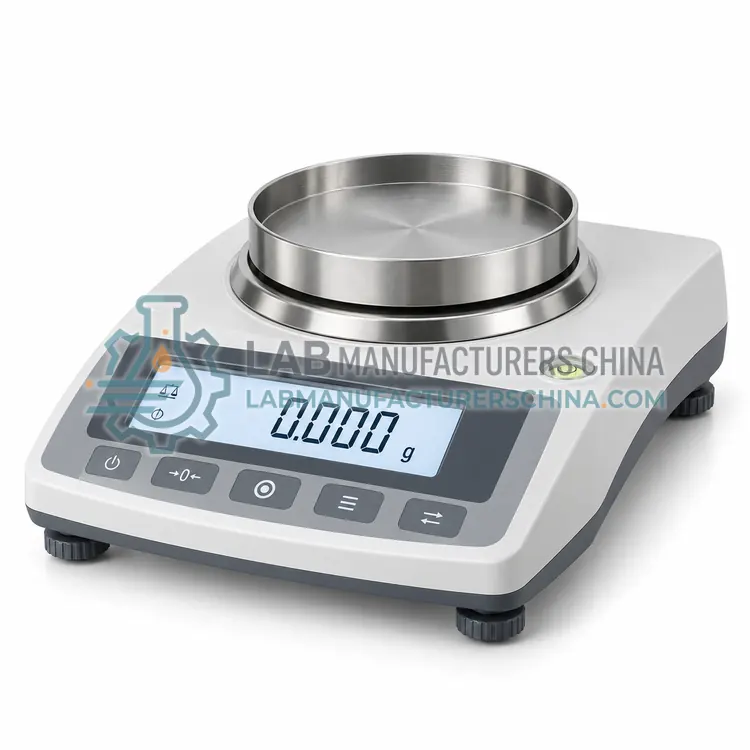
Precision balances are laboratory weighing instruments with readability from 1 mg to 0.01 g and capacities from about 200 g to several kilograms, usually with a pan that is open or fitted with a simple shield. They are used for formulation, reagent preparation, quality control and production-line checks.
- MCR5 models
Microbalances
微量天平
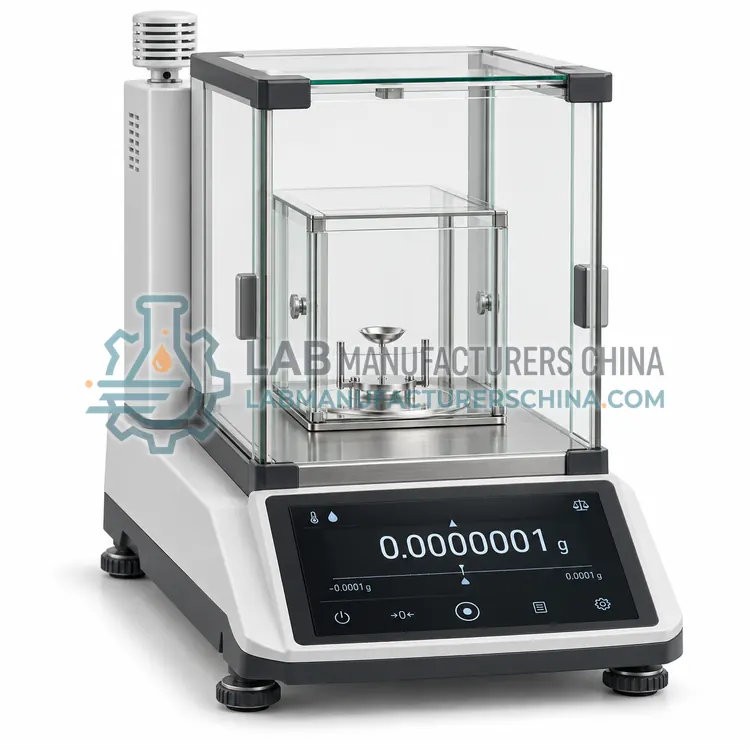
Microbalances are laboratory balances with readability of 1 microgram or finer and capacities typically between 2 and 50 g, housed in a fully enclosed draft shield. They weigh very small samples such as filters, reference standards, thin films and catalysts in pharmaceutical, environmental and materials laboratories.
- MOB5 models
Moisture Balances
水分测定仪
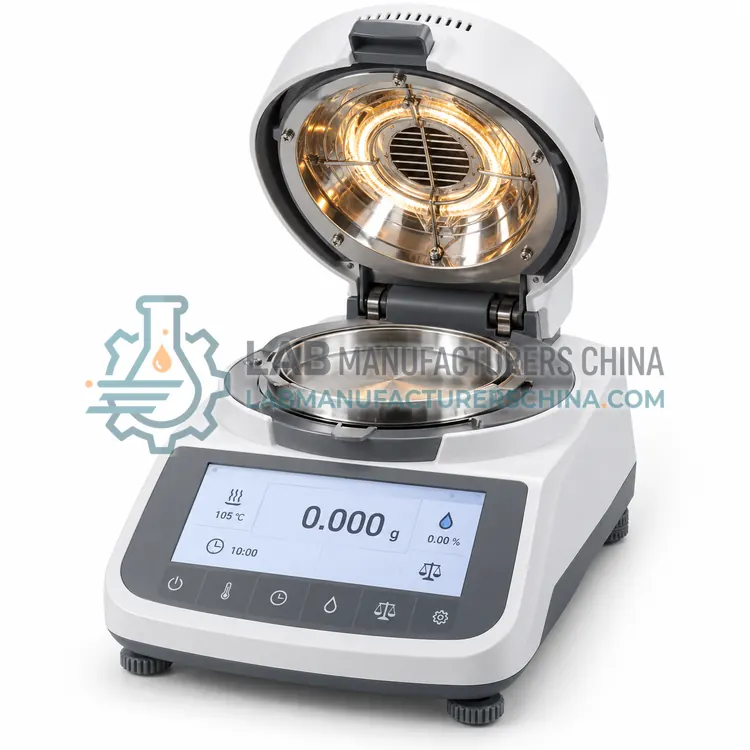
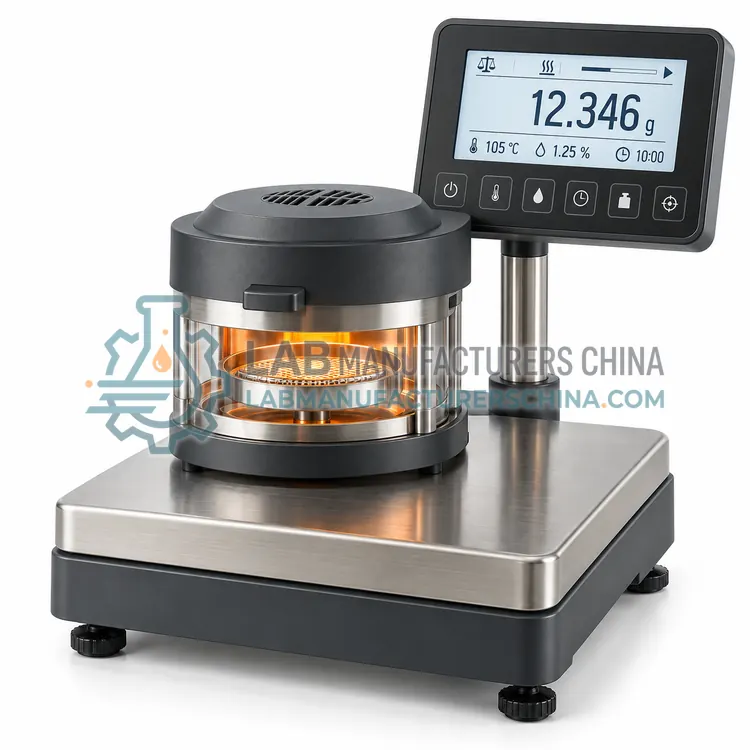
Moisture balances, also called moisture analyzers, combine a precision balance with a heating unit to determine moisture content by the loss-on-drying method. A sample is weighed, heated and re-weighed continuously until mass stabilizes. They are used in food, pharmaceutical, chemical, plastics and agricultural laboratories for rapid moisture results.
- PLB5 models
Platform Balances
台秤
Platform balances are heavy-duty weighing instruments with a large platform and capacities from about 6 kg to several tonnes, with readability from 0.1 g to 1 kg. They weigh drums, containers, bulk materials and pallets in laboratories, pilot plants, warehouses and production areas.
What are Laboratory Balances?
A laboratory balance is an instrument that determines the mass of a sample, reporting the result in milligrams, grams or kilograms. Families are defined by readability and capacity. Microbalances read to 1 microgram or finer, analytical balances to 0.1 or 0.01 mg, precision balances from 1 mg to 0.01 g, and platform balances weigh loads from several kilograms to tonnes. Moisture balances combine a weighing cell with a heater to determine water content by loss on drying. Most modern balances are electronic, using electromagnetic force restoration or strain-gauge load cells, and they present results on a digital display with data outputs. Accessories include draft shields, ionizers, calibration weights, anti-vibration tables and software for data integrity and traceable records.
How do Laboratory Balances work?
Most laboratory balances rely on electromagnetic force restoration. The weighing pan is connected to a lever or monolithic cell, and a coil in a permanent magnetic field produces the force needed to hold the pan at a reference position. The coil current is proportional to load and is digitized into a mass reading. Platform balances and some precision balances use strain-gauge load cells, where a metal element deforms under load and bonded gauges change resistance in a Wheatstone bridge. Moisture balances add a halogen, infrared, tubular or microwave heater and follow mass loss until stable. Temperature compensation, vibration filters and internal calibration weights maintain accuracy. Environmental factors such as air currents, static charge, temperature gradients and buoyancy increasingly influence results as readability becomes finer, so enclosures and installation conditions matter.
Where are Laboratory Balances used?
Balances appear in almost every laboratory workflow. Pharmaceutical laboratories weigh reference standards, active ingredients and excipients for assays, content uniformity and dissolution media. Chemical and materials laboratories prepare standards, catalysts and formulations and perform gravimetric analysis. Food and agricultural laboratories determine moisture, ash and fat content, where moisture balances give quick results. Environmental laboratories weigh particulate filters for PM2.5 and PM10 using microbalances under controlled humidity. Clinical and life-science laboratories prepare buffers and media with precision balances. Production areas and warehouses use platform balances for drum weighing, batching and checkweighing. Education settings use robust precision balances for training. In each setting the required readability is set by the smallest sample and the tolerance of the method.
Which standards apply to Laboratory Balances?
Balance performance is addressed by several documents. USP <41> sets repeatability and accuracy requirements for balances used in pharmacopoeial work, and USP <1251> gives weighing guidance including minimum weight. Ph. Eur. 2.1.7 covers balances for analytical purposes. OIML R 76-1 defines metrological requirements and accuracy classes for non-automatic weighing instruments, and OIML R 111-1 covers calibration weights. ASTM E898 addresses testing of top-loading direct-reading balances. For moisture determination, USP <731> and Ph. Eur. 2.2.32 describe loss on drying, and ISO 712 covers cereals. Electrical safety follows IEC 61010-1, and hazardous-area scales follow the IEC 60079 series. Quality management is usually evidenced by ISO 9001. Certification status must be verified for each model.
How do I select the right laboratory balances equipment?
Choose by the smallest sample and the tolerance you must achieve. Compute minimum weight from the balance's repeatability and select a readability that gives it well below your smallest sample. Below about 5 mg needs a microbalance, 5 mg to 100 mg suggests a semi-micro or analytical balance, and samples above a few grams are served by precision balances. Choose platform balances for loads above several kilograms. Use a moisture balance for routine loss on drying. Then weigh site conditions, since vibration, drafts and temperature affect finer balances most, and decide between internal and external calibration. For regulated work require audit trail and data integrity features. Finally check capacity, pan size, hazardous-area or washdown needs and calibration service availability.
Laboratory Balances comparison
| Subcategory | Principle | Typical use | Key spec |
|---|---|---|---|
| Analytical Balances | Electromagnetic force restoration with draft shield | Assays, standard preparation, gravimetry | 0.1 mg or 0.01 mg, up to 320 g |
| Precision Balances | Electromagnetic or strain-gauge cell | Reagent and media preparation, formulation | 1 mg to 0.01 g, up to several kg |
| Microbalances | High-resolution monolithic cell in enclosed chamber | Filters, reference standards, thin films | 0.1–1 µg, 2–52 g |
| Moisture Balances | Weighing cell with heater, loss on drying | Moisture content of solids and powders | 0.001–0.1% moisture readability |
| Platform Balances | Strain-gauge load cells under large platform | Drums, pallets, bulk materials | 6 kg to several tonnes, 0.1 g–1 kg |
Frequently asked questions about Laboratory Balances
The main types are microbalances (1 microgram or finer), analytical balances (0.1 or 0.01 mg), precision balances (1 mg to 0.01 g), moisture balances (loss on drying) and platform balances for heavy loads. They differ in readability, capacity and installation requirements.
Determine the smallest sample you weigh and the required relative tolerance, then pick a balance whose minimum weight is below that sample. As a guide, 0.1 mg suits samples above about 100 mg at 0.1 percent tolerance, while 1 microgram suits samples above a few milligrams.
Check with certified weights on each day of use, and calibrate or adjust after relocation or environmental change. Accredited calibration with uncertainty evaluation is typically annual, or more often for critical work, following the laboratory quality system and risk assessment.
Minimum weight is the smallest sample that can be weighed within a stated relative error. Below it, the measurement uncertainty from repeatability becomes too large. USP <41> and USP <1251> require weighing above minimum weight for compliant results.
Place it on a rigid, level bench or anti-vibration table, away from doors, air vents, direct sunlight and heat sources, at stable temperature and 40 to 60 percent humidity. Finer balances need stricter conditions, and microbalances benefit from dedicated rooms.
Related categories
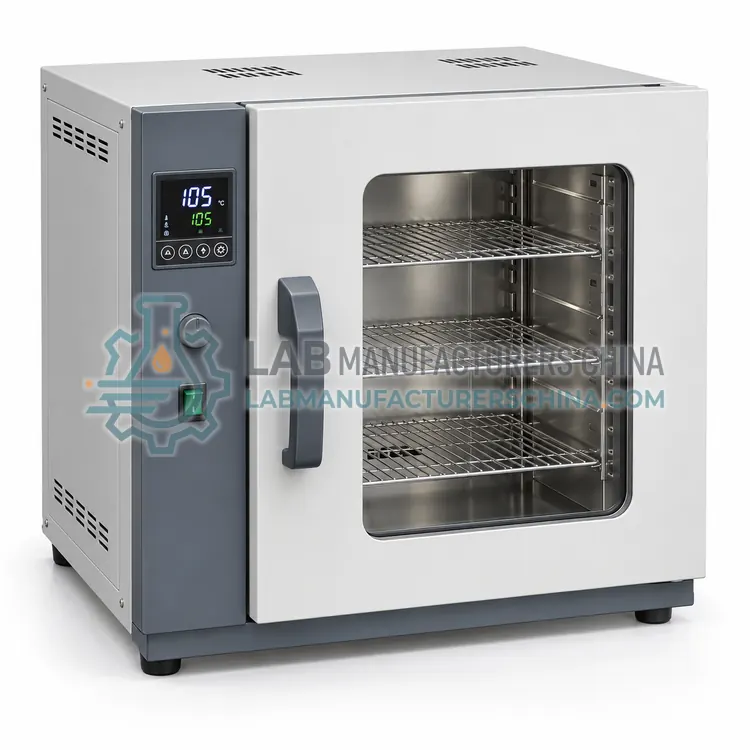 CLAO实验室烘箱Laboratory ovens are insulated, electrically heated chambers that hold a set temperature to dry, bake, cure, condition or heat-treat samples and glassware. The category covers gravity and forced-air drying ovens, vacuum ovens, high-temperature ovens and larger industrial laboratory ovens, with working temperatures from about 50 C to 600 C.
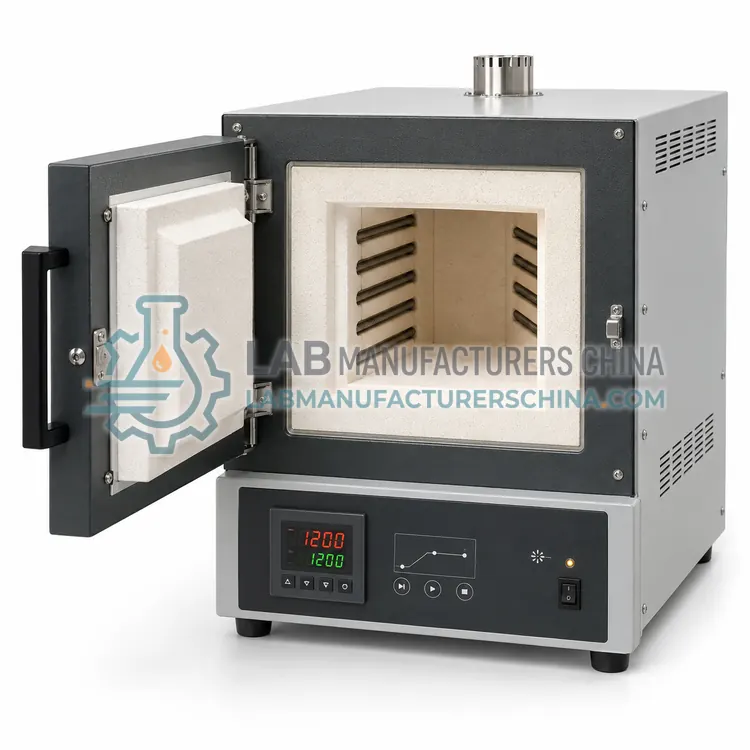 CLAF实验室高温炉Laboratory furnaces are high-temperature electrically heated chambers used for ashing, sintering, calcination, melting and heat treatment, with working temperatures from about 1000 C up to 1800 C. The category includes muffle, tube, vacuum, ashing and high-temperature furnaces, which differ in chamber geometry, atmosphere control and maximum temperature.
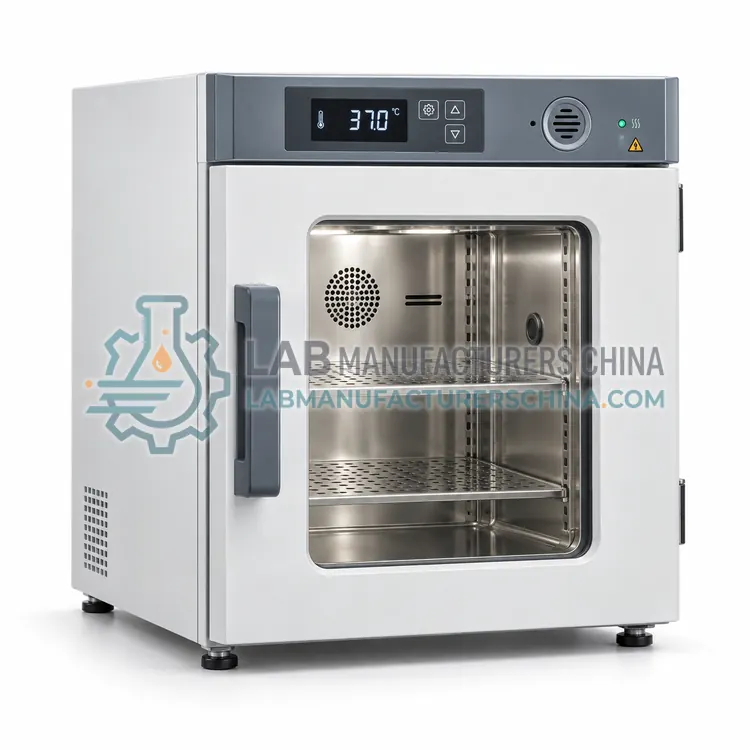 CLAI实验室培养箱Laboratory incubators are temperature-controlled chambers that maintain stable conditions for growing, culturing and storing microorganisms, cells, plants and samples, typically from 5 C to 80 C with optional CO2, humidity and shaking. The category covers standard, CO2, cooling, shaking and BOD incubators used in microbiology, cell culture and environmental testing.
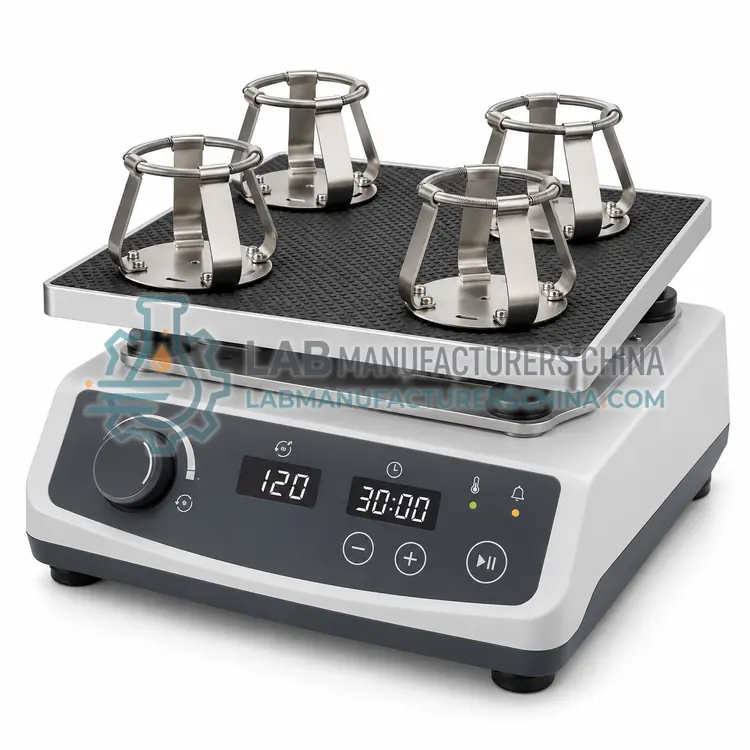 CLAS实验室摇床Laboratory shakers mix, aerate and suspend samples through controlled motion, using orbital, reciprocal, rocking, incubator and microplate formats. Speed typically ranges from 10 to 300 rpm for large platforms and up to 1500 rpm on small units, with load capacities from a single microplate to several liters of flasks.