
Laboratory Mixers
实验室混合器
CLMI · General Laboratory Equipment · 5 product types · 25 models
By Lab Manufacturers China Technical TeamLast reviewed
What are Laboratory Mixers?
Laboratory mixers are instruments that blend, suspend, resuspend or emulsify samples by vortexing, rotating, rocking, planetary motion or high-shear rotor action. The category covers vortex, rotary, tube, planetary and high-shear mixers used in analytical, biological, pharmaceutical and materials laboratories.
5 product types in Laboratory Mixers
The 5 product types below are grouped by the exact instrument you need.
- VOM5 models
Vortex Mixers
涡旋混合器
Vortex mixers are compact benchtop instruments that shake a tube or vial in a small, fast orbital motion, creating a vortex that mixes liquids within seconds. They are used in analytical, clinical, molecular biology and pharmaceutical laboratories to mix reagents, resuspend pellets and homogenize small samples.
- ROM5 models
Rotary Mixers
旋转混合器
Rotary mixers hold tubes or vials on a rotating rotor and turn them end-over-end at low speed, mixing liquids gently without foaming or shear. They are used in clinical, molecular biology, pharmaceutical and environmental laboratories for blood, cell, protein and extraction samples.
- TMI5 models
Tube Mixers
试管混合器
Tube mixers agitate tubes, bottles and culture vessels by rolling, rocking or reciprocating motion rather than fast shaking. The gentle action mixes blood, cell cultures, reagents and buffers without foaming, and is used in clinical, biological, pharmaceutical and environmental laboratories.
- PLM5 models
Planetary Mixers
行星式混合器
Planetary mixers blend, disperse and degas viscous materials using blades or containers that orbit on two axes at once. They are used in battery, coatings, adhesives, cosmetics, pharmaceutical and electronics laboratories to prepare pastes, slurries, gels and composites at bench or pilot scale.
- HSM5 models
High-Shear Mixers
高剪切混合器
High-shear mixers use a rotor-stator or high-speed disperser head to apply intense shear, reducing droplet and particle size while blending immiscible or poorly wetted components. They are used in pharmaceutical, cosmetic, food, chemical and coating laboratories to make emulsions, suspensions and dispersions.
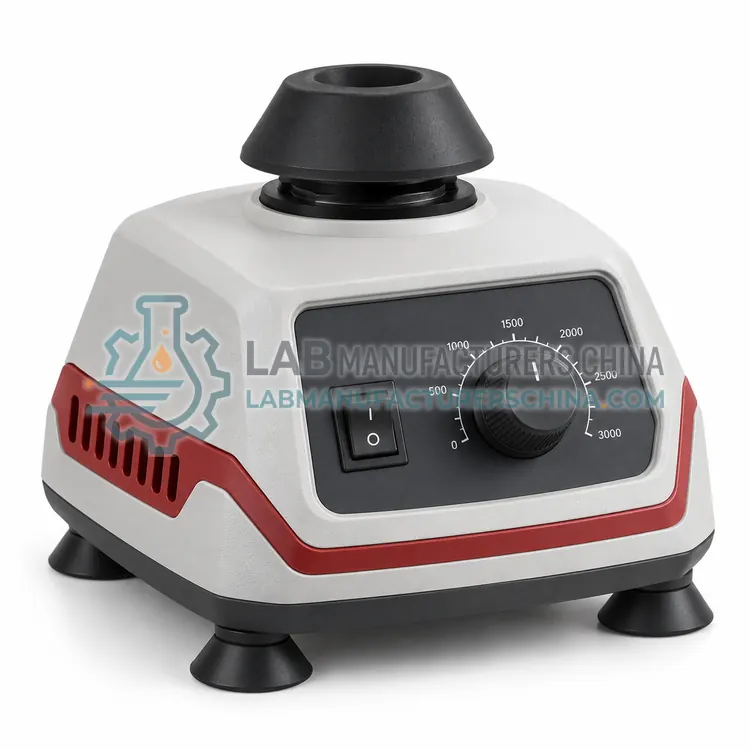
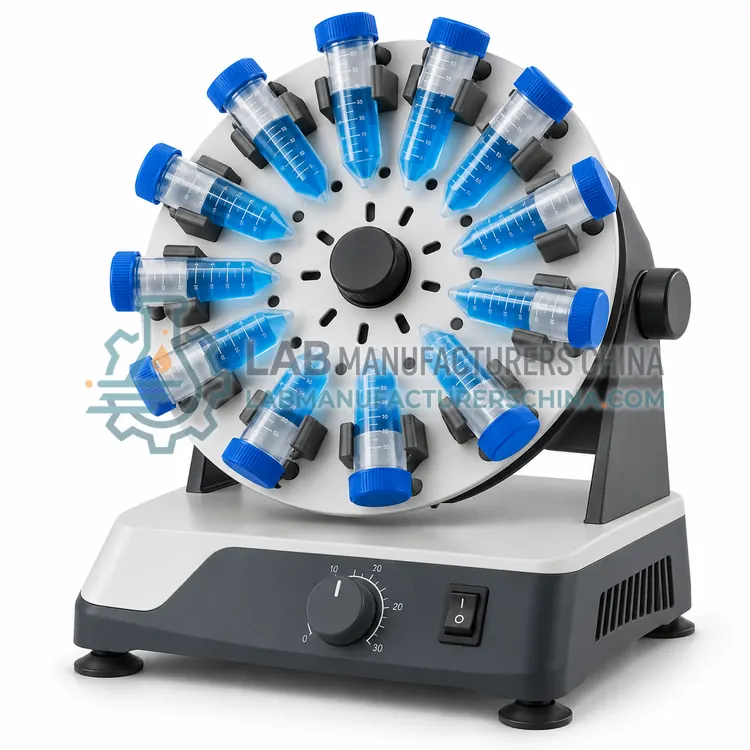
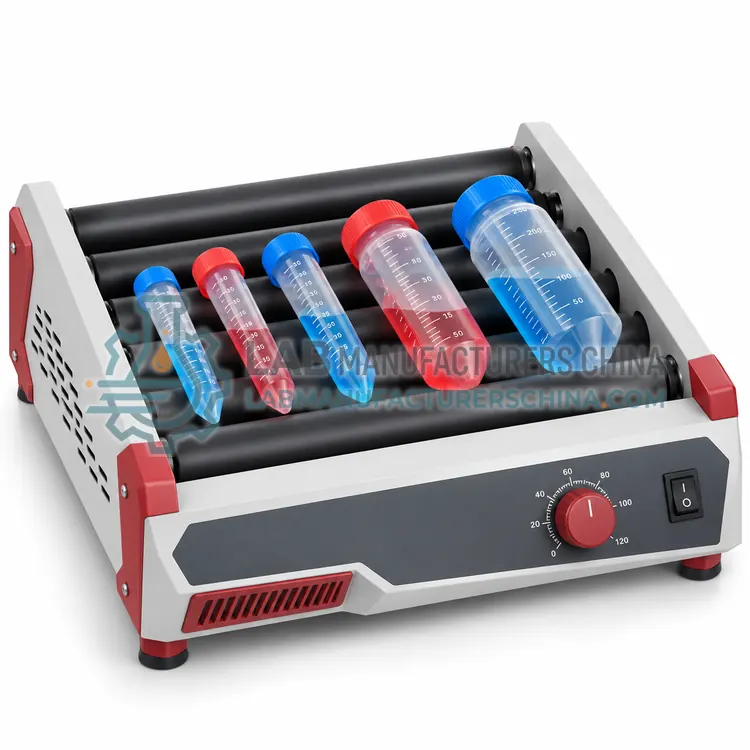
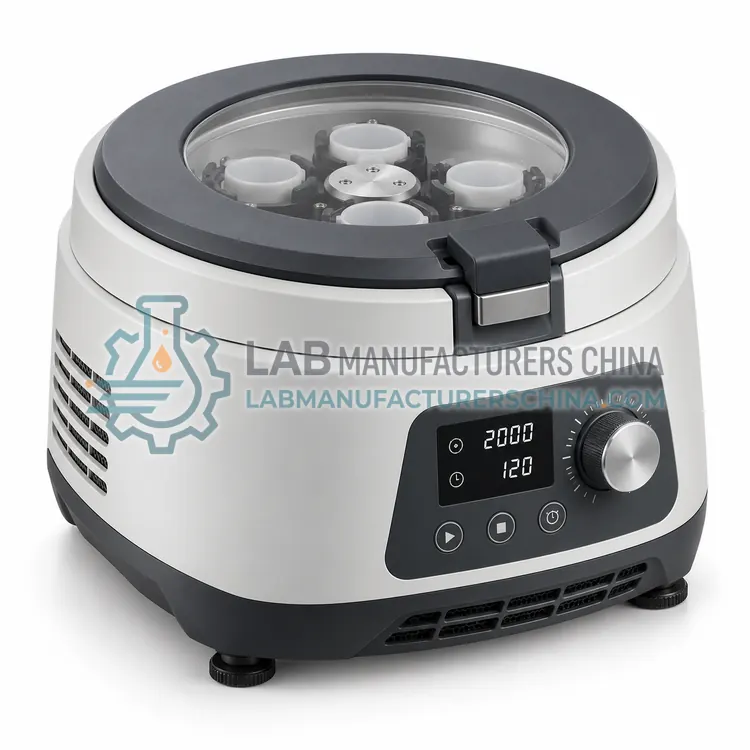
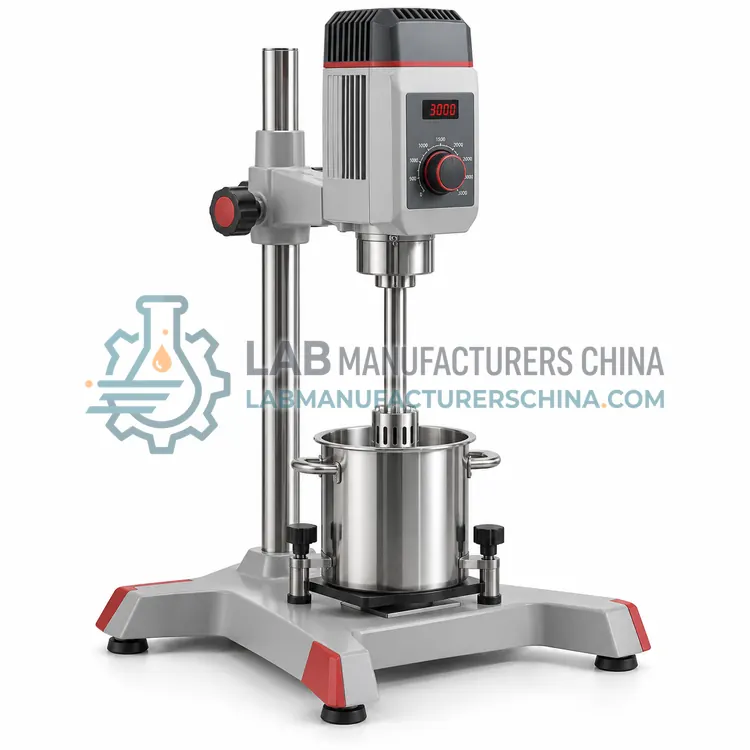
What are Laboratory Mixers?
A laboratory mixer is a benchtop or floor-standing instrument that agitates samples in tubes, bottles, vials or open vessels to achieve a uniform blend without using an impeller dipped into every sample, although some types do use one. Five families dominate catalogues. Vortex mixers shake a tube in a small orbit at high speed to create a vortex. Rotary mixers turn tubes end-over-end on a wheel or rotator for gentle mixing. Tube mixers, such as rockers, rollers and shakers, provide reciprocating or rolling motion for blood tubes and culture bottles. Planetary mixers rotate vessels around two axes for bubble-free blending of pastes and powders. High-shear mixers use a rotor-stator head to break down droplets and agglomerates. Selection depends on sample volume, viscosity, shear sensitivity and container format.
How do Laboratory Mixers work?
Vortex mixers use an eccentric motor that drives a cup or platform in a small orbital path, typically 3 to 6 mm, at 100 to 3,000 rpm, so liquid in a tube forms a vortex. Rotary mixers spin a rotor holding tubes at 5 to 100 rpm to turn them through 360 degrees, often with orbital or reciprocating movements added. Rollers turn bottles horizontally, and rockers tilt platforms through a set angle to create waves. Planetary mixers combine revolution of a carrier with rotation of the vessel on its own axis, generating centrifugal forces that blend materials and expel air. High-shear mixers spin a rotor inside a fixed stator at 3,000 to 30,000 rpm, forcing liquid through narrow gaps where shear, turbulence and cavitation break down droplets and particles. Brushless motors, speed sensors and overload detection are common control features.
Where are Laboratory Mixers used?
Vortex mixers prepare samples for chromatography, PCR and immunoassays, resuspend cell pellets, and mix reagents in tubes. Rotary and tube mixers keep blood tubes anticoagulated, mix samples gently for cell and protein work, and maintain suspensions during incubation. Planetary mixers are used in materials research to blend battery slurries, electronic pastes, dental composites, cosmetics and pharmaceutical semi-solids without introducing air. High-shear mixers emulsify creams and lotions, disperse pigments and nanoparticles, prepare suspensions and homogenize food and pharmaceutical samples at development scale. Quality control laboratories use mixers for reproducible sample preparation in accordance with written methods, while academic laboratories rely on them for routine day-to-day workflows. Correct selection avoids problems such as foaming, protein denaturation from excess shear, or incomplete suspension of dense particles.
Which standards apply to Laboratory Mixers?
Laboratory mixers are electrical equipment assessed against IEC 61010-1 for safety, IEC 61010-2-051 for laboratory mixing and stirring equipment, and IEC 61326-1 for electromagnetic compatibility. European supply typically involves CE marking under the Low Voltage and EMC Directives, with RoHS compliance often requested. Manufacturing quality may be documented under ISO 9001. Mixing performance is not governed by a single standard, but methods may specify it: USP and pharmacopoeial procedures describe shaking or mixing conditions, CLSI guidelines describe blood tube mixing before analysis, and ISO 3219 and ASTM methods apply to viscosity measurement. Qualification typically includes speed verification, noise and vibration checks.
How do I select the right laboratory mixers equipment?
Start with the sample container and volume: microtubes and PCR strips suit compact vortex mixers with adapters, blood tubes need rotators or rockers, and bottles or flasks suit rollers and shakers. Next consider how aggressive the mixing should be. Vortexing resuspends pellets quickly but may foam or damage fragile cells, while rotary and rocking motion is gentle. Viscous or bubble-sensitive materials, such as slurries and resins, call for planetary mixers, and emulsification or particle size reduction needs a rotor-stator high-shear mixer with the right head. Check speed range, orbit diameter, touch or continuous operation, timer, load capacity and whether the instrument is used in a biosafety cabinet or cold room. Include sample type, volume and viscosity in your inquiry.
Laboratory Mixers comparison
| Subcategory | Principle | Typical use | Key spec |
|---|---|---|---|
| Vortex Mixers | Eccentric orbital shaking forms a vortex | Tube mixing, pellet resuspension | 100–3,000 rpm, 4–6 mm orbit |
| Rotary Mixers | Tubes rotate end-over-end on a rotor | Gentle mixing of cells, blood and proteins | 5–100 rpm, 360° rotation |
| Tube Mixers | Rolling, rocking or reciprocating motion | Blood tubes, bottles and culture vessels | 10–80 rpm, tilt up to 20° |
| Planetary Mixers | Revolution plus rotation for bubble-free blending | Pastes, slurries and resins | Up to 2,000 rpm revolution, 10 mL–1 L |
| High-Shear Mixers | Rotor-stator shear breaks droplets and agglomerates | Emulsions, dispersions and suspensions | 3,000–30,000 rpm, 1 mL–30 L |
Frequently asked questions about Laboratory Mixers
A vortex mixer shakes a tube in a small orbit at high speed, forming a vortex that mixes small volumes within seconds. A rotary mixer turns tubes end-over-end at low speed for gentle, extended mixing that suits cells, blood and protein samples.
A planetary centrifugal mixer blends and degasses in one step, making it the first choice for pastes, resins and slurries. For liquids, use gentle rotary or rocking motion instead of vortexing, which introduces air and can cause foaming.
Blood tubes are mixed by gentle inversion or on a tube rotator or roller at a low speed, typically 10 to 30 rpm, to avoid hemolysis. Follow the tube manufacturer's inversion count and CLSI guidance rather than vortexing.
A high-shear mixer forces fluid through a rotor-stator gap at very high speed, creating intense shear that reduces droplet size, disperses agglomerates and forms stable emulsions. A stirrer only circulates the liquid and cannot achieve this size reduction.
Safety is covered by IEC 61010-1 and IEC 61010-2-051 for mixing and stirring equipment, with IEC 61326-1 for EMC. CE marking and RoHS are typically requested for export, and manufacturers often hold ISO 9001 quality systems.
Related categories
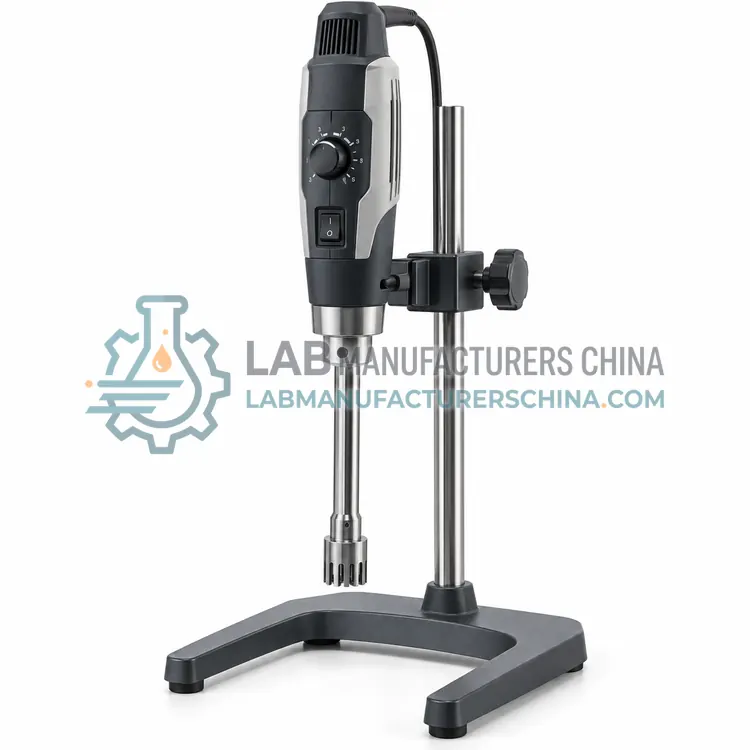 CLAH实验室均质设备Laboratory homogenizers break, disperse and emulsify samples by applying mechanical shear, ultrasound or high pressure. The category covers rotor-stator, ultrasonic, tissue and high-pressure homogenizers used in biology, pharmaceutical, food, cosmetic, chemical and environmental laboratories to prepare uniform samples before analysis.
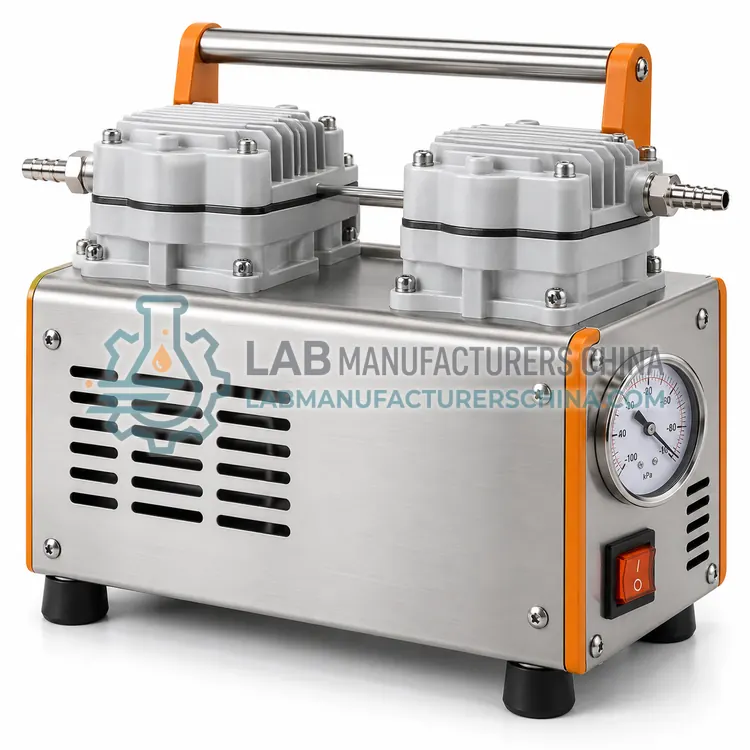 CLAP实验室泵Laboratory pumps move liquids, gases or slurries through tubing, columns and vessels under controlled flow, pressure or vacuum. The category covers vacuum, peristaltic, diaphragm, syringe and circulation pumps used for sample handling, chromatography, filtration, dosing and temperature control in research, quality control and process development.
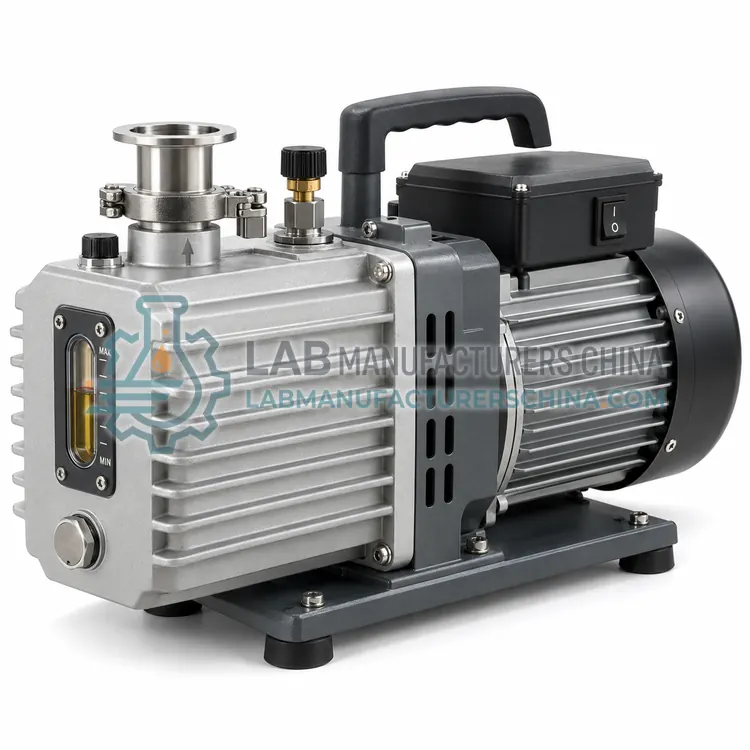 CVAE真空设备Vacuum equipment creates, contains and controls reduced pressure for laboratory and industrial processes. The category covers vacuum pumps, chambers, manifolds, controllers and complete systems used for drying, filtration, degassing, coating, distillation, freeze drying and sample preparation.
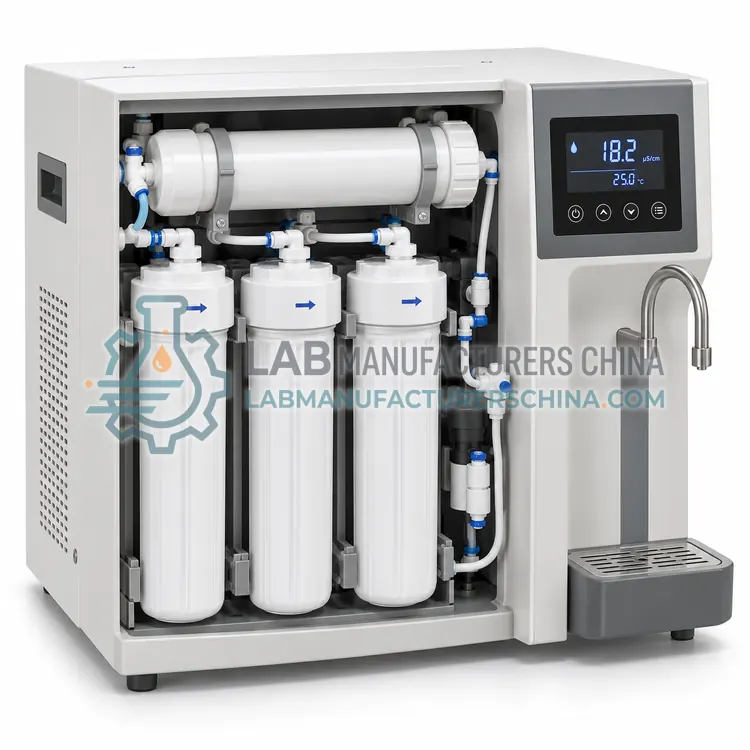 CLWP实验室水纯化设备Laboratory water purification equipment produces water of defined purity from tap or pretreated feed for analytical, biological and industrial use. The category covers reverse osmosis systems, deionizers, ultrapure water systems, distillation units and larger water purification plants.