
Laboratory Water Purification
实验室水纯化设备
CLWP · General Laboratory Equipment · 5 product types · 30 models
By Lab Manufacturers China Technical TeamLast reviewed
What are Laboratory Water Purification?
Laboratory water purification equipment produces water of defined purity from tap or pretreated feed for analytical, biological and industrial use. The category covers reverse osmosis systems, deionizers, ultrapure water systems, distillation units and larger water purification plants.
5 product types in Laboratory Water Purification
The 5 product types below are grouped by the exact instrument you need.
- RSY6 models
RO Systems
反渗透系统
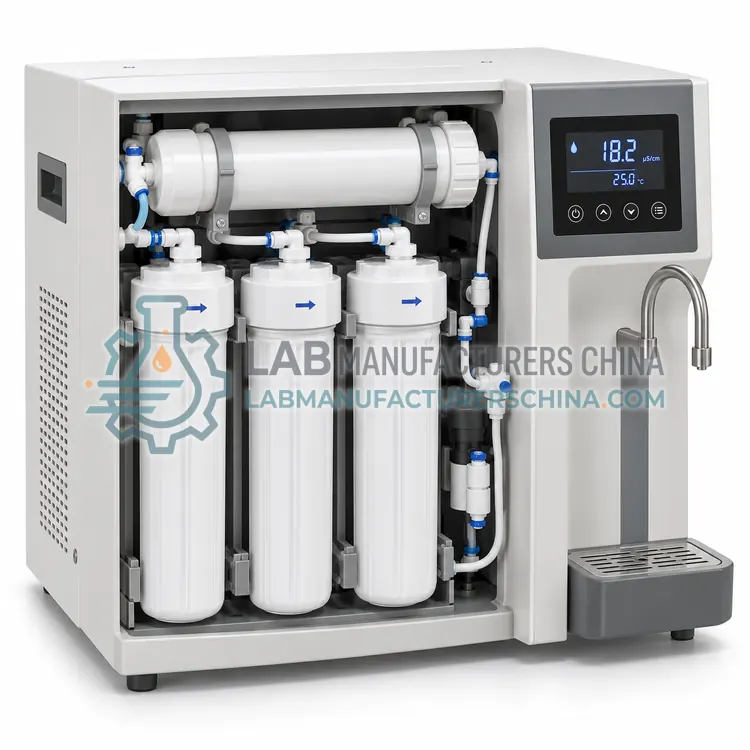
Reverse osmosis systems force feed water through a semipermeable membrane to remove dissolved salts, organics and microorganisms. They are the standard first stage of laboratory water purification, producing Type III water and feed for further polishing.
- DEI6 models
Deionizers
去离子设备
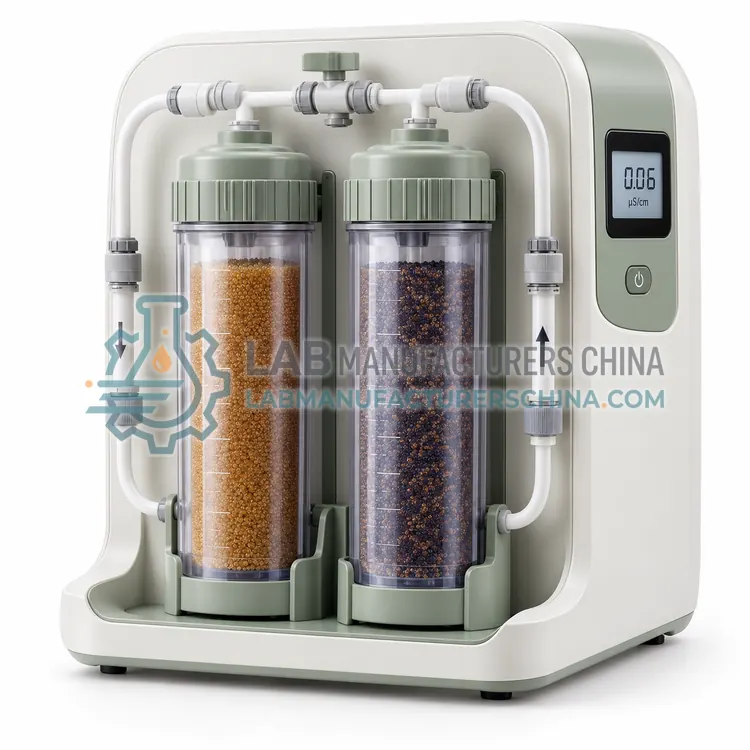
Deionizers remove dissolved ions from water with ion exchange resins, raising water resistivity toward 18.2 megohm-centimeters. They are used for reagent preparation, analytical work and as a polishing stage after reverse osmosis or distillation.
- UWS6 models
Ultrapure Water Systems
超纯水系统
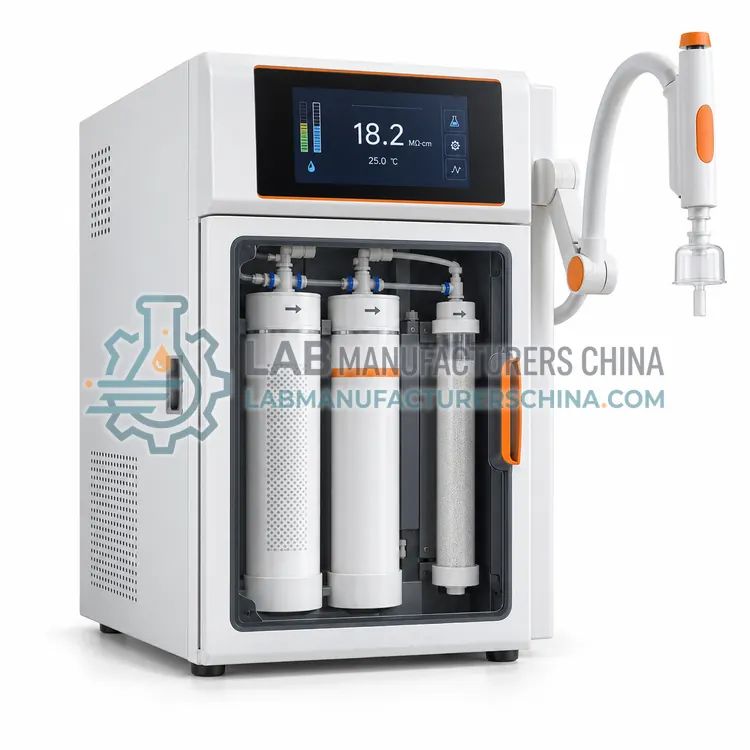
Ultrapure water systems produce Type I water with resistivity near 18.2 megohm-centimeters and total organic carbon below a few parts per billion. They are used for trace analysis, molecular biology and cell culture where ions and organics would spoil results.
- DIU6 models
Distillation Units
蒸馏水器
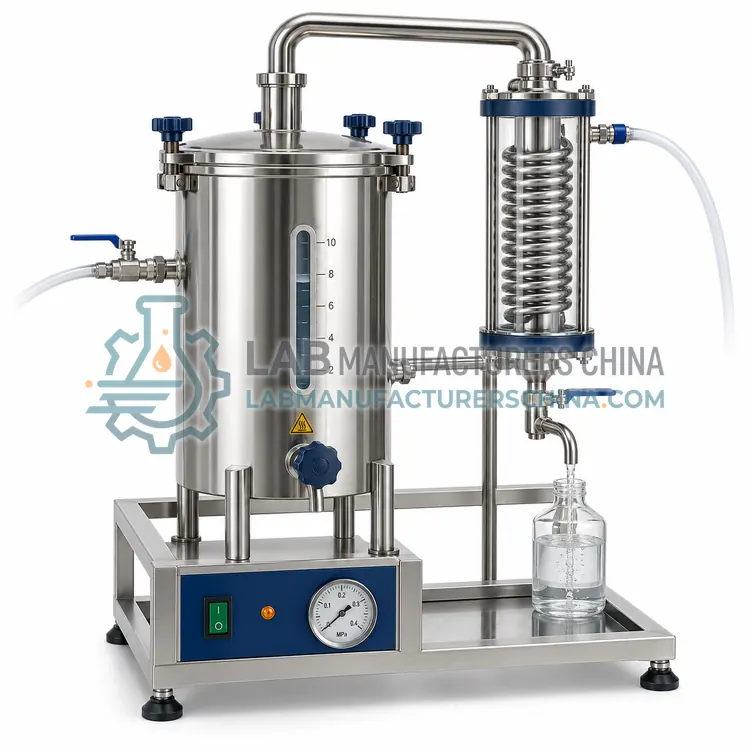
Distillation units boil water and condense the vapor to leave non-volatile contaminants behind, producing pyrogen-free distilled water. They are used for reagent preparation, autoclave feed and common standard methods and analyses that specify distilled water.
- WPP6 models
Water Purification Plants
纯水制备装置
Water purification plants scale laboratory purification to feed whole buildings, production areas or clinical departments. They combine pretreatment, reverse osmosis, ion exchange or distillation, storage and distribution to deliver water of a defined grade in large volumes.
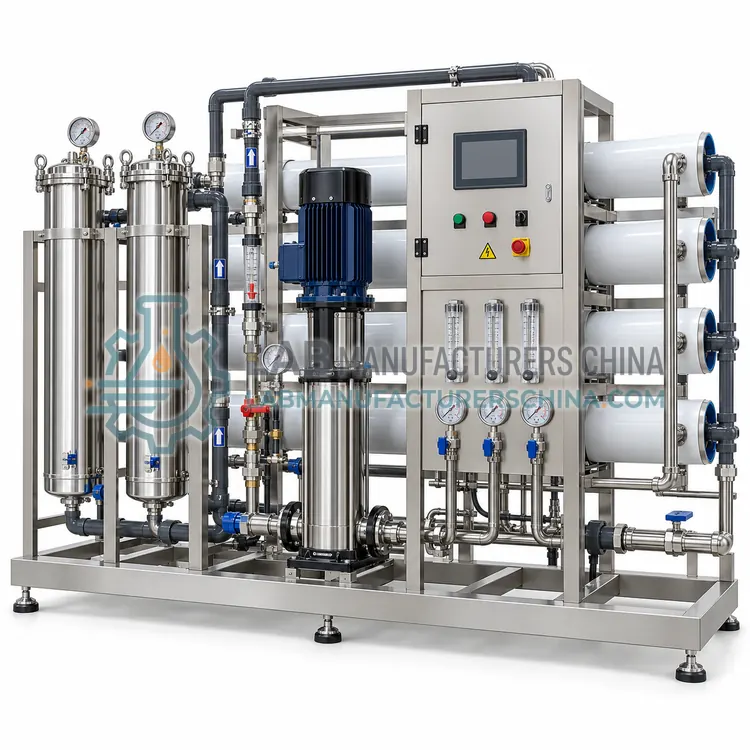
What are Laboratory Water Purification?
Water is the most widely used reagent in the laboratory, and its purity affects blanks, detection limits and biological results. Laboratory water purification equipment removes ions, organic matter, particles, bacteria, endotoxins and dissolved gases to meet a specified grade. Reverse osmosis systems push feed water through a semipermeable membrane and remove most ions and organics. Deionizers exchange cations and anions onto resins to reach high resistivity. Ultrapure systems combine reverse osmosis, ion exchange, activated carbon, UV oxidation and microfiltration to deliver Type I water. Distillation units boil and condense water to leave non-volatile contaminants behind. Water purification plants scale these processes to feed whole buildings or production areas. Selection is driven by the required resistivity, organic carbon, microbial and endotoxin limits, and by daily volume.
How do Laboratory Water Purification work?
Purification steps remove different classes of contaminant in sequence. Pretreatment with sediment and carbon filters removes particles, chlorine and some organics. Reverse osmosis applies pressure above osmotic pressure to force water through a polyamide membrane that rejects ions, large organics and microorganisms. Ion exchange replaces dissolved cations with hydrogen ions and anions with hydroxide ions on activated resins, raising resistivity toward 18.2 MΩ·cm at 25 °C. Activated carbon adsorbs organics and reduces total organic carbon. Ultraviolet lamps at 185 nm oxidize residual organics, while 254 nm lamps inactivate microorganisms. Ultrafiltration or microfiltration with 0.22 µm or smaller pores removes particles, bacteria and endotoxins. Distillation uses a boiler and condenser, often with a baffle, to separate water vapor from non-volatile solutes and pyrogens. Monitoring of resistivity, total organic carbon, flow and pressure confirms performance.
Where are Laboratory Water Purification used?
Purified water grades serve different laboratory tasks. Type III water is used for glassware rinsing, autoclave feed and general reagent preparation. Type II water supports general analytical work and microbiology media. Type I water is required for trace metal analysis, ion chromatography, HPLC and LC-MS mobile phases, molecular biology and cell culture, where ions or organics would spoil results. Endotoxin-free water is needed for cell culture and pharmaceutical compounding. Distilled water is used in some standard methods and for steam generation. Larger purification plants supply clinical analyzers, dialysis, pharmaceutical manufacturing and food and beverage production. Common concerns are consistent quality, low running cost, and protection of analytical instruments from scaling and organic fouling.
Which standards apply to Laboratory Water Purification?
Laboratory water grades are defined in CLSI guideline GP40 and in ISO 3696, which classifies grades 1, 2 and 3 by conductivity, oxidizable matter, absorbance and residue. Pharmacopoeias describe Purified Water and Water for Injection, with limits for conductivity, total organic carbon, microbial count and endotoxins, tested under USP <643> and <645> or the equivalent Ph. Eur. monographs. Systems used in pharmaceutical production are qualified and monitored under a validated water system program. Electrical safety follows IEC 61010-1 and EMC follows IEC 61326-1, with CE marking, RoHS and ISO 9001 documentation commonly requested. The choice of grade is driven by the analytical method and its detection limits rather than by the equipment itself.
How do I select the right laboratory water purification equipment?
First establish the required water grade and the analytical methods it must support, then size the system by daily and peak volume. Type II for general work needs reverse osmosis plus ion exchange, while Type I for trace and molecular work adds UV, ultrafiltration and polish cartridges. Consider feed water quality, because high hardness or chlorine shortens membrane and cartridge life and may need softening or carbon pretreatment. Review the resistivity and total organic carbon monitoring built in, the microbial and endotoxin control, and the storage and distribution design, since stagnant loops encourage biofilm. For larger demands, choose a plant with adequate pretreatment, storage, ring loop and sanitization. Compare consumable cost per liter, service interval, footprint and installation needs such as drain, pressure and power before selecting.
Laboratory Water Purification comparison
| Subcategory | Principle | Typical use | Key spec |
|---|---|---|---|
| RO Systems | Pressure forces water through a semipermeable membrane | Feed pretreatment and Type III water | Recovery and rejection rate, L/h |
| Deionizers | Ion exchange resins replace cations and anions | High-resistivity Type II water | Resistivity up to 18.2 MΩ·cm |
| Ultrapure Water Systems | RO, ion exchange, UV and ultrafiltration combined | Trace analysis and molecular biology | Type I, TOC below 5 ppb |
| Distillation Units | Boiling and condensation separate non-volatiles | Pyrogen-free water and standard methods | Output and conductivity, L/h |
| Water Purification Plants | Scaled pretreatment, RO and polishing with storage | Building and production supply | Capacity L/h and loop design |
Frequently asked questions about Laboratory Water Purification
Type I water has the highest purity, with resistivity near 18.2 MΩ·cm, very low organic carbon and low bacteria, and is used for trace analysis and molecular biology. Type II water is lower grade and used for general reagents and media.
Yes, Type I water is recommended for HPLC and LC-MS mobile phases because ions and organics cause baseline drift, ghost peaks and ion suppression. Even low levels can affect sensitive detectors.
Intervals depend on feed water quality and volume, typically every six to twelve months for pretreatment cartridges and two to three years for reverse osmosis membranes. Monitor resistivity, total organic carbon and pressure drop to schedule replacement on condition rather than time alone.
Not always. Distillation removes non-volatile ions and pyrogens but can carry over volatile organics and may have higher conductivity than deionized water. Choose based on the method requirements for ions, organics and endotoxins.
Most benchtop systems accept potable tap water but perform best with feed that is within specified hardness, chlorine and turbidity limits. Hard or heavily chlorinated water requires softening or carbon pretreatment to protect membranes and resins.
Related categories
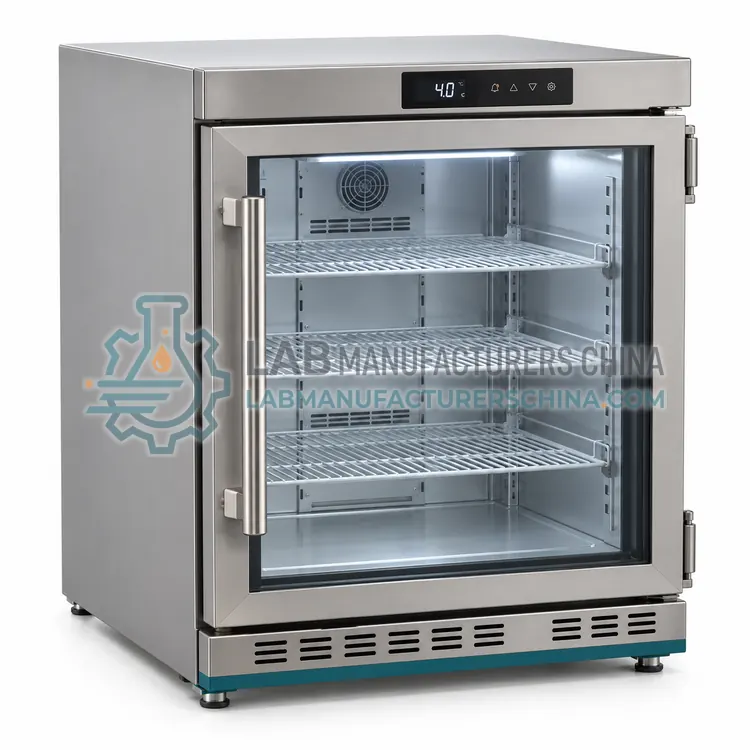 CLAR实验室冷藏箱Laboratory refrigerators are temperature-controlled cabinets that hold medicines, blood products, reagents, samples and chromatography consumables at about 2–8 °C. The category covers pharmacy, blood bank, chromatography and explosion-proof types, used in hospitals, pharmacies, pharmaceutical QC, research and chemical laboratories.
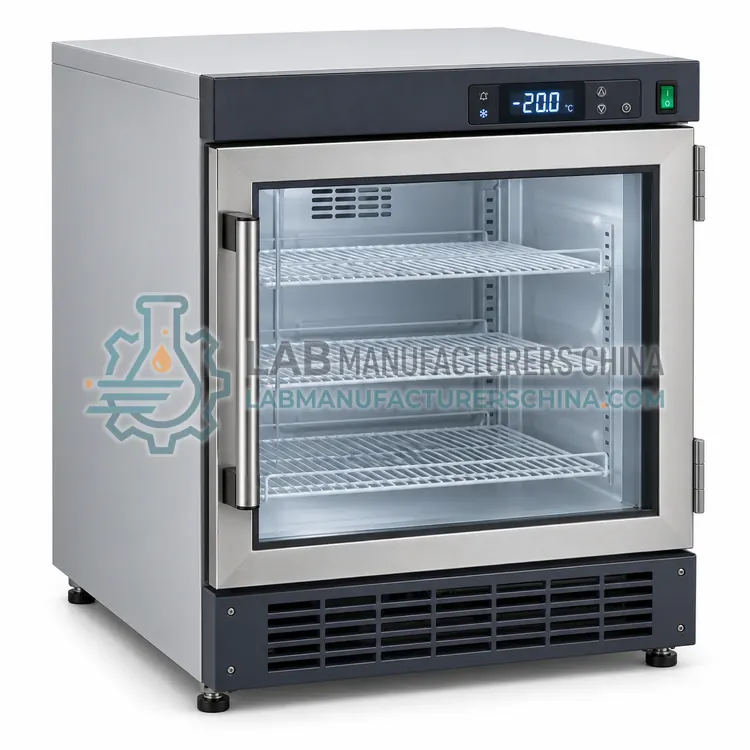 CLFR实验室冷冻箱Laboratory freezers are insulated, refrigerated cabinets that hold biological samples, reagents, plasma, vaccines and chemicals frozen at temperatures from about -20 °C down to -86 °C. The category covers -20 °C, -40 °C, -80 °C, ultra-low upright and chest types, used in hospitals, biobanks, research and pharmaceutical laboratories.
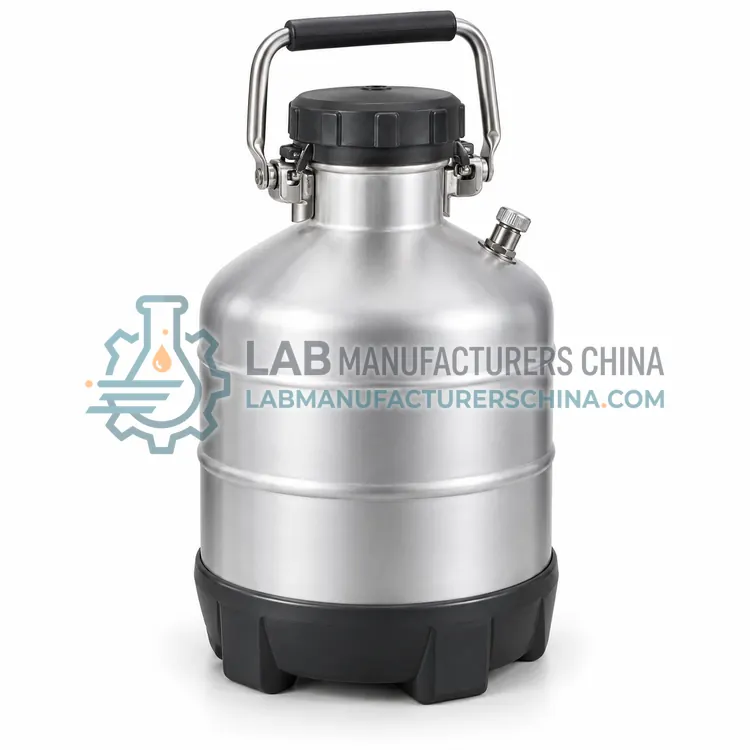 CCRE低温设备Cryogenic equipment covers the vessels, storage systems, freezers and transfer hardware used to hold and move materials at temperatures below about −150°C, typically with liquid nitrogen. Biobanks, fertility clinics, research institutes and industrial laboratories use it for long-term preservation of cells, tissues, gametes and reference samples.
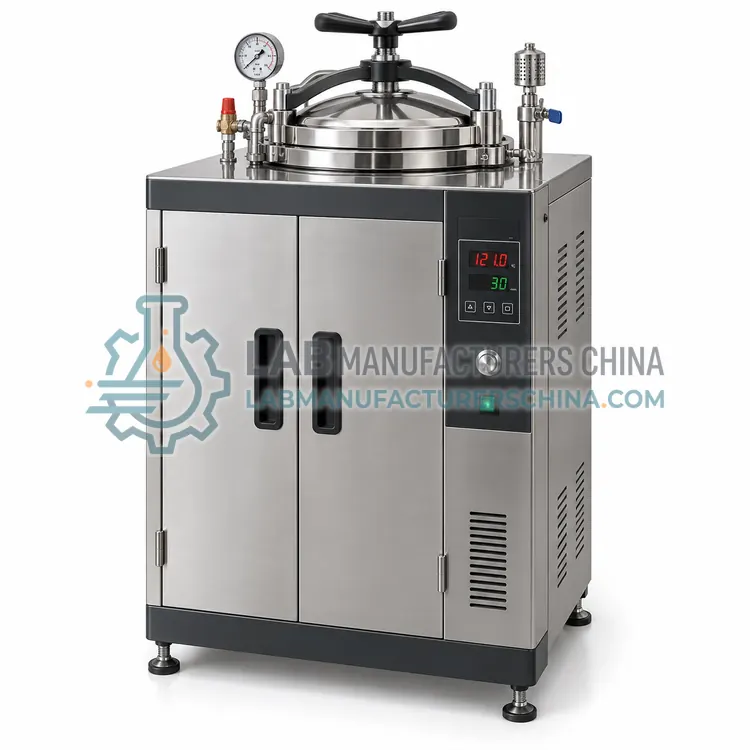 CLSE实验室灭菌设备Laboratory sterilization equipment inactivates or removes microorganisms from media, glassware, instruments, waste and work surfaces using saturated steam, dry heat, hot glass beads or ultraviolet radiation. Microbiology, clinical, pharmaceutical, food and research laboratories use it to protect sample integrity, prevent cross-contamination and treat biohazardous material.