
Laboratory Sterilization Equipment
实验室灭菌设备
CLSE · General Laboratory Equipment · 5 product types · 25 models
By Lab Manufacturers China Technical TeamLast reviewed
What are Laboratory Sterilization Equipment?
Laboratory sterilization equipment inactivates or removes microorganisms from media, glassware, instruments, waste and work surfaces using saturated steam, dry heat, hot glass beads or ultraviolet radiation. Microbiology, clinical, pharmaceutical, food and research laboratories use it to protect sample integrity, prevent cross-contamination and treat biohazardous material.
5 product types in Laboratory Sterilization Equipment
The 5 product types below are grouped by the exact instrument you need.
- AUT5 models
Autoclaves
高压灭菌器
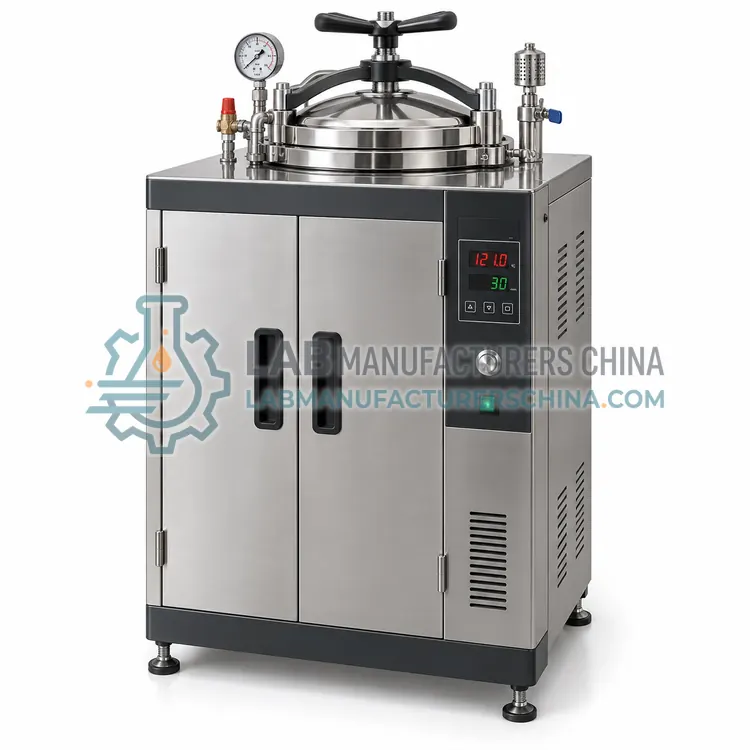
Autoclaves are pressure vessels that sterilize instruments, glassware, culture media and laboratory waste with saturated steam, typically at 121 to 134 °C. They inactivate bacteria, spores and viruses, and are used in microbiology, clinical, pharmaceutical, research and teaching laboratories.
- DHS5 models
Dry Heat Sterilizers
干热灭菌器
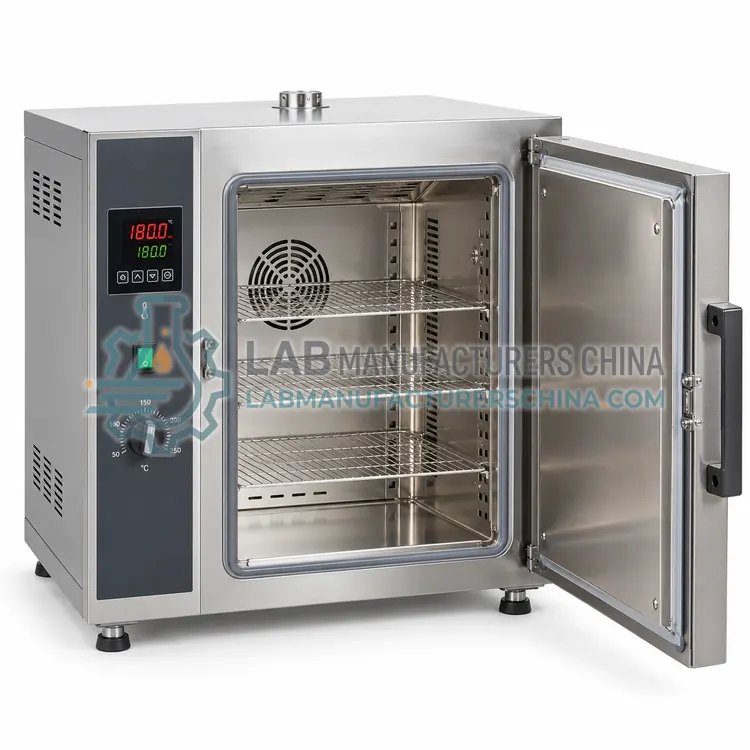
Dry heat sterilizers are ovens that sterilize or depyrogenate heat-stable items with hot air, typically at 160 to 180 °C for sterilization and 250 °C or higher for depyrogenation. They process glassware, metal instruments, powders and oils in microbiology, pharmaceutical and clinical laboratories.
- GBS5 models
Glass Bead Sterilizers
玻璃珠灭菌器
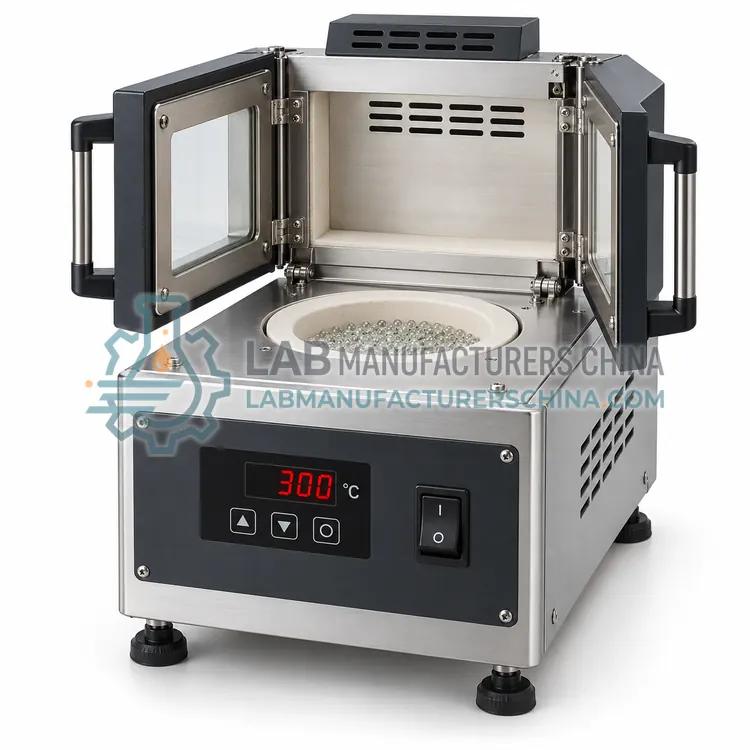
Glass bead sterilizers are benchtop devices that sterilize small metal instruments by inserting them into a bed of glass beads heated to about 250 °C. Contact heat for 10 to 30 seconds kills microorganisms on the surface. They are used in microbiology, dental and animal research laboratories for forceps, scissors, loops and needles.
- UVS5 models
UV Sterilizers
紫外灭菌器
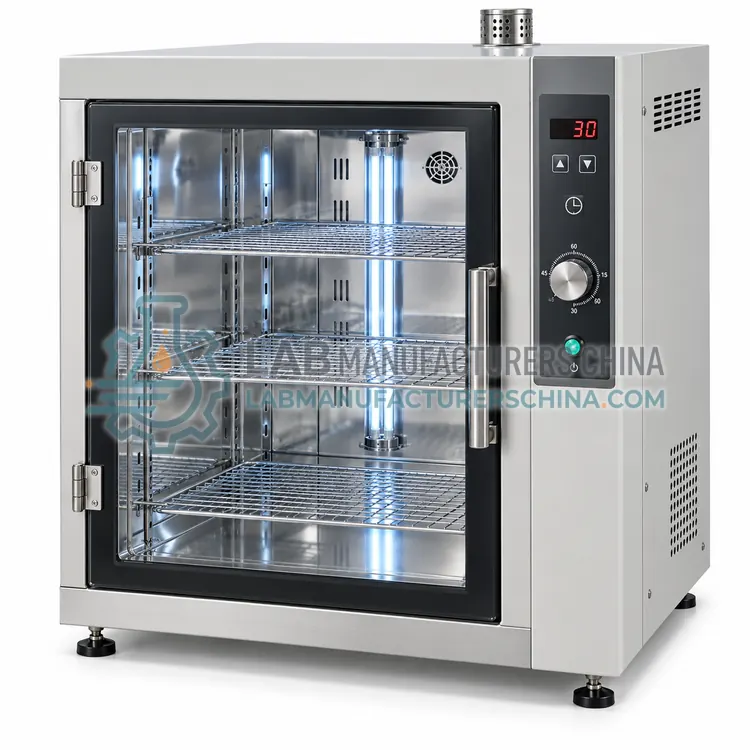
UV sterilizers use short-wavelength ultraviolet light, mainly 253.7 nm from low-pressure mercury lamps, to inactivate microorganisms on surfaces, in air or in water. Dose is set by lamp irradiance and exposure time. Laboratories use them for work surfaces, small instruments, enclosed cabinets and feed water.
- STS5 models
Steam Sterilizers
蒸汽灭菌器
Steam sterilizers use saturated steam under pressure to kill microorganisms in chambers or process lines. They cover horizontal units with built-in generators, house-steam sterilizers, steam-air mixture machines for sealed liquids, continuous media sterilizers and in-situ systems for bioreactors. Typical cycles are 121 °C for 15 to 20 minutes or 134 °C for 3 to 4 minutes.
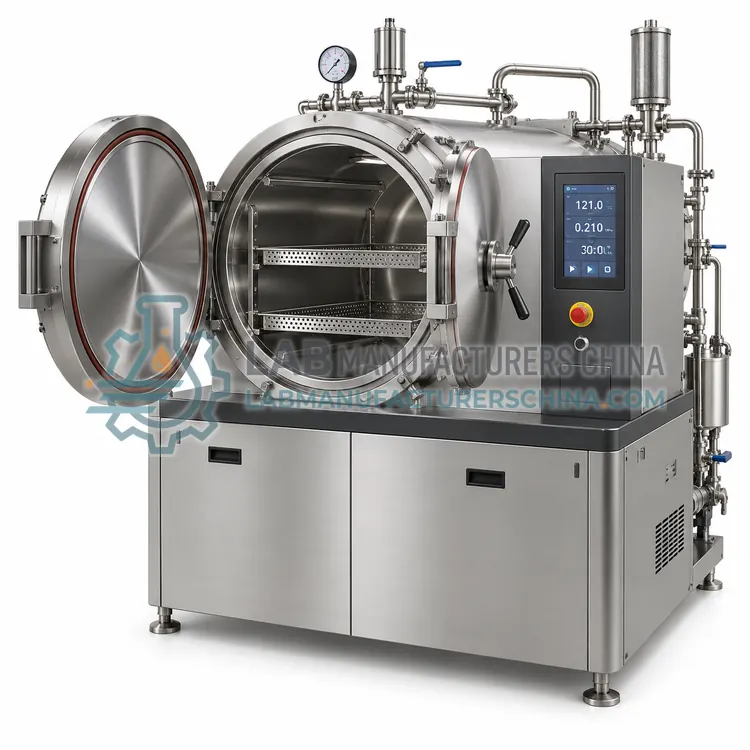
What are Laboratory Sterilization Equipment?
Laboratory sterilization equipment is the group of instruments used to eliminate viable microorganisms, including bacterial spores, from materials that must be sterile or safe to discard. The main technologies are moist heat in autoclaves and steam sterilizers, dry heat in hot-air ovens, rapid tip sterilization with heated glass beads, and ultraviolet germicidal irradiation for air and surfaces. Each suits different loads: steam handles liquids, media, plastics and waste, dry heat handles glassware, powders and oils that steam cannot penetrate or would damage, glass beads treat metal tools in seconds, and UV reduces surface and airborne contamination without heat. Capacities run from tabletop units of about 18 L to floor-standing vessels of several hundred liters. Selection depends on load type, cycle documentation needs and the applicable regulatory environment.
How do Laboratory Sterilization Equipment work?
Steam sterilizers kill microorganisms by denaturing proteins through moist heat. Saturated steam at 121°C and about 105 kPa gauge, or 134°C for shorter cycles, transfers latent heat rapidly when it condenses on the load, so air must first be removed by gravity displacement or pre-vacuum pulses. Dry heat sterilizers rely on oxidation and protein dehydration and need higher temperatures and longer times, typically 160°C for 120 minutes or 170°C for 60 minutes, with a fan or convection to equalize temperature. Glass bead sterilizers heat small beads to 250–300°C, so inserted instrument tips reach sterilizing temperature within about 10–60 seconds. UV-C sterilizers emit around 254 nm light from low-pressure mercury or LED sources, which damages nucleic acids, but they act only on exposed surfaces and air that the light reaches.
Where are Laboratory Sterilization Equipment used?
Steam sterilization is the default for preparing culture media and buffers, decontaminating biological waste, sterilizing reusable plastics and surgical instruments, and processing glassware that will contact sterile solutions. Dry heat is used for glass pipettes, Petri dishes, metal instruments, powders, oils and depyrogenation of glassware, where steam would leave moisture or cannot penetrate. Glass bead sterilizers are found at benches in dental, veterinary and microbiology work where inoculating tools and small instruments need rapid turnaround. UV sterilizers disinfect biosafety cabinets, clean rooms, pass-through boxes, pipette holders and storage cabinets between uses. Pharmaceutical and hospital facilities add validated cycles with data logging for regulatory audit, and research institutes use pathogen inactivation cycles before waste leaves containment areas.
Which standards apply to Laboratory Sterilization Equipment?
Sterilizer design and performance are covered by several recognized standards. EN 285 applies to large steam sterilizers and EN 13060 to small steam sterilizers used in healthcare, while ISO 17665 describes development and validation of moist-heat sterilization processes. Pressure vessels follow rules such as ASME BPVC Section VIII, the EU Pressure Equipment Directive and, in China, GB 150 and the TSG 21 supervision rules. Electrical safety of laboratory equipment follows IEC 61010-1 with the particular requirement IEC 61010-2-040 for sterilizers and washer-disinfectors. Biological indicators conform to ISO 11138 and chemical indicators to ISO 11140. Dry heat depyrogenation references USP <1211> and Ph. Eur. 5.1.1. Users should confirm the exact standards declared by the supplier.
How do I select the right laboratory sterilization equipment?
Start with the load. Liquids, media, waste and porous items need steam, and the cycle type follows: gravity displacement for media and waste, pre-vacuum for wrapped instruments and porous goods, and liquid cycles with slow exhaust to prevent boil-over. Heat-stable glassware, powders and oils suit dry heat. Quick tool turnaround suits glass beads, and surface or air disinfection suits UV. Next size the chamber, allowing for the largest item and typical batch volume, and check door type, steam source (internal generator or external), and drain or water reclaim needs. For regulated work specify programmable cycles, data logging with printout or USB, a validation port, F0 control and audit trail. Check room power supply, water quality and whether a pressure-vessel registration is required locally.
Laboratory Sterilization Equipment comparison
| Subcategory | Principle | Typical use | Key spec |
|---|---|---|---|
| Autoclaves | Saturated steam under pressure | Media, waste, instruments, glassware | 121–134°C; 18–600 L chamber |
| Dry Heat Sterilizers | Hot-air oxidation and dehydration | Glassware, metal tools, powders, depyrogenation | 50–300°C; 30–500 L chamber |
| Glass Bead Sterilizers | Conduction from heated glass beads | Instrument tips, inoculating tools at the bench | 250–300°C; 10–60 s per tool |
| UV Sterilizers | UV-C germicidal irradiation at about 254 nm | Surface and air disinfection in cabinets and rooms | 8–120 W lamps; dose 10–40 mJ/cm² |
| Steam Sterilizers | Saturated steam, often with pre-vacuum | Wrapped instruments, pharmaceutical and hospital loads | 121–138°C; pre-vacuum; 50–1,000 L |
Frequently asked questions about Laboratory Sterilization Equipment
An autoclave uses saturated steam under pressure, typically 121°C for 15–20 minutes, and suits liquids, media, plastics and waste. A dry heat sterilizer uses hot air at 160–180°C for one to two hours and suits heat-stable glassware, metal, powders and oils.
Common cycles are 121°C for 15–30 minutes and 134°C for 3–10 minutes, with actual hold time set by load size, container type and density. Liquids in large volumes need longer holds, and waste loads are often validated with a thermocouple in the center.
Combine physical monitoring of time, temperature and pressure with chemical indicators on each pack and periodic biological indicators, such as Geobacillus stearothermophilus spore strips for steam. Pre-vacuum units also need a daily air-removal test such as a Bowie-Dick or helix test.
UV-C at about 254 nm reduces microorganisms on surfaces and in air that the light reaches, but it does not penetrate liquids, shadows or organic soil. It is a disinfection aid for cabinets and rooms, not a substitute for steam or dry heat sterilization.
In most jurisdictions an autoclave is a pressure vessel and is subject to registration, periodic inspection and safety valve testing. Requirements depend on volume and pressure, so confirm the local rules, such as the Pressure Equipment Directive in the EU or TSG 21 in China.
A steam autoclave with a liquid cycle is the standard choice, since it controls slow exhaust to prevent boil-over and can use a load probe. Dry heat cannot be used for aqueous media, and UV or glass beads do not apply.
Related categories
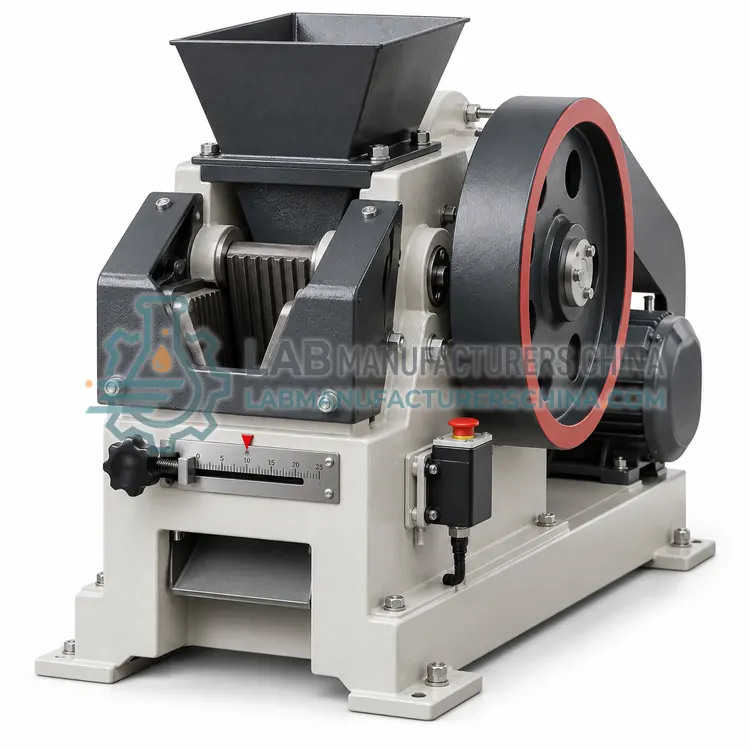 CSPE样品前处理设备Sample preparation equipment reduces, homogenizes, extracts and digests laboratory samples before analysis. The category covers crushers, grinders, mills, homogenizers, digesters, extractors and sample dividers used to produce representative, analysis-ready material in analytical and quality-control laboratories.
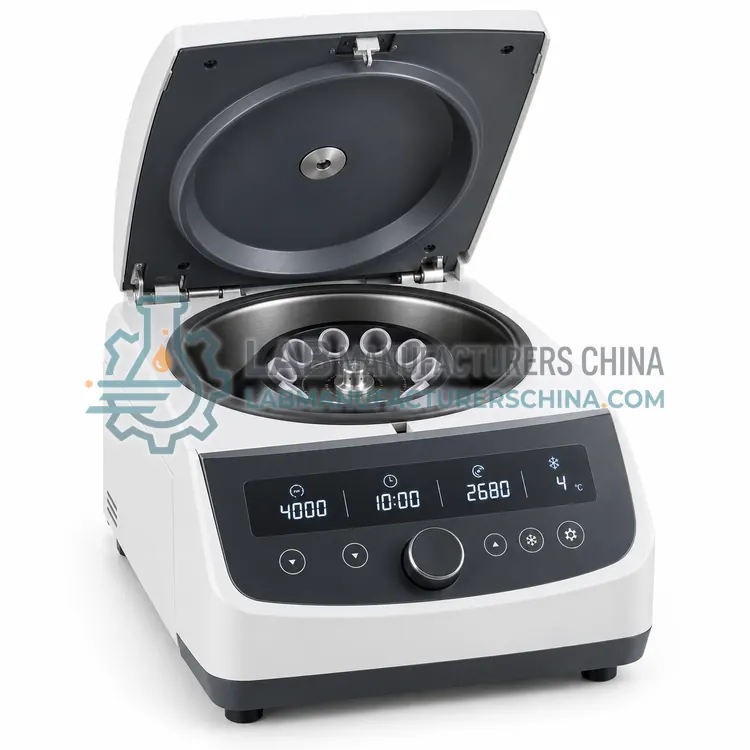 CLAC实验室离心机Laboratory centrifuges separate particles, cells and macromolecules from liquid samples by applying centrifugal force in a rotating rotor. The category spans benchtop, high-speed, refrigerated, micro and ultra-speed units used in clinical, pharmaceutical, biotechnology, chemical and academic laboratories for sample preparation and purification.
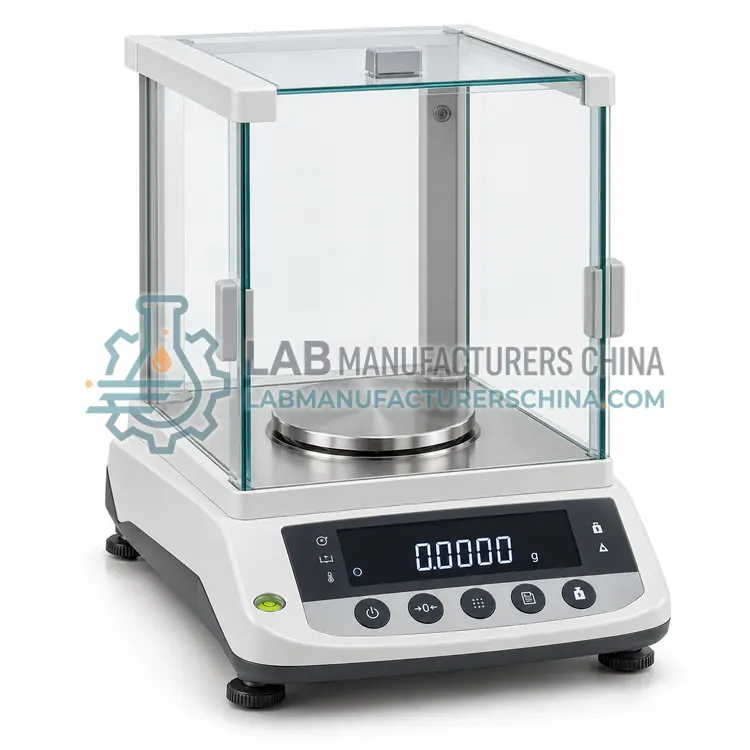 CLAB实验室天平Laboratory balances measure mass with readability from 0.1 microgram to 1 kg across analytical, precision, micro, moisture and platform types. They support sample preparation, formulation, gravimetric analysis and quality control in pharmaceutical, chemical, food, environmental, clinical and academic laboratories.
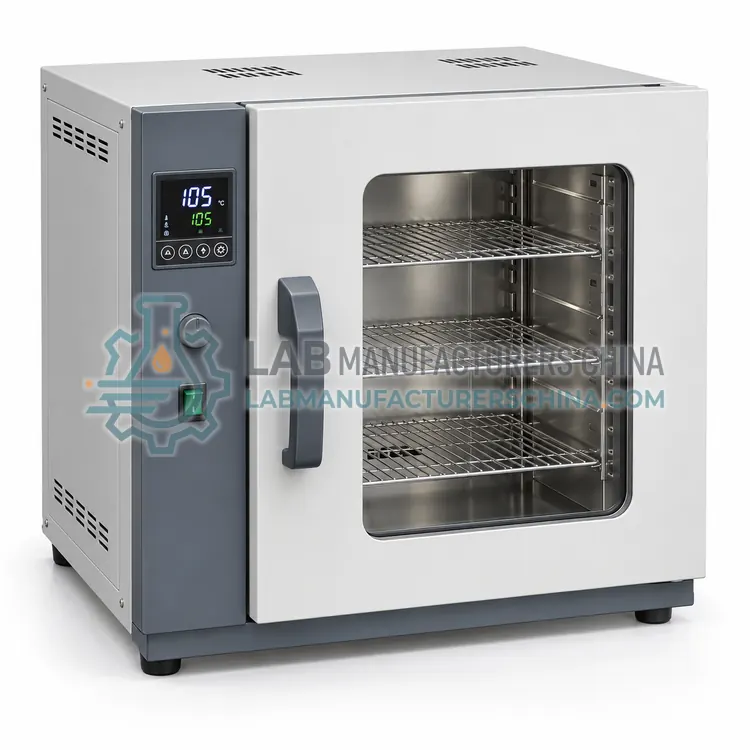 CLAO实验室烘箱Laboratory ovens are insulated, electrically heated chambers that hold a set temperature to dry, bake, cure, condition or heat-treat samples and glassware. The category covers gravity and forced-air drying ovens, vacuum ovens, high-temperature ovens and larger industrial laboratory ovens, with working temperatures from about 50 C to 600 C.