How do Glass Bead Sterilizers work?
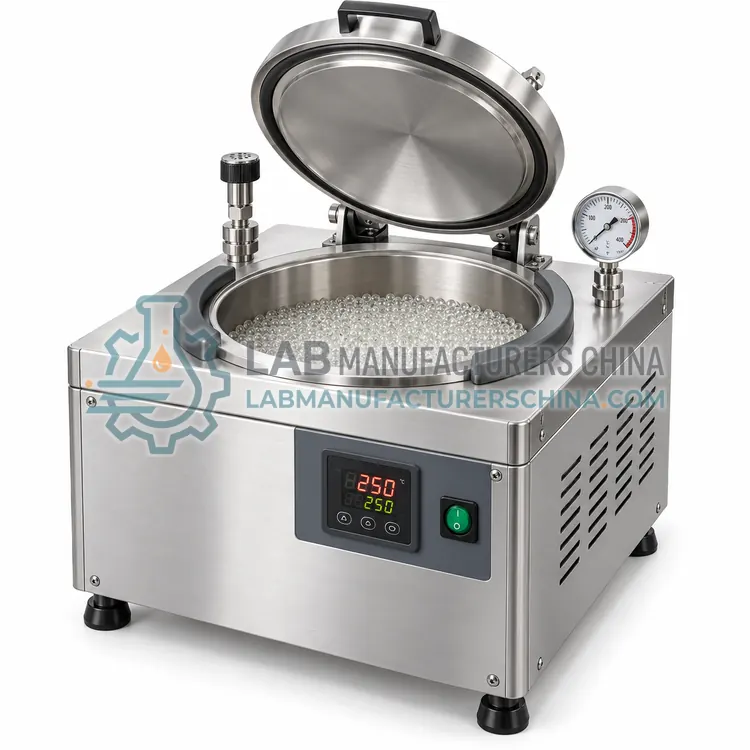
Glass bead sterilization works by thermal conduction. A well in the unit holds soda-lime or borosilicate beads of about 1.5 to 4 mm diameter, and a resistive heating element raises them to the set temperature, commonly 250 °C. The bead bed has a high thermal mass, so when a small instrument is pushed into it the beads transfer heat directly to the metal and surface microorganisms are killed by dry heat within 10 to 30 seconds. A thermocouple or platinum sensor in the well feeds a controller that switches the heater and holds the temperature, while a timer or indicator lamp shows when the unit is ready. Insulation around the well limits heat loss and keeps the outer case cool. Because heat reaches only the surfaces touching the beads, deep lumens and hinges may stay unsterilized.
Which Glass Bead Sterilizers variants are available?
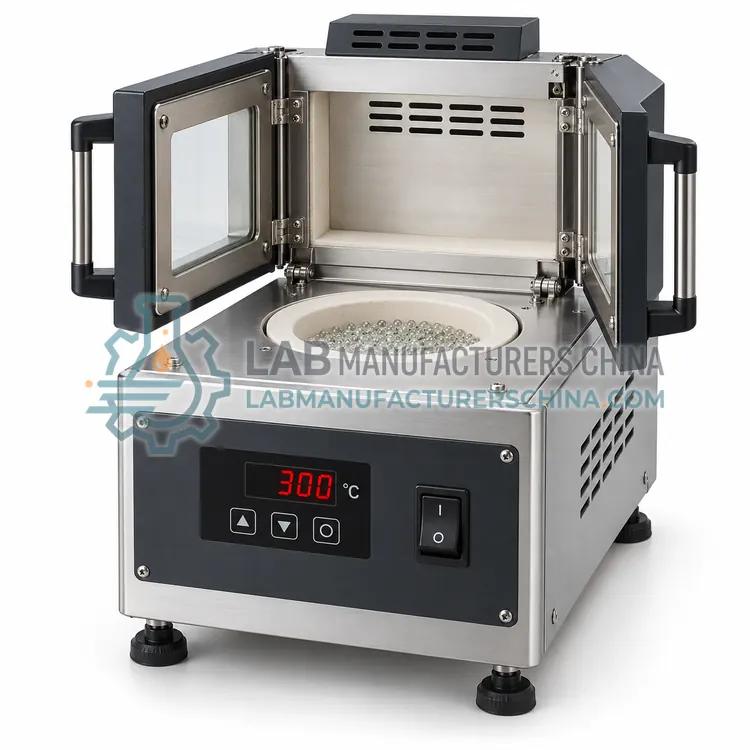
- Benchtop Glass Bead Sterilizer — A single-well benchtop unit that heats glass beads to 250 °C for rapid surface sterilization of small metal instruments.
- High-Temperature Glass Bead Sterilizer — A bead sterilizer that reaches 300 °C or higher so instruments need shorter hold times, typically 5 to 10 seconds.
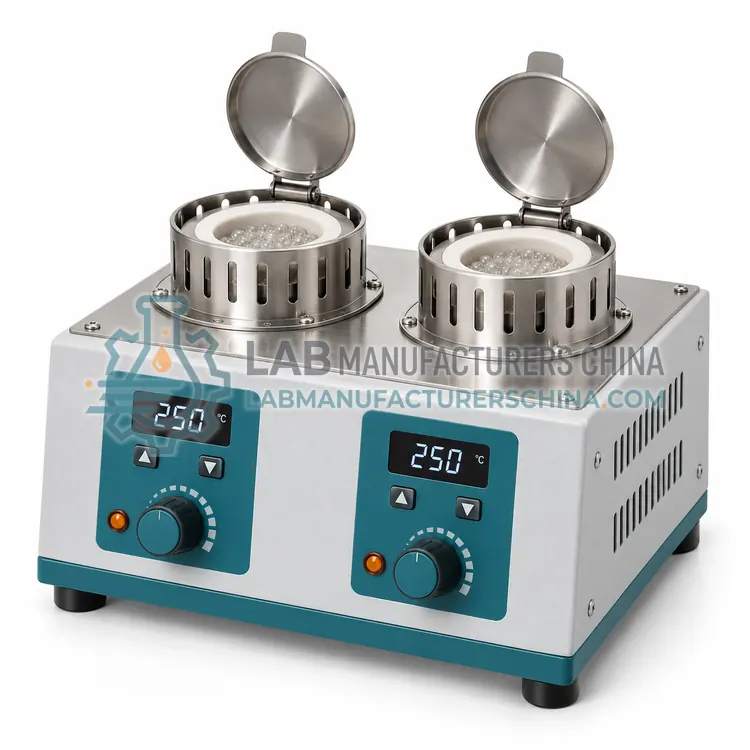
- Double-Well Glass Bead Sterilizer — A sterilizer with two independent heated wells so one bed stays at temperature while the other recovers after use.
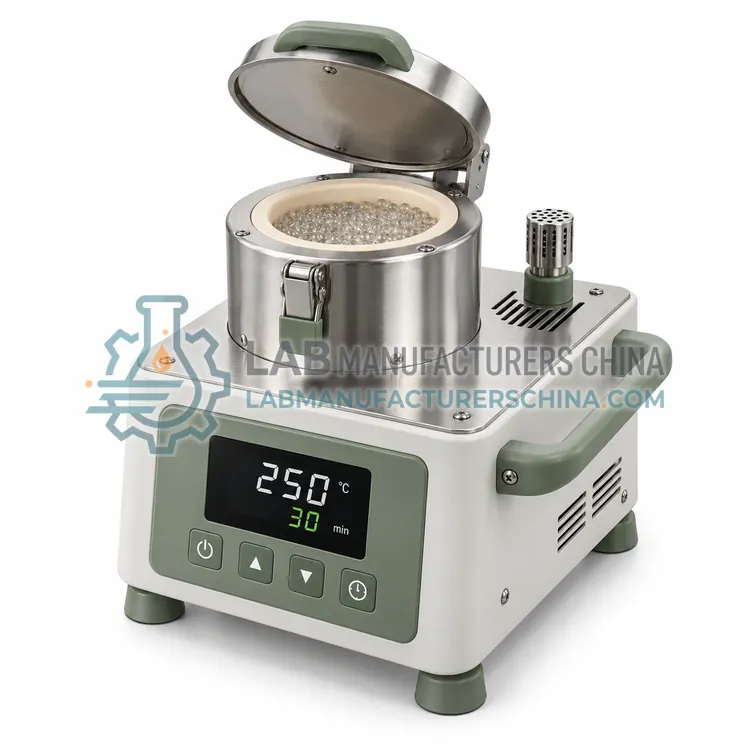
- Portable Glass Bead Sterilizer — A compact, low-power bead sterilizer that can be carried between benches or used in field stations, usually with a 12 V or battery option.
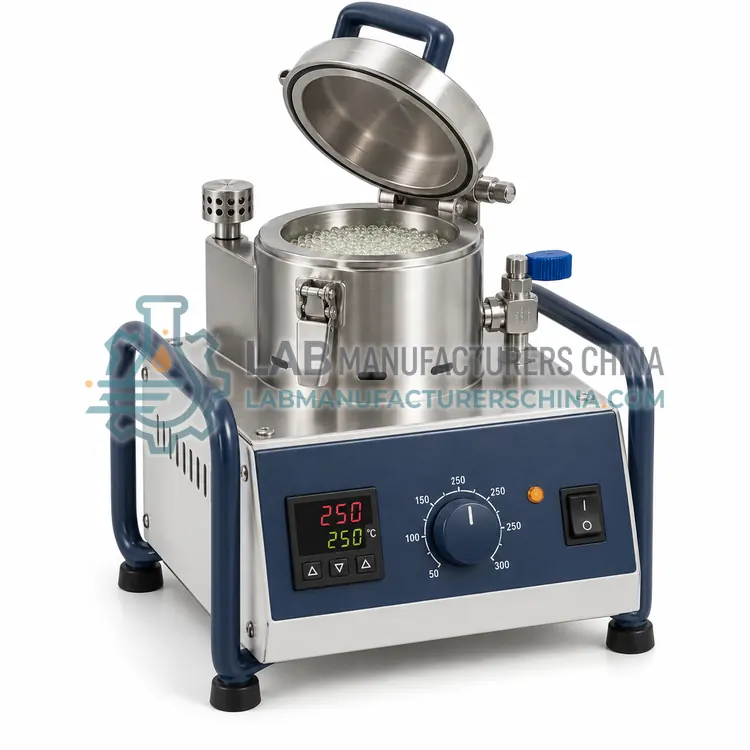
- Large-Capacity Glass Bead Sterilizer — A bead sterilizer with a deeper or wider well holding 300 g or more of beads, sized for long forceps, spatulas and heavier instruments.
How do I choose the right variant?
Choose a glass bead sterilizer when small metal tools must be re-used quickly between bench steps, not when packaged loads, liquids or lumens need sterilization. Compare the well diameter and depth with the length of your instruments, because long forceps must reach the bead bed without the handle becoming too hot. Check the maximum temperature, the warm-up time and the recovery time after each insertion. A digital temperature display and timer make routine use more consistent than a simple indicator lamp. For heavy use, two wells or two units avoid waiting during warm-up. Confirm the bead size, the availability of replacement bead packs and whether a basket or heat shield is included.
Where are Glass Bead Sterilizers used?
Glass Bead Sterilizers are specified in rapid sterilization of forceps and scissors, inoculating loop and needle sterilization, animal research instrument sterilization, dental instrument sterilization and microbiology bench workflows.
Which standards and certifications apply?
Work with Glass Bead Sterilizers is commonly governed by EN 61010-1, EN 61010-2-010, ISO 11138-1, GB 4793.1 and ISO 9001 manufacturing. Instrument certifications such as CE marking are confirmed per configuration and never assumed.
What are the key considerations before purchase?
Place the unit on a heat-resistant bench away from flammable materials and leave at least 10 cm clearance on all sides. Use a dedicated socket, since benchtop units typically draw 100 to 300 W. Verify the bed temperature with an external thermometer at installation and annually afterwards, because a drifting thermostat can leave the bed below the effective temperature. Keep the bed filled to the marked level, as low beads reduce contact and overheat the element. Remove debris and metal chips with a sieve, and replace beads when they discolor, crack or sinter. Wear heat-resistant gloves when inserting instruments and never place solvent bottles near the well.