
Vacuum Equipment
真空设备
CVAE · General Laboratory Equipment · 5 product types · 30 models
By Lab Manufacturers China Technical TeamLast reviewed
What are Vacuum Equipment?
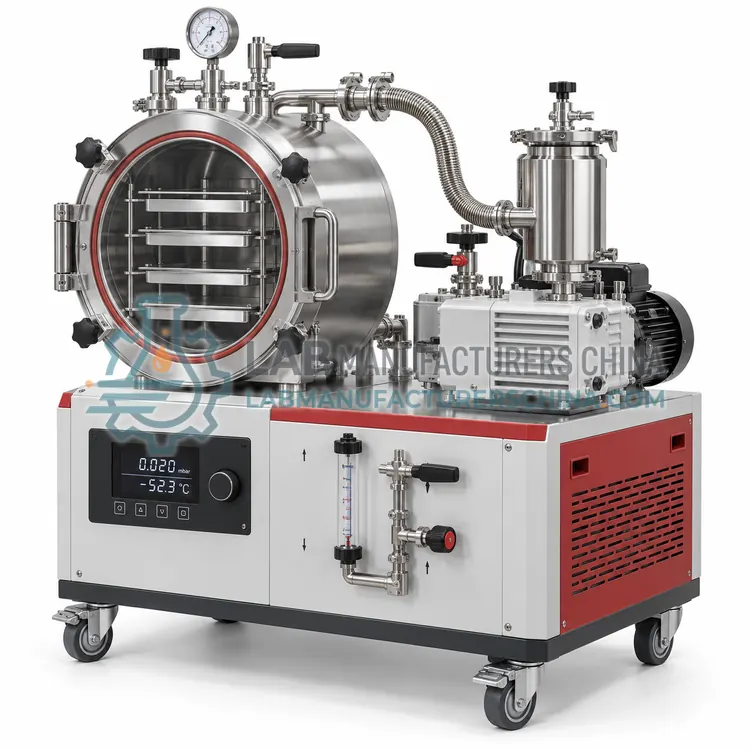
Vacuum equipment creates, contains and controls reduced pressure for laboratory and industrial processes. The category covers vacuum pumps, chambers, manifolds, controllers and complete systems used for drying, filtration, degassing, coating, distillation, freeze drying and sample preparation.
5 product types in Vacuum Equipment
The 5 product types below are grouped by the exact instrument you need.
- VPU6 models
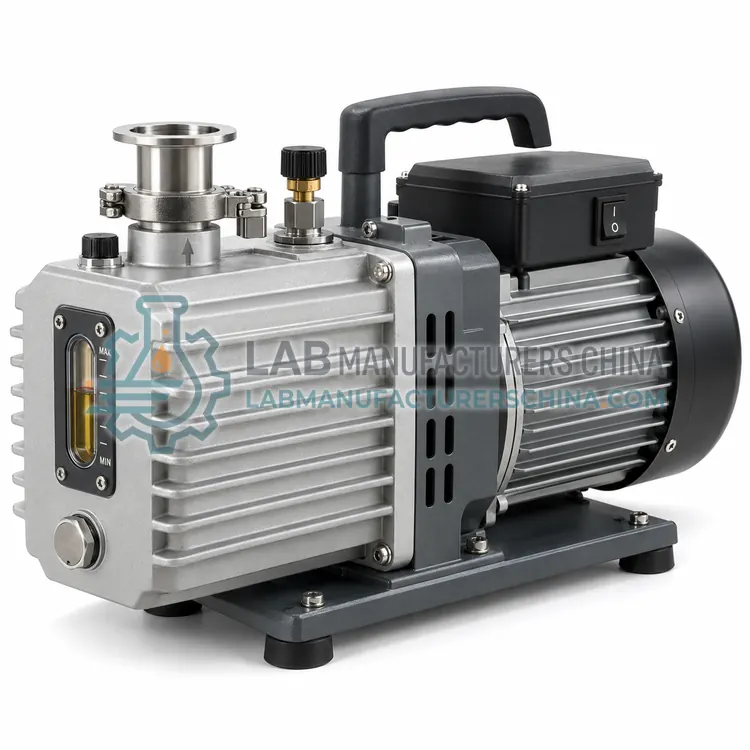
Vacuum Pumps
真空泵
Vacuum pumps generate and maintain reduced pressure in sealed volumes, from rough vacuum near 1 mbar to high vacuum below 10⁻⁶ mbar. They are the core of vacuum equipment used for drying, coating, distillation, freeze drying and analysis.
- VAC6 models
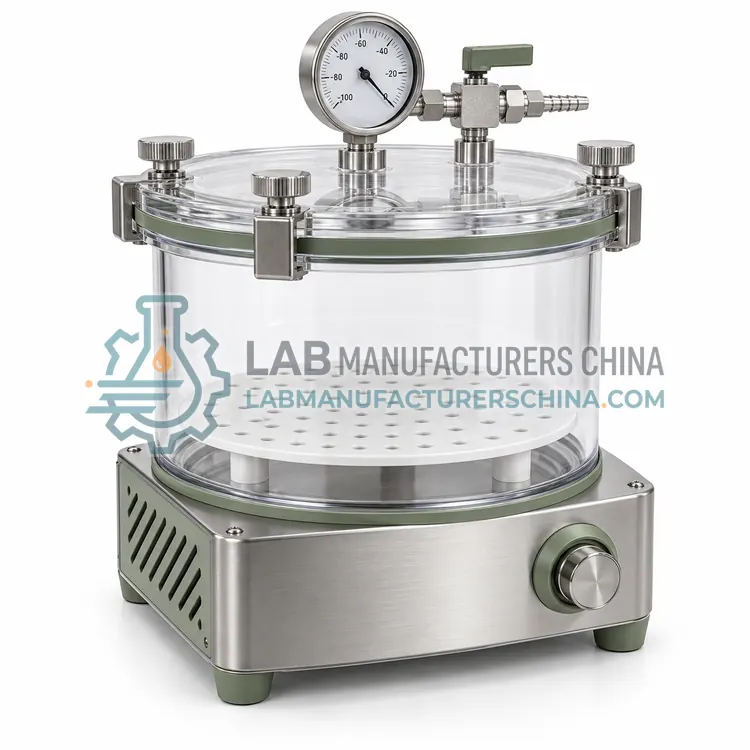
Vacuum Chambers
真空腔体
Vacuum chambers are sealed vessels that hold samples or components at reduced pressure for drying, degassing, coating, testing and storage. They are selected by volume, pressure rating, sealing method, access and material compatibility with the vacuum source.
- VAM6 models
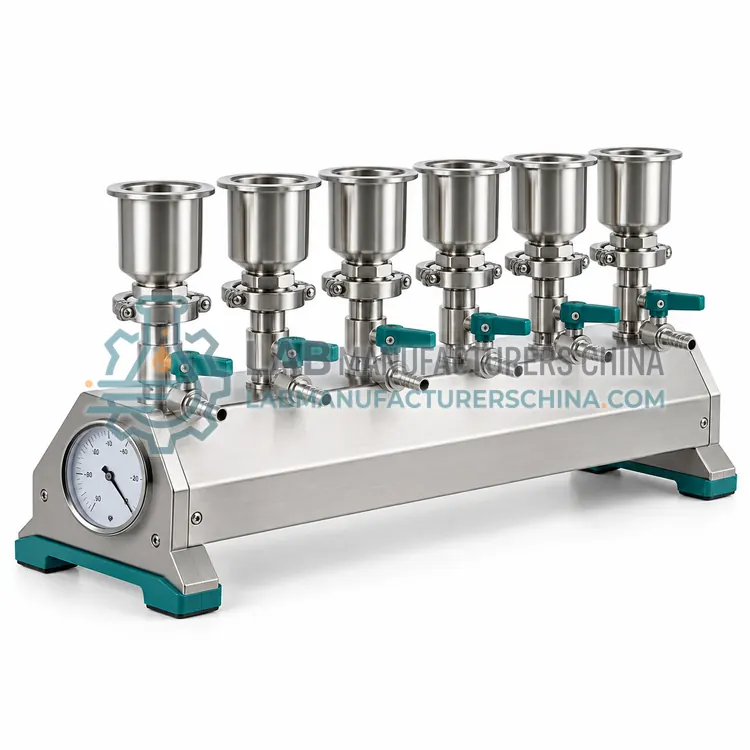
Vacuum Manifolds
真空歧管
Vacuum manifolds distribute one vacuum source to several ports through valves, letting multiple filtrations, extractions or reactions share a pump. They are used with filtration flasks, SPE plates and Schlenk lines in analytical and synthetic laboratories.
- VCO6 models
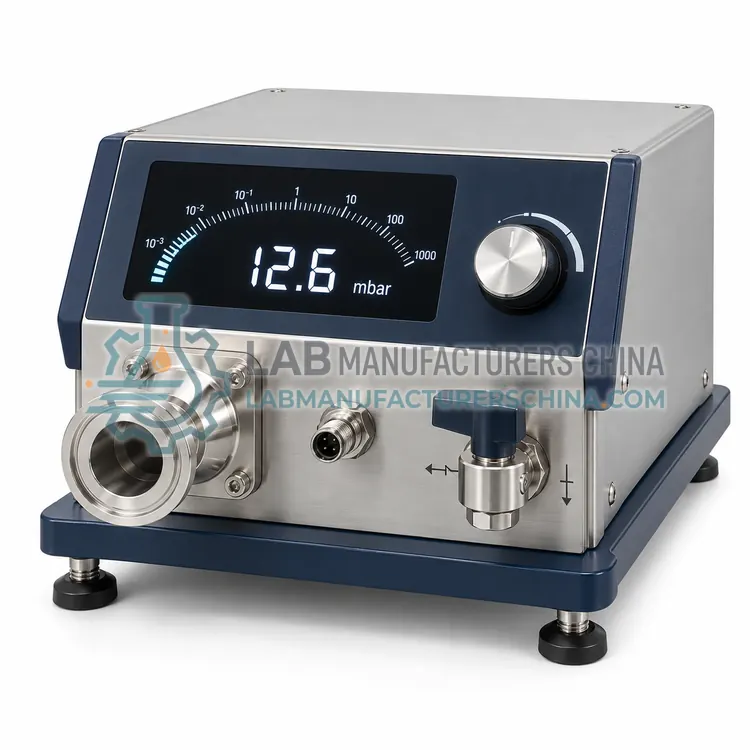
Vacuum Controllers
真空控制器
Vacuum controllers measure pressure in a system and regulate a pump or valve to hold a set vacuum. They are used with rotary evaporators, distillation, filtration and coating to make processes reproducible and protect samples from boiling too vigorously.
- VAS6 models
Vacuum Systems
真空系统
Vacuum systems integrate a pump, gauges, valves and controls into a matched package for a specific process such as freeze drying, filtration or drying. They simplify installation and make vacuum performance predictable and reproducible.
What are Vacuum Equipment?
Vacuum equipment is the hardware that produces and maintains pressure below atmospheric pressure in a sealed volume. Vacuum is used to lower boiling points, remove dissolved gases, hold samples in place, exclude oxygen and moisture, or simulate high-altitude and space conditions. A working vacuum arrangement always combines three functions: a pump that removes gas, a chamber or vessel that holds the sample and defines the vacuum volume, and a controller or manifold that regulates and distributes the pressure. Pumping technology sets how deep the vacuum can go, from rough vacuum near 1 mbar down to high vacuum below 10⁻⁶ mbar. Chambers and manifolds set the volume, geometry and material compatibility, while controllers handle setpoints, ramps and safety interlocks. Equipment is selected by required pressure, pumping speed, gas and vapor load, chamber volume, and cleanliness requirements.
How do Vacuum Equipment work?
Vacuum is created by moving gas molecules from a sealed volume to the outside. Positive-displacement pumps, such as rotary vane, diaphragm, scroll and roots designs, trap a volume of gas and push it out. Momentum-transfer pumps, such as turbomolecular and diffusion pumps, accelerate molecules toward an exhaust that a backing pump then removes. Water-ring and ejector pumps use a fluid to entrain and carry away gas. Performance is described by ultimate or base pressure, pumping speed in cubic meters or liters per hour, and throughput. Conductance of tubing, valves and ports limits achievable speed, so short, wide connections matter. The chamber provides the sealed volume and may include viewports, feedthroughs, shelves or heating platens. Manifolds split one vacuum source across several ports through valves, and controllers monitor pressure with Pirani, capacitance or cold-cathode gauges and regulate pumps, valves and venting to reach a setpoint.
Where are Vacuum Equipment used?
Vacuum equipment supports distillation, drying and degassing across many industries. Chemical laboratories use vacuum for rotary evaporation, Schlenk-line and glovebox work, filtration and solvent recovery. Pharmaceutical and biotech laboratories use vacuum ovens, freeze dryers and centrifugal concentrators to dry heat-sensitive products. Materials and semiconductor laboratories use vacuum for sputtering, evaporation coating, annealing and leak testing. Environmental and food laboratories use vacuum filtration and vacuum-assisted extraction. Industrial users apply vacuum to degassing resins and oils, vacuum impregnation, vacuum packaging and vacuum conveying. Common requirements are stable pressure control, resistance to solvent and acid vapors, and protection of samples from oil backstreaming or particulates. Selecting vacuum equipment therefore depends on the process gas, the required pressure, the volume to be evacuated and the acceptable cycle time.
Which standards apply to Vacuum Equipment?
Vacuum equipment is assessed for electrical safety under IEC 61010-1 and for electromagnetic compatibility under IEC 61326-1. Vacuum pumps and pressure vessels may also fall under the European Pressure Equipment Directive and the Machinery Directive, depending on size and pressure. ISO 21360 defines methods for measuring the performance of vacuum pumps, and ISO 27893 covers calibration of vacuum gauges by comparison. Helium leak testing commonly follows ISO 20485 or equivalent procedures. CE marking, RoHS compliance and ISO 9001 manufacturing documentation are typically requested. Where vacuum ovens or chambers are used in regulated pharmaceutical work, installation, operational and performance qualification against the user requirement specification is normal practice, with pressure and temperature mapped across the chamber.
How do I select the right vacuum equipment?
Start from the process pressure and the gas being pumped. Rough vacuum for filtration or aspiration needs a diaphragm or rotary vane pump; high vacuum for coating or electron optics needs a turbomolecular or diffusion pump with a suitable backing pump. Note whether the gas is condensable, corrosive or particle-laden, and choose materials and traps accordingly. Size pumping speed from the chamber volume and the required pump-down time, remembering that conductance limits real speed. Select the chamber for volume, access, sealing method, viewports and feedthroughs, and confirm the pressure rating and safety relief. Add manifolds for multiple ports and controllers for setpoint, ramp and interlock functions. Specify gauges, vent and purge valves, and whether oil-free operation or a cold trap is required.
Vacuum Equipment comparison
| Subcategory | Principle | Typical use | Key spec |
|---|---|---|---|
| Vacuum Pumps | Gas trapped, compressed or entrained and expelled | Generating and maintaining reduced pressure | Ultimate pressure and pumping speed |
| Vacuum Chambers | Sealed vessel defines the evacuated volume | Drying, degassing, coating and testing | Volume, pressure rating and access |
| Vacuum Manifolds | Valved tubing distributes one vacuum source | Multiple-port filtration, drying and Schlenk work | Number of ports and valve type |
| Vacuum Controllers | Sensor feedback regulates pumps and valves | Setpoint, ramp and overshoot control | Control range and accuracy |
| Vacuum Systems | Integrated pump, chamber, gauge and controller | Turnkey evacuation and process cycles | Configuration and target pressure |
Frequently asked questions about Vacuum Equipment
Ultimate or base pressure is the lowest pressure a pump can reach against a sealed, clean and empty system. Real systems reach a higher pressure because of outgassing, leaks and vapor load, so specify a working pressure for your process rather than only the pump rating.
Use an oil-free diaphragm or scroll pump, or fit a cold trap, foreline trap and oil mist filter between the chamber and an oil-sealed pump. Backstreaming rises when pressure is low and no gas flow purges the line.
Estimate pump-down time from chamber volume, target pressure and pumping speed, then derate for conductance and outgassing. As a rule, larger chambers and lower target pressures need higher speed; tubing and valve restrictions often dominate.
Pirani gauges cover rough and medium vacuum, capacitance manometers give accurate gas-independent readings, and cold-cathode or hot-cathode ion gauges cover high vacuum. Many systems combine two gauges for full-range measurement.
Only with suitable materials and protection. Choose PTFE-lined or fluoropolymer-coated wetted parts, chemical-resistant diaphragms, and traps for acid or solvent vapor. Confirm compatibility for each gas and dilute corrosive streams where possible.
Related categories
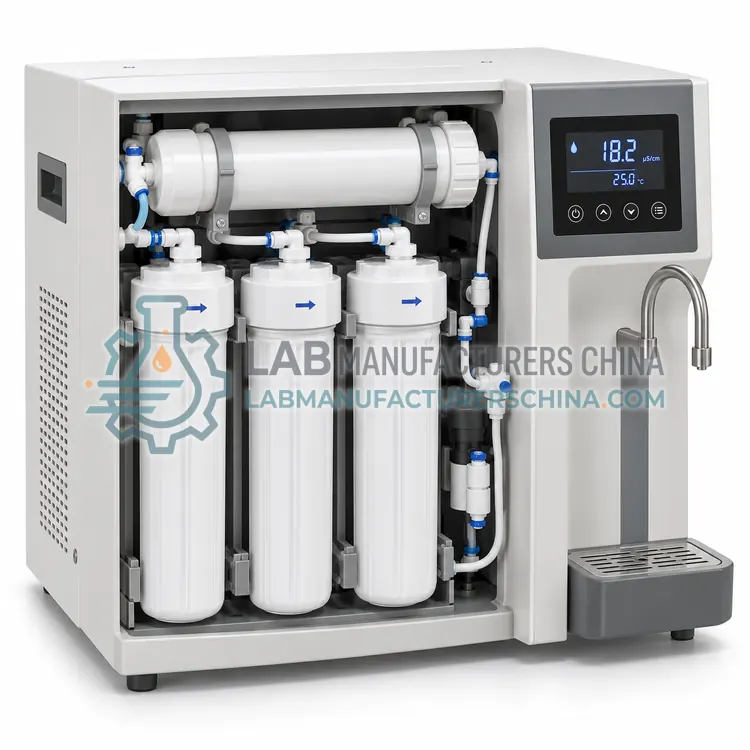 CLWP实验室水纯化设备Laboratory water purification equipment produces water of defined purity from tap or pretreated feed for analytical, biological and industrial use. The category covers reverse osmosis systems, deionizers, ultrapure water systems, distillation units and larger water purification plants.
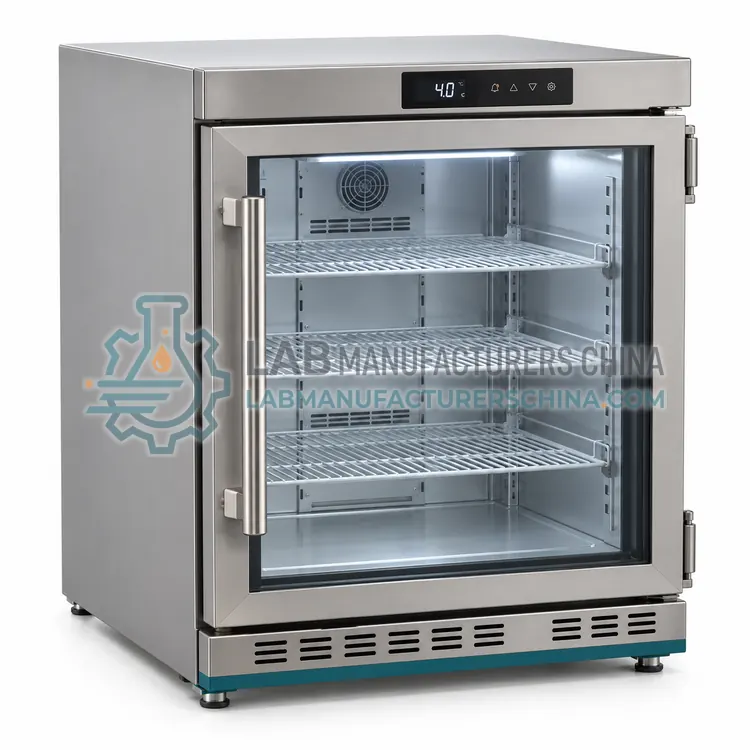 CLAR实验室冷藏箱Laboratory refrigerators are temperature-controlled cabinets that hold medicines, blood products, reagents, samples and chromatography consumables at about 2–8 °C. The category covers pharmacy, blood bank, chromatography and explosion-proof types, used in hospitals, pharmacies, pharmaceutical QC, research and chemical laboratories.
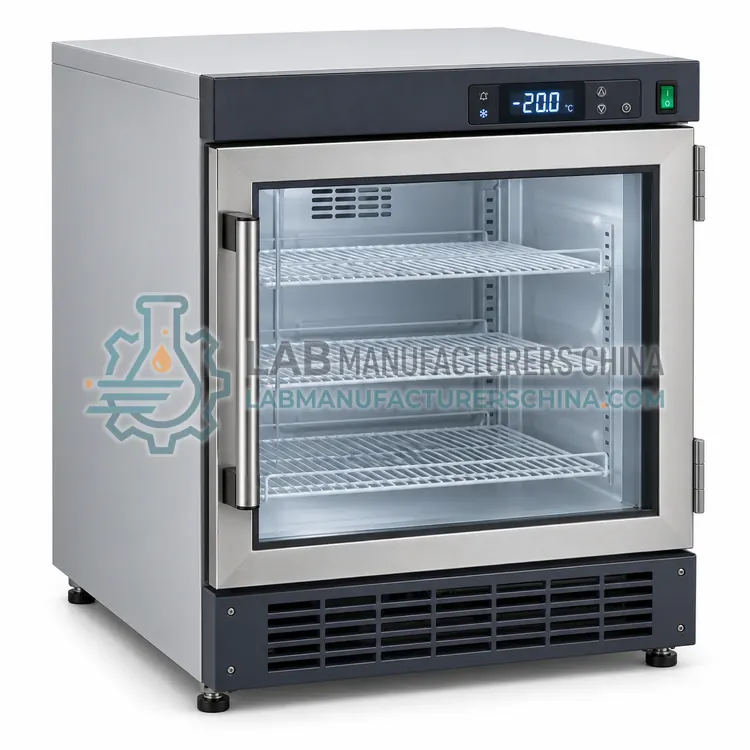 CLFR实验室冷冻箱Laboratory freezers are insulated, refrigerated cabinets that hold biological samples, reagents, plasma, vaccines and chemicals frozen at temperatures from about -20 °C down to -86 °C. The category covers -20 °C, -40 °C, -80 °C, ultra-low upright and chest types, used in hospitals, biobanks, research and pharmaceutical laboratories.
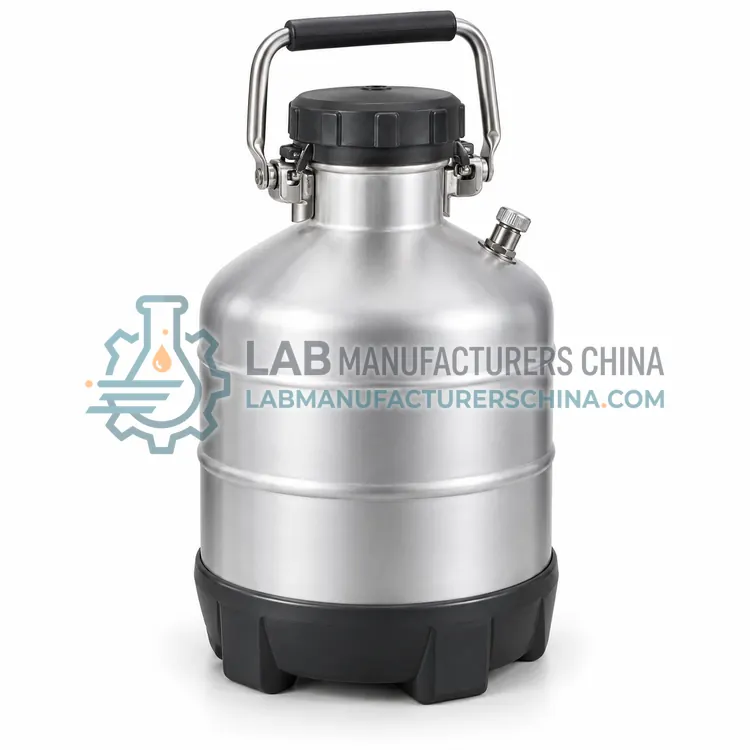 CCRE低温设备Cryogenic equipment covers the vessels, storage systems, freezers and transfer hardware used to hold and move materials at temperatures below about −150°C, typically with liquid nitrogen. Biobanks, fertility clinics, research institutes and industrial laboratories use it for long-term preservation of cells, tissues, gametes and reference samples.