
Laboratory Furnaces
实验室高温炉
CLAF · General Laboratory Equipment · 5 product types · 25 models
By Lab Manufacturers China Technical TeamLast reviewed
What are Laboratory Furnaces?
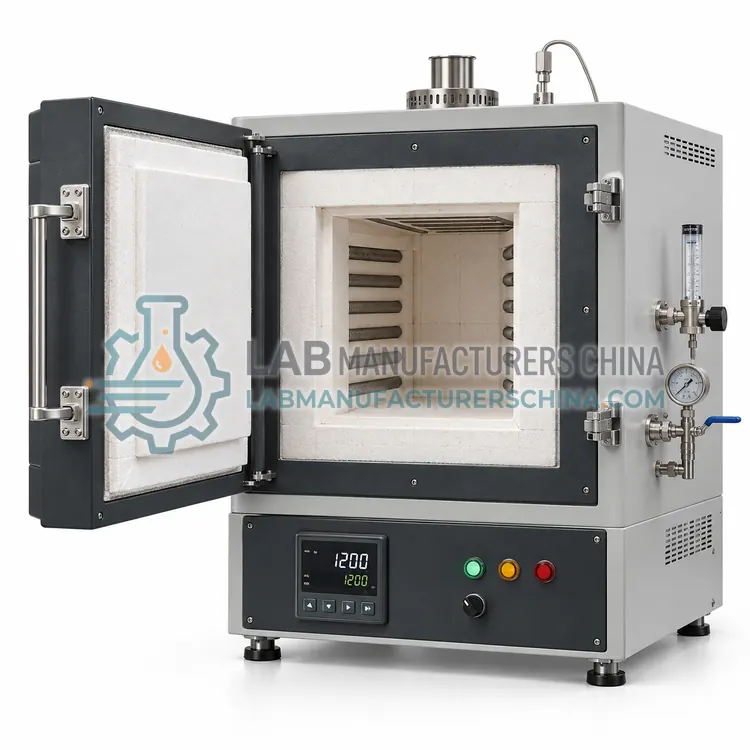
Laboratory furnaces are high-temperature electrically heated chambers used for ashing, sintering, calcination, melting and heat treatment, with working temperatures from about 1000 C up to 1800 C. The category includes muffle, tube, vacuum, ashing and high-temperature furnaces, which differ in chamber geometry, atmosphere control and maximum temperature.
5 product types in Laboratory Furnaces
The 5 product types below are grouped by the exact instrument you need.
- MUF5 models
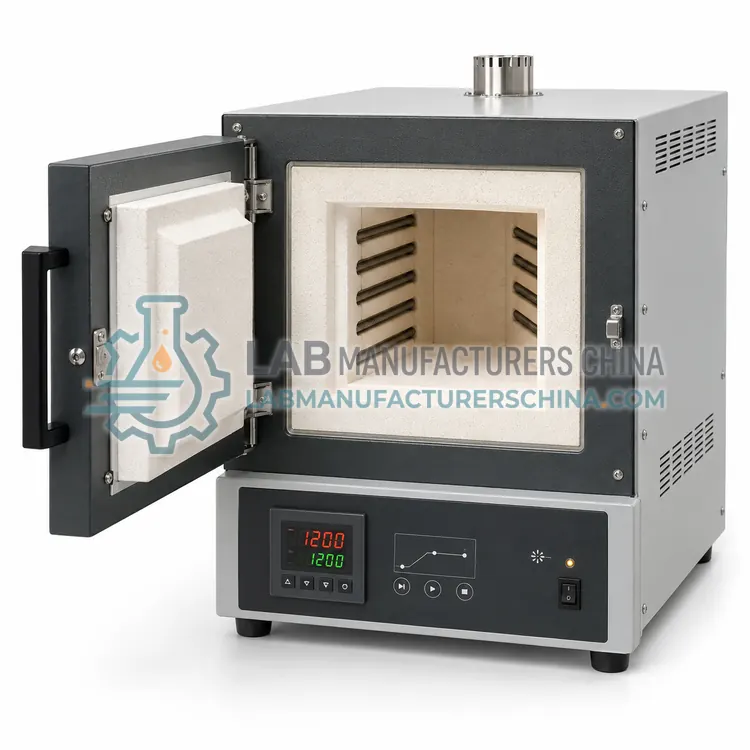
Muffle Furnaces
马弗炉
Muffle furnaces are box-chamber laboratory furnaces that heat samples to 1000 to 1800 C for ashing, ignition, sintering and heat treatment. An insulated door and a separate heating zone keep the sample isolated from the elements, giving clean, controllable high-temperature processing.
- TUF5 models
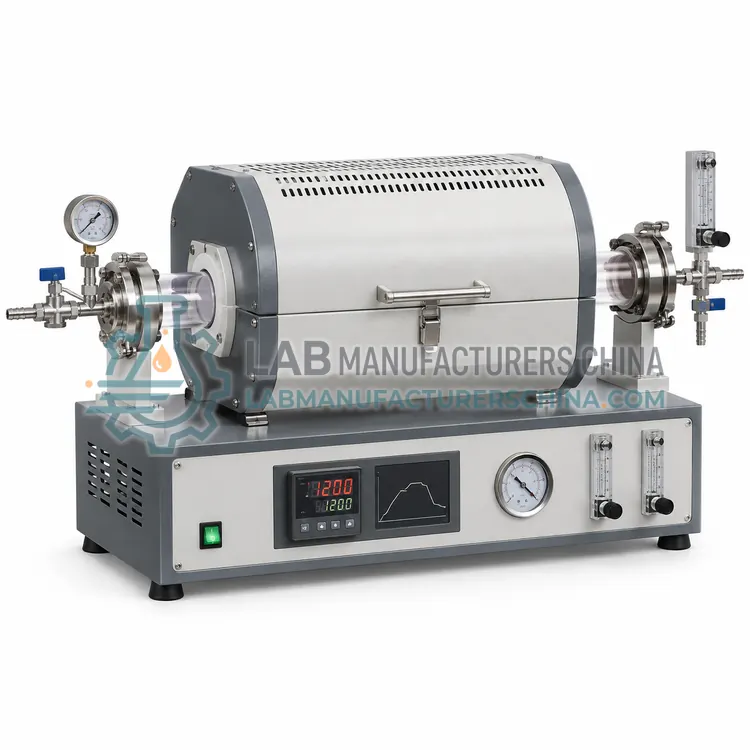
Tube Furnaces
管式炉
Tube furnaces heat samples inside a cylindrical work tube, allowing gas flow, vacuum or sealed processing from 1000 to 1700 C. They are used for calcination, chemical vapor deposition, catalyst studies and controlled-atmosphere reactions in materials and chemistry laboratories.
- VAF5 models
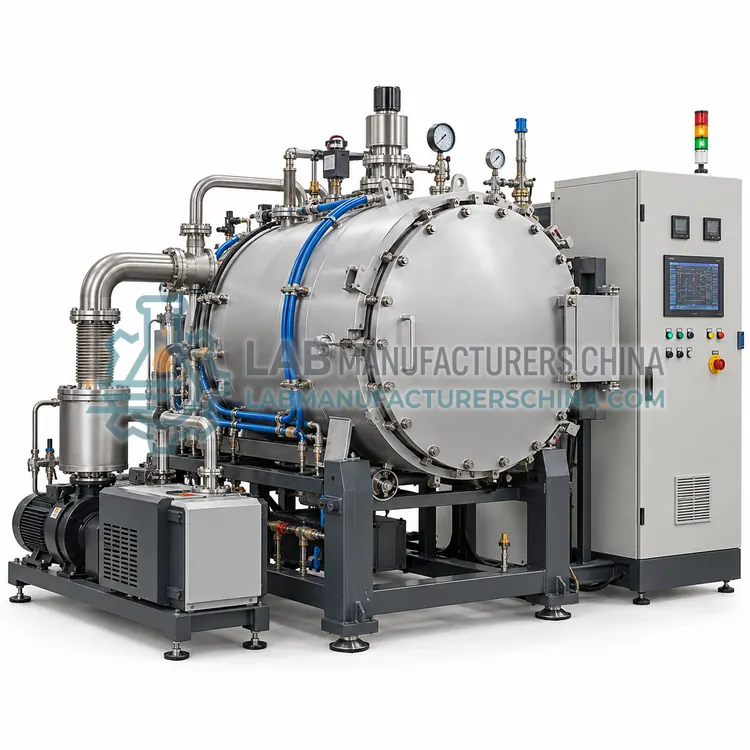
Vacuum Furnaces
真空炉
Vacuum furnaces heat materials in a sealed chamber at reduced pressure to prevent oxidation, degas and process metals and ceramics cleanly from 1000 to 2200 C. They are used for heat treatment, sintering, brazing and degassing where surface quality and purity are critical.
- ASF5 models
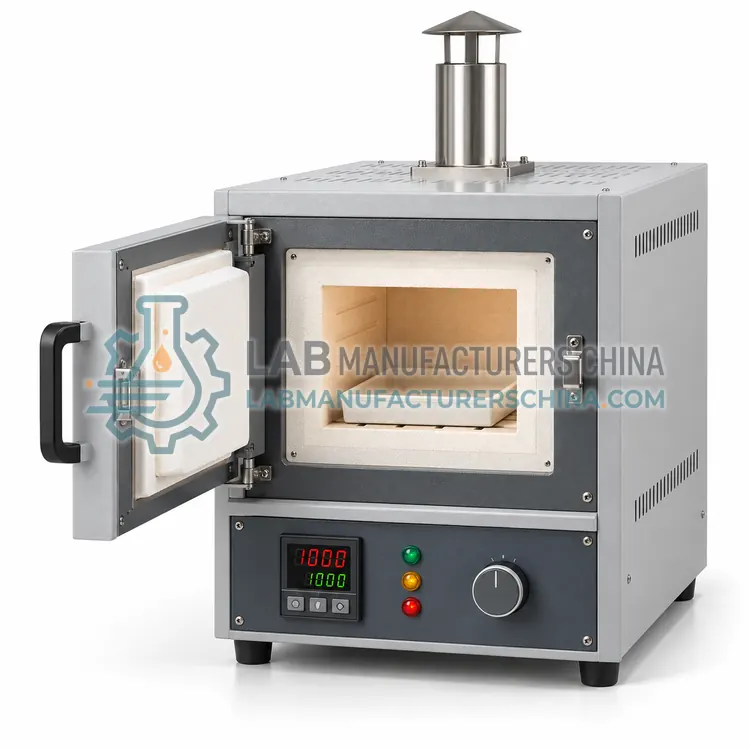
Ashing Furnaces
灰化炉
Ashing furnaces are laboratory furnaces optimized for controlled ignition of organic material to leave a mineral ash residue, typically at 500 to 1000 C with programmable heating and good uniformity. They serve ash content, residue on ignition, sulfated ash and ash fusibility testing in food, feed, fuel and pharmaceutical laboratories.
- HTF5 models
High Temperature Furnaces
高温炉
High-temperature furnaces reach 1400 to 3000 C using silicon carbide, molybdenum disilicide, graphite or induction heating, with dense refractory insulation and inert-atmosphere options. They serve advanced ceramics, refractory testing, crystal growth and melting where the highest laboratory temperatures and controlled atmospheres are required.
What are Laboratory Furnaces?
A laboratory furnace is an insulated chamber with high-duty heating elements that reaches temperatures far above those of an oven, usually 1000 C and upward. Models differ by chamber shape and atmosphere: muffle furnaces use a box chamber for general ashing and heat treatment; tube furnaces use a cylindrical work tube for controlled-atmosphere or flow-through processing; vacuum and atmosphere furnaces add sealed chambers and gas or pump connections; ashing furnaces are designed for residue and ash determination; and high-temperature furnaces reach 1600 to 1800 C for ceramics, glass and advanced materials. Controls are PID-based, often with programmable ramp-and-soak profiles and type K, S or B thermocouples. Accessories include crucibles, boats, alumina tubes, gas manifolds and exhaust systems for combustion products.
How do Laboratory Furnaces work?
Electrical current passes through high-resistance heating elements such as Kanthal wire, silicon carbide rods or molybdenum disilicide elements, which convert it into heat inside a chamber lined with ceramic fiber or insulating brick. A thermocouple measures chamber temperature and a PID or SCR controller modulates power to follow the setpoint or a programmed profile. Heat reaches the sample mainly by radiation and conduction, so elements are positioned around the chamber and the sample sits in a crucible or boat. In tube furnaces a work tube passes through the heated zone, allowing gas flow or vacuum. Atmosphere furnaces use sealed chambers with inert or reactive gas inlets, while vacuum furnaces use a pump to reduce pressure. Refractory linings, cooling fans on the shell and door interlocks protect the operator, and exhaust ports remove combustion gases.
Where are Laboratory Furnaces used?
Furnaces are used wherever materials must be heated to high temperature. Analytical laboratories determine ash and residue on ignition in food, feed, coal, plastics and pharmaceuticals. Materials and ceramic laboratories sinter powders, calcine precursors, study phase changes and process glasses and advanced ceramics. Metallurgical work uses them for annealing, hardening, brazing and oxidation studies, sometimes under inert or reducing gas. Catalyst research employs tube furnaces for calcination and reduction with controlled gas flow. Environmental laboratories ash filters and prepare samples for elemental analysis. Electronic and battery research uses vacuum and atmosphere furnaces to avoid oxidation during processing. Each application sets its own temperature profile, atmosphere and crucible material, which in turn govern furnace choice.
Which standards apply to Laboratory Furnaces?
Furnace safety and performance are covered by several documents. IEC 61010-1 gives general electrical safety requirements for laboratory equipment and IEC 61010-2-010 covers heating equipment, while IEC 60519-1 addresses industrial electroheating installations. DIN 17052-1 defines temperature uniformity classes for industrial furnaces and is widely cited for chamber performance. Ash and residue methods include ASTM D3174 for coal, ISO 1171 for solid mineral fuels, USP <281> for residue on ignition and Ph. Eur. 2.4.14 for sulphated ash. ISO 9001 supports quality management, ISO 17025 covers testing laboratories, and GB/T 10067 series covers electrical heating equipment. Certification status must be confirmed for each model.
How do I select the right laboratory furnaces equipment?
Begin with maximum working temperature and atmosphere, since these eliminate most options immediately. Choose a muffle furnace for routine ashing and box-shaped loads, a tube furnace when gas flow or a sealed work tube is needed, a vacuum or atmosphere furnace for oxygen-sensitive materials, and an ashing furnace for standard ash determination. Then set chamber volume against sample count and crucible size, and choose the controller: simple setpoint or programmable multi-segment profiles. Confirm the thermocouple type matches the top temperature, and specify insulation grade, heating-element material, ramp rate, cooling method and exhaust. Finally check electrical supply, floor or bench loading, and whether a gas manifold, oxygen analyzer or data logging is required.
Laboratory Furnaces comparison
| Subcategory | Principle | Typical use | Key spec |
|---|---|---|---|
| Muffle Furnaces | Resistance elements around a box chamber | General ashing, heat treatment, ignition tests | 1000–1200 C, 1–30 L |
| Tube Furnaces | Cylindrical work tube in a split or solid heating zone | Controlled-atmosphere reactions, calcination, CVD | 1000–1700 C, 25–100 mm tube |
| Vacuum Furnaces | Sealed chamber with pump and inert-gas inlet | Oxidation-free sintering and degassing | 1000–2200 C, ≤10 Pa |
| Ashing Furnaces | Box or tube chamber optimized for residue analysis | Ash and residue on ignition determination | 550–1000 C |
| High Temperature Furnaces | High-duty elements with dense refractory lining | Ceramics, glass and advanced material processing | 1600–1800 C |
Frequently asked questions about Laboratory Furnaces
It applies high temperature to samples for ashing and residue determination, sintering, calcination, melting, annealing and materials research. Temperatures generally start around 1000 C and reach 1800 C in specialized models, under air, inert gas or vacuum.
A muffle furnace has a box chamber for crucibles and general ashing or heat treatment. A tube furnace has a cylindrical work tube through which gas can flow or a vacuum can be pulled, so it suits controlled-atmosphere reactions, calcination and continuous flow processing.
Common elements are Kanthal resistance wire for up to about 1200 C, silicon carbide rods to about 1300 to 1400 C, and molybdenum disilicide for 1500 to 1800 C. The element material determines maximum temperature, heating rate and atmosphere compatibility.
A 1200 C muffle furnace typically heats from room temperature to 1000 C in 30 to 60 minutes depending on chamber size and element power. 1700 C furnaces take considerably longer. Rapid cycles shorten element life, so programmed ramps are preferred.
Allow at least 30 to 50 cm clearance on all sides, keep the unit on a heat-resistant non-combustible surface and provide local extraction for combustion or process fumes. Ambient temperature should stay below about 40 C, and gas or vacuum connections must be rated for the working conditions.
Related categories
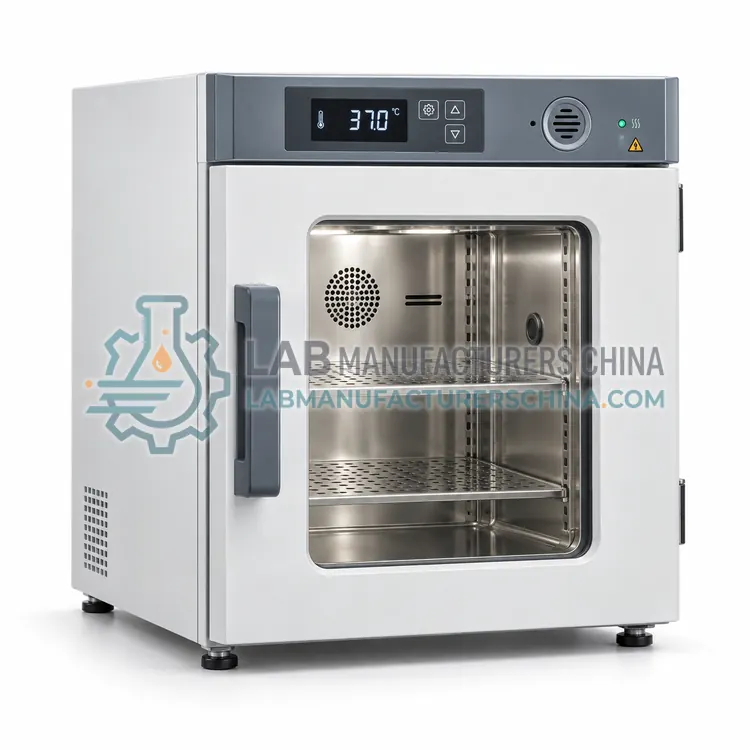 CLAI实验室培养箱Laboratory incubators are temperature-controlled chambers that maintain stable conditions for growing, culturing and storing microorganisms, cells, plants and samples, typically from 5 C to 80 C with optional CO2, humidity and shaking. The category covers standard, CO2, cooling, shaking and BOD incubators used in microbiology, cell culture and environmental testing.
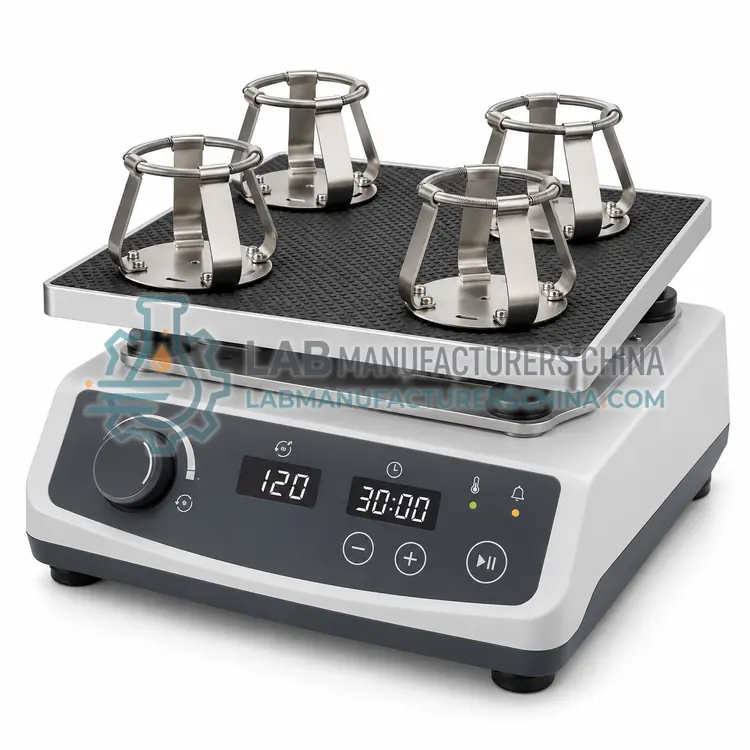 CLAS实验室摇床Laboratory shakers mix, aerate and suspend samples through controlled motion, using orbital, reciprocal, rocking, incubator and microplate formats. Speed typically ranges from 10 to 300 rpm for large platforms and up to 1500 rpm on small units, with load capacities from a single microplate to several liters of flasks.
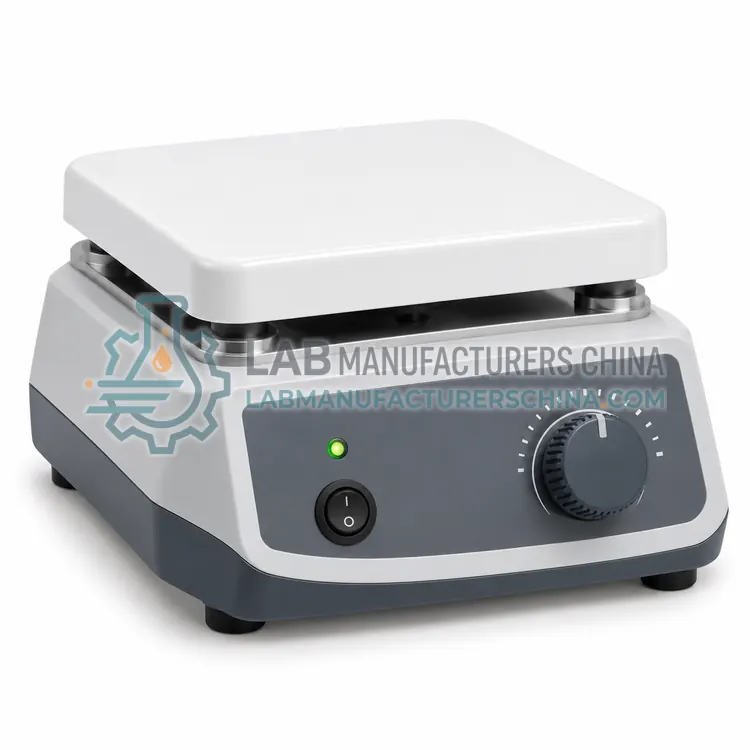 CLST实验室搅拌器Laboratory stirrers are benchtop devices that agitate liquids in beakers, flasks and reactors to blend reagents, dissolve solids, keep suspensions uniform and improve heat transfer. The category covers magnetic, overhead, hotplate and multi-position stirrers used in chemistry, pharmaceutical, biotechnology and materials laboratories.
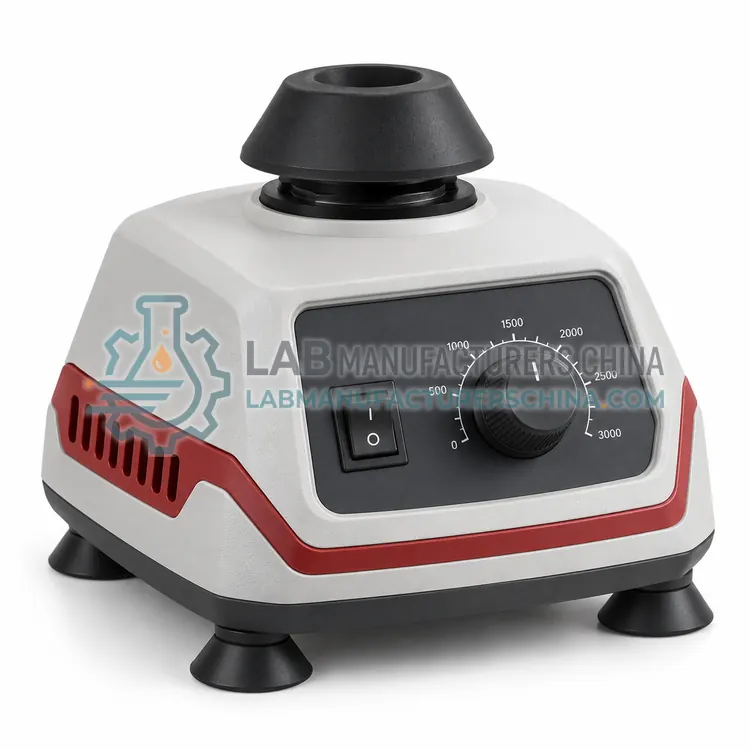 CLMI实验室混合器Laboratory mixers are instruments that blend, suspend, resuspend or emulsify samples by vortexing, rotating, rocking, planetary motion or high-shear rotor action. The category covers vortex, rotary, tube, planetary and high-shear mixers used in analytical, biological, pharmaceutical and materials laboratories.