
Laboratory Stirrers
实验室搅拌器
CLST · General Laboratory Equipment · 4 product types · 20 models
By Lab Manufacturers China Technical TeamLast reviewed
What are Laboratory Stirrers?
Laboratory stirrers are benchtop devices that agitate liquids in beakers, flasks and reactors to blend reagents, dissolve solids, keep suspensions uniform and improve heat transfer. The category covers magnetic, overhead, hotplate and multi-position stirrers used in chemistry, pharmaceutical, biotechnology and materials laboratories.
4 product types in Laboratory Stirrers
The 4 product types below are grouped by the exact instrument you need.
- MAS5 models
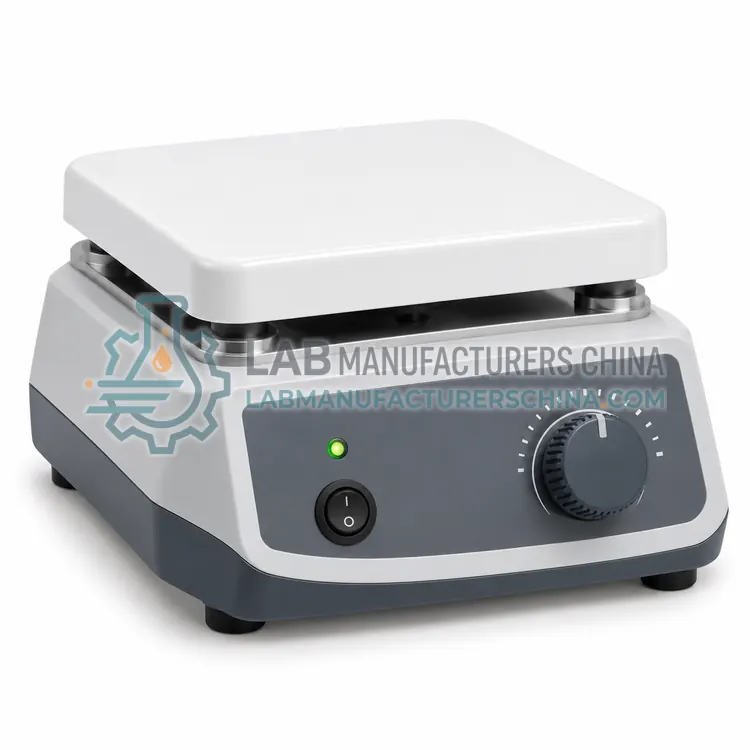
Magnetic Stirrers
磁力搅拌器
Magnetic stirrers are benchtop instruments that rotate a coated stir bar inside a vessel using a rotating magnetic field beneath the work surface. They mix low-to-medium viscosity liquids without a shaft seal or contamination from moving parts, and are used daily in chemistry, pharmaceutical, biological and environmental laboratories.
- OVS5 models
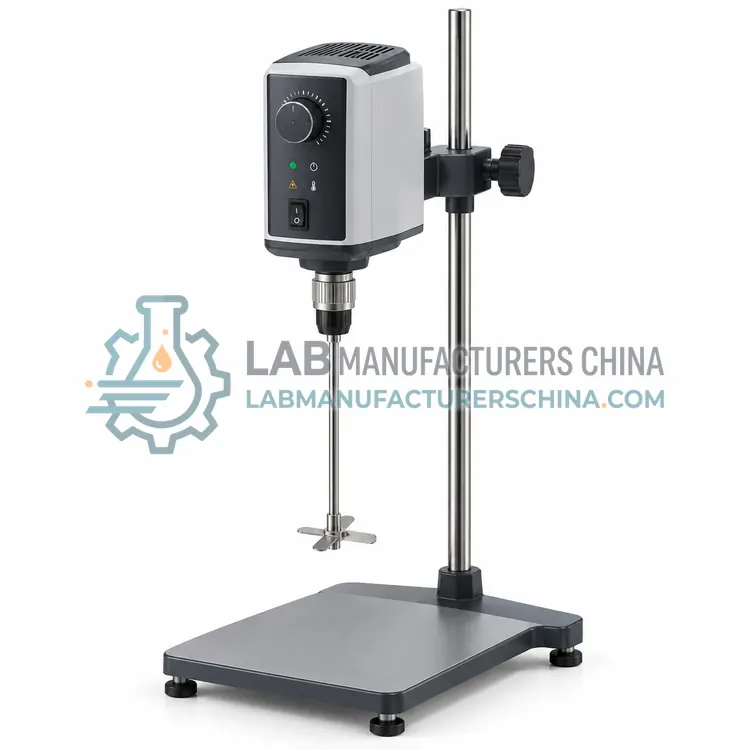
Overhead Stirrers
顶置式搅拌器
Overhead stirrers are laboratory mixing devices in which a motor above the vessel drives a shaft and impeller directly into the sample. They generate high torque for viscous, dense or large-volume liquids that magnetic stirrers cannot handle, and are used in synthesis, polymer, coatings, pharmaceutical and formulation laboratories.
- HOS5 models
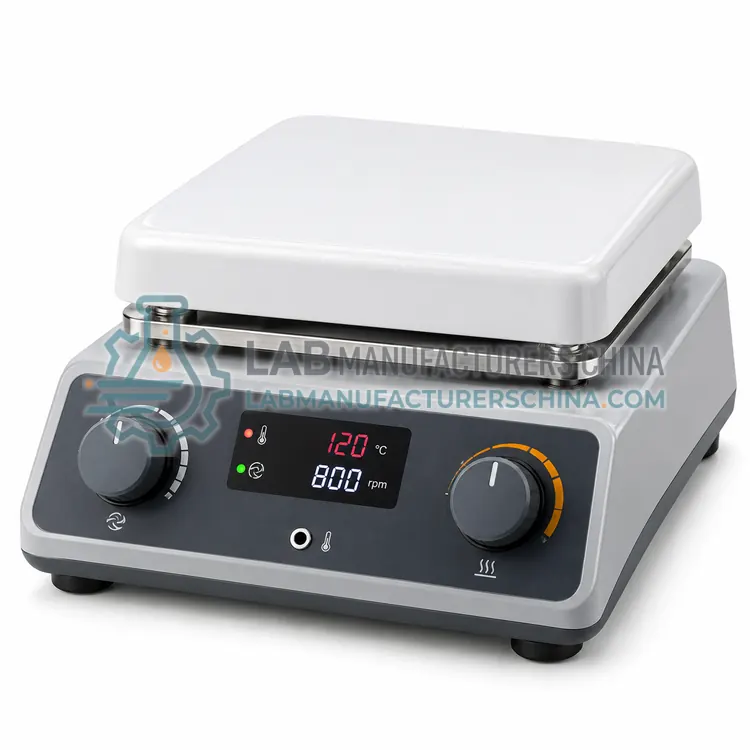
Hotplate Stirrers
加热磁力搅拌器
Hotplate stirrers combine a magnetic stirring drive with a heated plate in one benchtop unit, so liquids can be heated and mixed simultaneously. They are used for dissolving solids, running heated reactions, evaporating solvents and preparing media in chemistry, pharmaceutical, materials and biology laboratories.
- MPS5 models
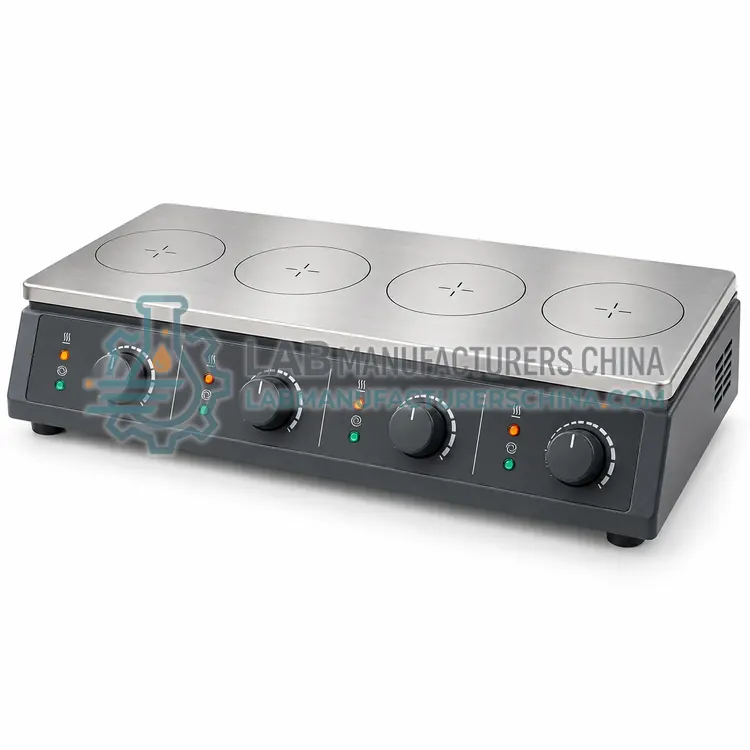
Multi-Position Stirrers
多工位搅拌器
Multi-position stirrers drive several vessels at the same time from one base or controller, so identical stirring speed, and often temperature, can be applied to multiple samples in parallel. They are used for dissolution, extraction, solubility screening, reaction optimization and water-treatment jar testing in research and QC laboratories.
What are Laboratory Stirrers?
A laboratory stirrer converts electrical energy into controlled fluid motion so that liquids, slurries and viscous media reach a uniform composition and temperature. Stirrers are sold in four main formats. Magnetic stirrers spin a coated bar inside the vessel and suit low-viscosity liquids in glassware. Overhead stirrers drive a shaft and impeller directly and handle high-viscosity or large-volume samples. Hotplate stirrers combine magnetic stirring with a heated plate for simultaneous heating and mixing. Multi-position stirrers run several vessels from one base for parallel dissolution, extraction or screening work. Typical specifications include speed range in rpm, maximum stirring volume, torque or viscosity capacity, heating-plate temperature and drive type. Stirrers are among the most widely installed devices in a laboratory, and their selection depends mainly on sample viscosity, volume and whether heating is required.
How do Laboratory Stirrers work?
Magnetic stirrers place a rotating permanent magnet or an electromagnetic field array under the work surface. A PTFE- or glass-coated stir bar inside the vessel follows the rotating field and creates a vortex. Overhead stirrers use a brushed DC, brushless DC or AC motor with a gearbox or direct drive to turn a shaft fitted with a propeller, pitched blade, anchor or turbine impeller. Torque is measured or estimated from motor current, and many models regulate speed in a closed loop with a tachometer or Hall sensor so that rpm stays constant as viscosity changes. Hotplate stirrers add a ceramic, aluminum or glass-ceramic heating plate with a PT1000 or external temperature probe and a PID controller, often with an independent safety circuit that cuts power above a fixed limit. Multi-position stirrers distribute one drive across several magnets or use individual motors for each position.
Where are Laboratory Stirrers used?
Stirrers support nearly every wet-laboratory workflow. In synthetic chemistry they maintain homogeneous reaction mixtures and improve heat transfer during exothermic steps. In pharmaceutical development they dissolve actives and excipients, prepare buffers and mobile phases, and keep suspensions uniform during sampling. In microbiology and cell culture, low-heat magnetic stirring prepares media and supports spinner flasks. Environmental laboratories use stirring for leaching tests, extractions and titrations. Materials laboratories disperse pigments, fillers and polymers, and overhead units mix resins, coatings and gels. Food and cosmetic formulators rely on stirrers for emulsions and creams during small-batch development. Multi-position units are favored where the same procedure must be repeated across several vessels, such as parallel dissolution, solubility screening or extraction, because identical speed and temperature conditions improve comparability between samples.
Which standards apply to Laboratory Stirrers?
Laboratory stirrers are electrical equipment and are normally assessed against IEC 61010-1 for safety and IEC 61010-2-010 for laboratory heating equipment, together with IEC 61326-1 for electromagnetic compatibility. European supply usually involves CE marking under the Low Voltage and EMC Directives, and RoHS compliance is commonly requested. Manufacturing quality is often documented under ISO 9001. Stirrers themselves are not calibrated to a pharmacopoeial standard, but speed and temperature readouts can be verified against a reference tachometer and thermometer as part of routine qualification. Methods that specify stirring, such as USP dissolution tests and ASTM jar-test procedures for coagulation, define rpm and geometry rather than the stirrer model.
How do I select the right laboratory stirrers equipment?
Start with sample viscosity and volume. Magnetic stirrers work for liquids below roughly 1,000 mPa·s and volumes up to about 20 L; beyond that, bar decoupling becomes likely and an overhead stirrer with measured torque is the safer choice. Add heating if the procedure needs temperature control, and check the maximum plate temperature, probe support and independent over-temperature cutoff. Choose a multi-position platform when several samples must be processed at the same speed and time, and confirm the speed uniformity between positions. For flammable solvents, specify spark-free or explosion-protected drives where local rules require it. Also consider the chemical resistance of surfaces, the stir-bar and shaft materials, digital or analog interface, PC connectivity for data logging, and the duty cycle. In your inquiry, state vessel size, fluid viscosity, speed range and temperature range.
Laboratory Stirrers comparison
| Subcategory | Principle | Typical use | Key spec |
|---|---|---|---|
| Magnetic Stirrers | Rotating magnetic field drives a coated stir bar | Buffers, solutions and low-viscosity reactions | Up to about 20 L, 100–1500 rpm |
| Overhead Stirrers | Motor-driven shaft and impeller | Viscous, dense or large-volume samples | Torque 20–400 N·cm, up to about 100 L |
| Hotplate Stirrers | Magnetic drive plus heated plate with PID control | Heated dissolution and reactions | Plate up to 300–550 °C, 20 rpm+ |
| Multi-Position Stirrers | One base drives several vessels | Parallel dissolution, extraction and screening | 4–15 positions, uniform speed |
Frequently asked questions about Laboratory Stirrers
A magnetic stirrer spins a stir bar inside the vessel through a magnetic field and suits low-viscosity liquids in glassware. An overhead stirrer drives a shaft and impeller mechanically, delivers far higher torque and is used for viscous, dense or large-volume samples.
Choose an overhead stirrer and size it by torque rather than power. Match the impeller type to the fluid, such as anchor or helical for paste-like media, and verify that the speed is held in a closed loop so rpm does not drop as viscosity rises during the process.
Only when the construction is suitable. Standard brushed-motor and heated units can create ignition sources. For flammable solvents, specify brushless or air-driven drives, spark-free switching, sealed electronics and a hotplate with independent over-temperature protection, and follow local hazardous-area rules and your safety assessment.
There is no universal interval. Many laboratories verify speed with a reference tachometer and temperature with a calibrated thermometer annually or after repair, and more often in regulated work. Follow your quality system and the method that specifies the stirring conditions.
Request a declaration of conformity to the applicable directives, such as the Low Voltage and EMC Directives for CE, plus RoHS information and the test basis, typically IEC 61010-1 and IEC 61326-1. Ask whether a notified laboratory tested the unit or the manufacturer self-declared.
Related categories
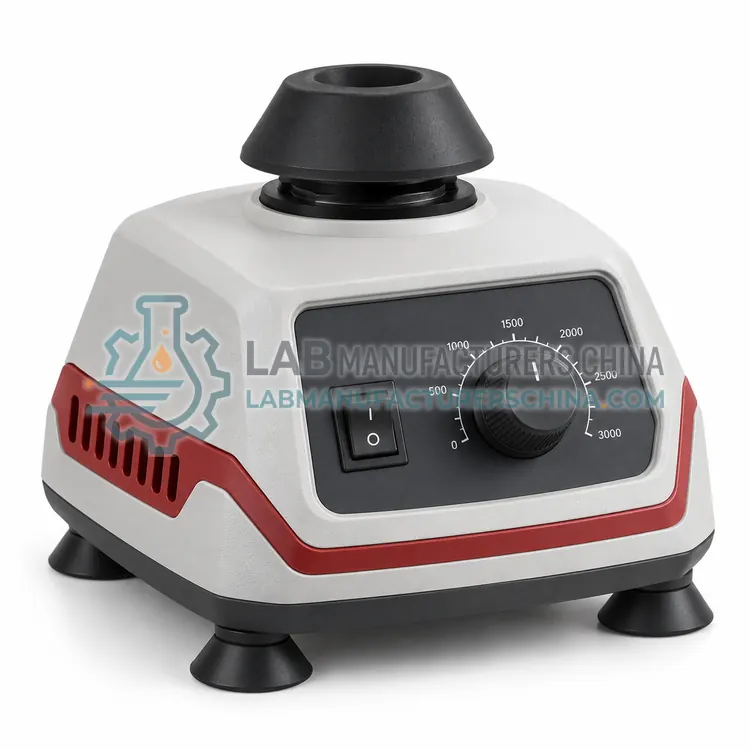 CLMI实验室混合器Laboratory mixers are instruments that blend, suspend, resuspend or emulsify samples by vortexing, rotating, rocking, planetary motion or high-shear rotor action. The category covers vortex, rotary, tube, planetary and high-shear mixers used in analytical, biological, pharmaceutical and materials laboratories.
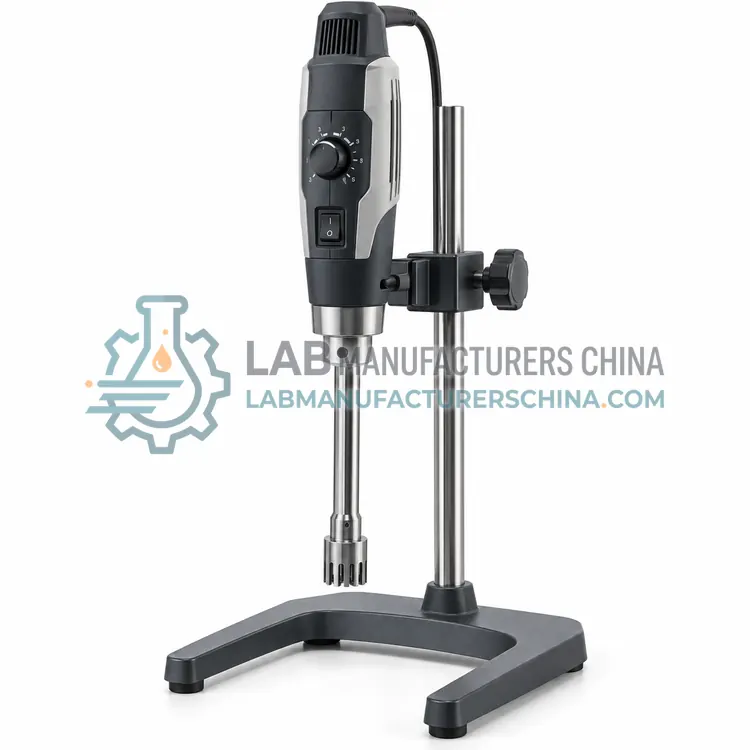 CLAH实验室均质设备Laboratory homogenizers break, disperse and emulsify samples by applying mechanical shear, ultrasound or high pressure. The category covers rotor-stator, ultrasonic, tissue and high-pressure homogenizers used in biology, pharmaceutical, food, cosmetic, chemical and environmental laboratories to prepare uniform samples before analysis.
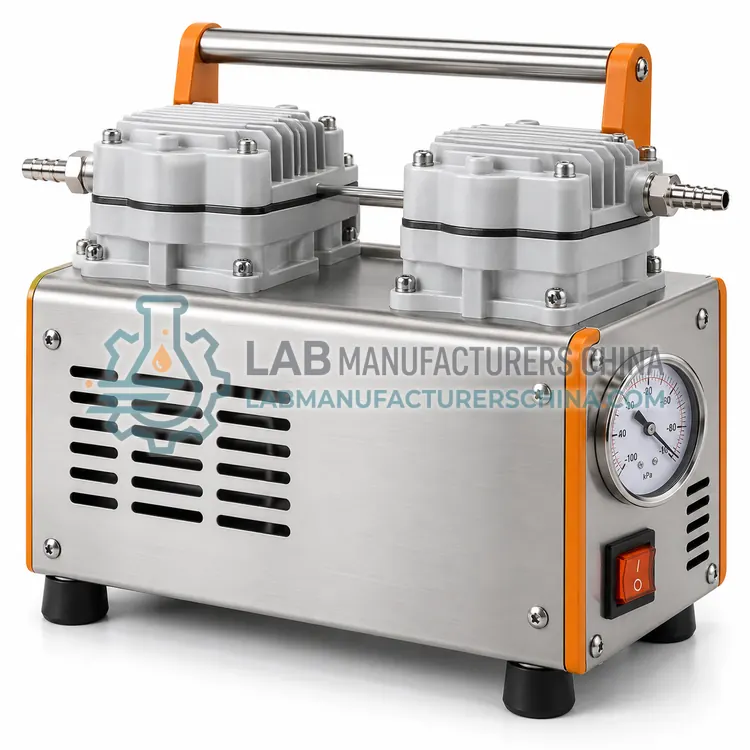 CLAP实验室泵Laboratory pumps move liquids, gases or slurries through tubing, columns and vessels under controlled flow, pressure or vacuum. The category covers vacuum, peristaltic, diaphragm, syringe and circulation pumps used for sample handling, chromatography, filtration, dosing and temperature control in research, quality control and process development.
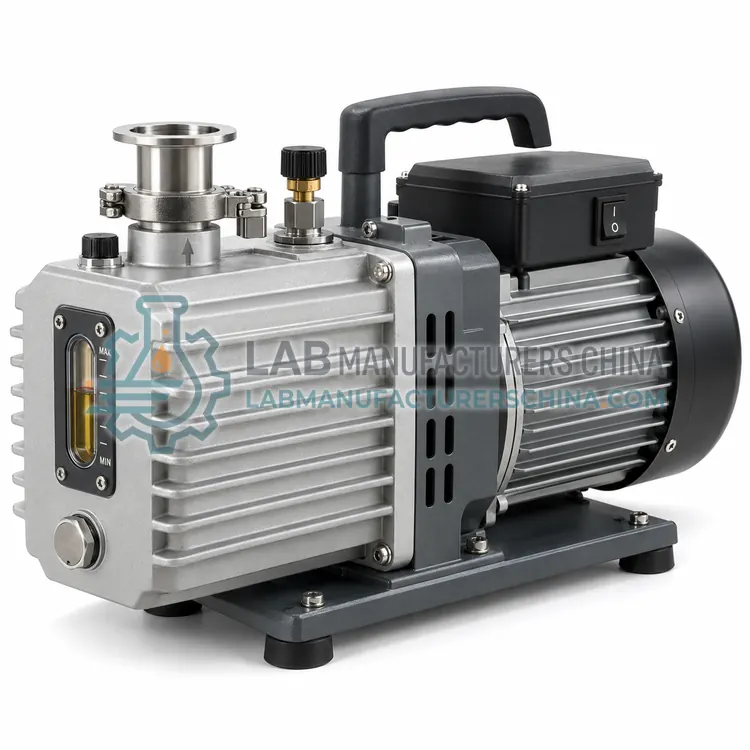 CVAE真空设备Vacuum equipment creates, contains and controls reduced pressure for laboratory and industrial processes. The category covers vacuum pumps, chambers, manifolds, controllers and complete systems used for drying, filtration, degassing, coating, distillation, freeze drying and sample preparation.