
Sample Preparation Equipment
样品前处理设备
CSPE · General Laboratory Equipment · 7 product types · 35 models
By Lab Manufacturers China Technical TeamLast reviewed
What are Sample Preparation Equipment?
Sample preparation equipment reduces, homogenizes, extracts and digests laboratory samples before analysis. The category covers crushers, grinders, mills, homogenizers, digesters, extractors and sample dividers used to produce representative, analysis-ready material in analytical and quality-control laboratories.
7 product types in Sample Preparation Equipment
The 7 product types below are grouped by the exact instrument you need.
- CRU5 models
Crushers
破碎机
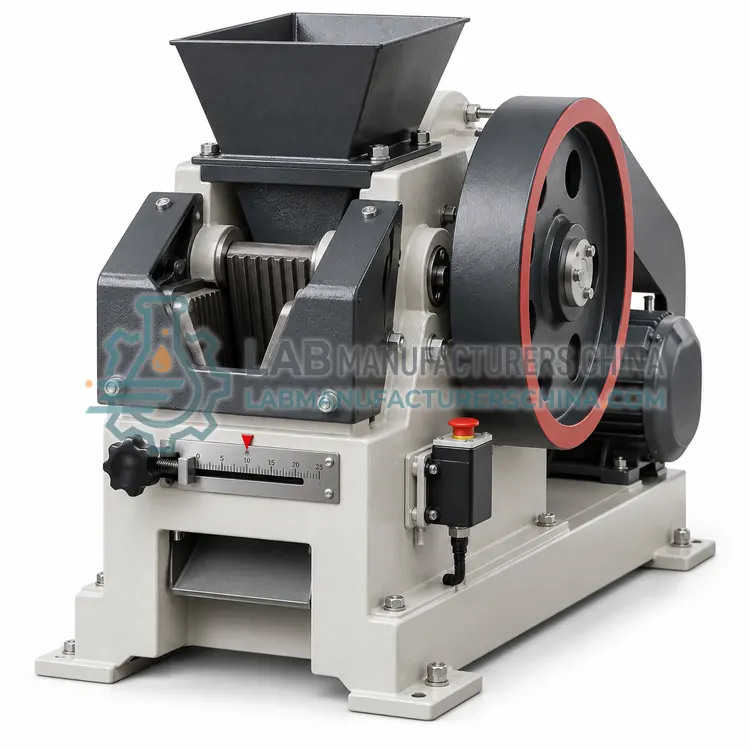
Crushers reduce large, hard lumps of rock, ore, clinker and similar material into smaller pieces for further milling. They use compression, impact or shear and are the first stage of size reduction in sample preparation.
- GRI5 models
Grinders
研磨机
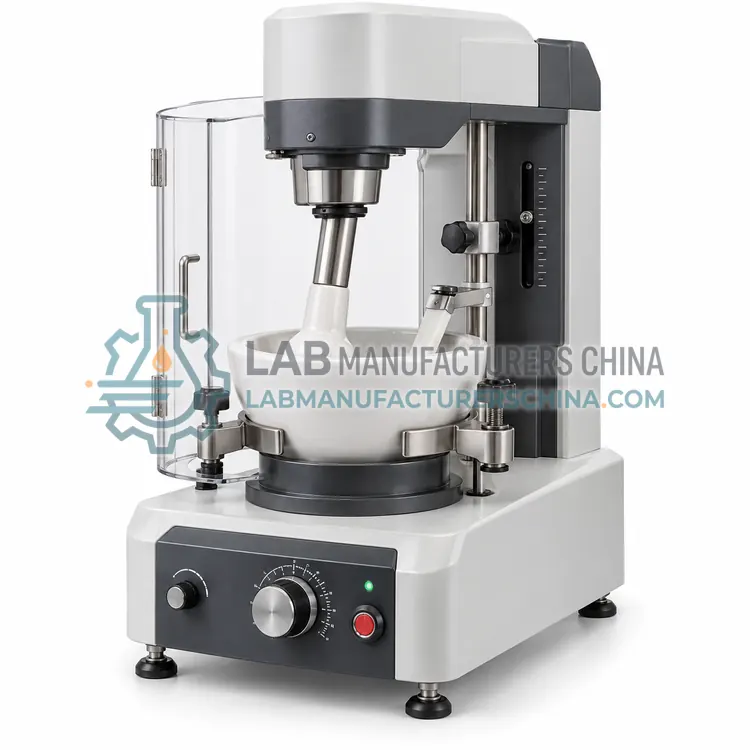
Grinders reduce laboratory samples to a fine or medium powder by friction, impact or cutting. They prepare material for digestion, extraction and analysis, and are chosen to suit the hardness, fibre content and heat sensitivity of the sample.
- MIL5 models
Mills
粉碎机
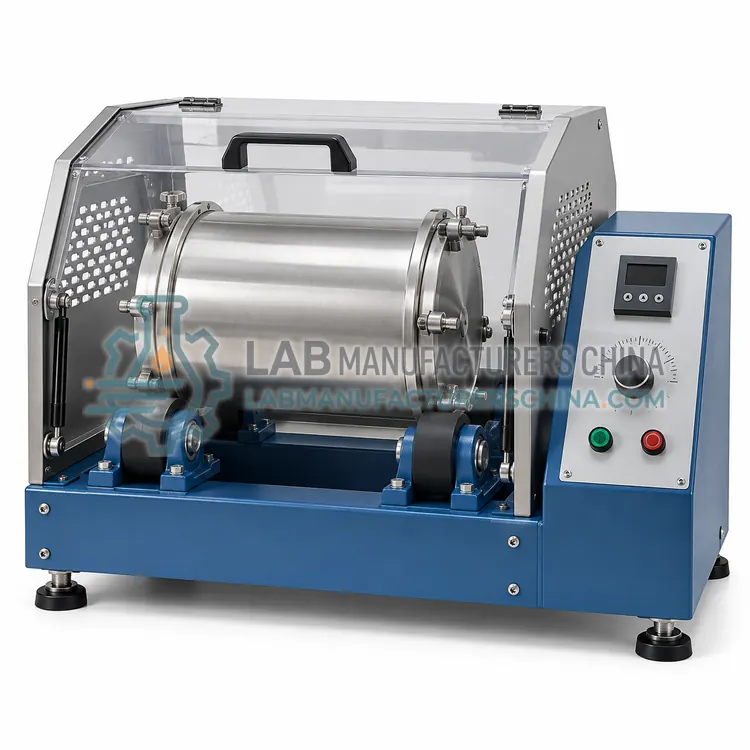
Mills reduce laboratory samples to fine powder by impact, friction or attrition. They prepare material for digestion, X-ray analysis and spectroscopy, and are selected by the achievable particle size and the hardness of the sample.
- HOM5 models
Homogenizers
均质器
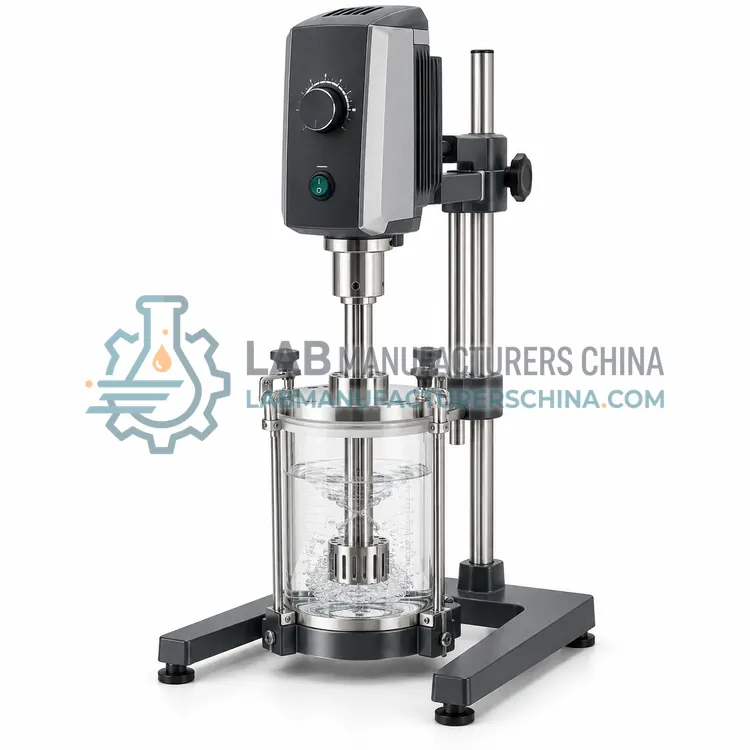
Homogenizers mix and disrupt samples to give a uniform, representative material for analysis. They use rotating blades, rotor-stator shear, high pressure, beads or ultrasound, and are used in food, biology and chemistry laboratories before further testing and analysis.
- DIG5 models
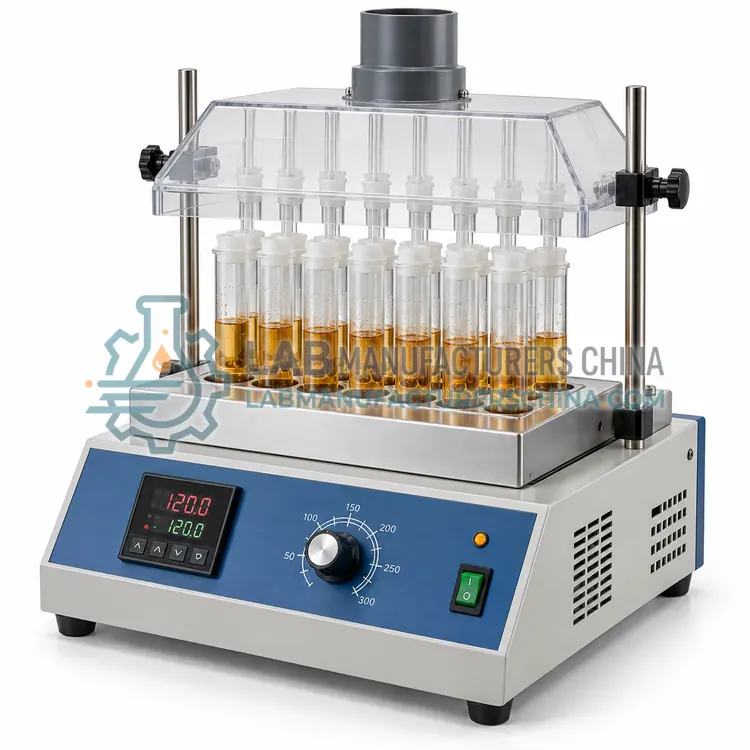
Digesters
消解仪
Digesters dissolve solid and liquid samples in acid under heat or microwave energy, converting them into clear solutions for elemental analysis. They are used before ICP, atomic absorption and spectrophotometric measurement in the analytical laboratory.
- EXT5 models
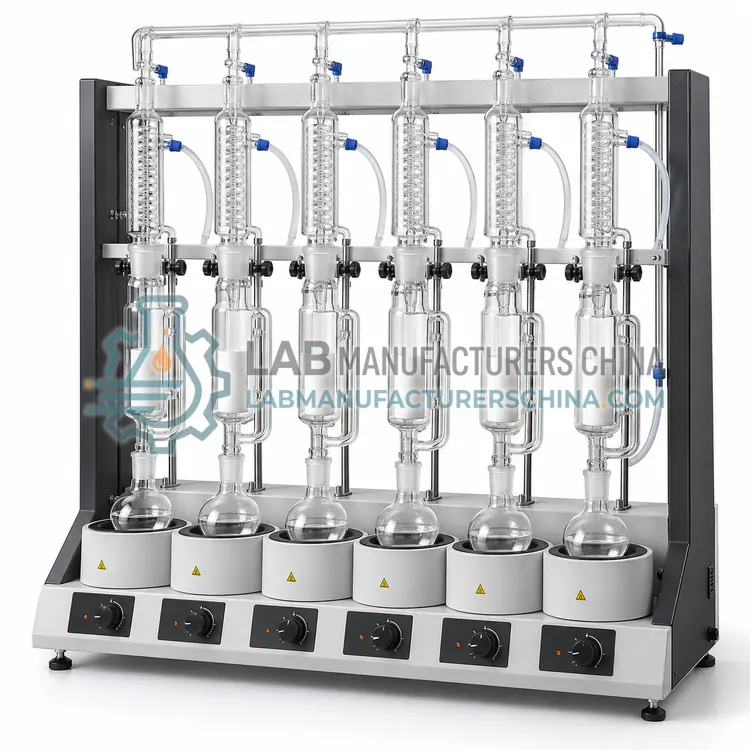
Extractors
萃取仪
Extractors isolate target analytes from a sample matrix using solvent, heat, pressure or supercritical fluid. They prepare food, environmental and material samples for chromatographic and spectroscopic analysis. They are widely used in analytical and quality-control laboratories.
- SAD5 models
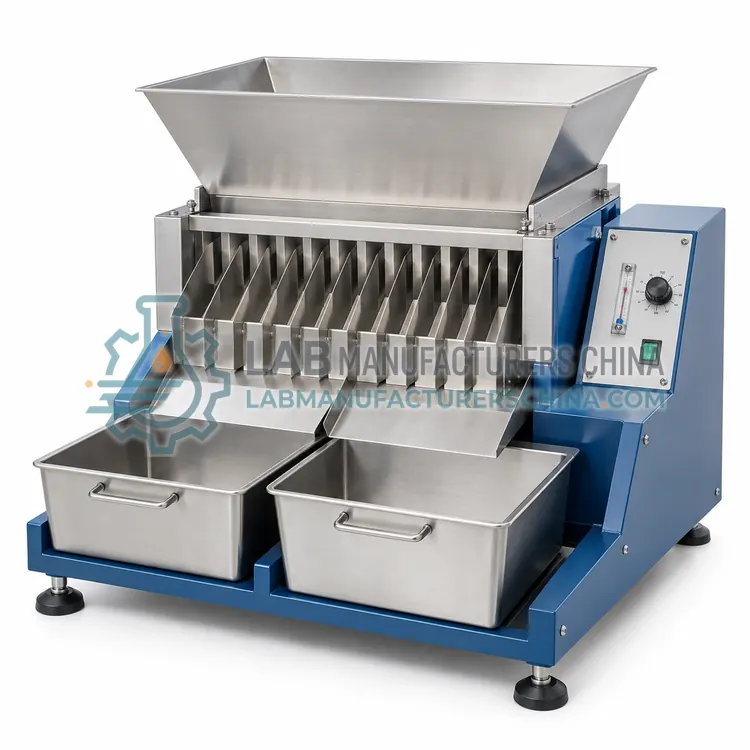
Sample Dividers
分样器
Sample dividers split bulk material into equal, representative sub-samples by geometry rather than by operator choice. They are used before analysis to ensure that the portion tested reflects the whole sample in the analytical laboratory.
What are Sample Preparation Equipment?
Sample preparation equipment converts a bulk or field sample into a form suitable for analysis. The first step is usually size reduction, in which crushers break large pieces, grinders and mills reduce material to a fine powder, and homogenizers disperse or blend soft, fibrous or liquid samples. Sample dividers then split the material into representative sub-samples, so that the portion analyzed reflects the whole. Chemical preparation follows: digesters dissolve solid or liquid samples in acid, often with heat or microwave energy, and extractors isolate target analytes from a matrix using solvent, heat, pressure or supercritical fluid. The choice of method and equipment affects accuracy because particle size, homogeneity, contamination and analyte loss all influence the final measurement.
How do Sample Preparation Equipment work?
Crushers apply compression, impact or shear to break large lumps into smaller pieces, protecting the downstream mill from oversized feed. Grinders and mills reduce material further by impact, friction or cutting between a rotor and a ring, balls, blades or a mortar, and the resulting particle size depends on the mechanism, speed and time. Homogenizers use rotating blades, rotor-stator shear, pressure or beads to mix and disrupt samples uniformly. Dividers use riffles, rotary splitters or chutes to divide a flowing or static sample into equal representative parts. Digesters heat samples with acid in open vessels, sealed closed vessels or microwave systems to dissolve matrices. Extractors use Soxhlet, solvent, pressurised or supercritical fluid methods to transfer analytes from the matrix into a solvent.
Where are Sample Preparation Equipment used?
Mining, cement and geology laboratories crush and mill rock, ore and clinker before chemical or mineralogical analysis. Food and feed laboratories grind and homogenize grains, meat, dairy and produce for residue, nutrition and contaminant testing. Environmental laboratories prepare soil, sediment, sludge and waste by drying, milling and digestion before elemental analysis. Pharmaceutical and biotechnology laboratories homogenize tissues and cells and extract active compounds for assay. Agricultural laboratories mill plant material and divide soil samples before nutrient testing. Forensic and materials laboratories use cutting mills and dividers to obtain representative sub-samples from heterogeneous evidence and products.
Which standards apply to Sample Preparation Equipment?
Test sieves used to control particle size follow ISO 3310-1 and ASTM E11, and sampling procedures for specific commodities are given in standards such as ISO 6497 for animal feeding stuffs. Microwave digestion for elemental analysis is described in EPA methods 3051A and 3050B, and comparable procedures appear in ISO and pharmacopoeial texts. Soxhlet and solvent extraction methods are covered by ISO and AOAC procedures for fats and residues. Safety of electrically powered laboratory preparation equipment generally follows IEC 61010-1. Laboratories should verify that grinding media and vessels do not introduce contamination, and should record particle size, homogenisation and digestion conditions in the method.
How do I select the right sample preparation equipment?
Start from the sample and the required final form. Hard, brittle material needs a jaw or cone crusher followed by a ball or disc mill, while soft, fibrous, elastic or fatty samples need a cutting mill, knife mill or homogenizer. Decide the target particle size, because it must be small enough for complete digestion, extraction or sub-sampling, yet not so fine that it causes agglomeration or heat damage. Check that materials in contact with the sample do not contaminate it, and choose hardened steel, tungsten carbide, agate, zirconia or plastic accordingly. Consider sample volume, throughput and whether the process must be reproducible. For chemical preparation, choose open, closed or microwave digestion and the appropriate extraction technique, and confirm heating, pressure and safety requirements.
Sample Preparation Equipment comparison
| Subcategory | Principle | Typical use | Key spec |
|---|---|---|---|
| Crushers | Compression and impact breakage | Coarse reduction of rock, ore and lumps | Feed size up to 100 mm |
| Grinders | Friction, impact or cutting | Reduction to fine or medium powder | Final size 0.1–2 mm |
| Mills | Ball, disc or rotor impact | Fine grinding for analysis | Final size down to 10 µm |
| Homogenizers | Rotating blades or rotor-stator shear | Mixing and disruption of soft samples | Volume 0.5–50 mL |
| Digesters | Acid digestion under heat or microwave | Dissolution for elemental analysis | Up to 200 °C, 60 bar |
| Extractors | Solvent, Soxhlet or supercritical extraction | Isolation of analytes from matrix | Temperature up to 200 °C |
| Sample Dividers | Riffle or rotary splitting | Representative sub-sampling | Sample mass 0.5–50 kg |
Frequently asked questions about Sample Preparation Equipment
Particle size controls how completely a sample dissolves, extracts or reacts, and how representative a sub-sample is. Very coarse material digests incompletely and splits unevenly, while extremely fine material can agglomerate, generate heat or lose volatile analytes. The method should state a target size.
Choose grinding surfaces that do not contain the elements being measured and that are hard enough not to wear excessively. Agate avoids most metal contamination, zirconia and tungsten carbide suit harder materials, and plastic or ceramic mills suit trace analysis. Clean and blank-check between samples.
Open digestion heats the sample with acid in a vessel open to the atmosphere, which is simple but can lose volatile elements and needs more acid and time. Closed-vessel and microwave digestion retain volatiles, use less acid and reach higher temperatures quickly, but require pressure-rated vessels and careful safety procedures.
Representative splitting uses a riffle splitter, rotary divider or similar device that divides the material into equal portions by geometry rather than by choice. The sample is usually reduced in size and mixed before splitting, and the process may be repeated until the required mass is reached.
No. Hard and brittle materials need impact or friction mills, soft and fibrous materials need cutting mills, and fatty or moist samples need homogenizers or knife mills. Laboratories usually keep several devices so that each sample is reduced by the mechanism that suits it without heat damage or contamination.
Follow IEC 61010-1 practice, guard rotating and crushing parts, and never reach into a running mill or crusher. Wear eye and hearing protection, and handle acids and solvents in a fume hood. Use pressure-rated vessels for closed digestion, and allow cooling before opening. Lock-out procedures should be used for maintenance.
Related categories
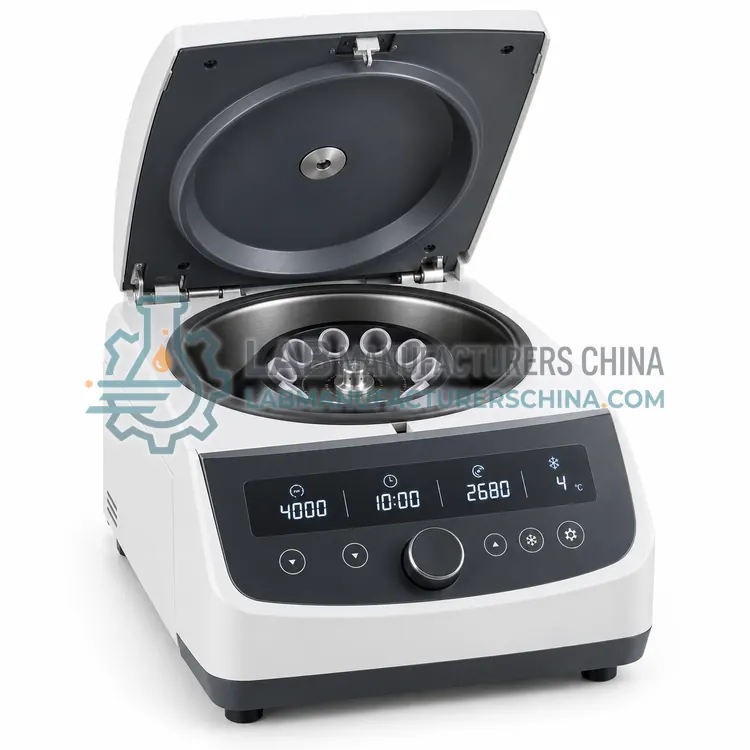 CLAC实验室离心机Laboratory centrifuges separate particles, cells and macromolecules from liquid samples by applying centrifugal force in a rotating rotor. The category spans benchtop, high-speed, refrigerated, micro and ultra-speed units used in clinical, pharmaceutical, biotechnology, chemical and academic laboratories for sample preparation and purification.
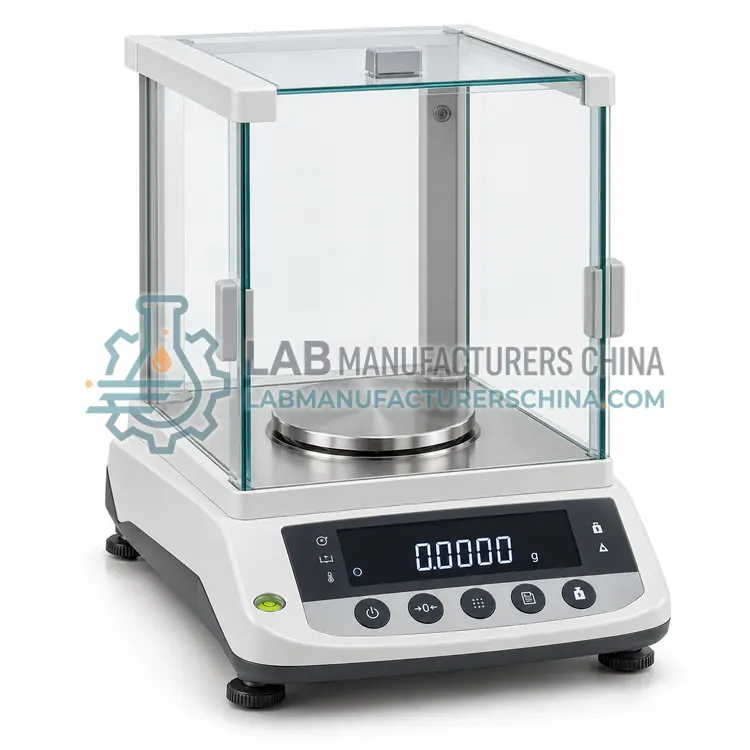 CLAB实验室天平Laboratory balances measure mass with readability from 0.1 microgram to 1 kg across analytical, precision, micro, moisture and platform types. They support sample preparation, formulation, gravimetric analysis and quality control in pharmaceutical, chemical, food, environmental, clinical and academic laboratories.
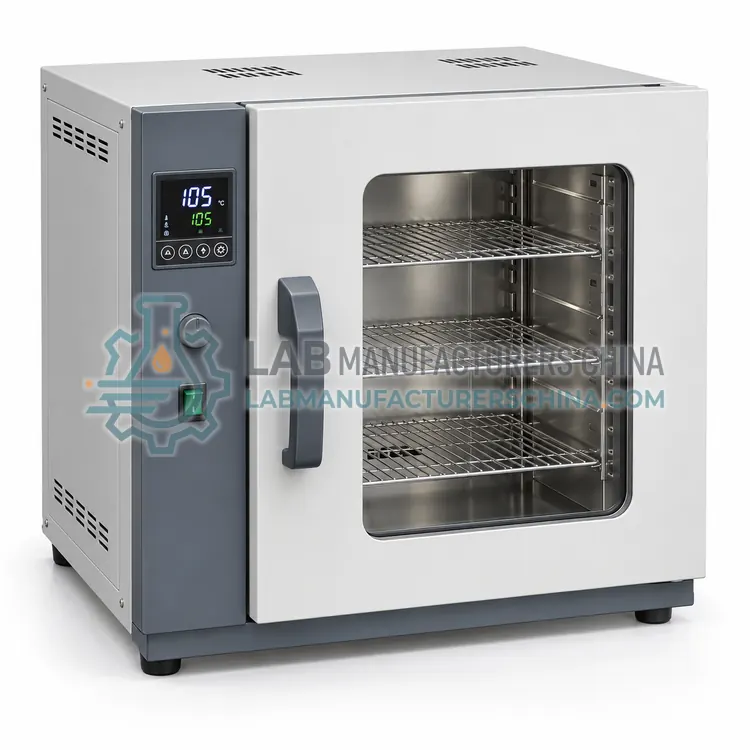 CLAO实验室烘箱Laboratory ovens are insulated, electrically heated chambers that hold a set temperature to dry, bake, cure, condition or heat-treat samples and glassware. The category covers gravity and forced-air drying ovens, vacuum ovens, high-temperature ovens and larger industrial laboratory ovens, with working temperatures from about 50 C to 600 C.
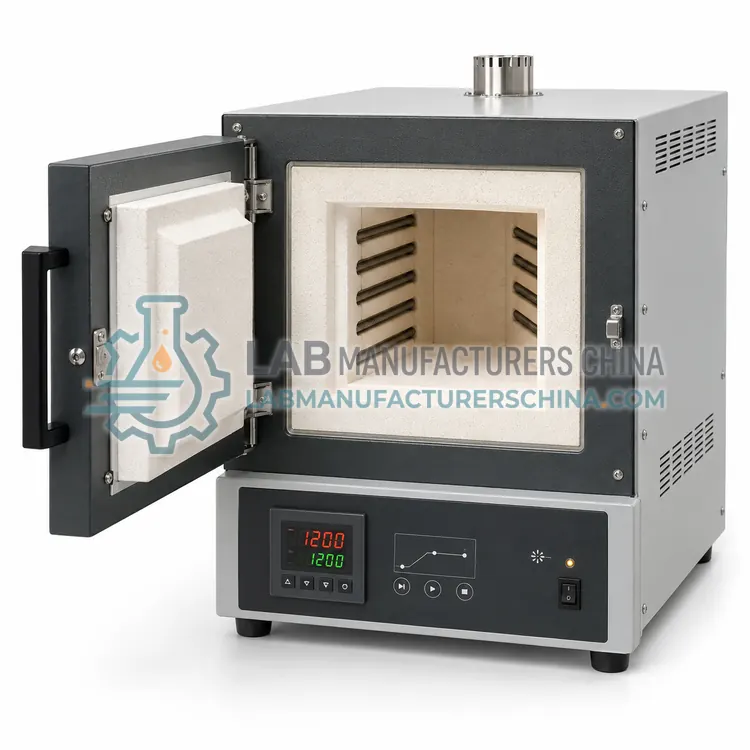 CLAF实验室高温炉Laboratory furnaces are high-temperature electrically heated chambers used for ashing, sintering, calcination, melting and heat treatment, with working temperatures from about 1000 C up to 1800 C. The category includes muffle, tube, vacuum, ashing and high-temperature furnaces, which differ in chamber geometry, atmosphere control and maximum temperature.