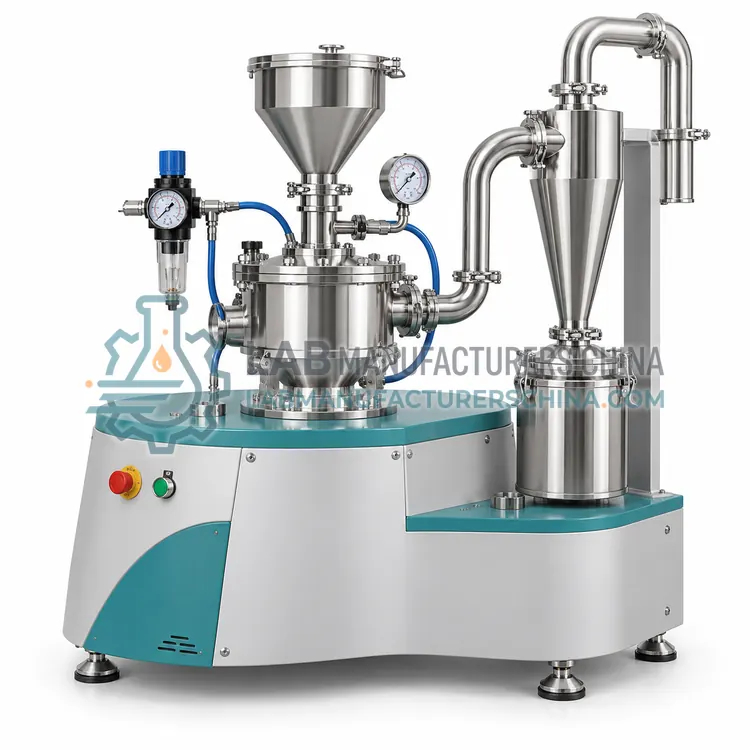
How do Mills work?
Mills reduce particle size by moving grinding media or tools against the sample. A ball mill rotates a jar containing balls, so the sample is ground by cascading impact and friction. A planetary ball mill rotates jars on a sun wheel in the opposite direction, generating high centrifugal energy and fast, fine grinding. A disc mill presses material between discs, a hammer mill strikes it with swinging hammers against a screen, and a jet mill accelerates particles in a gas stream so they break by inter-particle collision without contact with grinding media. The achievable fineness depends on the energy applied, the grinding time and the material, and contamination depends on the tool and jar materials.
Which Mills variants are available?
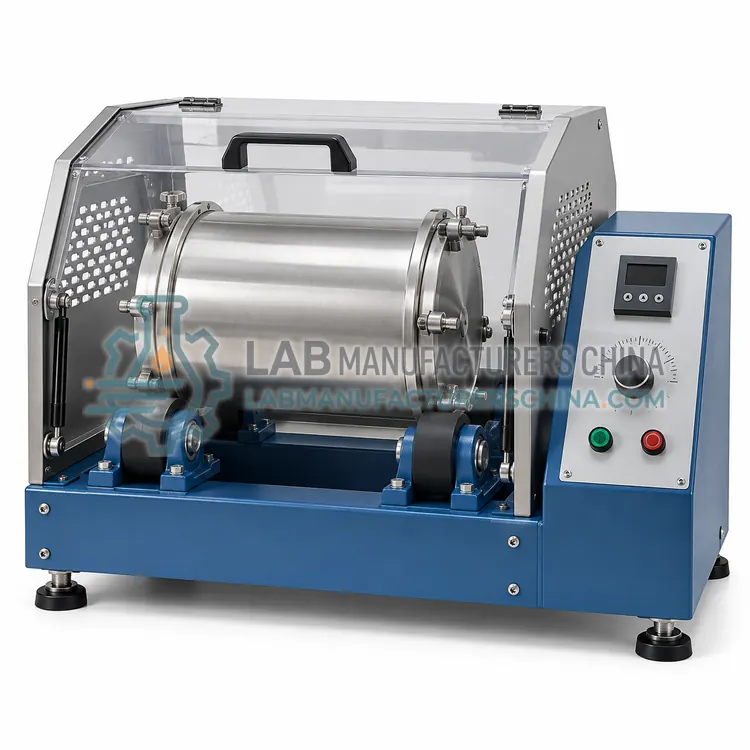
- Ball Mill — A ball mill grinds material by rotating a jar containing grinding balls, so the sample is reduced by cascading impact and friction.
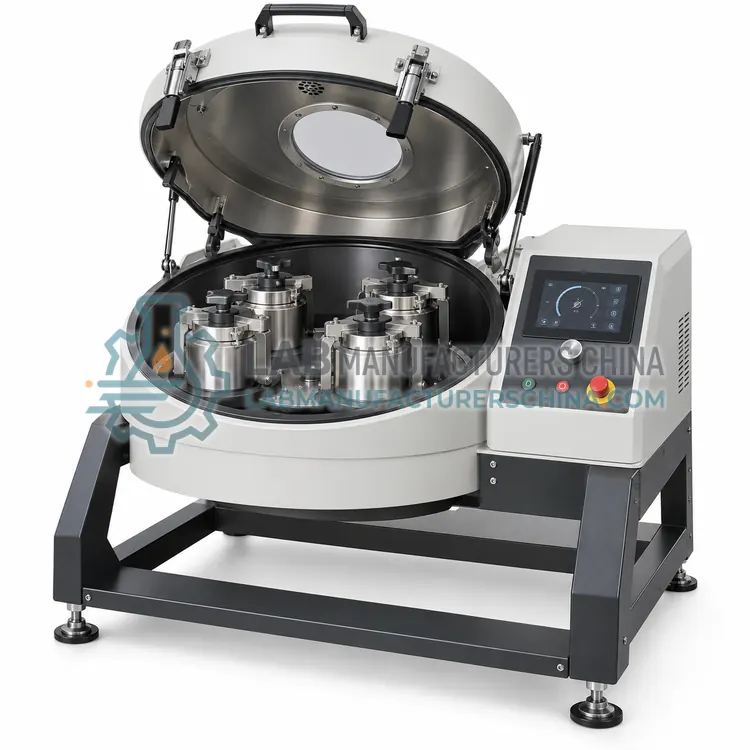
- Planetary Ball Mill — A planetary ball mill rotates grinding jars on a sun wheel while they spin in the opposite direction, generating high energy for fast, very fine grinding.
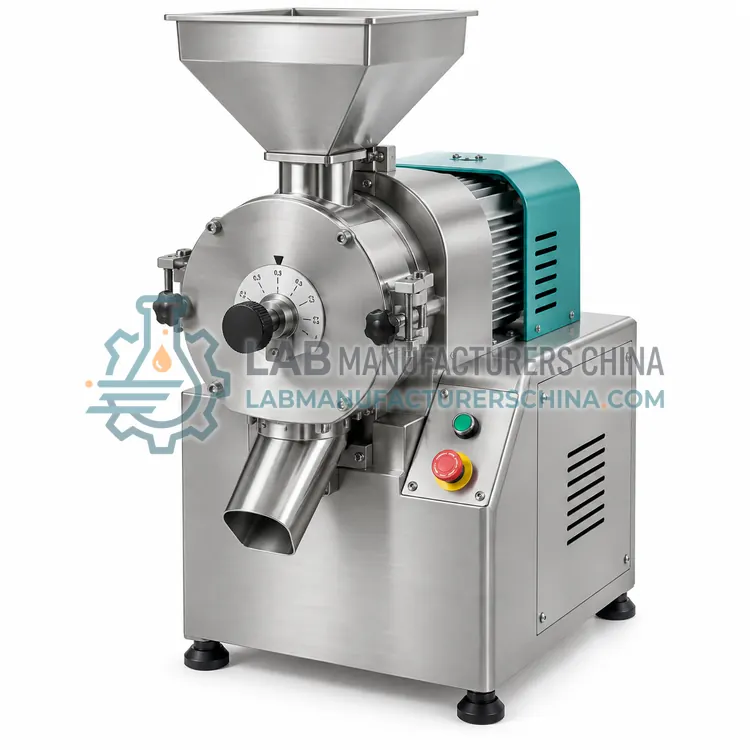
- Disc Mill — A disc mill grinds material between rotating discs to give a reproducible particle size.
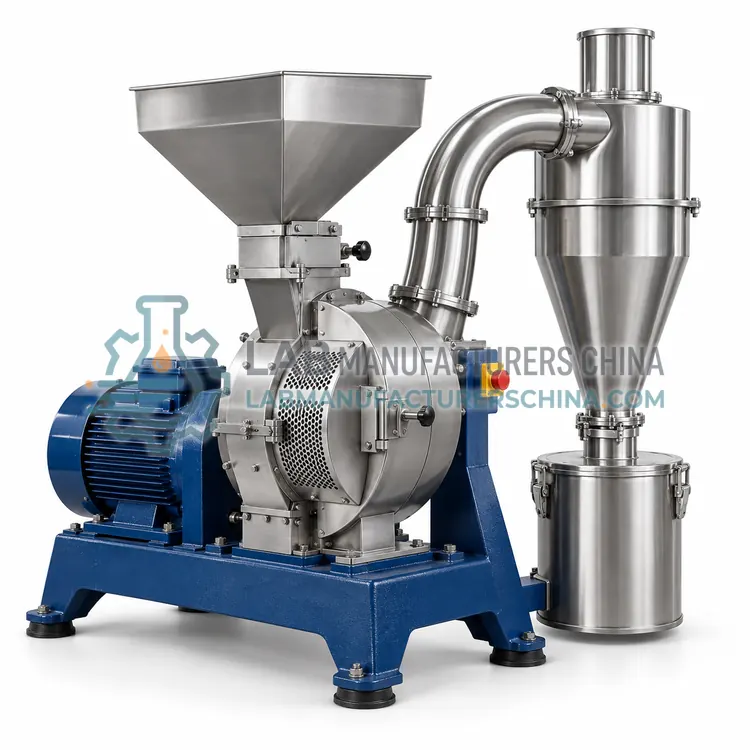
- Hammer Mill — A hammer mill grinds material with swinging hammers that strike it against a screen.
- Jet Mill — A jet mill grinds particles by accelerating them in high-speed gas streams so they break by collision with each other.
How do I choose the right variant?
Choose a mill according to the required final particle size and the sample hardness. A planetary ball mill reaches very fine sizes quickly and suits hard and brittle material; a standard ball mill suits larger batches and gentler grinding; a disc mill gives reproducible size for X-ray analysis; a hammer mill handles medium-hard brittle samples at higher throughput; and a jet mill gives very fine, contamination-free powder without grinding media. Confirm the final size range, batch capacity and jar or tool materials, and choose a material that does not introduce the elements being analyzed. Consider whether wet or dry grinding, and inert or cryogenic conditions, are needed.
Where are Mills used?
Mills are specified in X-ray fluorescence and diffraction sample preparation, mineral, ore and cement fine grinding, pharmaceutical and chemical powder milling and environmental and geological sample reduction.
Which standards and certifications apply?
Work with Mills is commonly governed by ISO 3310-1, ASTM E11, ISO 2591-1, EPA 3050B and IEC 61010-1. Instrument certifications such as CE marking are confirmed per configuration and never assumed.
What are the key considerations before purchase?
Match the jar and ball materials to the sample and the analytes of interest: agate for clean grinding, zirconia and tungsten carbide for harder samples, and stainless steel for general work. Do not exceed the recommended fill, since too much sample or too few balls reduces efficiency, while too many balls leave no space for movement. Grind in intervals to limit heating, which can change the sample or lose volatiles. Clean jars between samples and check wear, since worn media contaminate and no longer transfer energy efficiently. Verify particle size by sieving or laser diffraction, and follow the safety and guarding requirements for the equipment.