Lab Manufacturers China

Digesters

消解仪

DIG · Sample Preparation Equipment · 5 models

By Lab Manufacturers China Technical TeamLast reviewed Standards: EPA 3051A, EPA 3050B, EPA 200.2

Standards referenced

  • EPA 3051A
  • EPA 3050B
  • EPA 200.2
  • ISO 11466
  • IEC 61010-1

What are Digesters?

Digesters dissolve solid and liquid samples in acid under heat or microwave energy, converting them into clear solutions for elemental analysis. They are used before ICP, atomic absorption and spectrophotometric measurement in the analytical laboratory.

5 models of Digesters

The 5 models below are current configurations; specifications are confirmed on quotation.

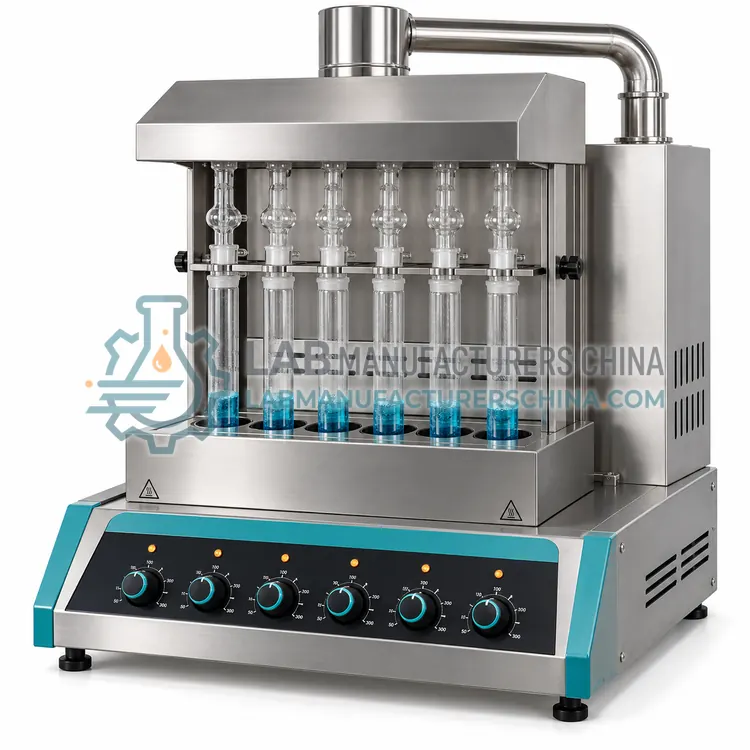
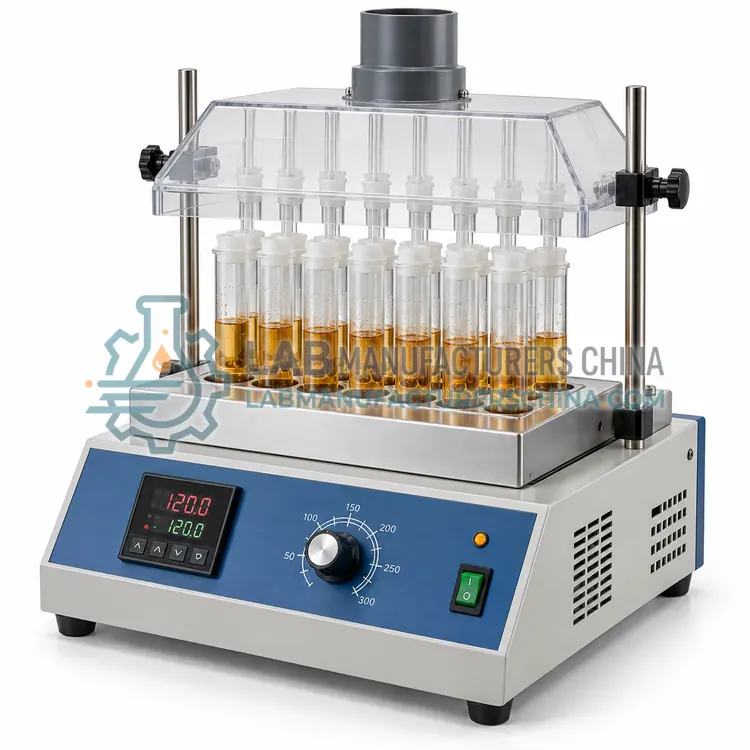
Block Digestion System

石墨消解系统

  • DIG-0001
  • Digesters
  • CE (to be confirmed)
  • ISO 9001 manufacturing (to be confirmed)
Temperature range:
Ambient to 250 °C
Temperature stability:
±1 °C
Block positions:
20–60 tubes
Tube volume:
50–250 mL
Block material:
Graphite
Programmes:
Multi-step, 10 stages

A block digestion system heats samples and acid in tubes on a temperature-controlled block. It is a rugged, high-throughput choice for routine open digestion of environmental, food and agricultural samples in the laboratory.

Request a quote
View details

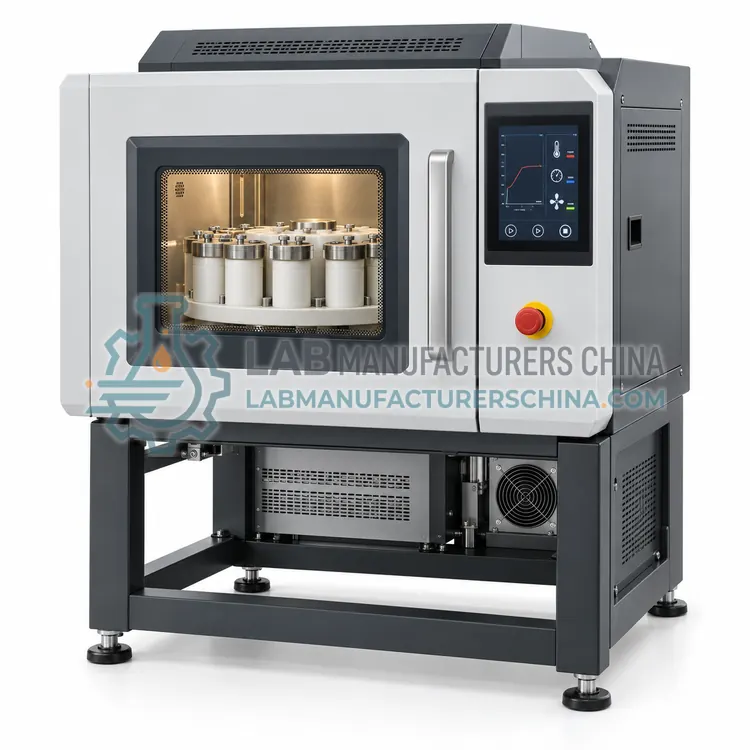
Microwave Digestion System

微波消解系统

  • DIG-0002
  • Digesters
  • CE (to be confirmed)
  • ISO 9001 manufacturing (to be confirmed)
Max temperature:
Up to 260 °C
Max pressure:
Up to 100 bar
Vessel volume:
50–100 mL
Vessel positions:
6–40
Microwave power:
1,000–1,600 W
Vessel material:
PTFE-TFM

A microwave digestion system heats sealed vessels with microwave energy to dissolve difficult samples rapidly. It reaches high temperatures and pressures, retains volatiles and is used for trace elemental analysis in the laboratory.

Request a quote
View details

Kjeldahl Digestion System

凯氏消解系统

  • DIG-0003
  • Digesters
  • CE (to be confirmed)
  • ISO 9001 manufacturing (to be confirmed)
Temperature range:
Ambient to 450 °C
Block positions:
6–40 tubes
Tube volume:
100–250 mL
Catalyst:
Copper or selenium tablets
Salt:
Potassium sulfate
Acid:
Sulfuric acid, concentrated

A Kjeldahl digestion system converts nitrogen in a sample to ammonium sulfate using sulfuric acid and heat. It is the standard preparation step for protein and nitrogen determination in food, feed and water.

Request a quote
View details

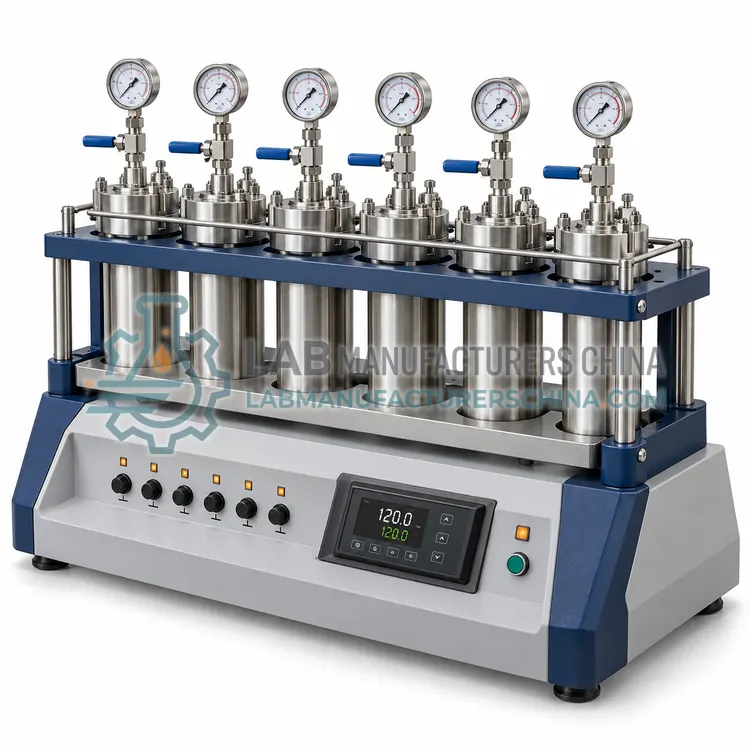
Closed Vessel Digestion System

密闭消解系统

  • DIG-0004
  • Digesters
  • CE (to be confirmed)
  • ISO 9001 manufacturing (to be confirmed)
Max temperature:
Up to 200 °C
Max pressure:
Up to 60 bar
Vessel volume:
50–100 mL
Vessel material:
PTFE-TFM with liner option
Vessel positions:
6–24
Pressure relief:
Rupture disc or vent valve

A closed vessel digestion system seals sample and acid in a pressure-rated container and heats it to dissolve difficult matrices. It retains volatiles and is used where open digestion would lose analytes.

Request a quote
View details

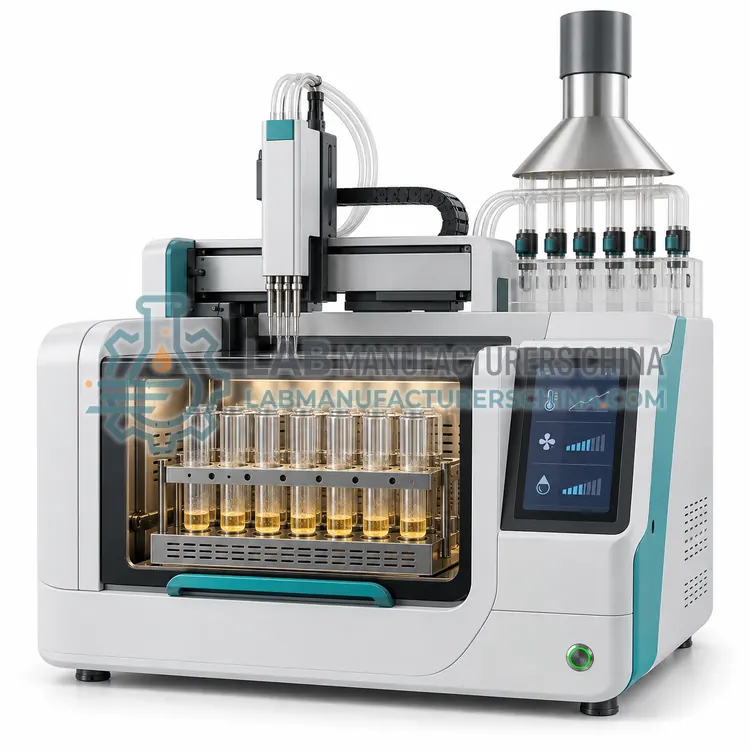
Automated Digestion System

自动消解系统

  • DIG-0005
  • Digesters
  • CE (to be confirmed)
  • ISO 9001 manufacturing (to be confirmed)
Max temperature:
Up to 260 °C
Max pressure:
Up to 100 bar
Vessel positions:
12–60
Reagent dosing:
Automated metering pumps
Mixing:
Automated or vortex
Cooking programmes:
Stored recipes, editable

An automated digestion system performs reagent addition, heating, mixing and cooling under program control. It improves reproducibility and safety and suits busy laboratories processing many samples using consistent validated methods every day.

Request a quote
View details

Compare Digesters models

ModelTemperature rangeBlock positionsTube volumeProgrammesTemperature sensor
Block Digestion SystemDIG-0001Ambient to 250 °C20–60 tubes50–250 mLMulti-step, 10 stagesPT1000
Microwave Digestion SystemDIG-0002————In-vessel, fiber optic
Kjeldahl Digestion SystemDIG-0003Ambient to 450 °C6–40 tubes100–250 mLMulti-step rampingPT1000
Closed Vessel Digestion SystemDIG-0004—————
Automated Digestion SystemDIG-0005—————

Indicative values for this product class. Final specifications are confirmed on the quotation and in the calibration documents supplied with the instrument.

How do Digesters work?

Digestion breaks down a sample matrix so that the analytes of interest enter solution in a measurable form. In block digestion, tubes or vessels are heated on a temperature-controlled aluminium block and acid is added, often with reflux. In Kjeldahl digestion, the sample is heated with sulfuric acid and a catalyst to convert nitrogen compounds to ammonium sulfate. In closed-vessel and microwave digestion, acid and sample are sealed in a pressure-rated vessel and heated rapidly, so higher temperatures are reached, volatiles are retained and less acid and time are needed. Reagent choice, temperature, pressure and time determine completeness, and the resulting digest is diluted and filtered before measurement.

Which Digesters variants are available?

  • Block Digestion System — A block digestion system heats samples and acid in tubes on a temperature-controlled block.
  • Microwave Digestion System — A microwave digestion system heats sealed vessels with microwave energy to dissolve difficult samples rapidly.
  • Kjeldahl Digestion System — A Kjeldahl digestion system converts nitrogen in a sample to ammonium sulfate using sulfuric acid and heat.
  • Closed Vessel Digestion System — A closed vessel digestion system seals sample and acid in a pressure-rated container and heats it to dissolve difficult matrices.
  • Automated Digestion System — An automated digestion system performs reagent addition, heating, mixing and cooling under program control.

How do I choose the right variant?

Choose a digester according to the sample matrix, the analytes and the required detection limits. Block digestion suits routine, high-throughput work with simple matrices and volatile analytes that are retained, such as nitrogen and some metals. Kjeldahl systems are specific to nitrogen and protein determination. Closed-vessel and microwave digestion suit difficult matrices, volatile elements and low detection limits, because they reach higher temperatures and retain volatiles. Automated systems add reagent dosing, heating programmes and cooling for reproducibility. Confirm the vessel material and pressure rating suit the acids used, the temperature reaches the method requirement, and the throughput matches the workload.

Where are Digesters used?

Digesters are specified in environmental soil, sediment and sludge analysis, food and feed elemental analysis, metals and alloy trace analysis and pharmaceutical and biological sample preparation.

Which standards and certifications apply?

Work with Digesters is commonly governed by EPA 3051A, EPA 3050B, EPA 200.2, ISO 11466 and IEC 61010-1. Instrument certifications such as CE marking are confirmed per configuration and never assumed.

What are the key considerations before purchase?

Add acids in a fume hood and use the protective equipment specified for the reagent, including face and eye protection, gloves and an acid-resistant apron. Do not exceed the rated temperature or pressure of the vessels, and allow closed vessels to cool before opening to avoid acid spray. Digest a reagent blank and, where required, a certified reference material to verify recovery and completeness. Check vessels for scratches and damage, and replace them on schedule, since worn vessels may fail. Follow the applicable method, such as EPA 3051A, EPA 3050B, ISO 11466 or the Kjeldahl procedure, and record all temperatures, times and reagent volumes.

Frequently asked questions about Digesters

Open digestion heats the sample in a vessel open to the atmosphere, which is simple but can lose volatile elements and needs more acid and time. Closed digestion seals the sample and acid in a pressure vessel, so higher temperatures are reached, volatiles are retained and less acid is used.

Need help specifying Digesters?

Request a quote