Lab Manufacturers China

Crushers

破碎机

CRU · Sample Preparation Equipment · 5 models

By Lab Manufacturers China Technical TeamLast reviewed Standards: ISO 3310-1, ASTM E11, ISO 2591-1

Standards referenced

  • ISO 3310-1
  • ASTM E11
  • ISO 2591-1
  • IEC 61010-1
  • ISO 6497

What are Crushers?

Crushers reduce large, hard lumps of rock, ore, clinker and similar material into smaller pieces for further milling. They use compression, impact or shear and are the first stage of size reduction in sample preparation.

5 models of Crushers

The 5 models below are current configurations; specifications are confirmed on quotation.

Jaw Crusher

颚式破碎机

  • CRU-0001
  • Crushers
  • CE (to be confirmed)
  • ISO 9001 manufacturing (to be confirmed)
Max feed size:
100 mm
Product size:
1–15 mm, adjustable
Throughput:
Up to 200 kg/h
Jaw plate material:
Manganese steel
Gap adjustment:
Manual or motorised
Motor power:
1.5–4 kW

A jaw crusher breaks hard, brittle material between a fixed and a moving jaw. It is the standard first stage for rock, ore and clinker samples, giving a fairly uniform product with an adjustable gap.

Request a quote
View details

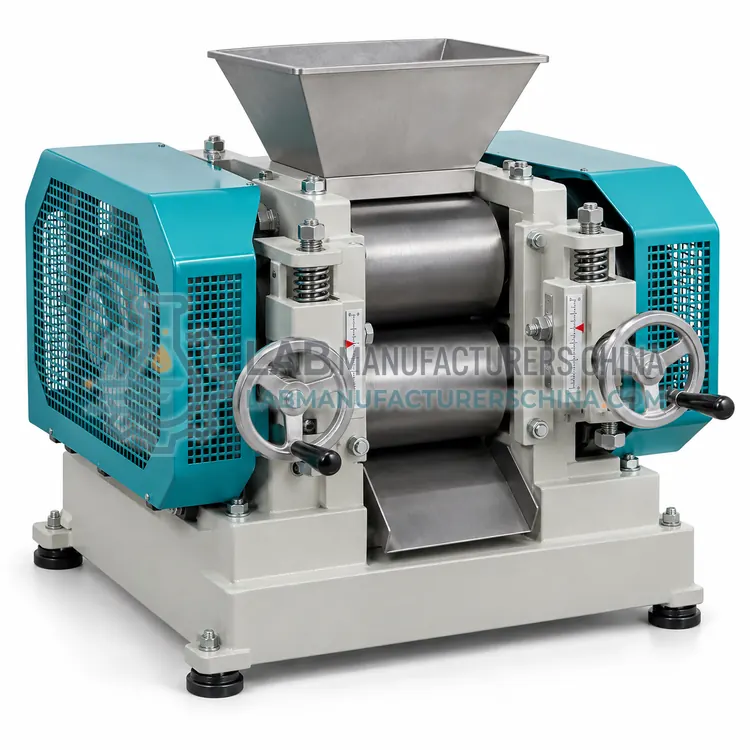
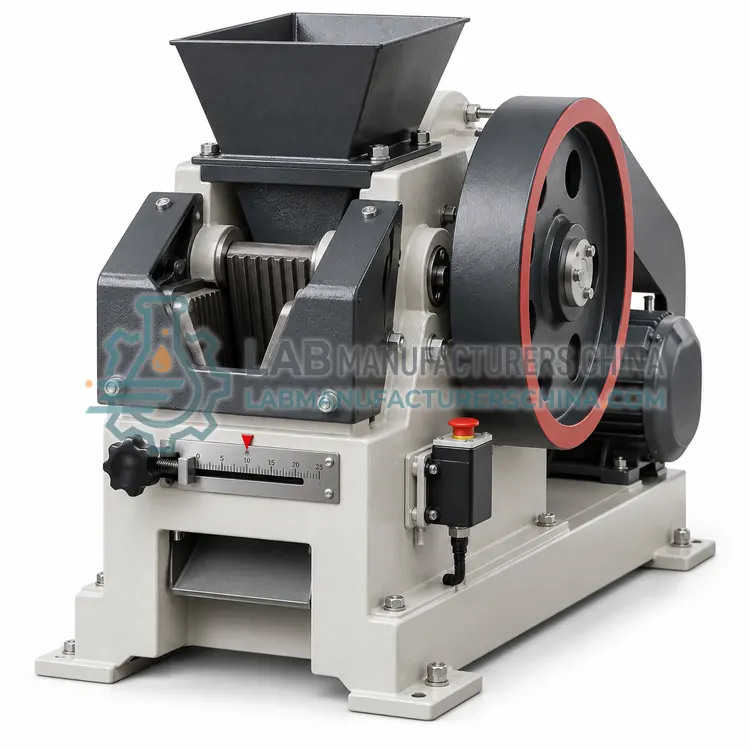
Roll Crusher

辊式破碎机

  • CRU-0002
  • Crushers
  • CE (to be confirmed)
  • ISO 9001 manufacturing (to be confirmed)
Max feed size:
30 mm
Product size:
0.5–5 mm, adjustable
Roll diameter:
200 mm
Throughput:
Up to 300 kg/h
Roll material:
Hardened alloy steel
Roll surface:
Smooth or toothed

A roll crusher reduces medium-hard, brittle material between two counter-rotating cylinders. It produces a relatively uniform product with limited dust and is used for ores, coal and minerals in routine laboratory sample preparation.

Request a quote
View details

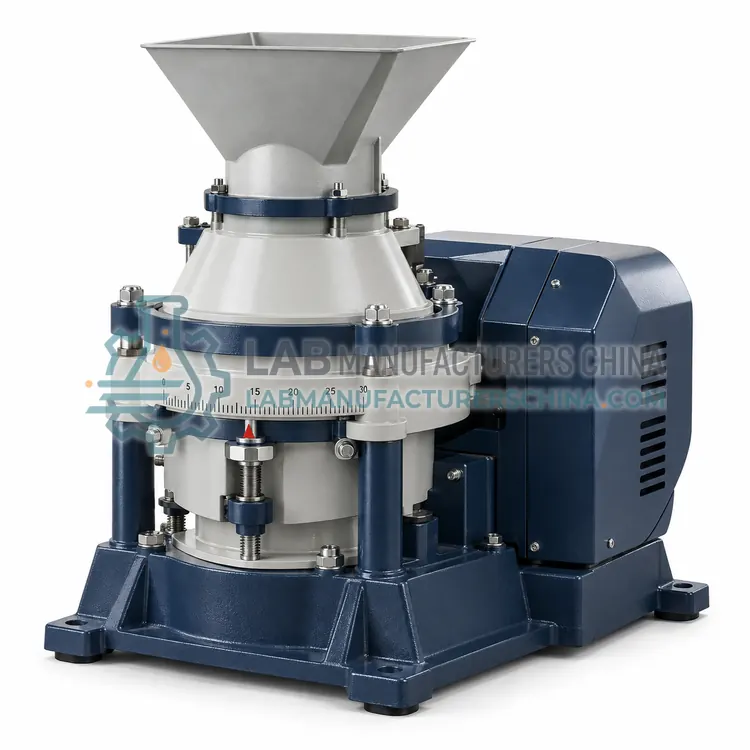
Cone Crusher

圆锥破碎机

  • CRU-0003
  • Crushers
  • CE (to be confirmed)
  • ISO 9001 manufacturing (to be confirmed)
Max feed size:
60 mm
Product size:
2–20 mm, adjustable
Throughput:
Up to 500 kg/h
Closed side setting:
3–25 mm
Mantle material:
Manganese steel
Eccentric speed:
300–500 rpm

A cone crusher reduces hard material by squeezing it in a gyrating chamber. It offers high throughput and an adjustable closed side setting, and suits larger laboratory and pilot scale preparation of hard ores.

Request a quote
View details

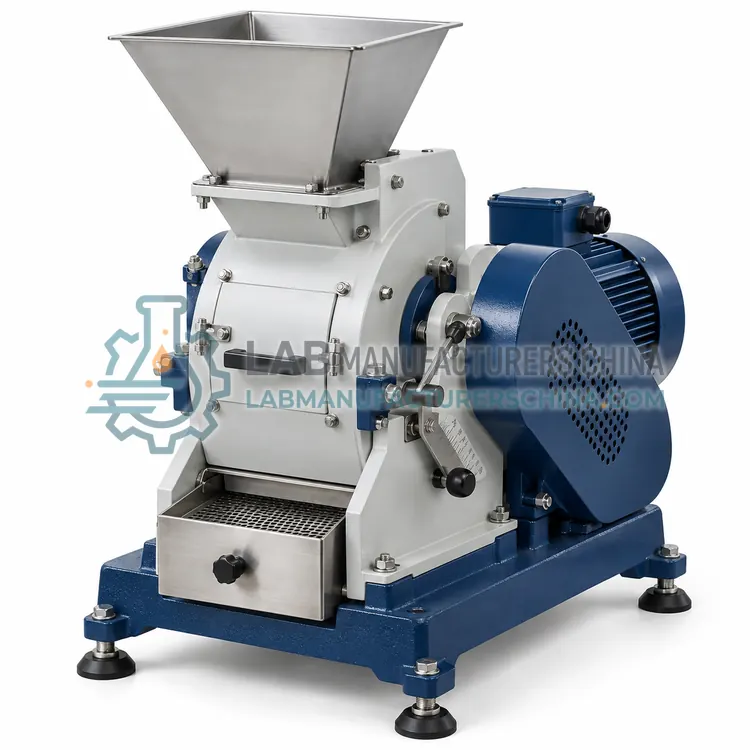
Hammer Crusher

锤式破碎机

  • CRU-0004
  • Crushers
  • CE (to be confirmed)
  • ISO 9001 manufacturing (to be confirmed)
Max feed size:
50 mm
Product size:
0.5–10 mm, grate dependent
Throughput:
Up to 400 kg/h
Rotor speed:
1,000–3,000 rpm
Hammer material:
Hardened alloy steel
Grate type:
Interchangeable

A hammer crusher breaks material by rapid impacts from rotating hammers. It reaches high reduction ratios on soft to medium-hard, low-abrasion feed and is used for coal, limestone and similar samples in the laboratory.

Request a quote
View details

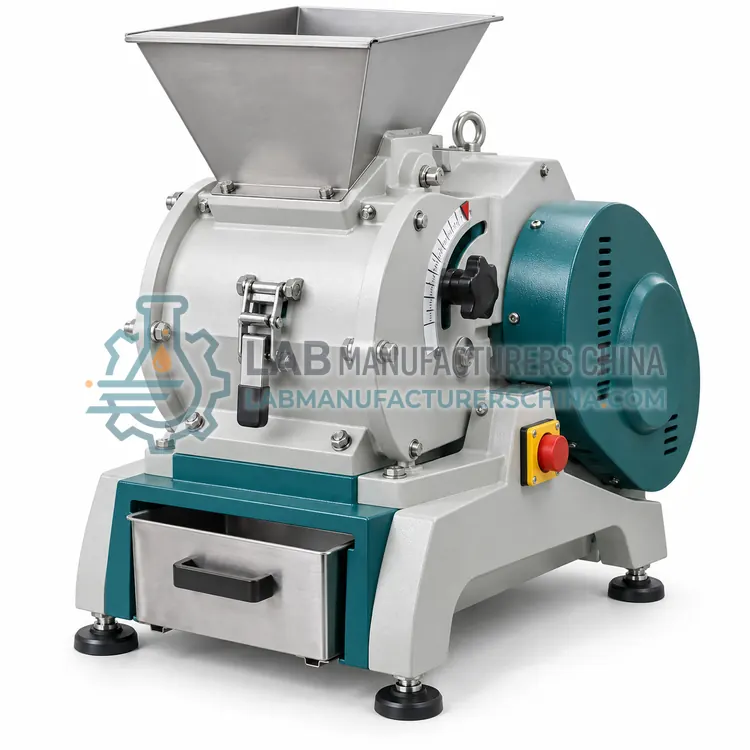
Impact Crusher

反击式破碎机

  • CRU-0005
  • Crushers
  • CE (to be confirmed)
  • ISO 9001 manufacturing (to be confirmed)
Max feed size:
50 mm
Product size:
1–15 mm, adjustable
Throughput:
Up to 350 kg/h
Rotor speed:
1,500–3,500 rpm
Blow bar material:
High-chromium alloy steel
Impact plates:
Adjustable, two-stage

An impact crusher breaks material by throwing it against rotating or fixed anvils using high-speed blow bars. It gives high reduction ratios and good product shape on medium-hard, low-abrasion feed in sample preparation.

Request a quote
View details

Compare Crushers models

ModelMax feed sizeProduct sizeThroughputGap adjustmentMotor power
Jaw CrusherCRU-0001100 mm1–15 mm, adjustableUp to 200 kg/hManual or motorised1.5–4 kW
Roll CrusherCRU-000230 mm0.5–5 mm, adjustableUp to 300 kg/hManual, with scale1.1–3 kW
Cone CrusherCRU-000360 mm2–20 mm, adjustableUp to 500 kg/h—3–7.5 kW
Hammer CrusherCRU-000450 mm0.5–10 mm, grate dependentUp to 400 kg/h—1.5–5.5 kW
Impact CrusherCRU-000550 mm1–15 mm, adjustableUp to 350 kg/h—2.2–7.5 kW

Indicative values for this product class. Final specifications are confirmed on the quotation and in the calibration documents supplied with the instrument.

How do Crushers work?

Crushers apply mechanical forces that exceed the strength of the feed material, causing it to fracture. Jaw crushers press material between a fixed and a moving jaw, roll crushers draw it between counter-rotating cylinders, cone crushers squeeze it in a gyrating chamber, hammer crushers strike it with rotating hammers, and impact crushers break it against a rotating or fixed anvil. The reduction ratio, feed size and product size depend on the machine geometry, the gap setting and the material hardness. Crushing is normally the coarse stage that prepares feed for a mill, and over-crushing is avoided because fines can complicate later handling. Wear parts are made from hardened steel or manganese alloys to resist abrasion.

Which Crushers variants are available?

  • Jaw Crusher — A jaw crusher breaks hard, brittle material between a fixed and a moving jaw.
  • Roll Crusher — A roll crusher reduces medium-hard, brittle material between two counter-rotating cylinders.
  • Cone Crusher — A cone crusher reduces hard material by squeezing it in a gyrating chamber.
  • Hammer Crusher — A hammer crusher breaks material by rapid impacts from rotating hammers.
  • Impact Crusher — An impact crusher breaks material by throwing it against rotating or fixed anvils using high-speed blow bars.

How do I choose the right variant?

Choose a crusher according to the feed size, hardness and abrasiveness of the material and the required product size. Jaw crushers suit hard, brittle lumps and give a fairly uniform product with adjustable gap. Roll crushers suit medium-hard, brittle material and produce less dust. Cone crushers handle high throughput of hard material. Hammer and impact crushers suit softer, less abrasive materials and give higher reduction ratios. Confirm that the feed opening accepts the largest pieces, that the reduction ratio matches the required downstream size, and that the crushing chamber and wear parts suit the abrasiveness. Consider dust control, sample representativeness and cleaning between samples.

Where are Crushers used?

Crushers are specified in mining and ore sample preparation, cement and clinker analysis, geological and soil sample reduction and ceramic and glass raw material preparation.

Which standards and certifications apply?

Work with Crushers is commonly governed by ISO 3310-1, ASTM E11, ISO 2591-1, IEC 61010-1 and ISO 6497. Instrument certifications such as CE marking are confirmed per configuration and never assumed.

What are the key considerations before purchase?

Install crushers on a firm floor with the necessary electrical protection and, where required, dust extraction and noise enclosure. Do not exceed the rated feed size, since oversized pieces can jam the machine or damage the jaws. Feed material gradually and avoid running the crusher empty for long periods. Check and replace wear parts on schedule, and clean thoroughly between samples to avoid cross-contamination, using a blank or quartz flush where trace analysis demands it. Follow lock-out procedures during maintenance and guard all moving parts.

Frequently asked questions about Crushers

Crushing is the coarse stage that breaks large lumps into smaller pieces, typically down to a few millimetres, using compression or impact. Milling is the finer stage that reduces material to powder, often below one millimetre, using impact, friction or cutting. Crushers protect mills from oversized feed.

Need help specifying Crushers?

Request a quote