
Laboratory Homogenizers
实验室均质设备
CLAH · General Laboratory Equipment · 4 product types · 21 models
By Lab Manufacturers China Technical TeamLast reviewed
What are Laboratory Homogenizers?
Laboratory homogenizers break, disperse and emulsify samples by applying mechanical shear, ultrasound or high pressure. The category covers rotor-stator, ultrasonic, tissue and high-pressure homogenizers used in biology, pharmaceutical, food, cosmetic, chemical and environmental laboratories to prepare uniform samples before analysis.
4 product types in Laboratory Homogenizers
The 4 product types below are grouped by the exact instrument you need.
- HSH5 models
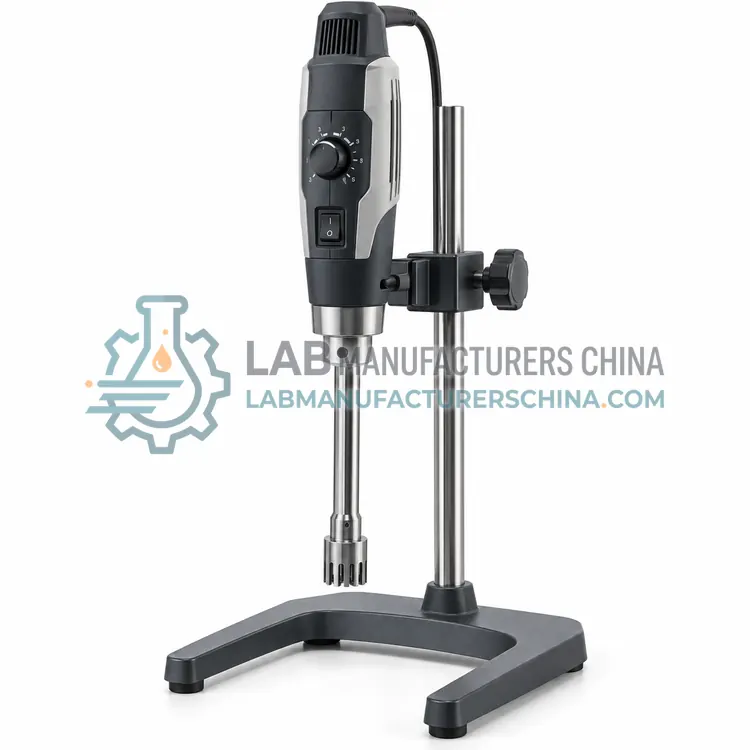
High-Speed Homogenizers
高速均质机
High-speed homogenizers use a rotating rotor-stator probe at several thousand to tens of thousands of rpm to disrupt, emulsify and disperse samples in liquid. They are used in biology, pharmaceutical, food, cosmetics and chemistry laboratories for tissue disruption, emulsification and suspension preparation.
- ULH5 models
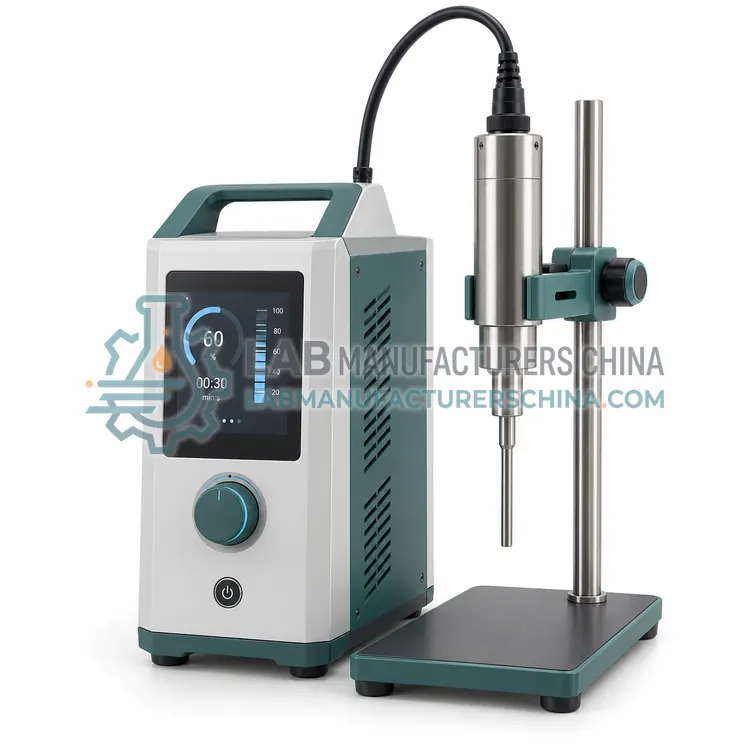
Ultrasonic Homogenizers
超声波均质机
Ultrasonic homogenizers convert electrical energy into high-frequency vibration, usually around 20 kHz, and transmit it through a probe to create cavitation in liquid. They disrupt cells, disperse nanoparticles, emulsify liquids and degas samples in biology, materials, pharmaceutical and chemical laboratories.
- TIH5 models
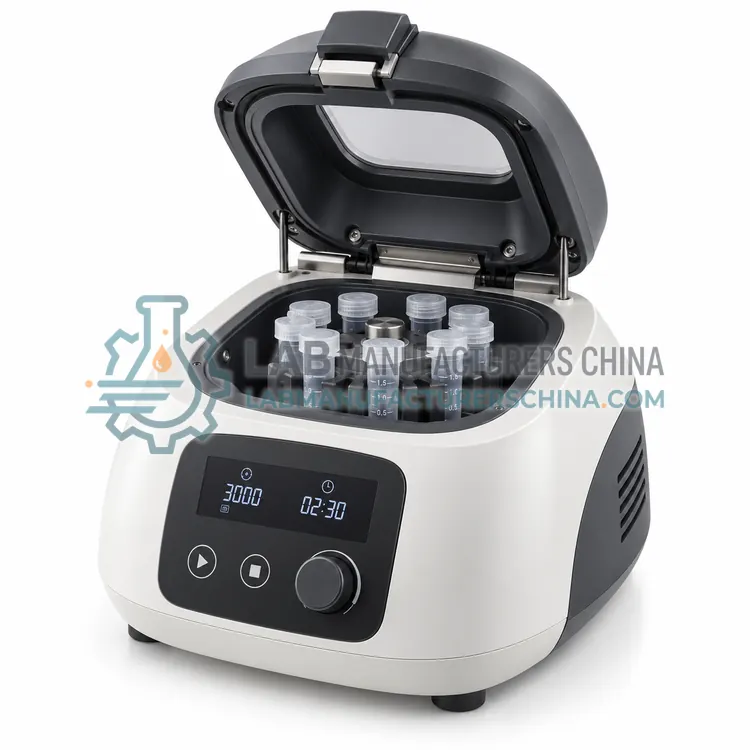
Tissue Homogenizers
组织匀浆器
Tissue homogenizers break down animal, plant and microbial tissue into uniform suspensions or lysates using bead impact, grinding, pestle shear or paddle action. They prepare samples for DNA, RNA, protein and metabolite analysis and are used in life science, clinical, food and environmental laboratories.
- HPH6 models
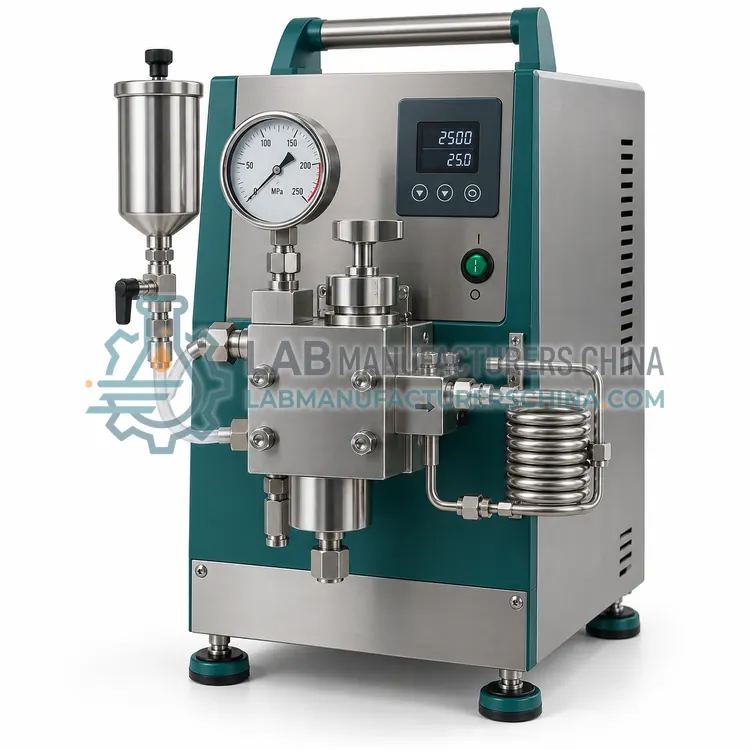
High-Pressure Homogenizers
高压均质机
High-pressure homogenizers force a sample through a narrow valve at pressures up to about 2,000 bar to reduce droplet and particle size, form stable emulsions and disrupt cells. They are used in pharmaceutical, food, cosmetic and biotechnology laboratories for nanoemulsions, liposomes and cell lysis.
What are Laboratory Homogenizers?
A laboratory homogenizer is a device that reduces particle or droplet size and distributes one phase evenly through another so that a sample becomes uniform. Homogenization is required whenever a result depends on representative sampling, such as nucleic acid extraction from tissue, particle size analysis of emulsions, or microbiological testing of food. Four main approaches are used. Rotor-stator units force material through a narrow gap at high speed. Ultrasonic units use cavitation from a vibrating probe. Tissue homogenizers use bead beating or grinding in tubes and plates. High-pressure homogenizers push fluid through a valve at pressures up to about 2,000 bar. Typical specifications include working volume, speed or pressure, generator or probe size, temperature control and throughput. Selection depends on sample type, target particle size, volume and the need to preserve labile molecules such as proteins or RNA.
How do Laboratory Homogenizers work?
All homogenizers supply energy to a sample so that internal interfaces are disrupted and reformed. In a rotor-stator unit, a rotor spins inside a slotted stator and creates shear, turbulence and cavitation in the gap. An ultrasonic homogenizer drives a titanium probe at 20 to 40 kHz, and the rapid expansion and collapse of microscopic bubbles generates localized shock waves. A tissue homogenizer shakes tubes or plates at high frequency so that grinding beads collide with the sample. A high-pressure homogenizer forces fluid through a narrow valve; the sudden pressure drop and impingement produce very small droplets and disrupted cells. In every case the sample absorbs energy as heat, so cooling, short cycles and temperature control protect labile analytes. Key components are the drive unit, the working tool such as a generator, horn, bead or valve, a controller, and often a cooling jacket or recirculation loop.
Where are Laboratory Homogenizers used?
Homogenizers are used wherever a sample must be made uniform before measurement. Molecular biology laboratories disrupt tissue, cells and bacteria for DNA, RNA and protein extraction. Pharmaceutical laboratories prepare suspensions, creams and liposomes and reduce particle size in injectable formulations. Food and beverage laboratories blend solids for fat, protein, allergen and microbiological testing. Cosmetics formulators create stable emulsions and dispersions. Environmental laboratories homogenize soil, sediment, sludge and plant material for contaminant analysis. Clinical laboratories prepare tissue and swab samples. Materials scientists disperse nanotubes, pigments and fillers. In all these settings the goal is a representative, reproducible sample that gives consistent analytical results, and the choice of homogenization method follows the sample matrix and the target particle or droplet size.
Which standards apply to Laboratory Homogenizers?
Homogenizers are electrical laboratory equipment and are usually assessed against IEC 61010-1, with IEC 61010-2-051 covering mechanical mixing and stirring equipment. Ultrasonic units also fall under the EMC requirements of IEC 61326-1, and pressure equipment may require assessment under the Pressure Equipment Directive in Europe. CE marking, RoHS compliance and ISO 9001 manufacturing documentation are commonly requested. Analytical methods that require homogenization cite the procedure rather than the instrument, for example ISO 6887 for food microbiology sample preparation, ISO 13320 for particle size analysis by laser diffraction, and pharmacopoeial chapters on sample preparation. Where results are used in regulated testing, laboratories usually qualify the instrument for its intended use and verify settings against their validated method.
How do I select the right laboratory homogenizers equipment?
Begin with the sample matrix and the required result. For soft tissue and cell pellets in small volumes, a rotor-stator or bead-based tissue homogenizer is usually sufficient. For fibrous, hard or bone samples, bead beating or cryogenic grinding works better. For emulsions and particle size reduction below a few micrometers, a high-pressure homogenizer is appropriate. For dispersing nanoparticles or lysing cells in dilute suspension, an ultrasonic unit offers fine control. Then match working volume, speed or pressure range, tool size and throughput. Consider cooling requirements for heat-sensitive analytes, cross-contamination risk and whether disposable tools are needed, noise level, and the footprint. Confirm that wetted materials such as stainless steel, PTFE or titanium are compatible with your sample and cleaning agents, and request method support and a demonstration with your own matrix.
Laboratory Homogenizers comparison
| Subcategory | Principle | Typical use | Key spec |
|---|---|---|---|
| High-Speed Homogenizers | Rotor-stator shear at 5,000–30,000 rpm | Tissue, emulsions and dispersions | Volume 0.1 mL–200 L, tip speed |
| Ultrasonic Homogenizers | Cavitation from a 20–40 kHz vibrating probe | Cell lysis and nanoparticle dispersion | Power 100–1,500 W, probe diameter |
| Tissue Homogenizers | Bead beating or grinding in tubes and plates | Tissue disruption for DNA, RNA and protein | 2–96 well or tube formats, 4–8 m/s |
| High-Pressure Homogenizers | Fluid forced through a narrow valve at high pressure | Emulsions, liposomes and cell disruption | Up to 2,000 bar, 10–1,000 L/h |
Frequently asked questions about Laboratory Homogenizers
It breaks particles and droplets and disperses one phase evenly through another, making a sample uniform and representative. Homogenization is used before extraction, particle size analysis and microbiological or chemical testing.
Choose mechanical rotor-stator for tissue, viscous pastes and volumes above a few milliliters. Choose ultrasonic for fine dispersions, nanoparticle suspensions and small volumes where precise energy input matters. Both need cooling for heat-sensitive samples.
Most input energy is converted to heat at the shear zone or probe tip. Use short cycles, rest intervals, pre-chilled buffers and an ice bath or jacketed vessel to keep proteins, RNA and other labile analytes intact.
Usually not with equal results. Rotor-stator and ultrasonic units suit soft tissue and liquids, while hard, fibrous or bone samples often need bead beating or cryogenic grinding. Match the tool to the matrix.
State sample type and volume range, target particle or droplet size, required throughput, temperature limits, tool or probe sizes, wetted materials, cleaning or sterility needs, and the standards or methods the results support.
Related categories
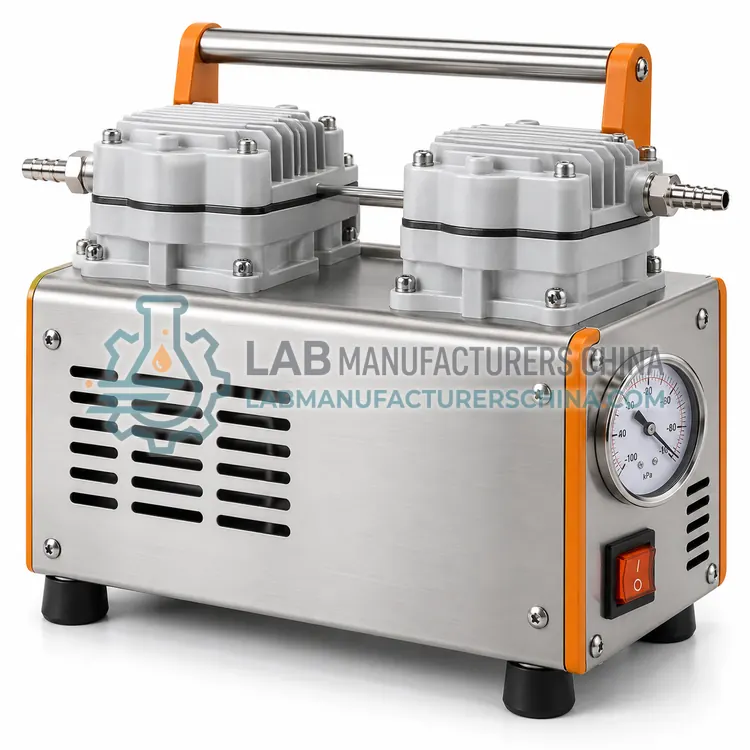 CLAP实验室泵Laboratory pumps move liquids, gases or slurries through tubing, columns and vessels under controlled flow, pressure or vacuum. The category covers vacuum, peristaltic, diaphragm, syringe and circulation pumps used for sample handling, chromatography, filtration, dosing and temperature control in research, quality control and process development.
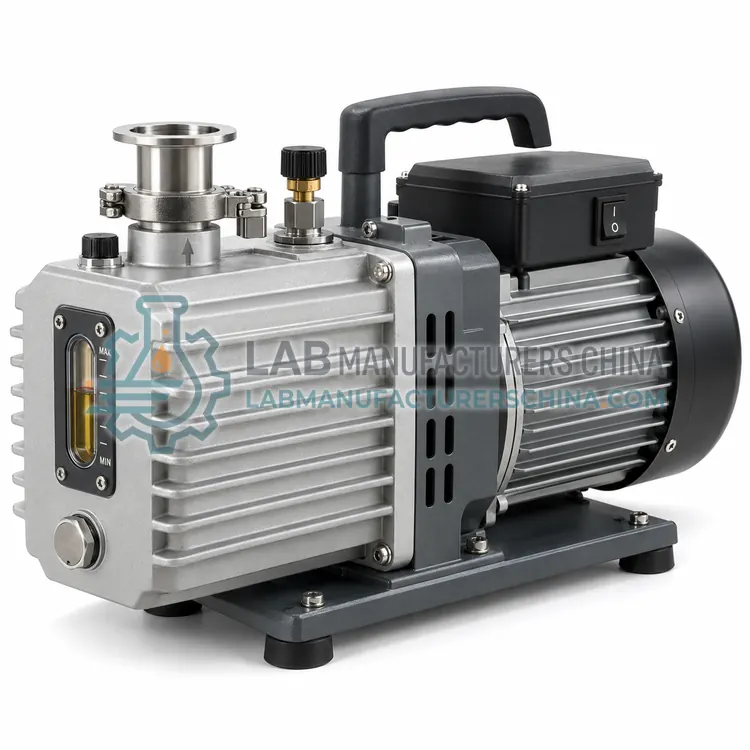 CVAE真空设备Vacuum equipment creates, contains and controls reduced pressure for laboratory and industrial processes. The category covers vacuum pumps, chambers, manifolds, controllers and complete systems used for drying, filtration, degassing, coating, distillation, freeze drying and sample preparation.
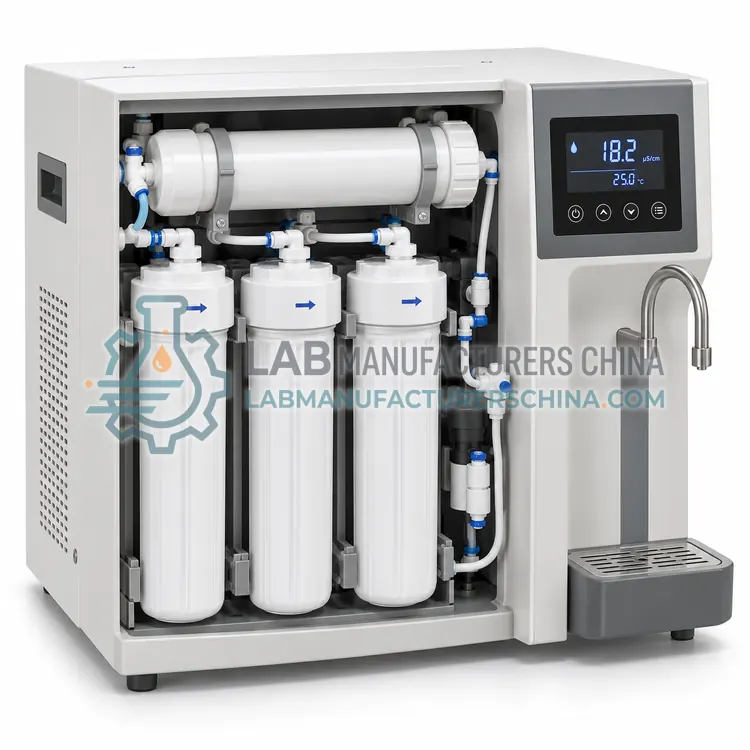 CLWP实验室水纯化设备Laboratory water purification equipment produces water of defined purity from tap or pretreated feed for analytical, biological and industrial use. The category covers reverse osmosis systems, deionizers, ultrapure water systems, distillation units and larger water purification plants.
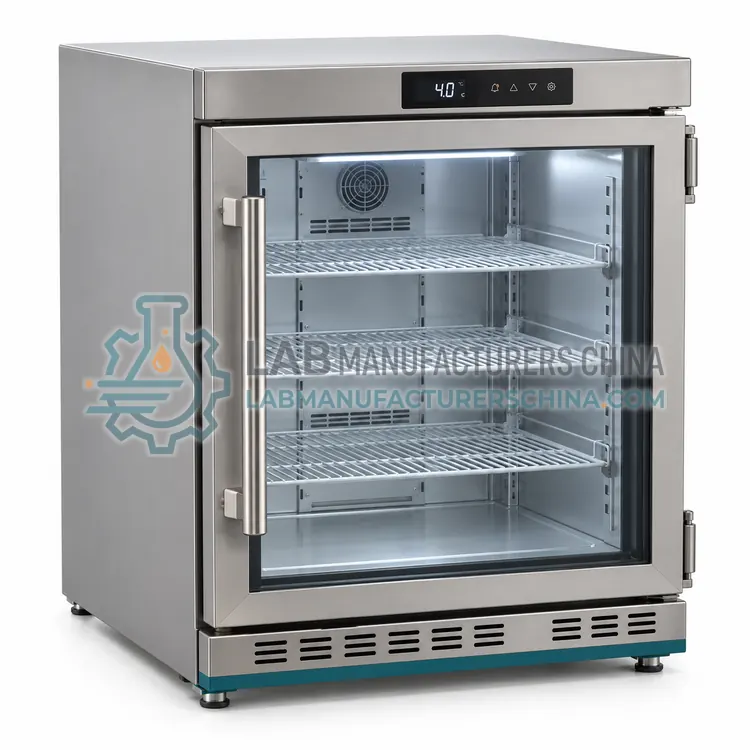 CLAR实验室冷藏箱Laboratory refrigerators are temperature-controlled cabinets that hold medicines, blood products, reagents, samples and chromatography consumables at about 2–8 °C. The category covers pharmacy, blood bank, chromatography and explosion-proof types, used in hospitals, pharmacies, pharmaceutical QC, research and chemical laboratories.