Lab Manufacturers China

Tissue Homogenizers

组织匀浆器

TIH · Laboratory Homogenizers · 5 models

By Lab Manufacturers China Technical TeamLast reviewed Standards: IEC 61010-1, IEC 61010-2-051, ISO 6887-1

Standards referenced

  • IEC 61010-1
  • IEC 61010-2-051
  • ISO 6887-1
  • ISO 7218
  • GB 4789.1

What are Tissue Homogenizers?

Tissue homogenizers break down animal, plant and microbial tissue into uniform suspensions or lysates using bead impact, grinding, pestle shear or paddle action. They prepare samples for DNA, RNA, protein and metabolite analysis and are used in life science, clinical, food and environmental laboratories.

5 models of Tissue Homogenizers

The 5 models below are current configurations; specifications are confirmed on quotation.

Bead Mill Tissue Homogenizer

珠磨式组织匀浆仪

  • TIH-0001
  • Tissue Homogenizers
  • CE (to be confirmed)
  • RoHS (to be confirmed)
  • ISO 9001 manufacturing (to be confirmed)
Oscillation speed:
4–6.5 m/s
Tube capacity:
2–24 × 2 mL tubes
Sample volume per tube:
0.1–1 mL
Bead size range:
0.1–3 mm
Cycle time:
10–300 s
Programs:
Up to 20 stored

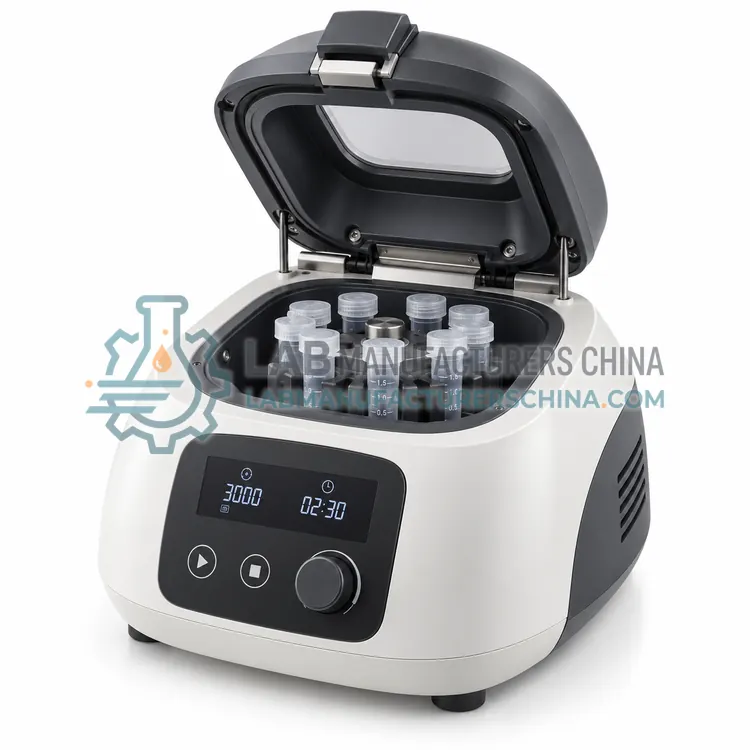
A bead mill tissue homogenizer shakes sealed tubes containing sample and beads at high speed so collisions rupture the tissue. It processes 2 to 24 samples at once and is widely used for DNA, RNA and protein extraction from animal, plant and microbial samples.

Request a quote
View details

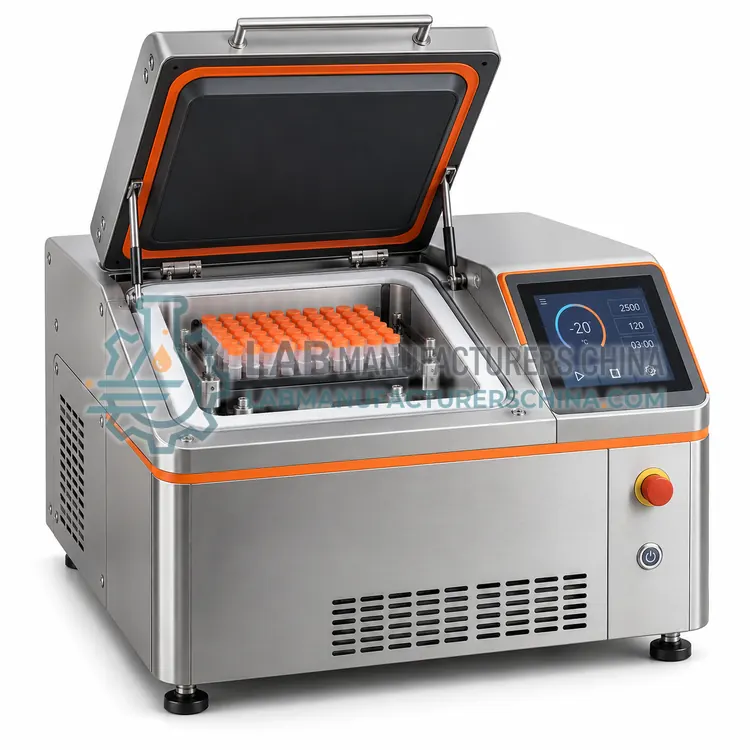
High-Throughput Bead Mill with Cryogenic Cooling

带冷冻冷却的高通量珠磨仪

  • TIH-0002
  • Tissue Homogenizers
  • CE (to be confirmed)
  • RoHS (to be confirmed)
  • ISO 9001 manufacturing (to be confirmed)
Oscillation speed:
6–8 m/s
Sample capacity:
48–96 tubes or plates
Tube size:
1.4–2 mL
Chamber temperature:
-20 to -80 °C
Cooling method:
Liquid nitrogen vapor or cold gas
Cycle time:
30–120 s

A high-throughput bead mill with cryogenic cooling pairs plate- or rack-format bead beating with liquid nitrogen or cold-gas cooling. It processes 48 to 96 samples at temperatures down to -80 °C and is suited to RNA and metabolite work in large studies.

Request a quote
View details

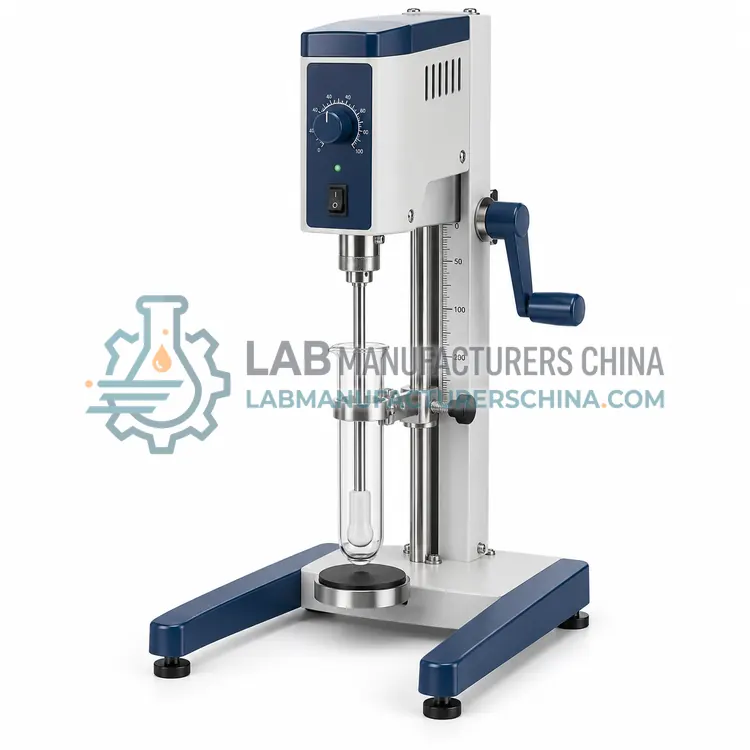
Motorized Potter-Elvehjem Tissue Homogenizer

电动 Potter-Elvehjem 组织匀浆器

  • TIH-0003
  • Tissue Homogenizers
  • CE (to be confirmed)
  • ISO 9001 manufacturing (to be confirmed)
  • RoHS (to be confirmed)
Speed range:
200–2,000 rpm
Tube volume:
1–55 mL
Pestle material:
PTFE or glass
Clearance:
0.10–0.15 mm
Tube material:
Borosilicate glass 3.3
Motor power:
40–120 W

A motorized Potter-Elvehjem homogenizer rotates a PTFE or glass pestle inside a glass tube to shear soft tissue gently. It is used for liver, brain, kidney and cultured cells when intact organelles or active enzymes are needed.

Request a quote
View details

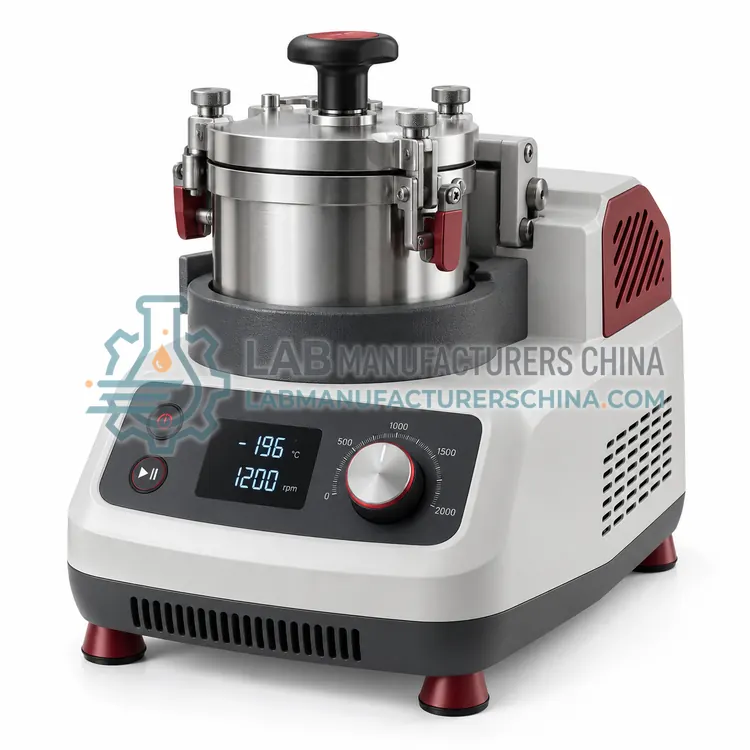
Cryogenic Tissue Grinder

冷冻组织研磨仪

  • TIH-0004
  • Tissue Homogenizers
  • CE (to be confirmed)
  • RoHS (to be confirmed)
  • ISO 9001 manufacturing (to be confirmed)
Cooling temperature:
About -196 °C (liquid nitrogen)
Impact frequency:
5–30 Hz
Vial volume:
0.5–50 mL
Grinding time:
2–10 min
Pre-cooling:
Automatic
Vial material:
Stainless steel or polycarbonate

A cryogenic tissue grinder pulverizes frozen, brittle samples in a liquid-nitrogen-cooled vial using a magnetic impactor. It is the method of choice for hard tissues such as bone, seeds and tumor biopsies where RNA and metabolites must remain intact.

Request a quote
View details

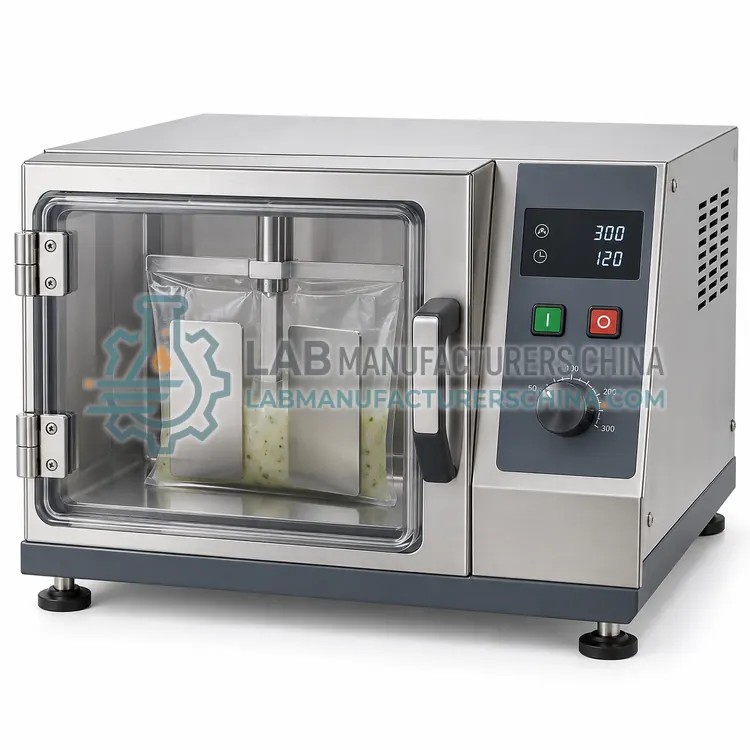
Paddle Blender for Food and Microbiology Samples

食品和微生物样品拍打式均质器

  • TIH-0005
  • Tissue Homogenizers
  • CE (to be confirmed)
  • RoHS (to be confirmed)
  • ISO 9001 manufacturing (to be confirmed)
Stroke rate:
4–12 strokes/s
Bag volume:
10–400 mL
Blending time:
30 s–3 min
Bag type:
Sterile, with or without filter
Sample weight:
5–100 g typical
Paddle material:
Stainless steel

A paddle blender uses two reciprocating paddles to press and release samples inside a sterile bag, releasing microorganisms and analytes without cutting. It is the standard sample preparation step for food, environmental and pharmaceutical microbiology.

Request a quote
View details

Compare Tissue Homogenizers models

ModelOscillation speedCycle timeProgramsNoise levelSafety
Bead Mill Tissue HomogenizerTIH-00014–6.5 m/s10–300 sUp to 20 stored70–85 dB(A)Lid interlock
High-Throughput Bead Mill with Cryogenic CoolingTIH-00026–8 m/s30–120 sUp to 30 stored75–85 dB(A)Oxygen and overpressure shutoff
Motorized Potter-Elvehjem Tissue HomogenizerTIH-0003———< 60 dB(A)—
Cryogenic Tissue GrinderTIH-0004——Up to 10 stored< 75 dB(A)—
Paddle Blender for Food and Microbiology SamplesTIH-0005——Up to 10 stored< 65 dB(A)—

Indicative values for this product class. Final specifications are confirmed on the quotation and in the calibration documents supplied with the instrument.

How do Tissue Homogenizers work?

Tissue homogenizers apply mechanical force to rupture tissue structure and cell walls. Bead mills shake sealed tubes containing the sample and ceramic, glass or steel beads at high speed, typically 4 to 7 m/s, so that collisions crush and shear the tissue. Motorized Potter-Elvehjem homogenizers rotate a close-fitting pestle inside a glass tube at 200 to 2,000 rpm, forcing tissue through a narrow clearance of 0.1 to 0.15 mm. Cryogenic grinders use a magnetic impactor in liquid-nitrogen-cooled vials to pulverize brittle frozen tissue. Paddle blenders use reciprocating paddles to press and release material in a sterile bag. Key components are a drive unit, a vessel or tube, the grinding element such as beads or pestle, and a cooling or cryogenic system to preserve labile biomolecules.

Which Tissue Homogenizers variants are available?

  • Bead Mill Tissue Homogenizer — A bead mill tissue homogenizer shakes sealed tubes containing sample and beads at high speed so collisions rupture the tissue.
  • High-Throughput Bead Mill with Cryogenic Cooling — A high-throughput bead mill with cryogenic cooling pairs plate- or rack-format bead beating with liquid nitrogen or cold-gas cooling.
  • Motorized Potter-Elvehjem Tissue Homogenizer — A motorized Potter-Elvehjem homogenizer rotates a PTFE or glass pestle inside a glass tube to shear soft tissue gently.
  • Cryogenic Tissue Grinder — A cryogenic tissue grinder pulverizes frozen, brittle samples in a liquid-nitrogen-cooled vial using a magnetic impactor.
  • Paddle Blender for Food and Microbiology Samples — A paddle blender uses two reciprocating paddles to press and release samples inside a sterile bag, releasing microorganisms and analytes without cutting.

How do I choose the right variant?

Choose a tissue homogenizer by sample type, throughput, sample size and downstream analysis. Bead mills handle soft and tough tissues, microbes and plant material in sealed tubes, and are the usual choice for high throughput with 24 or more samples at once. Choose cryogenic cooling for RNA and labile metabolites. Potter-Elvehjem homogenizers give gentle, reproducible disruption of soft tissue such as liver and brain, preserving organelles. Cryogenic grinders pulverize very hard or brittle samples such as bone and seeds. Paddle blenders suit food and microbiology samples of 10 to 400 mL. Check tube volumes, bead types, speed control, cooling and aerosol containment. For regulated testing, consider cross-contamination prevention and documented cleaning steps. Confirm noise, vibration and safety interlocks.

Where are Tissue Homogenizers used?

Tissue Homogenizers are specified in DNA and RNA extraction from tissue, protein and enzyme extraction, plant and seed sample preparation, food and microbiology sample preparation, metabolomics and lipid extraction and forensic and pathology sample processing.

Which standards and certifications apply?

Work with Tissue Homogenizers is commonly governed by IEC 61010-1, IEC 61010-2-051, ISO 6887-1, ISO 7218 and GB 4789.1. Instrument certifications such as CE marking are confirmed per configuration and never assumed.

What are the key considerations before purchase?

Keep tissue cold and process quickly to preserve RNA, proteins and enzyme activity; add stabilizing buffers where appropriate. Load tubes symmetrically in bead mills and do not exceed the rated tube fill volume, which is usually half of the tube. Select bead size and material to match tissue hardness, and avoid contamination with metals if trace element analysis follows. Follow the supplier's method for each tissue type, and validate homogenization efficiency against a reference method. For infectious or biohazardous material, use sealed tubes and work in a biosafety cabinet. Clean glass homogenizers thoroughly, and handle liquid nitrogen with protective equipment. Comply with IEC 61010-1 and local biosafety rules.

Frequently asked questions about Tissue Homogenizers

A tissue homogenizer breaks tissue into uniform suspensions or lysates by bead impact, grinding, pestle shear or paddle action. It prepares samples for DNA, RNA, protein and metabolite analysis in life science, clinical and food laboratories.

Need help specifying Tissue Homogenizers?

Request a quote