
Laboratory Freezers
实验室冷冻箱
CLFR · General Laboratory Equipment · 5 product types · 25 models
By Lab Manufacturers China Technical TeamLast reviewed
What are Laboratory Freezers?
Laboratory freezers are insulated, refrigerated cabinets that hold biological samples, reagents, plasma, vaccines and chemicals frozen at temperatures from about -20 °C down to -86 °C. The category covers -20 °C, -40 °C, -80 °C, ultra-low upright and chest types, used in hospitals, biobanks, research and pharmaceutical laboratories.
5 product types in Laboratory Freezers
The 5 product types below are grouped by the exact instrument you need.
- CFR5 models
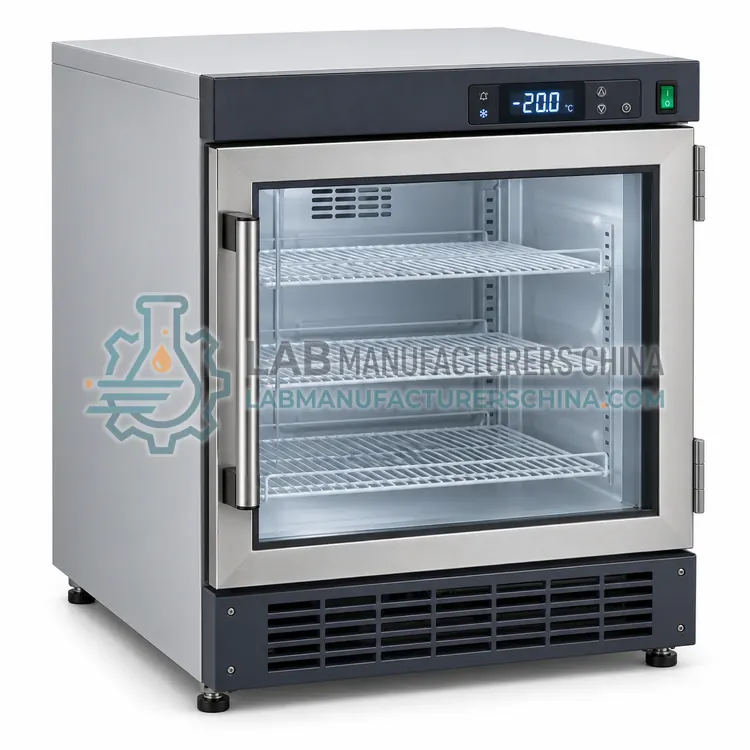
-20°C Freezers
–20 °C 冷冻箱
–20 °C freezers are laboratory cabinets that hold materials at about –10 to –25 °C. They store enzymes, reagents, kits, media, samples and some pharmaceuticals, using vapour-compression cooling with static or forced-air designs, and are used in research, clinical, pharmaceutical and teaching laboratories.
- CFE5 models
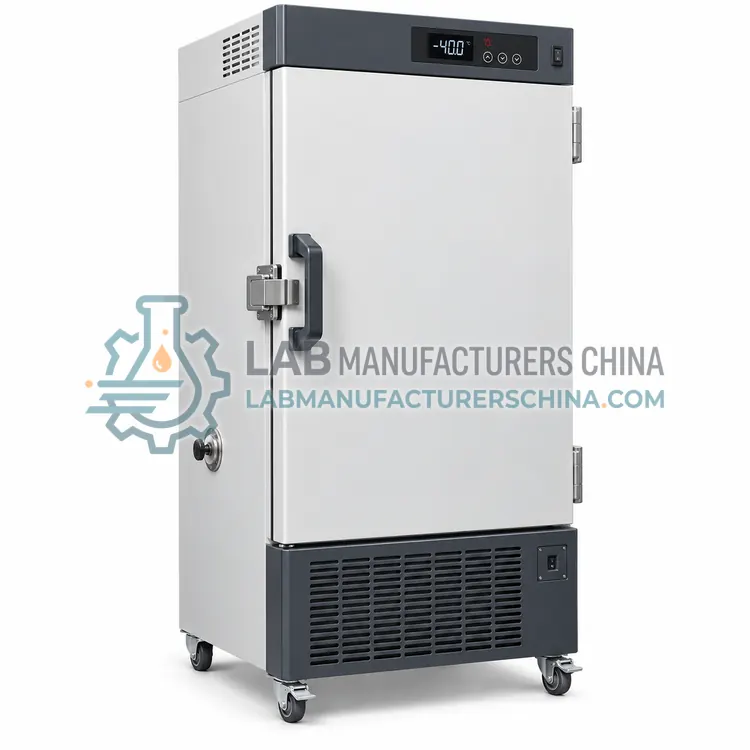
-40°C Freezers
-40 °C 冷冻箱
-40 °C freezers are laboratory cabinets that hold materials at about -25 to -45 °C, colder than a standard -20 °C freezer but without the cascade cooling of -80 °C units. They store plasma, tissue, buffers, reagents and stability samples in hospitals, blood services, pharmaceutical QC and research laboratories.
- CFZ5 models
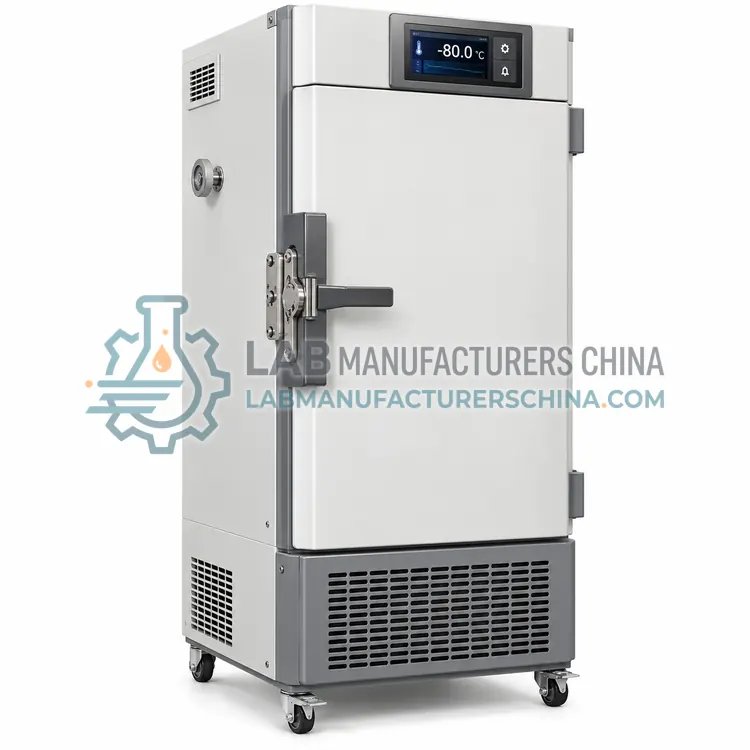
-80°C Freezers
-80 °C 冷冻箱
-80 °C freezers are laboratory cabinets that hold samples at about -60 to -86 °C using cascade or mixed-refrigerant refrigeration. They preserve nucleic acids, proteins, cell lines, serum and clinical specimens for long-term storage in research institutes, hospitals, biobanks, vaccine laboratories and pharmaceutical development.
- ULF5 models
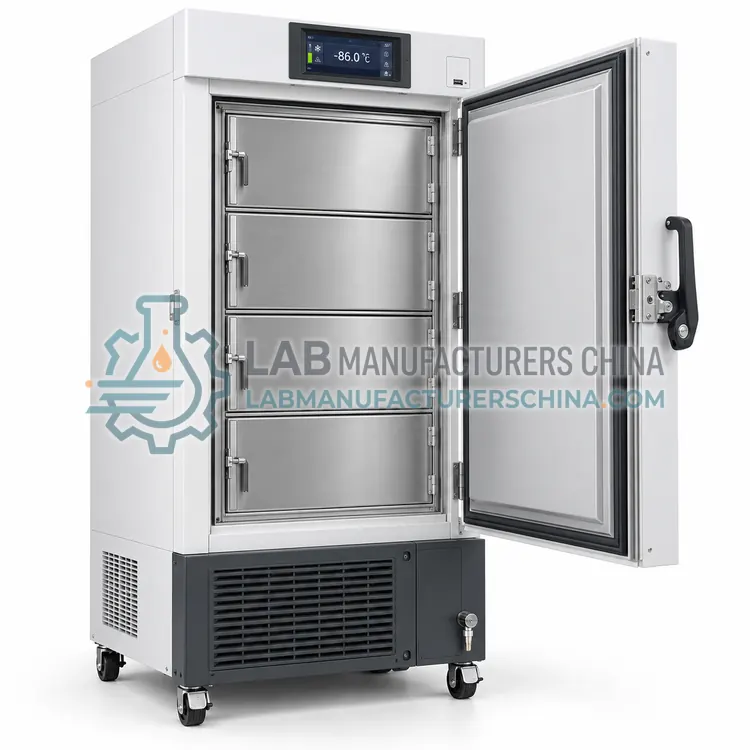
Ultra-Low Freezers
超低温冷冻箱
Ultra-low temperature freezers are high-performance laboratory cabinets that hold -86 °C or colder, with large capacities of 300 to 1000 L and features for energy saving and sample security. They serve biobanks, vaccine and biologics laboratories, hospitals and research institutes that store irreplaceable material over many years.
- CHF5 models
Chest Freezers
卧式冷冻箱
Chest freezers are top-opening laboratory freezers that store samples, reagents and biological products at temperatures from about -10 °C to -86 °C. Their lid design keeps cold air in the well, giving stable temperature and low energy use for bulk storage in hospitals, blood services, biobanks and research laboratories.
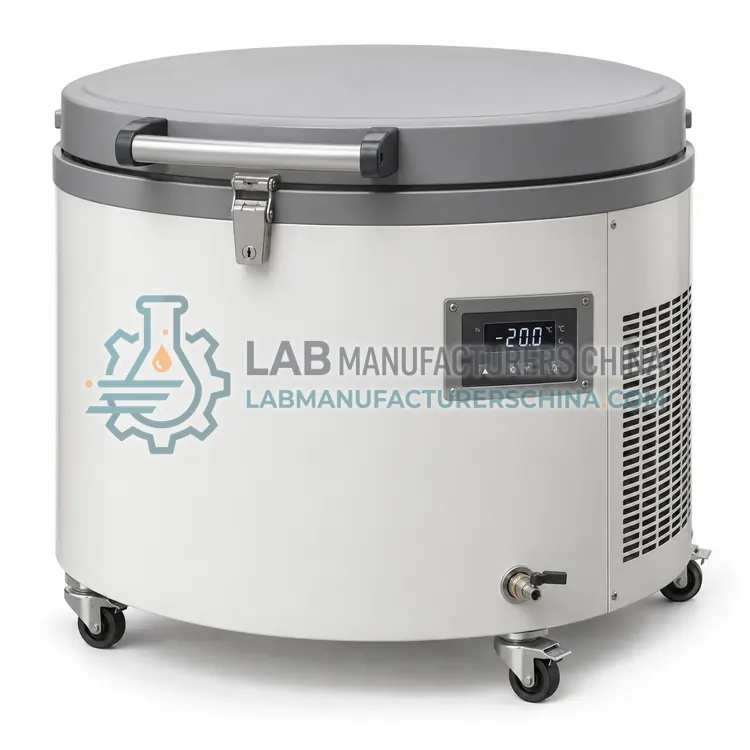
What are Laboratory Freezers?
A laboratory freezer is a purpose-built cabinet that maintains a stable sub-zero temperature for materials that degrade at refrigerated temperatures. The temperature class defines the use. Units at -20 °C store enzymes, reagents and routine frozen stock. Units at -40 °C suit plasma, tissue and some cell products. Units at -80 °C and ultra-low freezers down to -86 °C preserve nucleic acids, proteins, cell lines and clinical specimens for years. Chest freezers trade footprint for lower temperature loss when opened, while upright models give shelf-level access and drawer organization. Compared with domestic freezers, laboratory models add forced or balanced cooling, calibrated electronic controllers, high and low temperature alarms, door locks, backup ports for remote monitoring and, for ultra-low units, cascade or single-stage low-temperature refrigeration with vacuum-insulated panels. Capacities range from about 50 L under-bench units to 1000 L upright cabinets.
How do Laboratory Freezers work?
Laboratory freezers remove heat from the insulated cabinet with a vapor-compression refrigeration circuit. At -20 °C and -40 °C a single compressor and hydrocarbon or HFC refrigerant are sufficient. To reach -80 °C and below, ultra-low freezers use a cascade system in which a high-stage circuit cools the condenser of a low-stage circuit, or a single-stage mixed-refrigerant circuit. Thick polyurethane foam or vacuum insulation panels and gasketed, often multi-layer, doors limit heat gain. A microprocessor controller reads platinum resistance or thermistor sensors and cycles the compressors to hold the set point, typically within a few degrees of uniformity. Independent alarms monitor temperature, door ajar, power failure and battery condition, and many units provide dry contacts or network outputs. Some models add a backup cooling port for liquid carbon dioxide or nitrogen, which keeps contents cold during compressor failure.
Where are Laboratory Freezers used?
Laboratory freezers serve every field that stores temperature-sensitive material. Hospitals and blood services keep fresh frozen plasma at -30 °C or below and clinical specimens at -20 °C or -80 °C. Biobanks and research institutes store DNA, RNA, proteins, serum and cell lines at -80 °C for long-term retention. Pharmaceutical and biotechnology laboratories keep reference standards, enzymes, vaccines and stability samples at defined frozen conditions. Food and environmental laboratories hold reference materials and retained samples for later confirmation. Diagnostic manufacturers store reagents and kit components. Chest freezers are common where bulk storage of plasma or tissue blocks is needed, and -20 °C units remain the default in teaching laboratories and general chemistry. Units installed in regulated settings are chosen for alarm, logging and mapping capability as much as for temperature.
Which standards apply to Laboratory Freezers?
Laboratory freezer design and performance are addressed by general and sector-specific standards. IEC 61010-1 and IEC 61010-2-011 cover electrical safety for laboratory refrigerating equipment, and IEC 60335-2-89 applies to commercial refrigerating appliances. Energy and performance testing follow ISO 23953 and, for ultra-low freezers, the ENERGY STAR laboratory-grade test method based on ASHRAE 72. Blood and plasma storage is addressed by EN 15713 guidance, the AABB Standards and the WHO PQS performance specifications for vaccine freezers. Sample management practice for biobanks is covered by ISO 20387. Temperature mapping and qualification often reference ISPE and WHO Technical Report Series guidance. Cybersecurity and data integrity for loggers may reference 21 CFR Part 11. Always confirm which documents apply in your jurisdiction and accreditation scheme.
How do I select the right laboratory freezers equipment?
Start with the temperature that the stored material requires and the retention period. Use -20 °C for enzymes and routine stock, -40 °C for plasma and tissue that must stay below the eutectic point of common buffers, and -80 °C or ultra-low for nucleic acids, proteins and cells kept for years. Next decide between upright and chest formats. Upright units give easier organization and smaller floor area per liter, while chest units hold temperature better after door opening and use less energy. Size the capacity for current inventory plus 25 to 30 percent growth, and leave one spare unit's worth of space for emergencies. Check the environment: ambient temperature up to 32 °C, clearance for heat rejection and power supply. For regulated or irreplaceable samples, specify dual alarms, remote monitoring, battery backup, CO2 or LN2 backup ports and mapping documentation.
Laboratory Freezers comparison
| Subcategory | Principle | Typical use | Key spec |
|---|---|---|---|
| -20°C Freezers | Single-stage vapor compression | Enzymes, reagents and routine frozen stock | -10 to -25 °C |
| -40°C Freezers | Enhanced single-stage or light cascade | Plasma, tissue and buffers below -30 °C | -25 to -45 °C |
| -80°C Freezers | Cascade refrigeration | Nucleic acids, proteins and cell lines | -60 to -86 °C |
| Ultra-Low Freezers | Cascade or mixed-refrigerant with vacuum insulation | Biobanks and high-value archive samples | -86 °C, 300-1000 L |
| Chest Freezers | Top-opening cabinet with cold-air retention | Bulk plasma and tissue storage | 100-700 L, -20 to -86 °C |
Frequently asked questions about Laboratory Freezers
Set it to the temperature that your material requires. Enzymes and routine reagents are stored at -20 °C, plasma and some tissues at -30 to -40 °C, and nucleic acids, proteins and cell lines for long-term retention at -80 °C. Follow supplier and protocol instructions.
A -20 °C freezer uses a single compressor and suits enzymes and routine stock. A -80 °C freezer uses cascade or mixed-refrigerant cooling and stronger insulation to preserve nucleic acids, proteins and cells for years. It costs more to buy and run and draws more power.
Choose upright units when shelf-level organization and small footprint matter. Choose chest units for bulk storage and better temperature retention after door opening, and accept lower accessibility. Chest freezers also tend to use less energy at the same temperature.
Size it for the current inventory plus 25 to 30 percent growth, and keep space equal to one freezer available for emergency transfer if a unit fails. Count box or rack footprints rather than liters alone, since usable volume is lower than gross volume.
Combine a high and low temperature alarm with remote notification, a battery-backed controller, a CO2 or LN2 backup system where supported, a spare empty freezer and a documented response plan. Place the freezer on a generator-backed circuit where possible.
Related categories
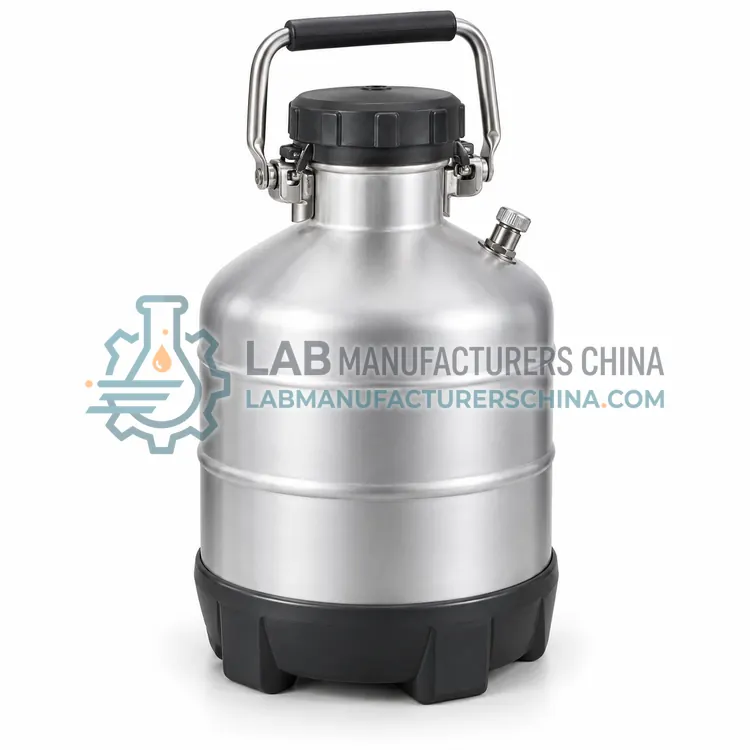 CCRE低温设备Cryogenic equipment covers the vessels, storage systems, freezers and transfer hardware used to hold and move materials at temperatures below about −150°C, typically with liquid nitrogen. Biobanks, fertility clinics, research institutes and industrial laboratories use it for long-term preservation of cells, tissues, gametes and reference samples.
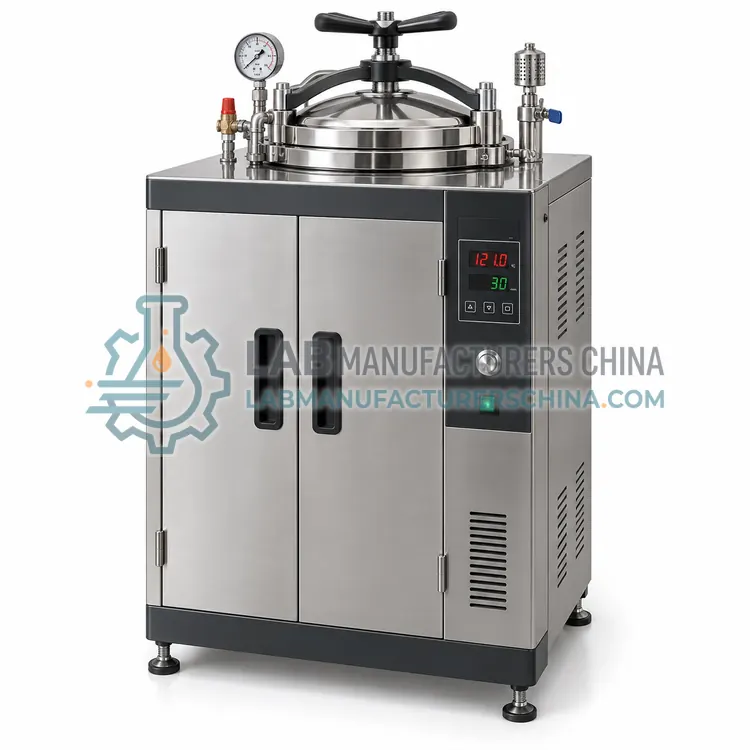 CLSE实验室灭菌设备Laboratory sterilization equipment inactivates or removes microorganisms from media, glassware, instruments, waste and work surfaces using saturated steam, dry heat, hot glass beads or ultraviolet radiation. Microbiology, clinical, pharmaceutical, food and research laboratories use it to protect sample integrity, prevent cross-contamination and treat biohazardous material.
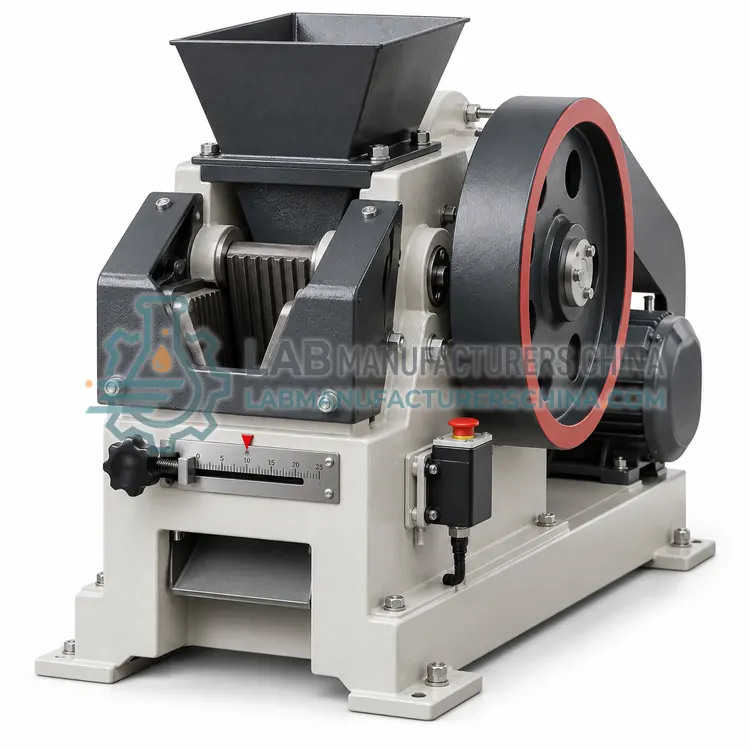 CSPE样品前处理设备Sample preparation equipment reduces, homogenizes, extracts and digests laboratory samples before analysis. The category covers crushers, grinders, mills, homogenizers, digesters, extractors and sample dividers used to produce representative, analysis-ready material in analytical and quality-control laboratories.
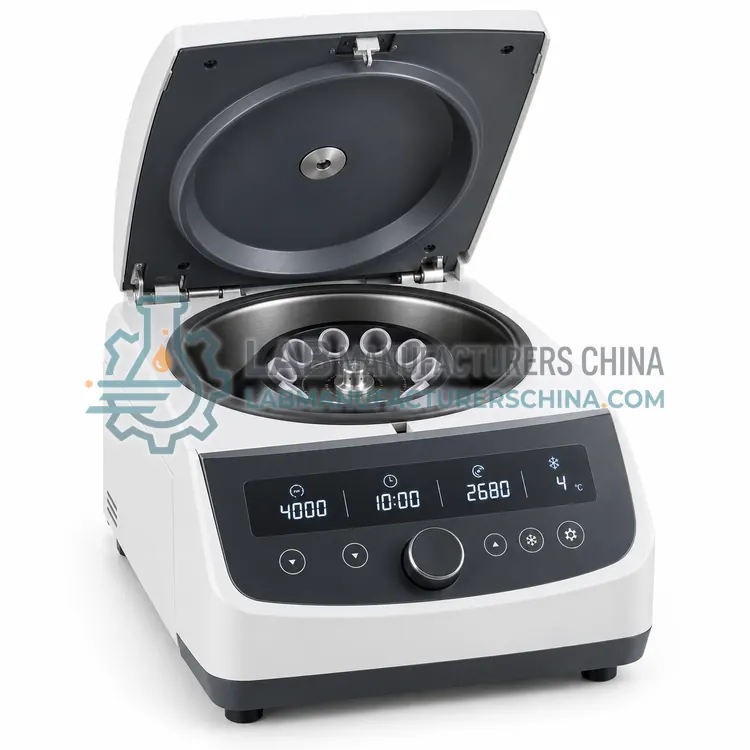 CLAC实验室离心机Laboratory centrifuges separate particles, cells and macromolecules from liquid samples by applying centrifugal force in a rotating rotor. The category spans benchtop, high-speed, refrigerated, micro and ultra-speed units used in clinical, pharmaceutical, biotechnology, chemical and academic laboratories for sample preparation and purification.