
Laboratory Shakers
实验室摇床
CLAS · General Laboratory Equipment · 5 product types · 25 models
By Lab Manufacturers China Technical TeamLast reviewed
What are Laboratory Shakers?
Laboratory shakers mix, aerate and suspend samples through controlled motion, using orbital, reciprocal, rocking, incubator and microplate formats. Speed typically ranges from 10 to 300 rpm for large platforms and up to 1500 rpm on small units, with load capacities from a single microplate to several liters of flasks.
5 product types in Laboratory Shakers
The 5 product types below are grouped by the exact instrument you need.
- ORS5 models
Orbital Shakers
圆周摇床
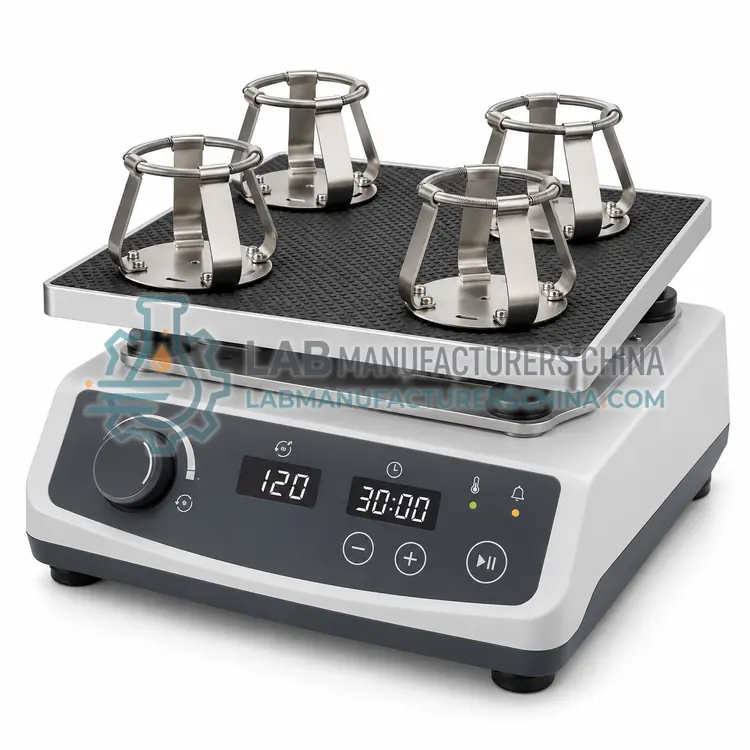
Orbital shakers move a platform in a circular path to mix, aerate and suspend samples in flasks, tubes and bottles. Speeds run from about 20 to 300 rpm with orbit diameters of 10 to 50 mm, and they are used for culture, extraction, staining and general mixing.
- RES5 models
Reciprocal Shakers
往复摇床
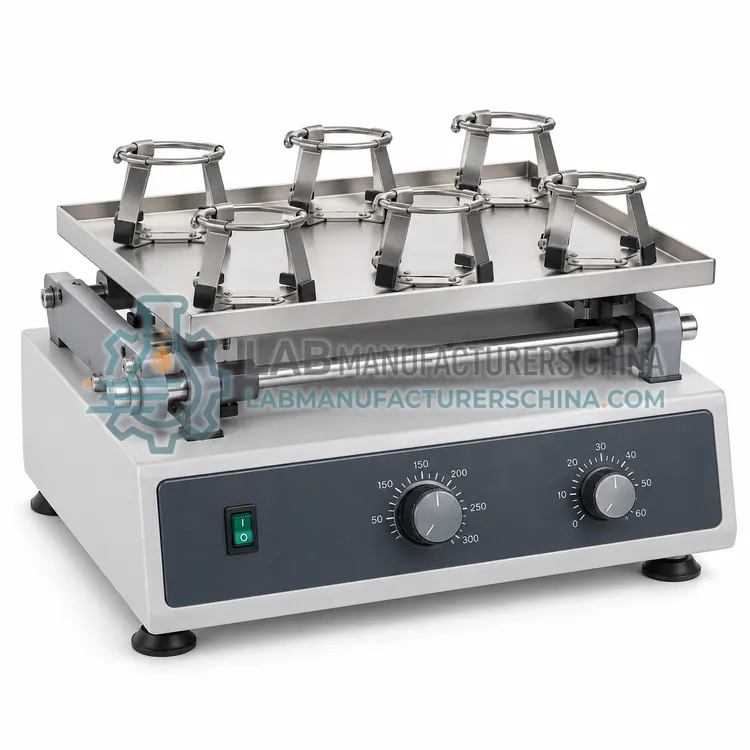
Reciprocal shakers move a platform in a straight back-and-forth line, producing a shearing action stronger than orbital motion. Strokes run from 10 to 50 mm at 20 to 300 strokes per minute, and they are used for washing, extraction, staining and shear-sensitive mixing.
- ROS5 models
Rocking Shakers
摇摆摇床
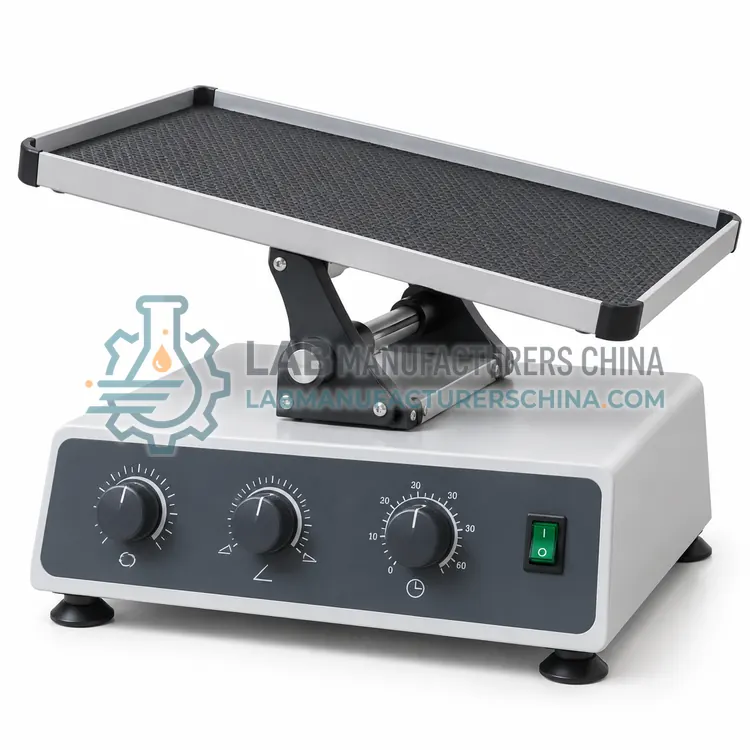
Rocking shakers tilt a platform side to side about a center axis, giving gentle, low-shear movement. They run at 5 to 80 tilts per minute with tilt angles of 3 to 15 degrees, and are used for gel staining, blotting, antibody incubation and blood mixing.
- INS5 models
Incubator Shakers
恒温振荡摇床
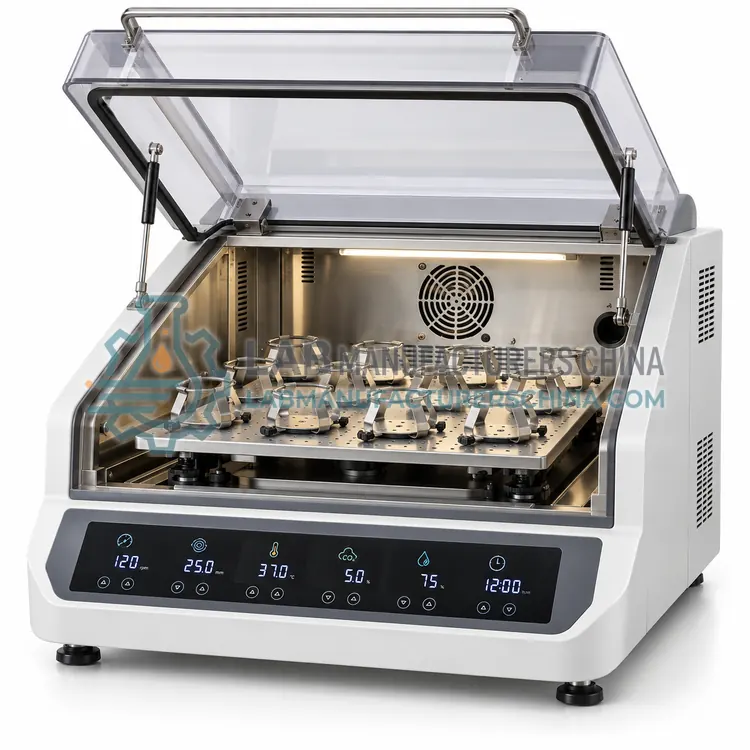
Incubator shakers combine a temperature-controlled chamber with an orbital platform, so cultures are warmed and agitated in one unit. They hold 5 to 80 C and 20 to 400 rpm, and are used for bacterial and yeast culture, protein expression, fermentation and cell suspension work.
- MIS5 models
Microplate Shakers
微孔板摇床
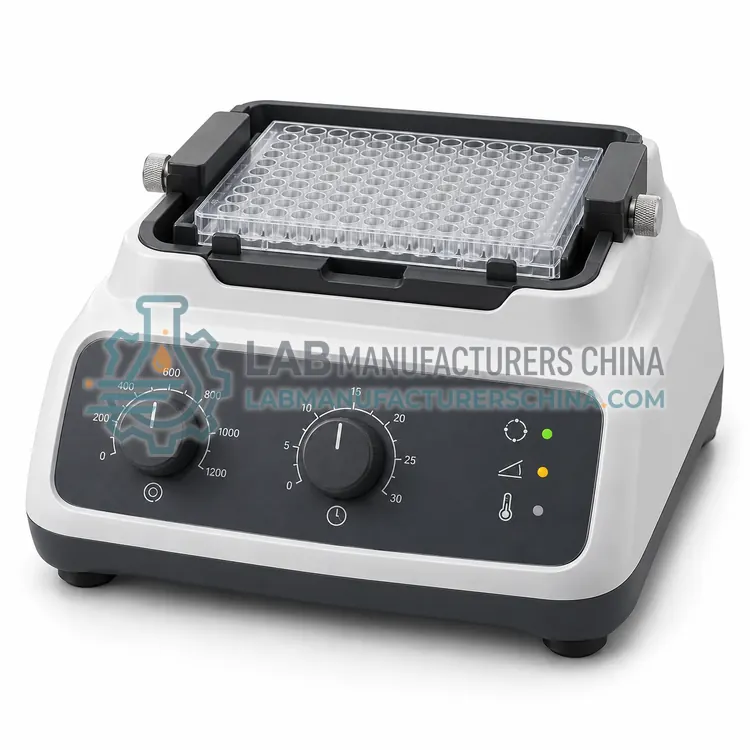
Microplate shakers are compact high-speed platforms that agitate microplates and deep-well blocks for assays, mixing and washing steps. Speeds run from about 100 to 1500 rpm with small orbits, and they are used in ELISA, cell-based assays, immunoassays and plate preparation.
What are Laboratory Shakers?
A laboratory shaker is a motorized platform that applies controlled motion to vessels so that their contents are mixed, aerated or kept in suspension. The motion geometry defines the types. Orbital shakers move the platform in a circular path, reciprocal shakers move it back and forth, and rocking shakers tilt it side to side, which suits gel staining and blotting. Incubator shakers combine shaking with temperature control in an enclosed chamber for cell culture and fermentation. Microplate shakers use small platforms and higher speeds for ELISA, assays and plate work. Common features include brushless motors, closed-loop speed control, timers, interchangeable platforms, clamps for flasks and tubes, and load ratings. Some models are stackable or rated for continuous duty, and controls may include programmable ramps.
How do Laboratory Shakers work?
A brushless or induction motor turns an eccentric cam or crank that converts rotation into platform motion. For orbital shakers the eccentric offset sets the orbit diameter, typically 10 to 40 mm; for reciprocal shakers a crank and slide give a linear stroke; for rocking shakers the platform pivots about a center axis and tilts through a few degrees. A tachometer or Hall sensor measures speed and a closed-loop controller holds the setpoint against load changes, displayed in rpm on a digital panel. Motors are geared down for low speeds and high torque, and the drive is supported by sealed ball bearings to survive continuous use. Platforms bolt to the drive and accept flask clamps, tube racks, trays or plate holders. Timers, alarms and, on incubator shakers, a heated chamber with its own PID controller complete the system.
Where are Laboratory Shakers used?
Shakers appear in almost every wet-laboratory workflow. Microbiology and molecular biology use orbital and incubator shakers for bacterial and yeast culture, plasmid and protein expression, cell lysis and DNA or RNA extraction. Immunology laboratories shake microplates during ELISA, cell-based assays and washing steps. Clinical and blood-bank work uses gentle rocking for blood samples, stains and coagulation studies. Food and environmental laboratories shake samples for extraction, dissolution and homogenization of soil, water and food matrices. Analytical chemistry uses reciprocal and orbital shaking for dissolution, solubility and extraction tests. Rocking shakers handle gel staining, blotting and antibody incubation, where gentle tilting avoids damaging fragile membranes.
Which standards apply to Laboratory Shakers?
Shaker safety follows IEC 61010-1 for laboratory equipment and IEC 61010-2-051 for mixing and stirring equipment, which covers mechanical hazards from moving platforms and clamps. Where the shaker includes heating, IEC 61010-2-010 also applies, and incubator shakers are often described using DIN 12880 for temperature range, uniformity and fluctuation. Motor performance can reference IEC 60034 for rotating electrical machines. ISO 9001 supports quality management and ISO 17025 covers testing laboratory competence, while ISO 13485 applies where devices support medical or diagnostic workflows. Electrical supply, ingress protection and noise emission should be specified for each model.
How do I select the right laboratory shakers equipment?
Decide first on motion and purpose. Choose orbital shaking for general mixing, culture and extraction, reciprocal shaking when a back-and-forth shear action is wanted, rocking when the sample is on a membrane or gel, and a microplate shaker for plate-based assays. Select an incubator shaker when temperature control is also required. Then match speed range, orbit diameter and load capacity to the heaviest flask set, since rated load is usually quoted with a balanced, evenly distributed platform. Check drive type and duty cycle for continuous operation, and confirm the clamps and platforms offered. For sensitive work, specify closed-loop speed control, low-noise drive, timer and alarm, and consider stacking or a refrigerated version.
Laboratory Shakers comparison
| Subcategory | Principle | Typical use | Key spec |
|---|---|---|---|
| Orbital Shakers | Eccentric drive moving the platform in a circle | Culture, mixing, extraction and aeration | 50–300 rpm, 19–25 mm orbit |
| Reciprocal Shakers | Linear back-and-forth drive | Washing, staining and shear-sensitive extraction | 30–300 rpm, 10–40 mm stroke |
| Rocking Shakers | Tilting platform pivoting about a center axis | Gel staining, blotting, antibody incubation | 5–80 rpm, 0–15° tilt |
| Incubator Shakers | Orbital drive inside a temperature-controlled chamber | Cell culture, fermentation, protein expression | 5–80 C, 20–400 rpm |
| Microplate Shakers | Small high-speed platform with plate holders | ELISA, assays and microplate mixing | 300–1500 rpm, 1–4 plates |
Frequently asked questions about Laboratory Shakers
An orbital shaker moves the platform in a circular path, giving smooth swirling motion suited to culture, mixing and extraction. A reciprocal shaker moves it linearly back and forth, producing stronger shear, which suits washing, staining and some extraction steps.
Match speed and orbit diameter to the task and vessel. Culture and aeration usually need 100 to 300 rpm with a 19 to 25 mm orbit, gentle staining and blotting 10 to 60 rpm, and microplate assays 300 to 1200 rpm with a small orbit. Higher speeds need balanced loads and clamps.
Load rating is stated for a balanced, evenly distributed load and falls as speed increases. Benchtop orbital shakers often carry 2 to 15 kg, large incubator shakers 20 to 50 kg, and microplate shakers only a few plates. Exceeding the rating causes vibration, noise and drive wear.
Only if it is rated for continuous duty. Incubator shakers with brushless motors and sealed bearings are designed for days of operation, while general-purpose shakers may specify a duty cycle. Check temperature stability over long runs and confirm the drive is rated for the load at the chosen speed.
Vibration usually comes from an unbalanced or unevenly loaded platform, loose clamps, worn drive bearings or a surface that is not level. Reduce speed, redistribute the load, tighten clamps and check the feet. Persistent shaking can indicate a failing drive or a load above rating.
Related categories
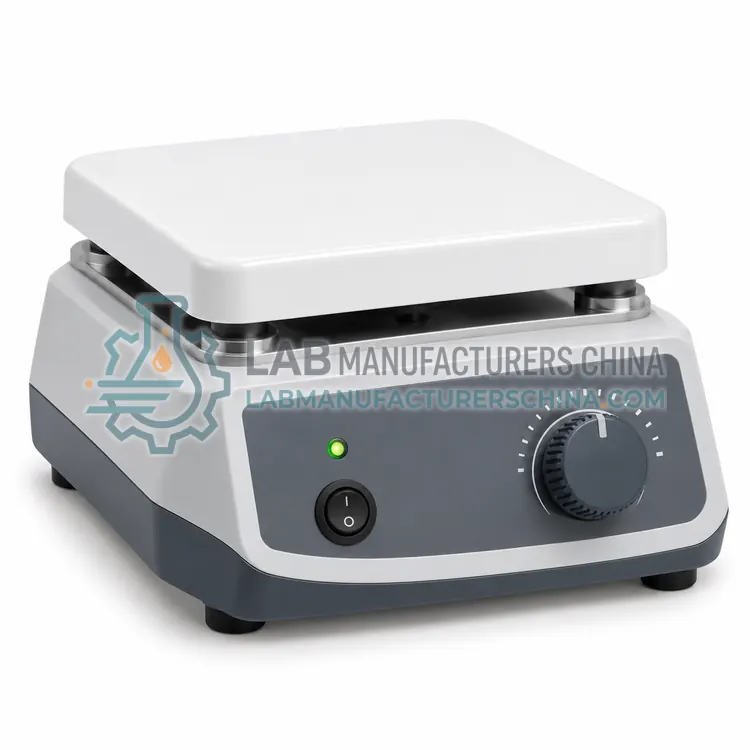 CLST实验室搅拌器Laboratory stirrers are benchtop devices that agitate liquids in beakers, flasks and reactors to blend reagents, dissolve solids, keep suspensions uniform and improve heat transfer. The category covers magnetic, overhead, hotplate and multi-position stirrers used in chemistry, pharmaceutical, biotechnology and materials laboratories.
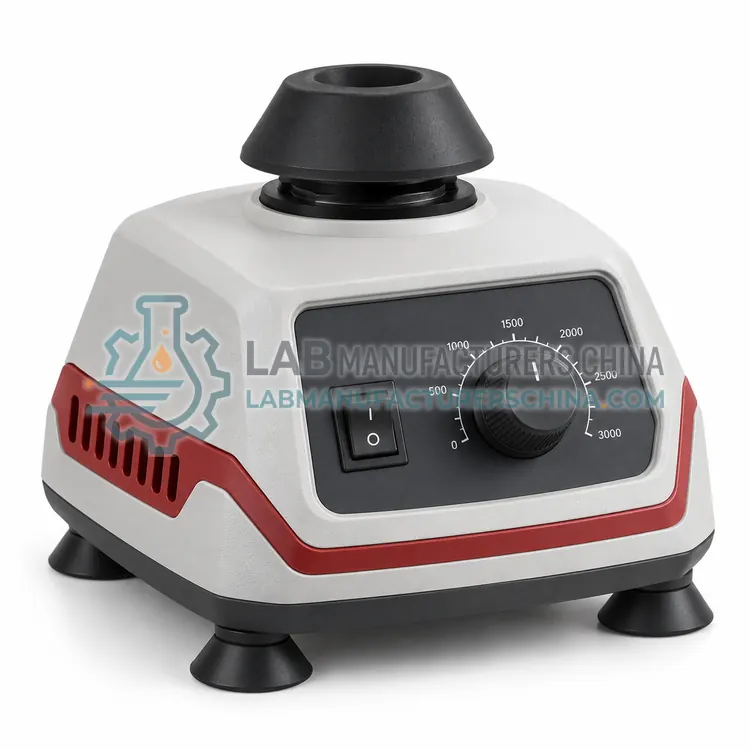 CLMI实验室混合器Laboratory mixers are instruments that blend, suspend, resuspend or emulsify samples by vortexing, rotating, rocking, planetary motion or high-shear rotor action. The category covers vortex, rotary, tube, planetary and high-shear mixers used in analytical, biological, pharmaceutical and materials laboratories.
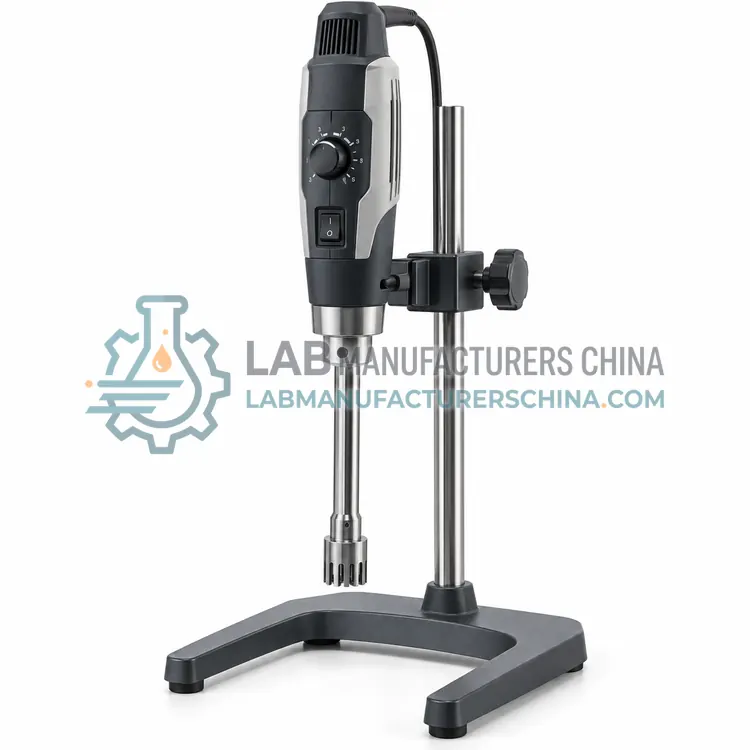 CLAH实验室均质设备Laboratory homogenizers break, disperse and emulsify samples by applying mechanical shear, ultrasound or high pressure. The category covers rotor-stator, ultrasonic, tissue and high-pressure homogenizers used in biology, pharmaceutical, food, cosmetic, chemical and environmental laboratories to prepare uniform samples before analysis.
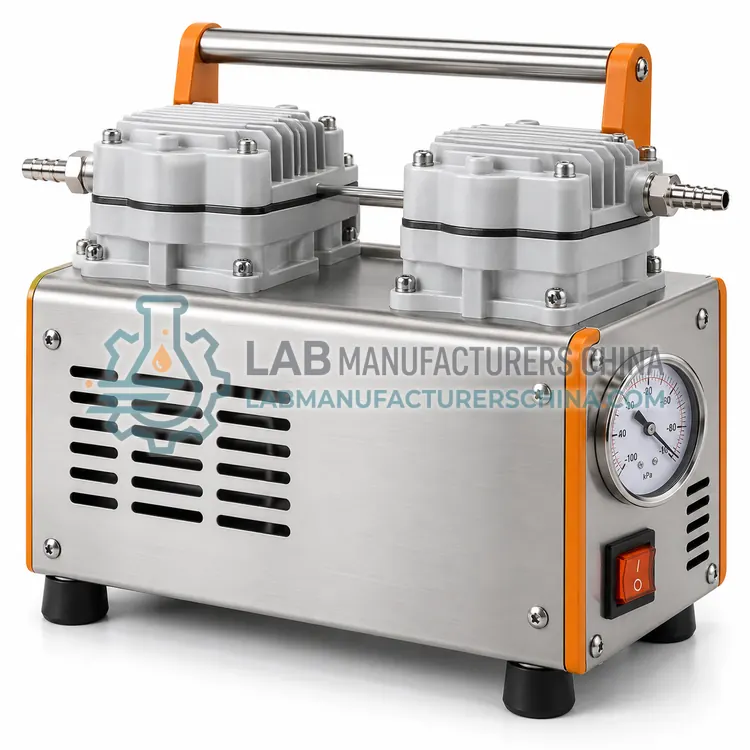 CLAP实验室泵Laboratory pumps move liquids, gases or slurries through tubing, columns and vessels under controlled flow, pressure or vacuum. The category covers vacuum, peristaltic, diaphragm, syringe and circulation pumps used for sample handling, chromatography, filtration, dosing and temperature control in research, quality control and process development.