
Laboratory Pumps
实验室泵
CLAP · General Laboratory Equipment · 5 product types · 30 models
By Lab Manufacturers China Technical TeamLast reviewed
What are Laboratory Pumps?
Laboratory pumps move liquids, gases or slurries through tubing, columns and vessels under controlled flow, pressure or vacuum. The category covers vacuum, peristaltic, diaphragm, syringe and circulation pumps used for sample handling, chromatography, filtration, dosing and temperature control in research, quality control and process development.
5 product types in Laboratory Pumps
The 5 product types below are grouped by the exact instrument you need.
- VAP6 models
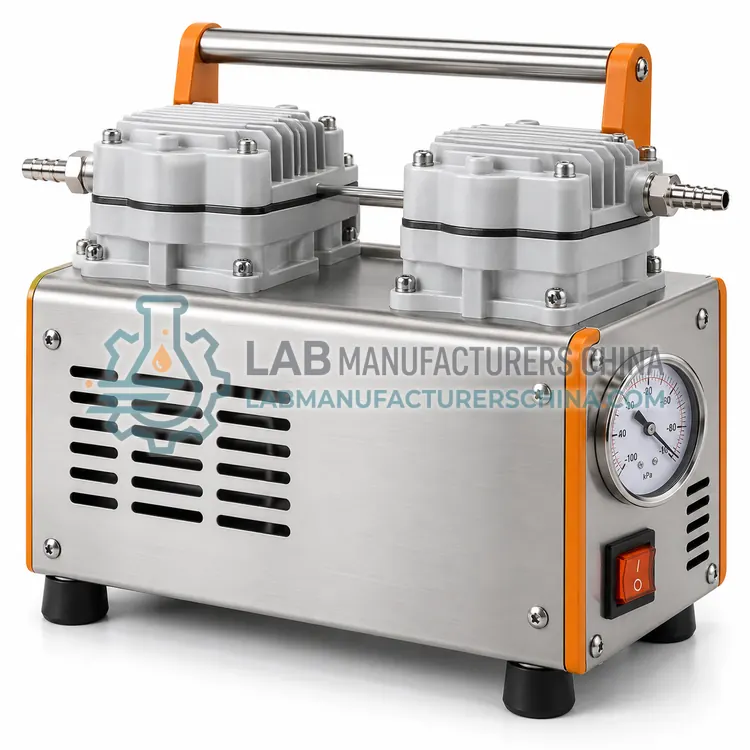
Vacuum Pumps
实验室真空泵
Laboratory vacuum pumps create the reduced pressure needed for filtration, aspiration, rotary evaporation, gel drying and vacuum ovens. They are selected as part of the liquid-handling path, so solvent resistance, oil-free operation and flow rate matter alongside the achievable vacuum level.
- PEP6 models
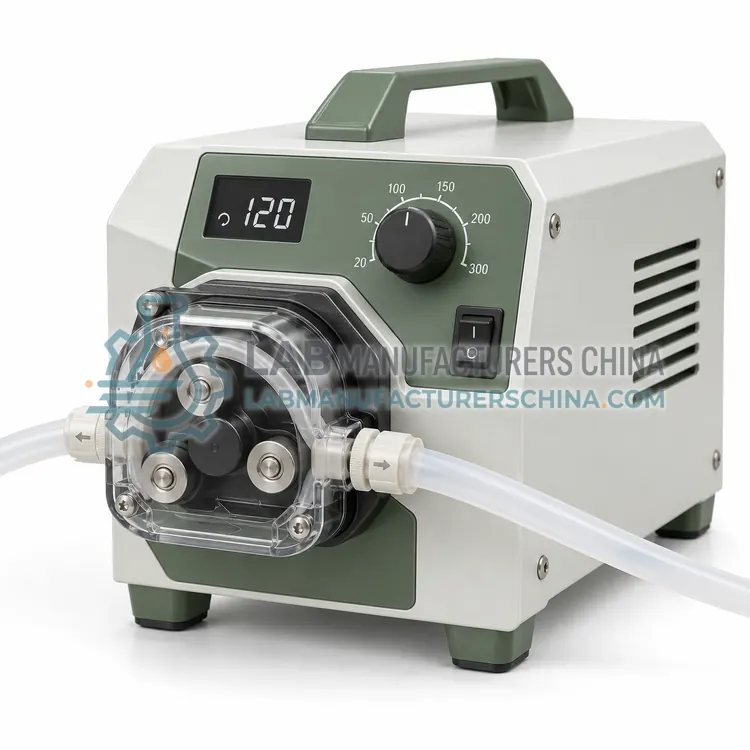
Peristaltic Pumps
蠕动泵
Peristaltic pumps move liquids by rollers that compress flexible tubing, so only the tubing contacts the fluid. They are used in laboratories for sterile, corrosive or particle-laden liquid transfer, dosing, chromatography and continuous flow with easy cleaning and low contamination risk.
- DIP6 models
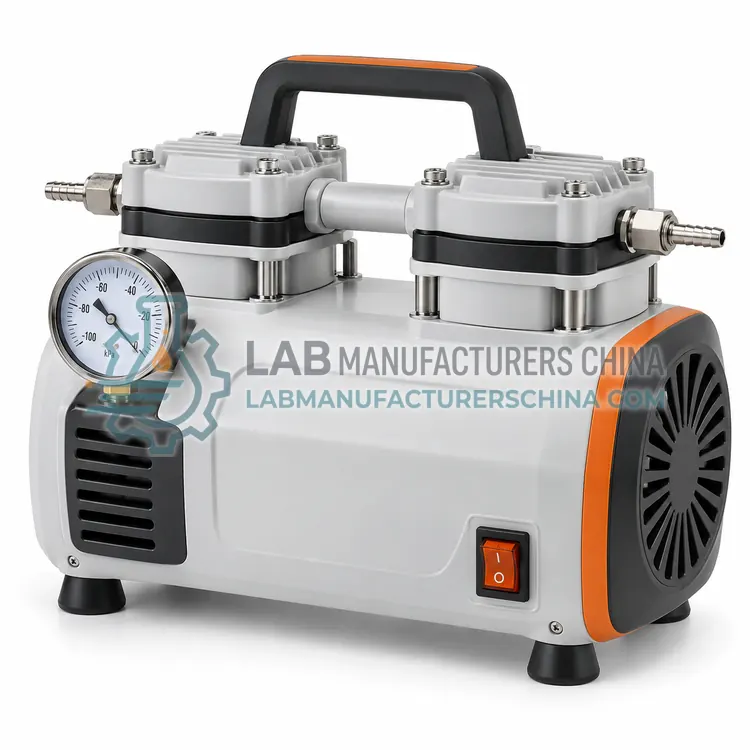
Diaphragm Pumps
隔膜泵
Diaphragm pumps move gases and liquids with a flexing membrane and check valves, giving oil-free, self-priming and valve-safe operation. They are used in laboratories for vacuum, aspiration, gas sampling, reagent transfer and metering where clean and chemically resistant pumping is needed.
- SYP6 models
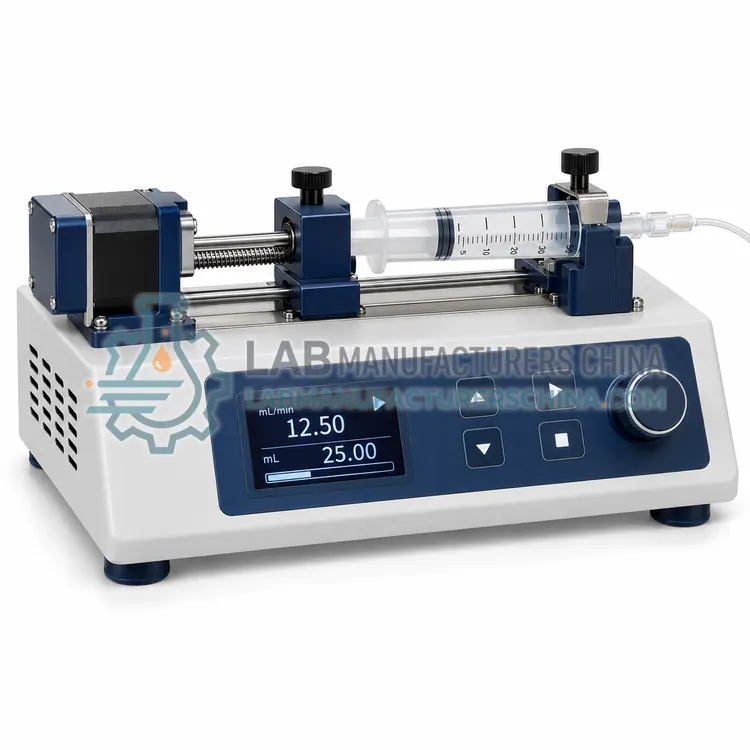
Syringe Pumps
注射泵
Syringe pumps drive a plunger with a lead screw to deliver precise, nearly pulseless flow of liquids for infusion, dosing and microfluidics. They are used in laboratories for accurate low-rate delivery, calibration and continuous reagent addition.
- CIP6 models
Circulation Pumps
循环泵
Circulation pumps move a temperature-controlled fluid through a closed loop to stabilize the temperature of instruments, reactors and baths. They are used in laboratories for reactor jackets, spectroscopy, lasers, rotary evaporators and sample incubation.
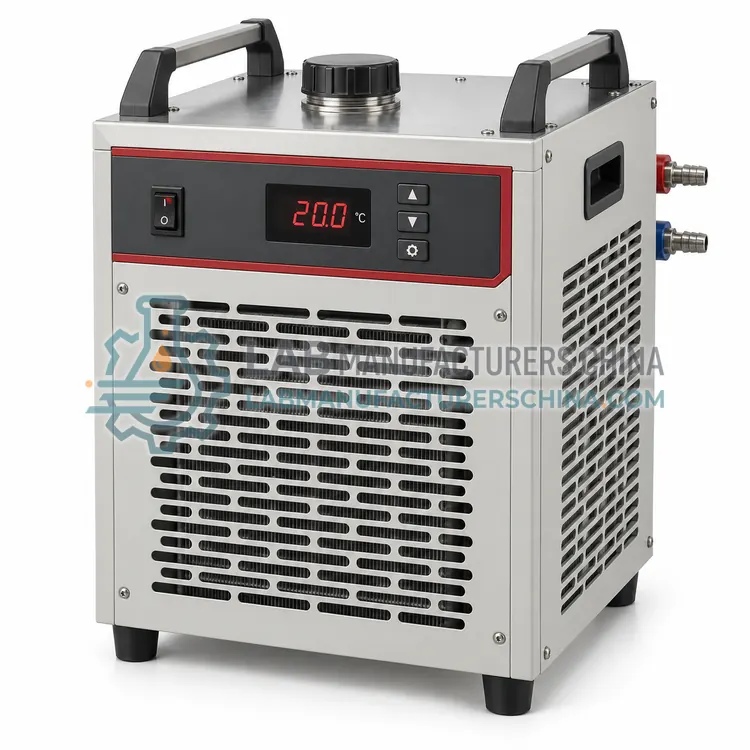
What are Laboratory Pumps?
A laboratory pump is a device that transfers a fluid or maintains a flow, pressure or vacuum in a laboratory system. Pumping duties range from moving a few microliters per minute in a microreactor to circulating hundreds of liters per hour in a pilot skid. Five families cover most needs. Vacuum pumps remove gas to create reduced pressure for filtration, evaporation and drying. Peristaltic pumps squeeze flexible tubing and are ideal for sterile or corrosive liquids because only the tubing contacts the fluid. Diaphragm pumps use a flexing membrane and are oil-free and self-priming. Syringe pumps drive a plunger at a precise rate for low, pulseless flows. Circulation pumps and chillers maintain a constant temperature by recirculating fluid through an instrument or reactor jacket. Typical specifications include flow rate, pressure or vacuum level, wetted materials, and control interface.
How do Laboratory Pumps work?
Each pump family converts drive energy into fluid motion by a different mechanism. A vacuum pump reduces pressure by sweeping or compressing gas: rotary vane and scroll designs trap and expel gas, diaphragm designs flex a membrane, and water-ring designs use a rotating liquid seal. Peristaltic pumps use rollers that pass along flexible tubing, displacing a fixed volume per revolution without valves or seals in the fluid path. Diaphragm pumps reciprocate a membrane driven by a motor or solenoid, with check valves controlling direction. Syringe pumps rotate a lead screw that advances a plunger, giving a precise, nearly pulseless flow proportional to the syringe cross-section. Circulation pumps use centrifugal or gear impellers to push fluid through a closed loop, often with a PID-controlled heater or refrigeration circuit. Flow and pressure are set by drive speed, stroke volume and valve timing, and are sensed by flow meters or pressure transducers.
Where are Laboratory Pumps used?
Laboratory pumps support a wide range of workflows. In analytical laboratories they deliver mobile phases and samples, recirculate column jackets and draw vacuum for filtration and solid-phase extraction. In microbiology and cell culture they transfer sterile media, harvest cells and aspirate supernatant without contaminating the fluid path. In chemistry and process development they dose reagents, feed microreactors and control addition rates in flow synthesis. In pharmaceutical and food testing they load dissolution and titration systems and move samples through automated analyzers. Circulation pumps and chillers stabilize the temperature of reactors, spectrometers, lasers and rotary evaporators. Environmental and water laboratories use them for sampling, online monitoring and continuous flow analysis. The common requirements are reproducible flow, chemical compatibility, and a clean or sterile path where needed.
Which standards apply to Laboratory Pumps?
Laboratory pumps are assessed for electrical safety under IEC 61010-1, with IEC 61010-2-051 covering mechanical mixing and IEC 61326-1 for electromagnetic compatibility. Peristaltic and diaphragm pumps used in pharmaceutical manufacturing may need to meet hygienic design principles and, where relevant, the requirements of the European Machinery Directive. CE marking, RoHS compliance and ISO 9001 manufacturing documentation are commonly requested. Tubing and wetted materials are selected against chemical compatibility data and often against USP <87> and USP <88> biological reactivity tests for medical or pharmaceutical contact. Calibration of flow rate is normally performed volumetrically or gravimetrically with a balance and timer, because pumps themselves are not covered by a single analytical standard.
How do I select the right laboratory pumps equipment?
Define the fluid, the required flow or vacuum, and the pressure the pump must work against. For sterile, corrosive or particle-laden liquids, choose a peristaltic pump and check tubing material and life. For oil-free, self-priming transfer of air or gas, choose a diaphragm pump. For very low, precise and pulseless dosing, choose a syringe pump. For reduced pressure in filtration, evaporation and drying, choose a vacuum pump and state the target vacuum and vapor load. For temperature control, choose a circulation pump or chiller with adequate cooling capacity and temperature range. Then confirm wetted materials, seal type, control interface, duty cycle and noise. Add calibration and spare-part expectations, and ask for flow curves rather than a single nominal value, because real flow depends on back pressure and fluid viscosity.
Laboratory Pumps comparison
| Subcategory | Principle | Typical use | Key spec |
|---|---|---|---|
| Vacuum Pumps | Gas removed by sweeping, compression or liquid seal | Filtration, aspiration, evaporation and drying | Ultimate pressure and flow rate |
| Peristaltic Pumps | Rollers compress flexible tubing | Sterile and corrosive liquid transfer | 0.001–10 L/min, tubing size |
| Diaphragm Pumps | Flexing membrane with check valves | Oil-free air and gas transfer, self-priming | Flow rate and pressure up to a few bar |
| Syringe Pumps | Lead screw advances a plunger | Precise, pulseless dosing and infusion | nL/min–mL/min, syringe size |
| Circulation Pumps | Impeller circulates fluid in a closed loop | Temperature control of instruments and reactors | Temperature range and cooling capacity |
Frequently asked questions about Laboratory Pumps
A peristaltic pump, because only the flexible tubing contacts the fluid. Tubing can be pre-sterilized and replaced between batches, eliminating contamination and cleaning of the pump head. Choose tubing material for chemical compatibility.
Typical syringe pumps span from microliters per minute to tens of milliliters per minute, depending on syringe size and drive resolution. They give smooth, pulseless flow suited to microfluidics, chromatography and precise reagent addition.
Base the choice on the process: filtration and aspiration need a modest vacuum, rotary evaporation and drying need deeper vacuum plus solvent resistance, and freeze drying needs lower pressure still. Specify the required ultimate pressure and vapor load.
Oil-free diaphragm and scroll pumps avoid oil mist and suit clean laboratories, but they may reach a less deep vacuum than oil-sealed rotary vane pumps. For high-vacuum needs, compare ultimate pressure and pumping speed before choosing.
State fluid type and viscosity, required flow or vacuum and the pressure it works against, tubing or wetted materials, sterilization needs, control and data interface, duty cycle, and ambient conditions. Request flow or vacuum curves and calibration options.
Related categories
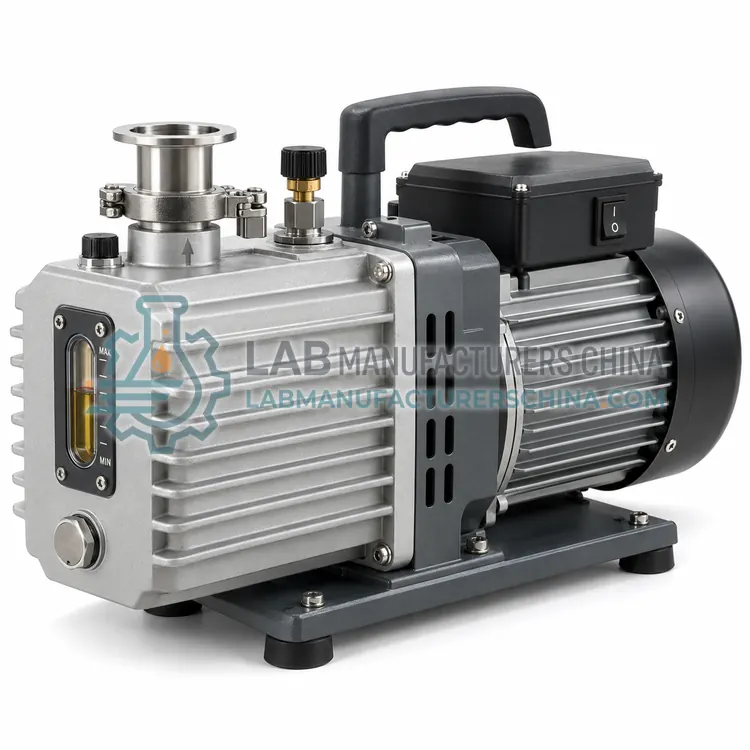 CVAE真空设备Vacuum equipment creates, contains and controls reduced pressure for laboratory and industrial processes. The category covers vacuum pumps, chambers, manifolds, controllers and complete systems used for drying, filtration, degassing, coating, distillation, freeze drying and sample preparation.
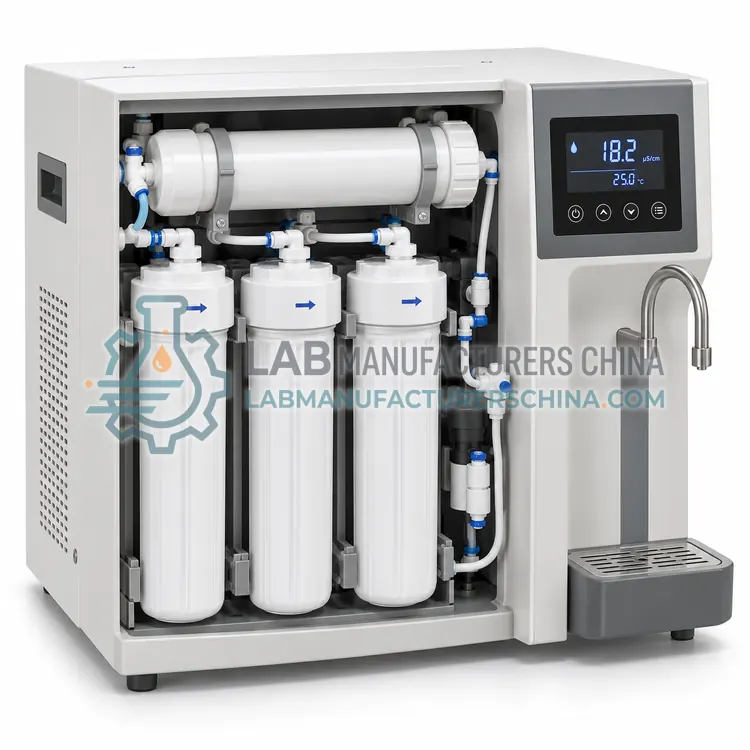 CLWP实验室水纯化设备Laboratory water purification equipment produces water of defined purity from tap or pretreated feed for analytical, biological and industrial use. The category covers reverse osmosis systems, deionizers, ultrapure water systems, distillation units and larger water purification plants.
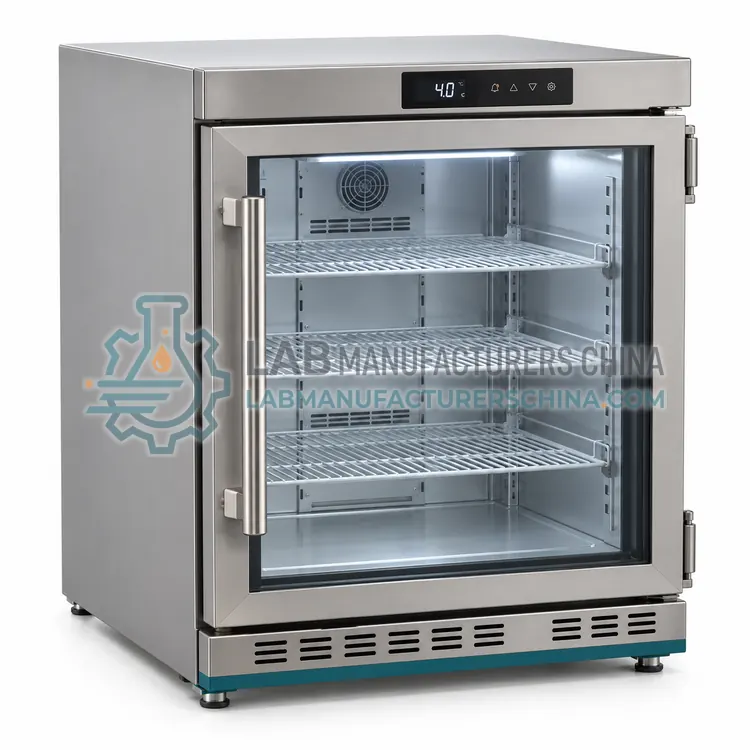 CLAR实验室冷藏箱Laboratory refrigerators are temperature-controlled cabinets that hold medicines, blood products, reagents, samples and chromatography consumables at about 2–8 °C. The category covers pharmacy, blood bank, chromatography and explosion-proof types, used in hospitals, pharmacies, pharmaceutical QC, research and chemical laboratories.
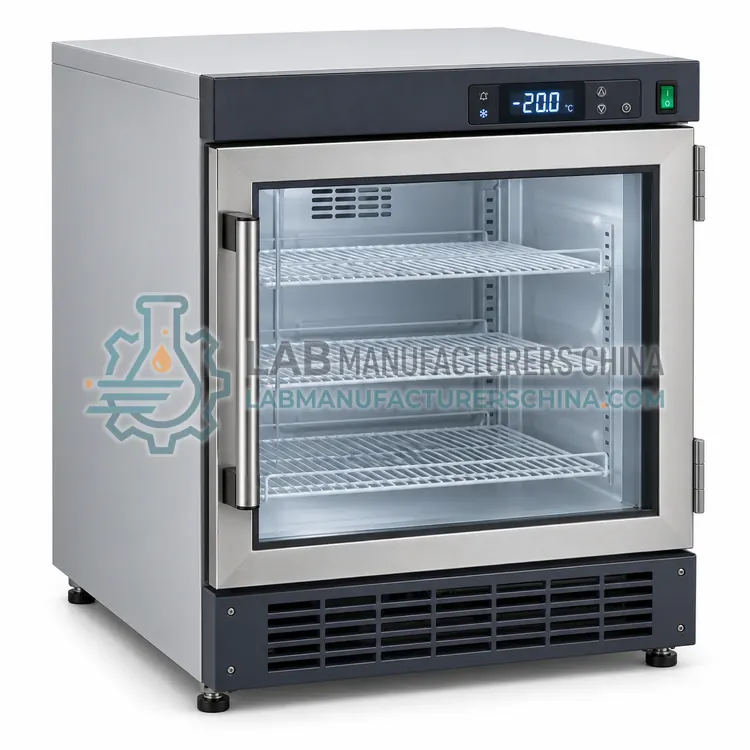 CLFR实验室冷冻箱Laboratory freezers are insulated, refrigerated cabinets that hold biological samples, reagents, plasma, vaccines and chemicals frozen at temperatures from about -20 °C down to -86 °C. The category covers -20 °C, -40 °C, -80 °C, ultra-low upright and chest types, used in hospitals, biobanks, research and pharmaceutical laboratories.