Lab Manufacturers China

Magnetic Stirrers

磁力搅拌器

MAS · Laboratory Stirrers · 5 models

By Lab Manufacturers China Technical TeamLast reviewed Standards: IEC 61010-1, IEC 61010-2-010, IEC 61326-1

Standards referenced

  • IEC 61010-1
  • IEC 61010-2-010
  • IEC 61326-1
  • GB 4793.1
  • ISO 9001

What are Magnetic Stirrers?

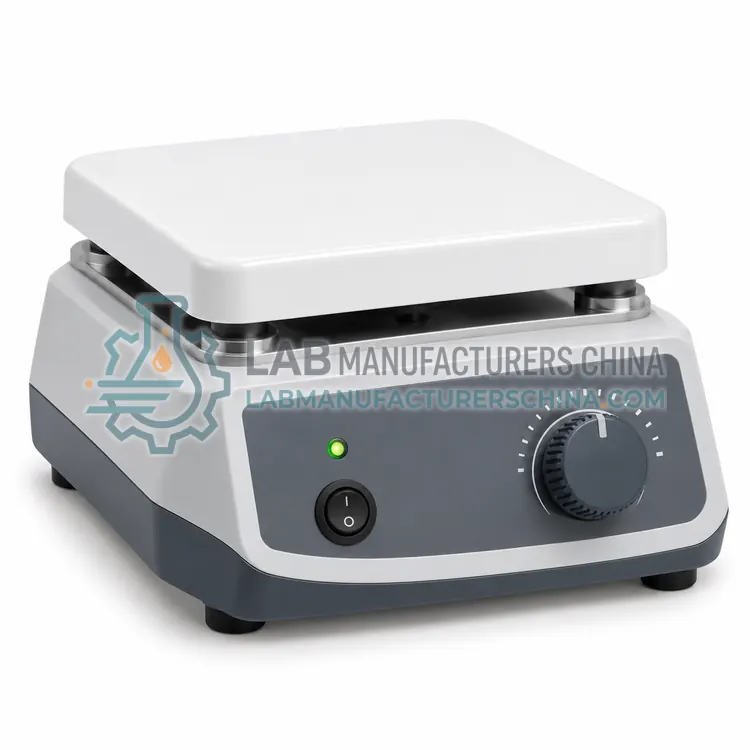
Magnetic stirrers are benchtop instruments that rotate a coated stir bar inside a vessel using a rotating magnetic field beneath the work surface. They mix low-to-medium viscosity liquids without a shaft seal or contamination from moving parts, and are used daily in chemistry, pharmaceutical, biological and environmental laboratories.

5 models of Magnetic Stirrers

The 5 models below are current configurations; specifications are confirmed on quotation.

Analog Magnetic Stirrer

模拟调速磁力搅拌器

  • MAS-0001
  • Magnetic Stirrers
  • CE (to be confirmed)
  • RoHS (to be confirmed)
  • ISO 9001 manufacturing (to be confirmed)
Speed range:
100–2,000 rpm
Max stirring volume (water):
5 L
Speed control:
Analog knob, open loop
Motor type:
DC motor
Work plate size:
135–180 mm diameter
Plate material:
Ceramic-coated aluminum

An analog magnetic stirrer uses a rotary knob to set motor voltage and therefore stirring speed, without digital display or feedback. It is the economical choice for routine mixing of buffers, solutions and low-viscosity samples where exact rpm repeatability is not required.

Request a quote
View details

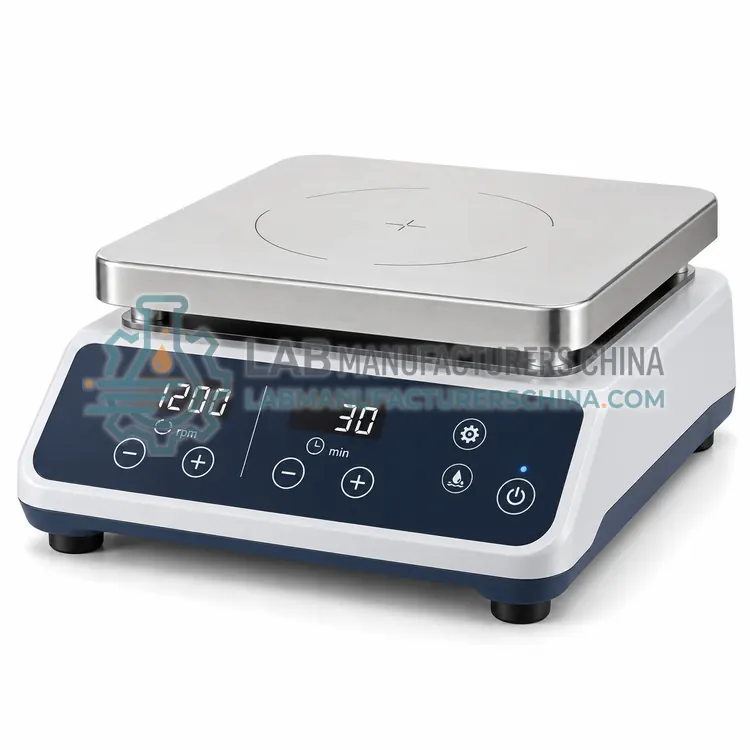
Digital Magnetic Stirrer

数显磁力搅拌器

  • MAS-0002
  • Magnetic Stirrers
  • CE (to be confirmed)
  • RoHS (to be confirmed)
  • ISO 9001 manufacturing (to be confirmed)
Speed range:
50–2,000 rpm
Speed display resolution:
1 rpm
Speed accuracy:
±2 % of set value
Max stirring volume (water):
10–15 L
Timer range:
1 min–99 h
Control type:
Closed-loop, microcontroller

A digital magnetic stirrer displays set and actual rpm and regulates speed in a closed loop, often with a timer and overload detection. It is the right choice when stirring speed is part of a documented method or must be repeated reliably between runs and operators.

Request a quote
View details

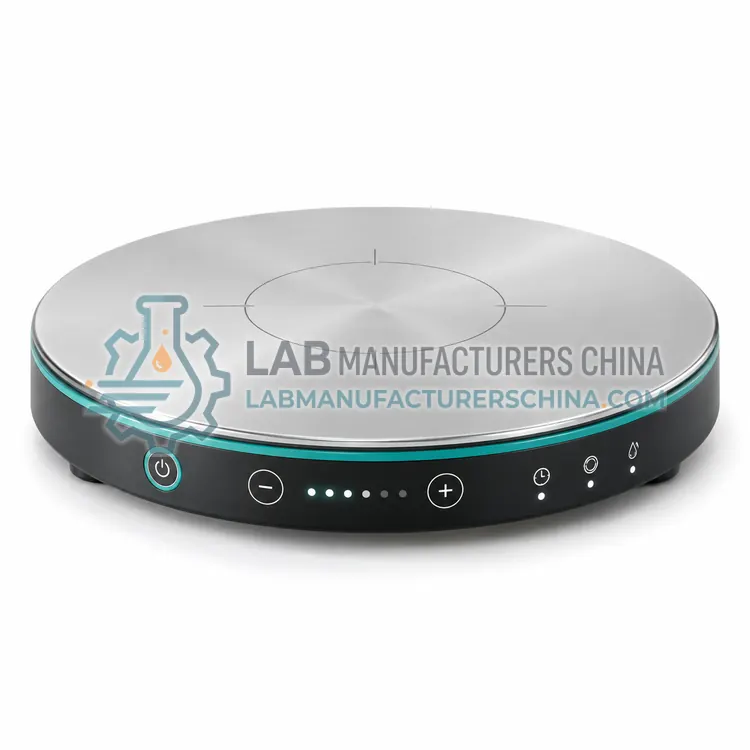
Slim-Profile Magnetic Stirrer

薄型磁力搅拌器

  • MAS-0003
  • Magnetic Stirrers
  • CE (to be confirmed)
  • RoHS (to be confirmed)
  • ISO 9001 manufacturing (to be confirmed)
Speed range:
100–1,500 rpm
Housing height:
15–30 mm
Max stirring volume (water):
1–3 L
Plate diameter:
100–150 mm
Plate material:
Glass-ceramic or chemically resistant polymer
Motor type:
Brushless DC

A slim-profile magnetic stirrer has a very low housing height, typically under 30 mm, so it fits beneath glassware in fume hoods, on microscope stages, in water baths and in other confined spaces where a conventional stirrer would not fit.

Request a quote
View details

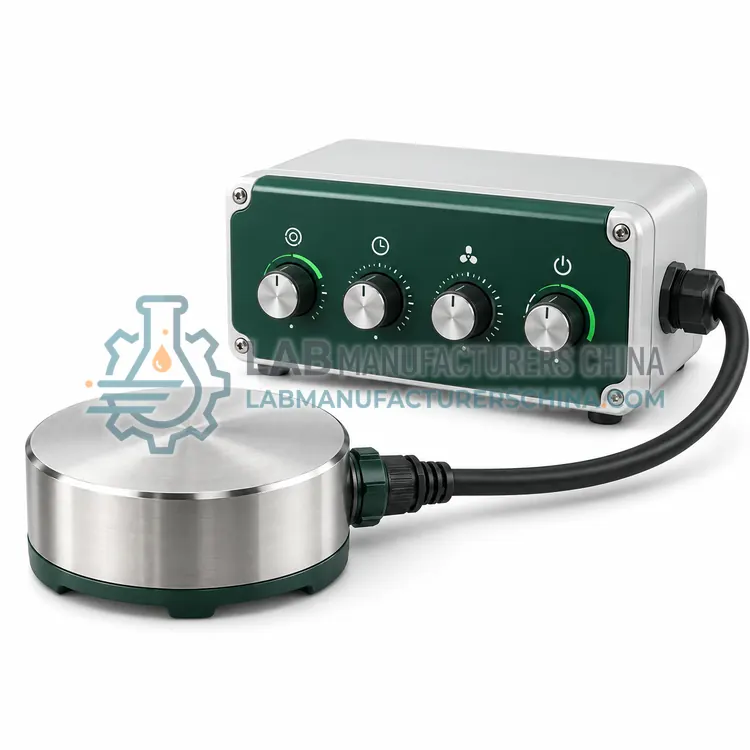
Submersible Magnetic Stirrer

浸入式磁力搅拌器

  • MAS-0004
  • Magnetic Stirrers
  • CE (to be confirmed)
  • RoHS (to be confirmed)
  • ISO 9001 manufacturing (to be confirmed)
Speed range:
15–1,500 rpm
Ingress protection:
IP67
Max stirring volume (water):
2–5 L per position
Number of positions:
1–6
Ambient temperature range:
0–60 °C
Humidity tolerance:
Up to 100 % RH, condensing

A submersible magnetic stirrer is a sealed, waterproof stirring base designed to operate inside incubators, cold rooms, water baths and humid chambers. It is the right choice for continuous gentle stirring of cultures, dissolution baths and samples at controlled temperature.

Request a quote
View details

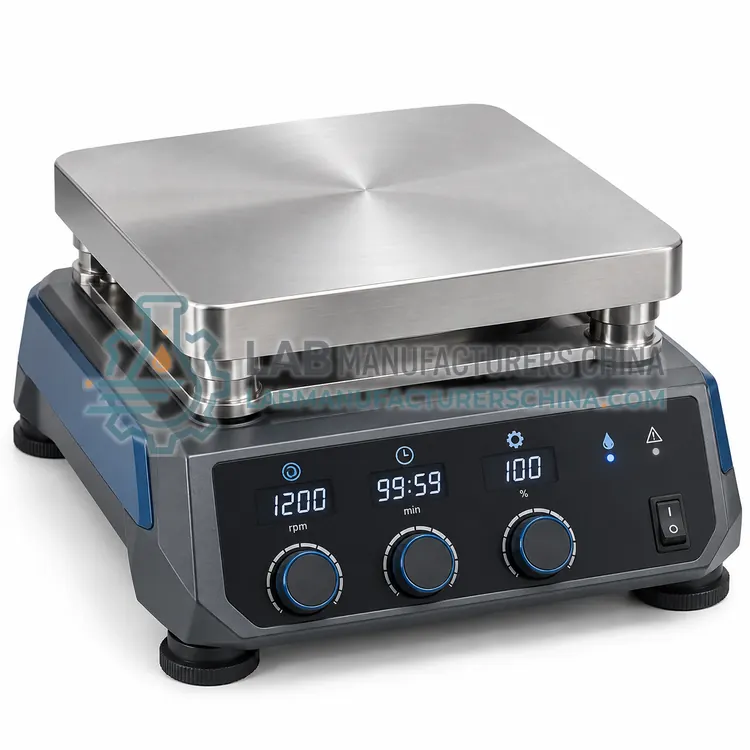
High-Capacity Magnetic Stirrer

大容量磁力搅拌器

  • MAS-0005
  • Magnetic Stirrers
  • CE (to be confirmed)
  • RoHS (to be confirmed)
  • ISO 9001 manufacturing (to be confirmed)
Speed range:
100–1,500 rpm
Max stirring volume (water):
20 L
Work plate diameter:
250–300 mm
Max stir bar length:
100–150 mm
Speed control:
Closed-loop digital
Max load on plate:
25–30 kg

A high-capacity magnetic stirrer uses a larger magnet drive and a bigger work plate to mix up to 20 L of liquid in a single vessel. It is used for preparing buffers, media and reagents in bulk where a standard benchtop stirrer would decouple.

Request a quote
View details

Compare Magnetic Stirrers models

ModelSpeed rangeMax stirring volume (water)Speed controlMotor typePlate material
Analog Magnetic StirrerMAS-0001100–2,000 rpm5 LAnalog knob, open loopDC motorCeramic-coated aluminum
Digital Magnetic StirrerMAS-000250–2,000 rpm10–15 L———
Slim-Profile Magnetic StirrerMAS-0003100–1,500 rpm1–3 L—Brushless DCGlass-ceramic or chemically resistant polymer
Submersible Magnetic StirrerMAS-000415–1,500 rpm2–5 L per position—Brushless DC—
High-Capacity Magnetic StirrerMAS-0005100–1,500 rpm20 LClosed-loop digitalBrushless DCStainless steel 304 or glass-ceramic

Indicative values for this product class. Final specifications are confirmed on the quotation and in the calibration documents supplied with the instrument.

How do Magnetic Stirrers work?

A magnetic stirrer contains a motor-driven permanent magnet, or a set of electromagnets, beneath a flat work surface. As the magnetic field rotates, it couples to a PTFE- or glass-coated stir bar placed in the vessel and pulls the bar into synchronous rotation, which creates a vortex and mixes the liquid. Speed is set by varying motor voltage or by pulse-width modulation, and digital models add a tachometer feedback loop to hold rpm constant. If the load or viscosity is too high, the bar decouples from the field and spins erratically. Bar shape, length and surface finish influence mixing efficiency, and larger bars couple better at high volumes. The work surface may be aluminum, stainless steel or glass-ceramic, chosen for chemical resistance and cleanability.

Which Magnetic Stirrers variants are available?

  • Analog Magnetic Stirrer — An analog magnetic stirrer uses a rotary knob to set motor voltage and therefore stirring speed, without digital display or feedback.
  • Digital Magnetic Stirrer — A digital magnetic stirrer displays set and actual rpm and regulates speed in a closed loop, often with a timer and overload detection.
  • Slim-Profile Magnetic Stirrer — A slim-profile magnetic stirrer has a very low housing height, typically under 30 mm, so it fits beneath glassware in fume hoods, on microscope stages, in water baths and in other confined spaces where a conventional stirrer would not fit.
  • Submersible Magnetic Stirrer — A submersible magnetic stirrer is a sealed, waterproof stirring base designed to operate inside incubators, cold rooms, water baths and humid chambers.
  • High-Capacity Magnetic Stirrer — A high-capacity magnetic stirrer uses a larger magnet drive and a bigger work plate to mix up to 20 L of liquid in a single vessel.

How do I choose the right variant?

Decide first on maximum liquid volume and viscosity, because these set the magnet strength and the largest bar that will stay coupled. Then choose between analog control, which is economical and adequate for routine mixing, and digital control with a rpm display and closed-loop regulation, which is preferred when repeatability matters. A slim profile helps where space is tight or when stirring inside hoods, while a submersible format suits incubators and cold rooms. Check speed range, particularly the low end for gentle mixing of cell cultures, plus the working surface material, IP rating of the housing and ambient temperature limits. For sensitive samples, verify that the motor does not transmit significant heat to the vessel. Specify voltage, plug type and any required explosion-protection features in your RFQ.

Where are Magnetic Stirrers used?

Magnetic Stirrers are specified in buffer and reagent preparation, titration sample mixing, cell culture media preparation, dissolution of solids in solvents and low-viscosity chemical reactions.

Which standards and certifications apply?

Work with Magnetic Stirrers is commonly governed by IEC 61010-1, IEC 61010-2-010, IEC 61326-1, GB 4793.1 and ISO 9001. Instrument certifications such as CE marking are confirmed per configuration and never assumed.

What are the key considerations before purchase?

Place the stirrer on a level, vibration-free surface and keep liquids away from the vents. Start at low speed and increase gradually so the bar does not decouple and strike the vessel wall. Clean PTFE bars and plates after use, and inspect bars for chips or contamination that might carry over between runs. Magnetic fields can affect pacemakers, magnetic media and sensitive electronics, so set safe distances. Periodically verify rpm with a tachometer and record the result in the equipment log. For regulated work, include the unit in the preventive maintenance and qualification program, and check that electrical safety testing complies with IEC 61010-1 and your local requirements.

Frequently asked questions about Magnetic Stirrers

A magnetic stirrer mixes liquids in beakers and flasks by spinning a stir bar with a rotating magnetic field. It is used to dissolve solids, prepare buffers, keep suspensions uniform and mix samples during titration or reactions with low-to-medium viscosity.

Need help specifying Magnetic Stirrers?

Request a quote