How do Electrolyte Analyzers work?
An ion-selective electrode consists of a membrane that responds selectively to one ion, an internal filling solution and a reference electrode. When the sample contacts the membrane, a potential develops across it that follows the Nernst equation, changing by about 59 millivolts for a tenfold change in ion activity at 25 degrees Celsius. The analyzer measures this potential against the reference electrode, corrects for temperature, and calculates concentration from a two-point calibration with standard solutions of known activity. Direct measurement presents undiluted whole blood, plasma, serum or urine to the electrode, which is preferred for whole blood samples and for patients with abnormal protein or lipid content. Indirect measurement dilutes the sample with a reagent before the electrode, which suits diluted samples and automated high-throughput operation. Sodium, potassium, chloride, calcium, lithium and magnesium electrodes differ in membrane composition.
Which Electrolyte Analyzers variants are available?
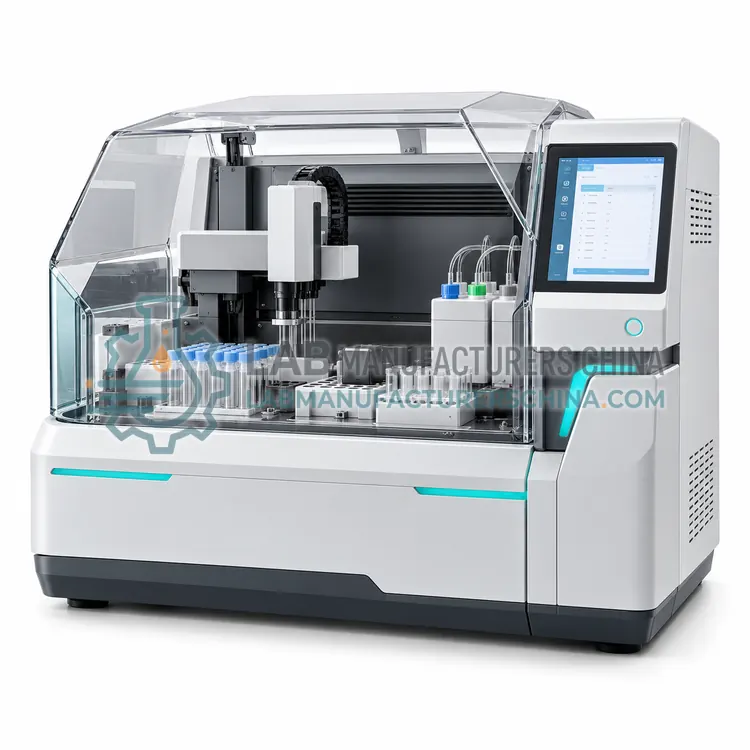
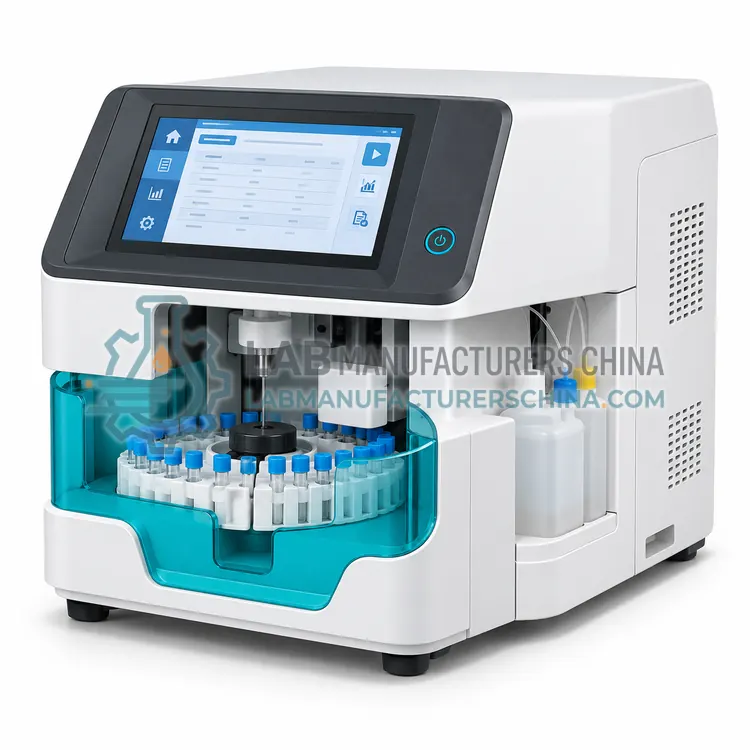
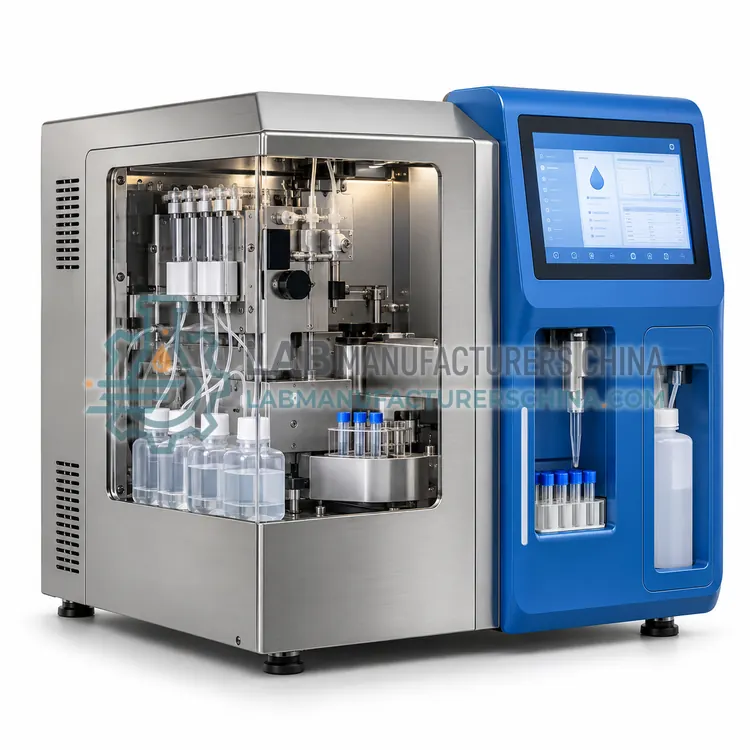
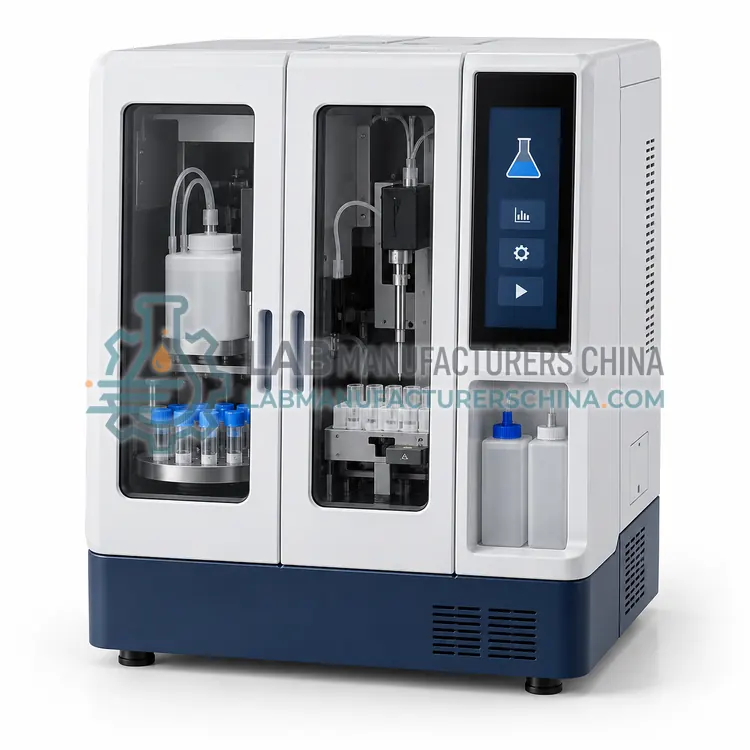
- Ion-Selective Electrode Electrolyte Analyzer — An ion-selective electrode electrolyte analyzer measures sodium, potassium, chloride and sometimes calcium from serum, plasma, whole blood or urine using the Nernstian response of selective membranes.
- Automated Electrolyte Analyzer with Autosampler — This model adds a sample carousel or rack that presents tubes automatically, so one operator can load a batch of electrolyte requests and attend to other work.
- Blood Gas and Electrolyte Analyzer — A blood gas and electrolyte analyzer measures pH, partial pressures of oxygen and carbon dioxide, and electrolytes such as sodium, potassium and ionised calcium from a single whole blood sample.
- Semi-Automatic Single-Sample Electrolyte Analyzer — A semi-automatic electrolyte analyzer measures one manually presented sample at a time with a simple calibration and aspiration sequence.
- Flame Photometer Electrolyte Analyzer — A flame photometer measures sodium and potassium by the intensity of light emitted when a diluted sample is aspirated into a flame.
How do I choose the right variant?
Choose an electrolyte analyzer when the electrolyte request volume justifies a dedicated instrument, typically more than thirty tests per day, or when whole blood electrolytes must be available within minutes. Decide first between direct and indirect measurement, since they give different reference intervals and cannot be combined in one report. Then check whether you need whole blood capability, urine mode, or additional analytes such as ionised calcium, lithium or magnesium. Compare calibration frequency and electrode life, because these drive running cost, and the sample volume, which matters for pediatric and neonatal work. Confirm that the instrument reports temperature-corrected results, that it has a clot detection or blockage alarm, and that results can be transmitted to the laboratory information system.
Where are Electrolyte Analyzers used?
Electrolyte Analyzers are specified in critical care and emergency electrolyte testing, dialysis and renal unit monitoring, surgical and perioperative assessment and routine serum electrolyte panels.
Which standards and certifications apply?
Work with Electrolyte Analyzers is commonly governed by ISO 15189, CLSI EP05, CLSI EP15, CLSI C29, IEC 61010-1 and IEC 61010-2-101. Instrument certifications such as CE marking are confirmed per configuration and never assumed.
What are the key considerations before purchase?
Install the analyzer on a level bench away from direct sunlight and heat sources, with a grounded power supply and enough space for reagent and waste containers. Verify performance at installation with aqueous standards and with split serum samples compared against another method, and check the slope of each electrode, which should fall within the expected Nernstian range. Daily tasks include calibration with the supplied standards, measurement of normal and abnormal control material, and inspection of the sample path for air bubbles, clots or protein deposits. Electrodes and tubing are replaced when slope, response time or precision deteriorates. Treat all blood samples as infectious, dispose of waste according to local rules, and record every maintenance action for accreditation.