
Clinical & Diagnostics Laboratory Solutions
临床与诊断
By Lab Manufacturers China Technical TeamLast reviewed
What laboratory equipment does Clinical & Diagnostics need?
Clinical and diagnostic laboratories test blood, urine and tissue to support patient care. Typical equipment includes hematology, chemistry, immunoassay, coagulation and urine analyzers, blood bank refrigerators and freezers, centrifuges, pathology and histology instruments, microscopes and biosafety cabinets, with regulatory status for diagnostic use to be confirmed per model and country.
What do clinical laboratories do?
Clinical laboratories analyze patient samples to support diagnosis, treatment monitoring and screening. Departments typically include hematology, clinical chemistry, immunology, coagulation, urinalysis, microbiology, blood bank and anatomical pathology.
Results must be accurate, timely and traceable to a patient and a sample. Laboratories therefore run internal quality control daily, take part in external quality assessment and follow accreditation standards such as ISO 15189.
Procurement for hospitals and private laboratories is often made through tenders, with technical evaluation against a written specification. Provide model datasheets, performance claims and documentation of regulatory status in the format the tender requires.
Which analyzers form a core laboratory?
A core laboratory generally combines:
- Hematology analyzers for complete blood count and differential
- Clinical chemistry analyzers for glucose, lipids, enzymes, electrolytes and renal markers
- Immunoassay analyzers for hormones, tumor markers and infectious disease
- Coagulation analyzers for PT, aPTT and fibrinogen
- Urinalysis analyzers for chemistry and sediment
Throughput per hour, test menu and reagent format decide between compact benchtop and high-volume floor-standing models.
Acceptance testing after installation should include precision checks, comparison with the existing method where available, and confirmation of LIS communication, before the analyzer reports patient results.
Blood bank and cold chain equipment
Blood bank refrigerators keep red cells at 2–6 °C, plasma freezers hold plasma at or below minus 30 °C, and platelet incubators maintain 20–24 °C with agitation. Plasma thawers and blood bag centrifuges support preparation of components.
Temperature uniformity, continuous recording, alarms and backup power are central to safe storage. Units are often assessed against standards such as AABB guidance and, for refrigerators, relevant national device requirements.
Alarm response procedures should be written and rehearsed, so that staff know exactly where to move stock if a unit fails.
Pathology, histology and cytology
Tissue laboratories prepare slides for diagnosis in a sequence: fixation, tissue processing, paraffin embedding, microtomy, staining and coverslipping. Equipment includes tissue processors, embedding stations, rotary microtomes, cryostats, slide stainers and drying ovens, followed by light microscopy.
Cytology uses cytocentrifuges and liquid-based preparation systems. Workflow design, ventilation for xylene and formalin, and ergonomics are important planning topics for these areas.
Regulatory status and RFQ preparation
Diagnostic analyzers are regulated as medical devices in most markets. Status such as CE IVDR marking, NMPA registration or FDA clearance must be confirmed for each model and country, and is shown as {Certification — to be confirmed} until documents are supplied.
For an RFQ, state:
- Country, laboratory type and sample volume
- Test menu and reagent preference
- LIS interface requirements
- Utilities, water quality and waste handling
- Service, training and spare parts expectations
Quality control, calibration and traceability
Clinical results are only trustworthy when the analyzer is calibrated and its performance is checked regularly. Laboratories run control materials at defined levels each day or shift, apply rules such as Westgard multirules, and participate in external quality assessment schemes. Method verification or validation, with precision, accuracy and reportable range, is carried out before patient reporting, following guidance such as CLSI EP15 and EP05.
Choose analyzers that store calibration and QC data, flag rule violations and keep audit trails of reagent lots and operator actions. Pipettes, centrifuges, thermometers and timers also need calibration and records.
Plan for maintenance as well. Daily, weekly and monthly procedures such as probe cleaning, lamp replacement and filter changes keep performance stable. Clear maintenance logs and accessible spare parts limit downtime, which matters because clinical services cannot easily pause.
Infection control, safety and workflow
Clinical samples may contain bloodborne pathogens, so procedures follow universal precautions and local biosafety rules. Class II biosafety cabinets, sealed centrifuge rotors and buckets, closed-tube sampling and validated disinfection protocols reduce exposure. Waste streams for sharps, biological waste and liquid analyzer waste need clear handling procedures.
Layout supports safety and speed. A typical flow moves from sample reception and accessioning to centrifugation, analysis, storage and disposal, with minimal backtracking. Barcode labeling and LIS integration reduce transcription errors.
Plan utilities such as purified water for chemistry analyzers, uninterrupted power for critical equipment and ventilation for histology areas using xylene and formalin. Discuss these requirements with the supplier before delivery so that installation proceeds smoothly.
Equipment for Clinical & Diagnostics
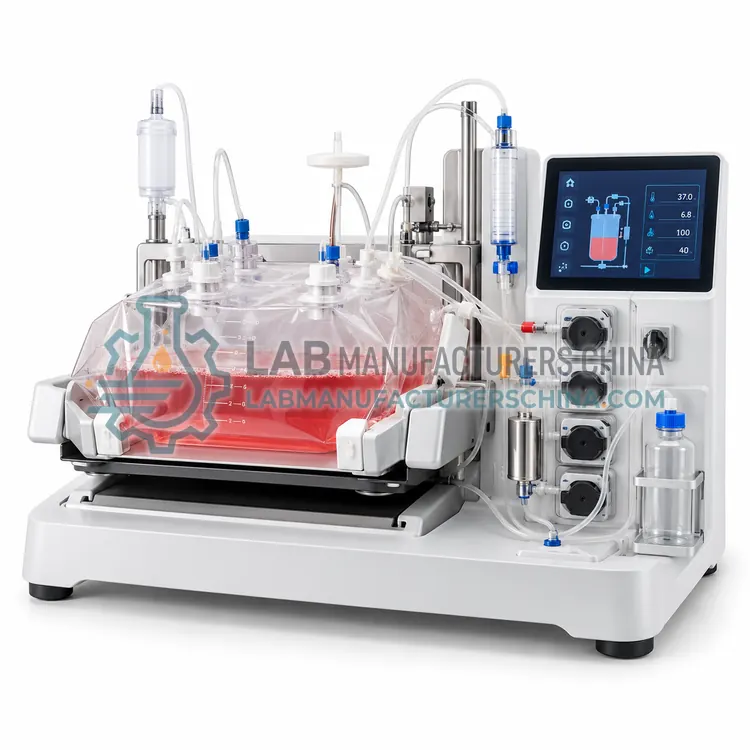 CCLE5 product types临床实验室设备Clinical laboratory equipment covers the instruments that test patient specimens such as blood, urine and body fluids to support diagnosis and monitoring. It includes clinical analyzers, sample processing devices, centrifuges, microscopes and laboratory automation used in hospital, reference and clinic laboratories.
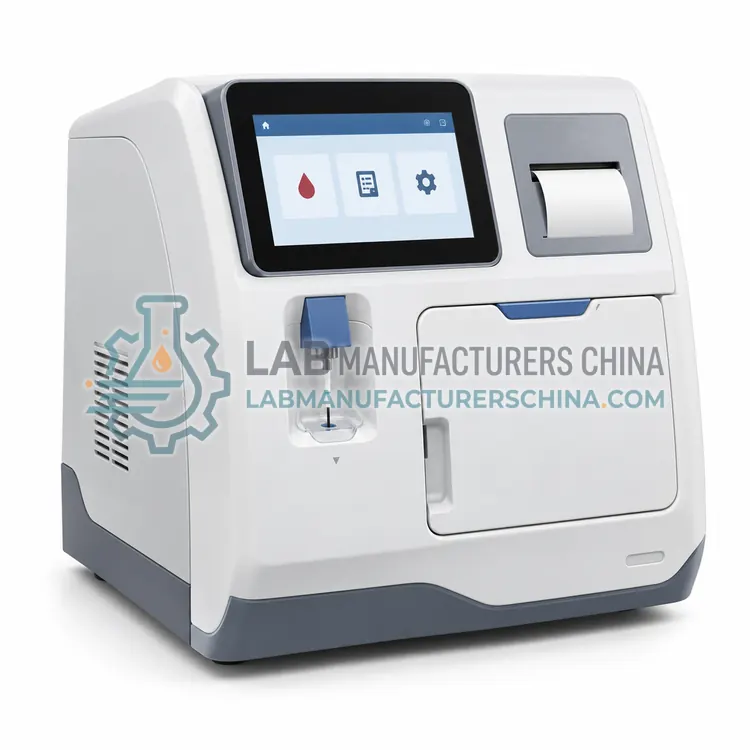 CDLE5 product types诊断实验室设备Diagnostic laboratory equipment covers instruments used to detect disease markers, pathogens and genetic targets in patient specimens. It includes diagnostic analyzers, immunodiagnostic and molecular diagnostic systems, point-of-care devices and sample preparation equipment used in hospitals, reference laboratories, clinics and public health settings.
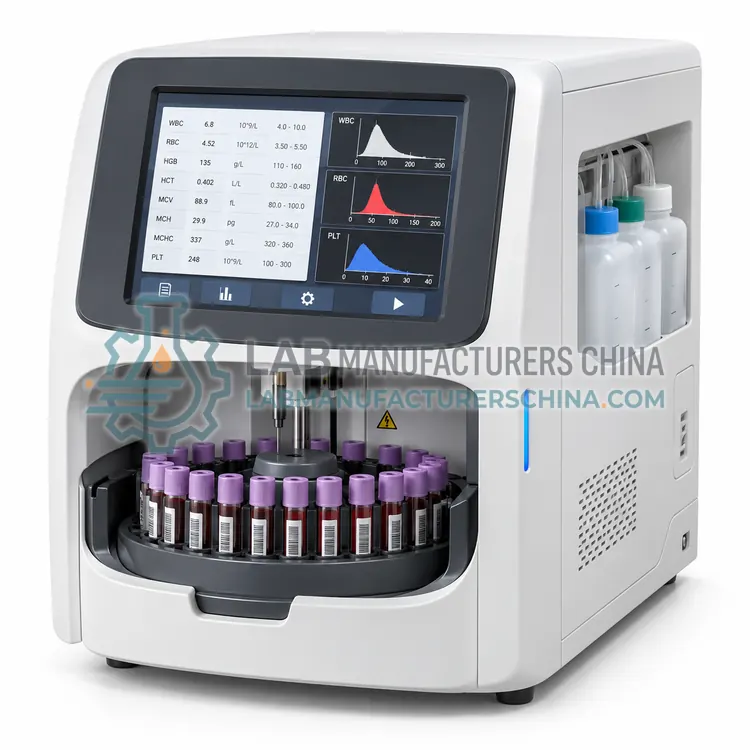 CHEA4 product types血液分析仪Hematology analyzers are instruments that count and characterize blood cells in whole blood or body fluids. They measure red cells, white cells, platelets and hemoglobin by impedance, light scatter or fluorescence, and are used by hospital laboratories, clinics and blood centers for complete blood counts and cell differentials.
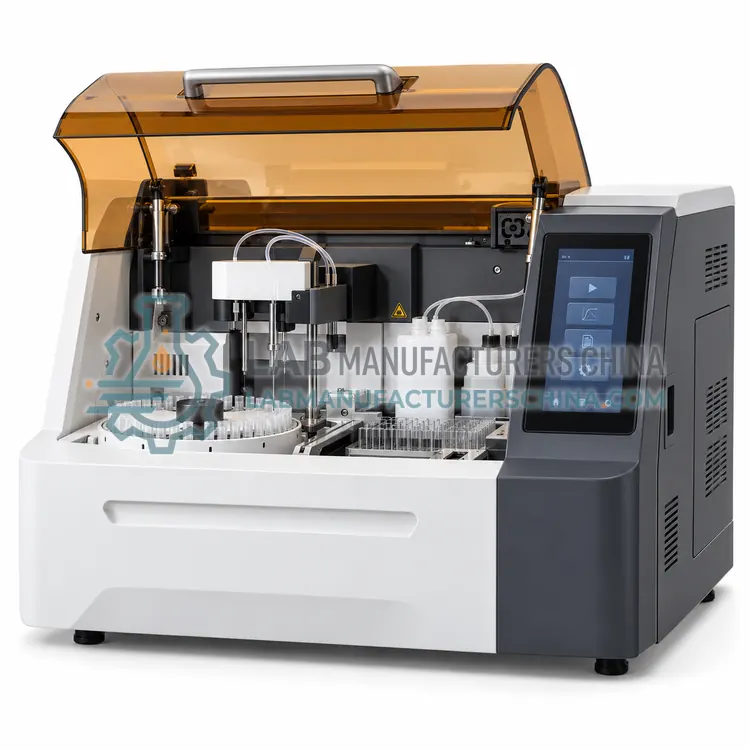 CCCA4 product types临床生化分析仪Clinical chemistry analyzers measure metabolites, enzymes, electrolytes and proteins in serum, plasma, urine and other body fluids. They use photometry, ion-selective electrodes and turbidimetry, and serve hospital laboratories, clinics and reference laboratories running biochemical panels and therapeutic drug monitoring.
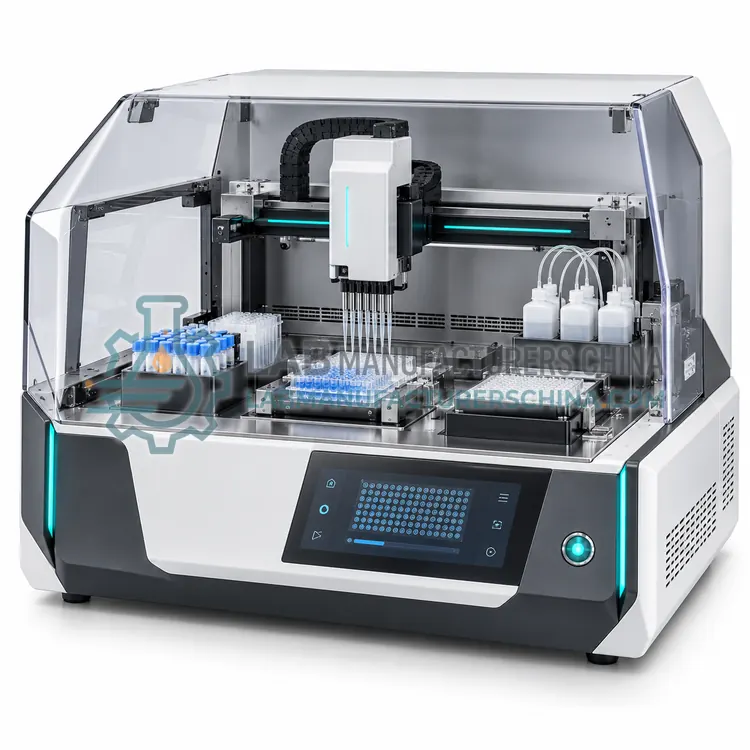 CIMA4 product types免疫分析仪Immunoassay analyzers detect antigens, antibodies and haptens in patient samples using specific antibody binding, with labels that produce color, fluorescence, luminescence or scattered light. They serve hospital and reference laboratories for infectious disease, hormone, cardiac, tumour and therapeutic drug testing.
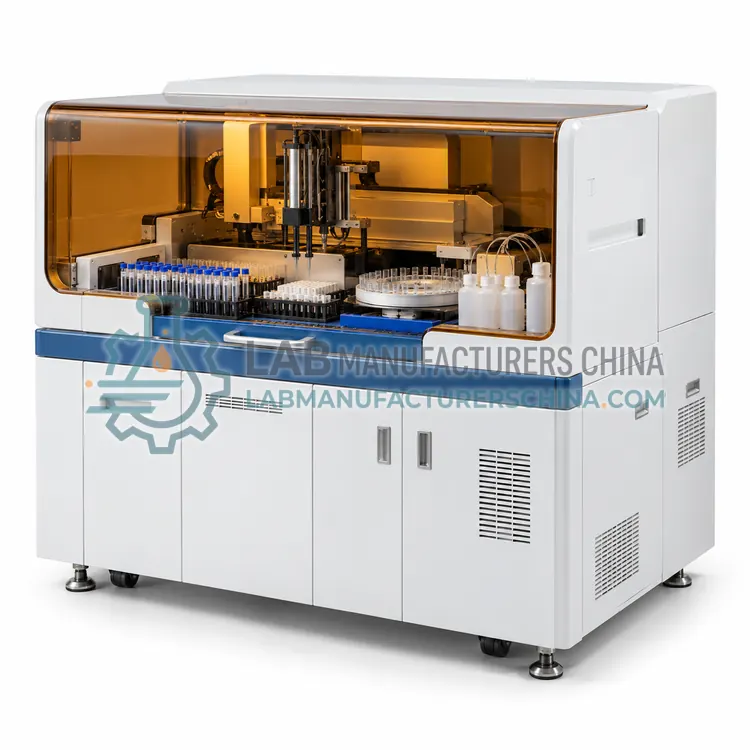 CCOA3 product types凝血分析仪Coagulation analyzers measure blood clotting function using clot detection, chromogenic or immunoturbidimetric methods. They report PT, APTT, fibrinogen, D-dimer and antithrombin, and support anticoagulation monitoring, bleeding disorder investigation and pre-surgical assessment in hospital laboratories and clinics.
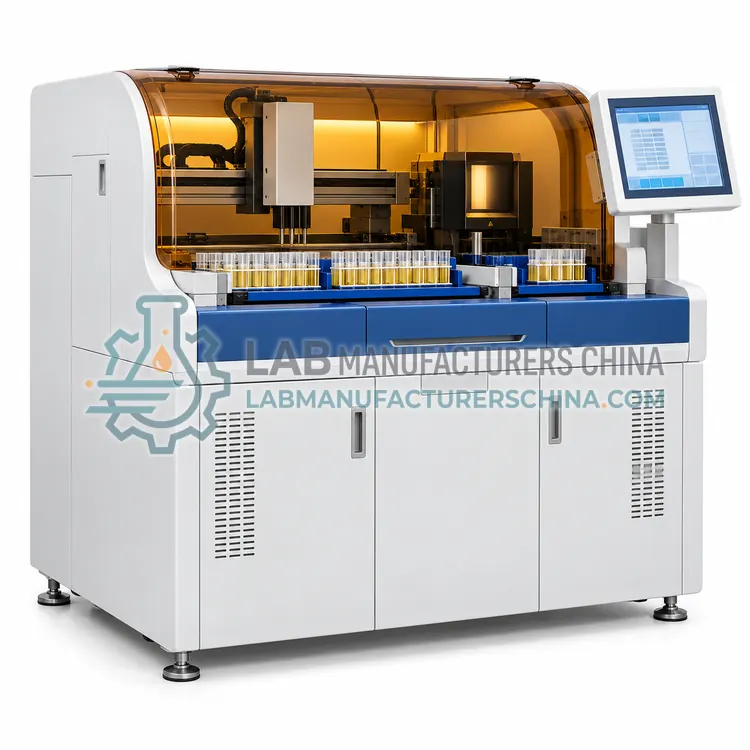 CURA3 product types尿液分析仪Urinalysis analyzers measure chemical and microscopic properties of urine to screen for renal, urinary tract and metabolic disease. They read reagent strips photometrically or classify particles by flow cytometry or imaging, and are used in hospital laboratories, clinics and screening programmes.
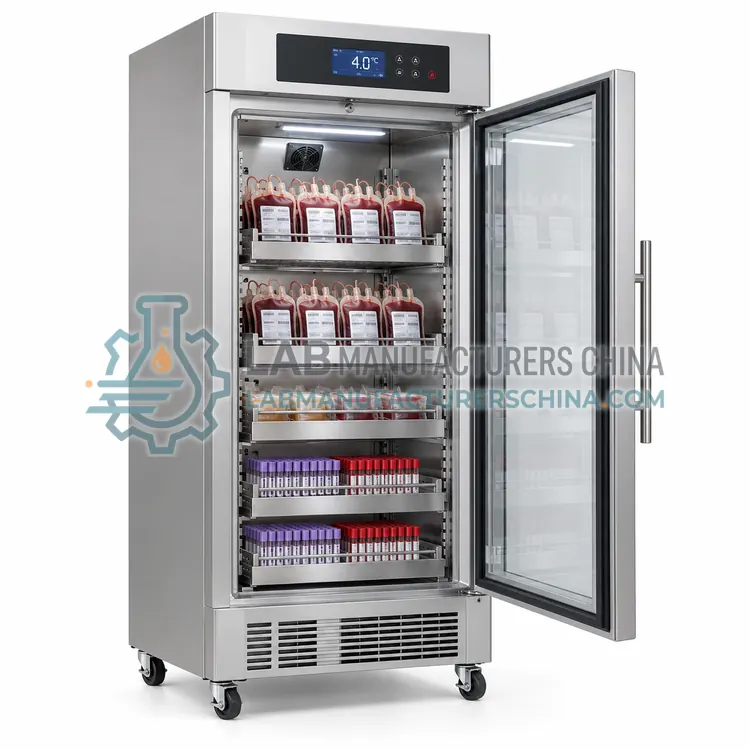 CBBE5 product types血库设备Blood bank equipment covers the refrigerators, plasma freezers, collection monitors, tube sealers and plasma thawers used to collect, process, store and issue blood components. It supports blood centers, hospital transfusion services and plasma facilities that must hold defined temperatures and keep traceable records.
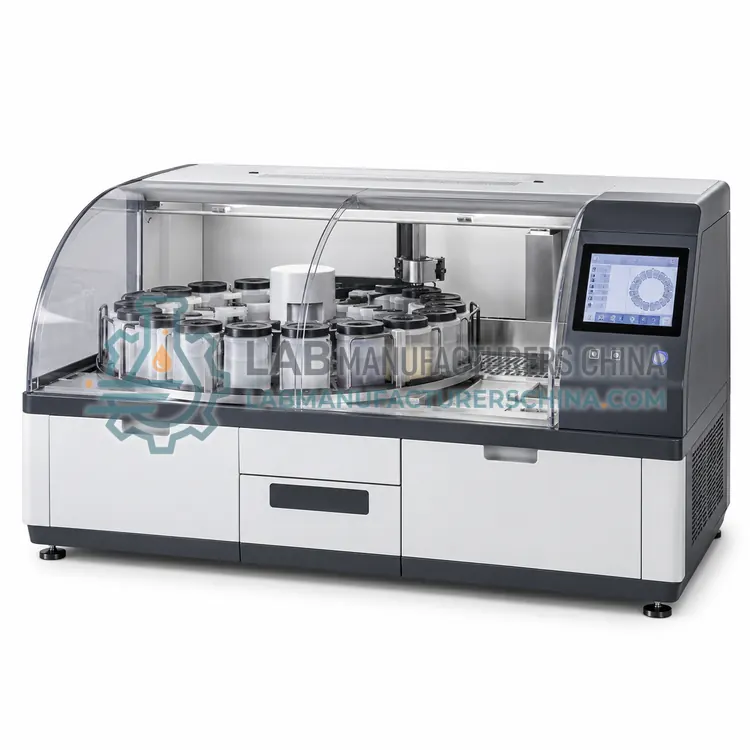 CPEQ5 product types病理设备Pathology equipment covers the instruments that turn surgical and biopsy specimens into stained, diagnosable slides. It includes grossing stations, tissue processors, embedding stations, microtomes and slide stainers, used in hospital pathology departments, reference laboratories, veterinary and research histology services.
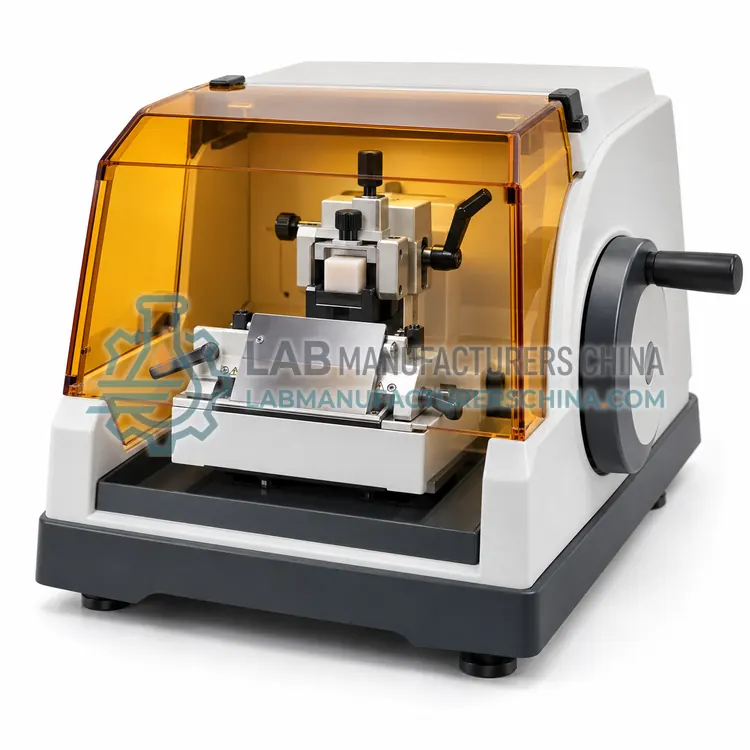 CHIE5 product types组织学设备Histology equipment covers the instruments used to embed, section, float, dry and stain tissue samples for microscopic examination. It serves hospital pathology laboratories, research histology facilities and contract research organizations that turn biopsy and necropsy specimens into stained slides for diagnosis and study.
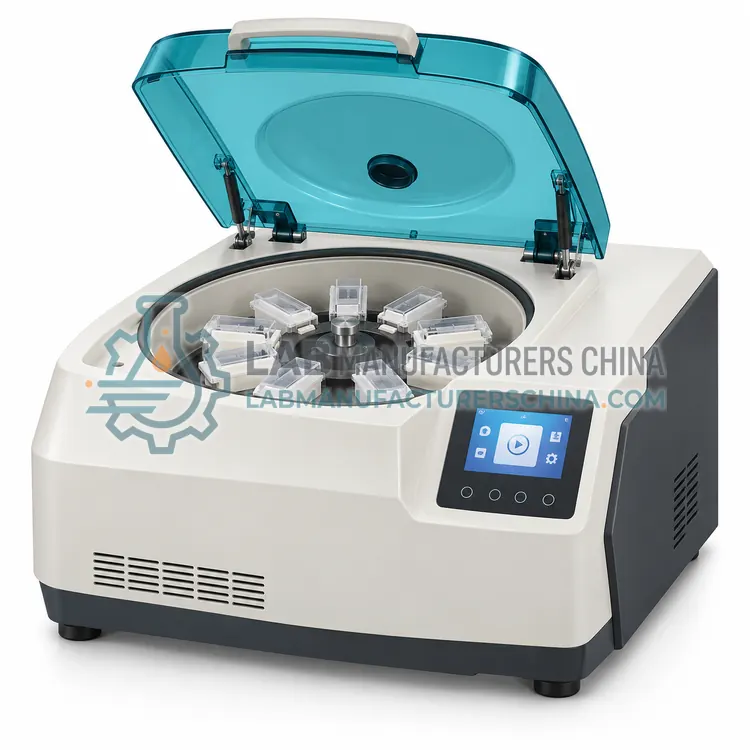 CCYE4 product types细胞学设备Cytology equipment covers the instruments that concentrate, prepare and stain individual cells for microscopic examination rather than intact tissue. It serves hospital cytology laboratories, cervical screening programmes and research facilities that examine exfoliated cells, body fluids and fine-needle aspirates.
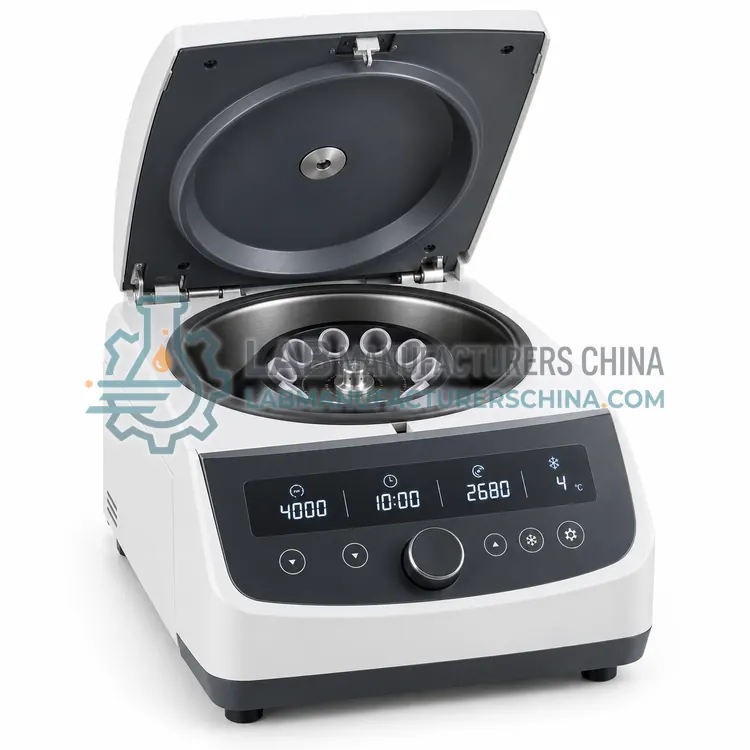 CLAC5 product types实验室离心机Laboratory centrifuges separate particles, cells and macromolecules from liquid samples by applying centrifugal force in a rotating rotor. The category spans benchtop, high-speed, refrigerated, micro and ultra-speed units used in clinical, pharmaceutical, biotechnology, chemical and academic laboratories for sample preparation and purification.
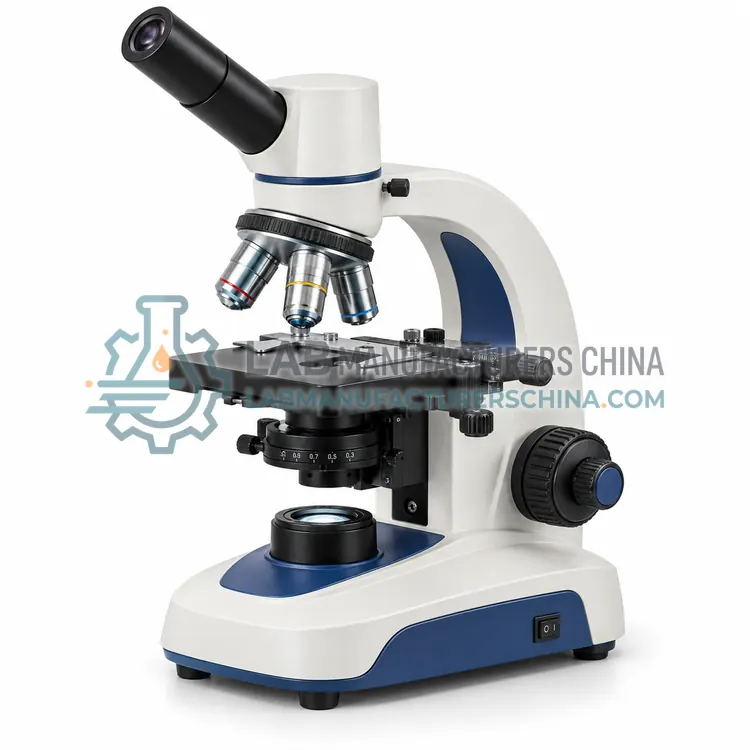 CLAM6 product types实验室显微镜Laboratory microscopes magnify and resolve fine detail of specimens using transmitted, reflected or fluorescence light. The category covers biological, fluorescence, inverted, metallurgical, polarizing and digital microscopes used in life science, materials, clinical and industrial inspection.
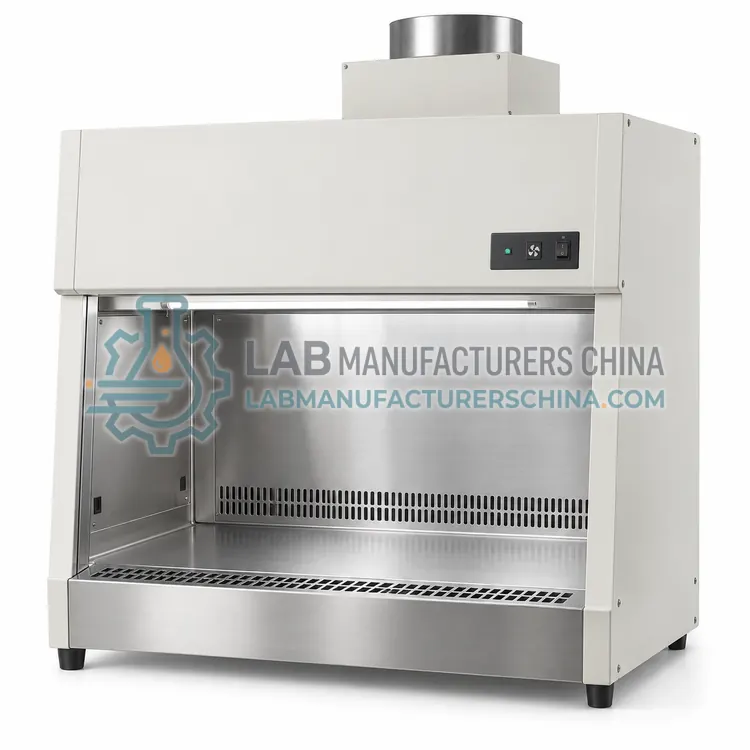 CBIC4 product types生物安全柜Biosafety cabinets are ventilated enclosures that use HEPA filtration and controlled airflow to protect operators, the environment and often the work from biological aerosols. Class I, II and III designs and cytotoxic cabinets cover different containment levels.
Reference project
A case study for this industry will be added once a suitable project is available.
Frequently asked questions about Clinical & Diagnostics
A general clinical laboratory needs hematology, chemistry, immunoassay, coagulation and urine analyzers, centrifuges, microscopes, refrigerators and freezers, and a biosafety cabinet. Blood banks and pathology departments add their own specialized equipment. The list depends on the test menu and workload.
Approval varies by model and destination country. Status such as CE IVDR, NMPA or FDA must be confirmed for each product and is listed as to be confirmed until supporting documents are provided. Ask for the current status for your market in the RFQ.
ISO 15189 specifies quality and competence requirements for medical laboratories, and CLSI publishes guidelines for method verification, quality control and specimen handling. Electrical safety of laboratory equipment is typically assessed against IEC 61010-1, and in vitro diagnostic devices also follow IEC 61010-2-101.
Storage units should have continuous temperature recording, audible and visual alarms, and preferably remote alerts and backup power. Sensors should be calibrated and the records retained under your quality system. Requirements come from accreditation bodies and national rules, so confirm them before selecting a model.