How do Brightness Testing work?
A brightness or reflectance instrument illuminates the specimen diffusely and measures the light reflected at right angles, using a defined geometry, illuminant and observer so that results are reproducible between laboratories. ISO brightness is the diffuse blue reflectance factor measured with an effective wavelength of 457 nm under illuminant C, and it is highly sensitive to fluorescent whitening agents. Whiteness is a single number derived from the full colour coordinates under illuminant D65 or C, while yellowness, tint and shade are obtained from the same measurement. Opacity is the ratio of reflectance of a stack-backed specimen to that of an infinite stack, and can be determined by diffuse reflectance or by the contrast ratio of luminous reflectance. Gloss is measured separately at a fixed angle of incidence, because it depends on surface finish rather than on bulk optical properties.
Which Brightness Testing variants are available?
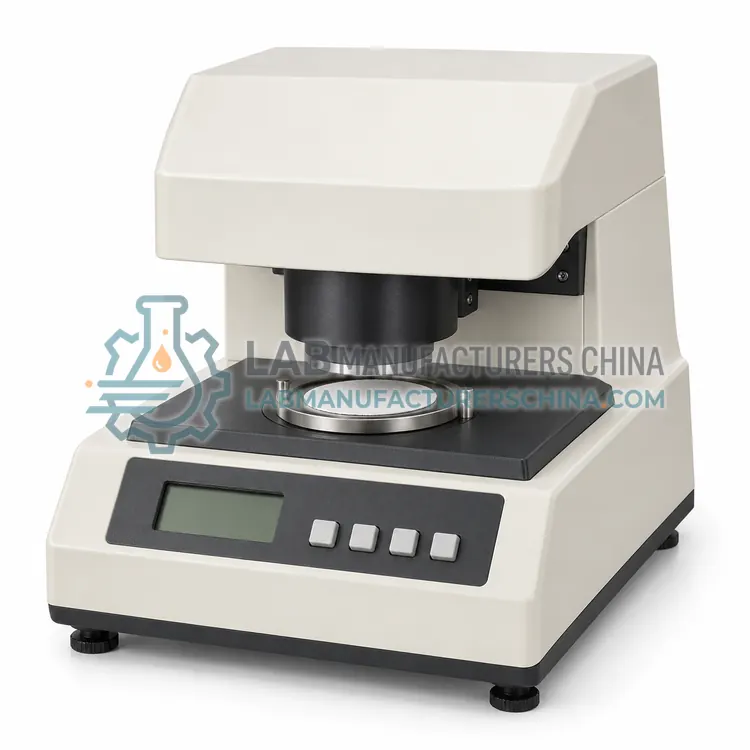
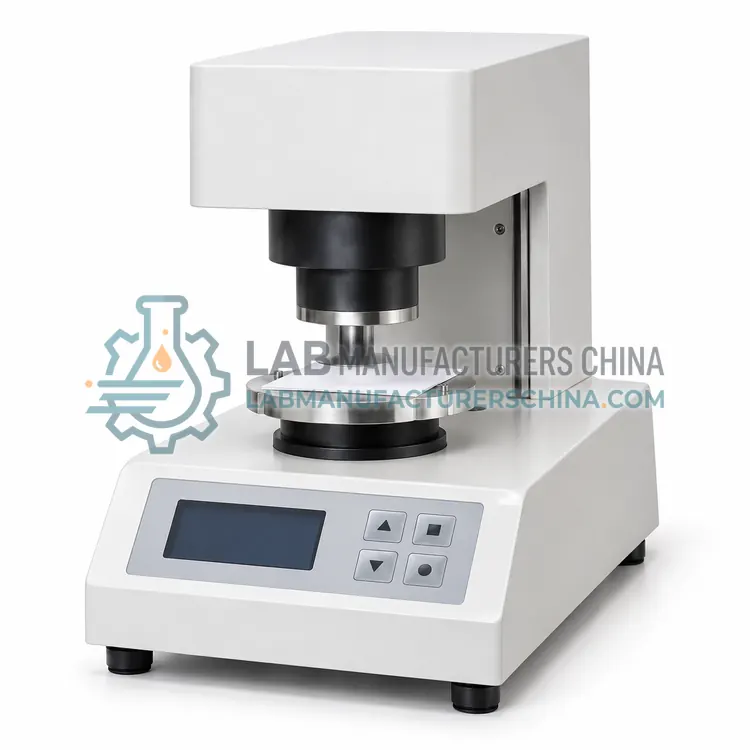
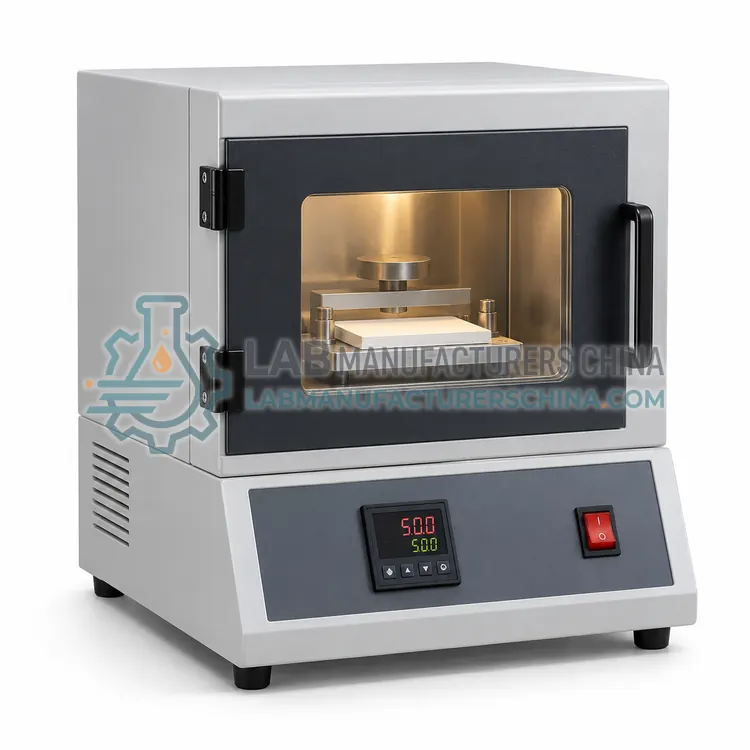
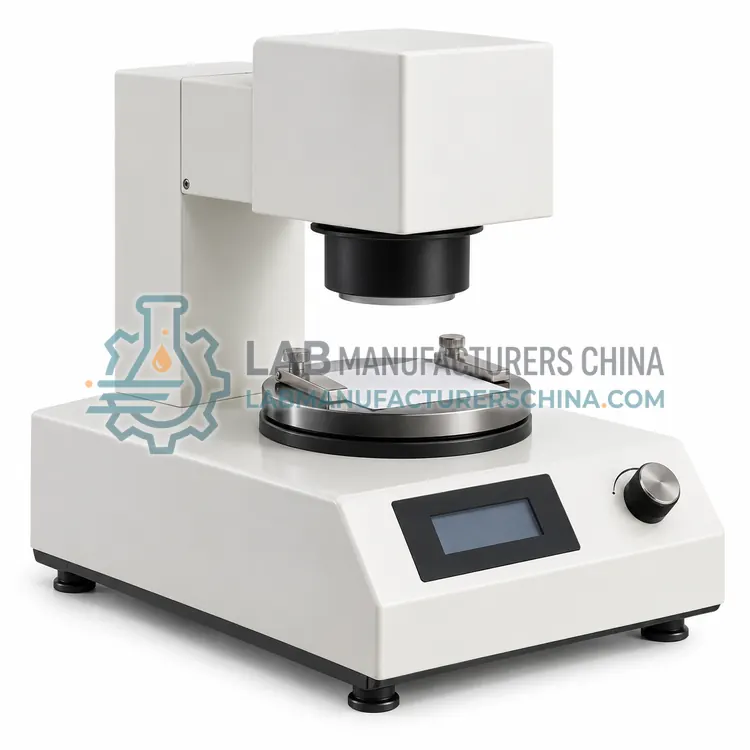
- ISO Brightness Tester for Paper — An ISO brightness tester measures the diffuse blue reflectance factor at 457 nm under illuminant C using a defined geometry.
- Whiteness Tester for Paper — A whiteness tester derives the CIE whiteness index and tint from the colour coordinates of a paper specimen under illuminant D65 or C.
- Opacity Tester for Paper — An opacity tester measures how much light a paper transmits by comparing its reflectance over a black backing with that over a white backing.
- Spectrophotometer for Paper Color Measurement — A spectrophotometer measures paper colour across the visible spectrum and converts the data into CIE colour coordinates, whiteness and yellowness under standard illuminants.
- Gloss Meter for Paper and Board — A gloss meter measures specular reflection from a paper or board surface at a fixed angle of incidence and compares it with a certified standard.
How do I choose the right variant?
Match the instrument to the parameter named in the product standard. ISO brightness requires a 457 nm effective wavelength with the specified geometry, while D65 whiteness, colour and yellowness require a spectrophotometer covering the visible range under standard illuminants and observers. Opacity is measured with either a dedicated contrast ratio instrument or a spectrophotometer able to compute it from reflectance data. Gloss needs a dedicated meter with the correct incidence angle for the paper grade. Where the laboratory also verifies print appearance or matches shades, a benchtop spectrophotometer with both measurement geometries and a full set of illuminant and observer combinations is more useful than a single purpose meter, even though it costs more.
Where are Brightness Testing used?
Brightness Testing are specified in brightness verification of printing and writing papers, whiteness and shade control for coated papers, opacity checks for lightweight printing grades, gloss measurement of coated board and packaging, fluorescent whitening agent effect assessment and incoming inspection of pulp and recovered paper brightness.
Which standards and certifications apply?
Work with Brightness Testing is commonly governed by ISO 2470-1, ISO 2470-2, ISO 2471, ISO 11475, ISO 11476, ISO 5631-1, TAPPI T452, TAPPI T525 and IEC 61010-1. Instrument certifications such as CE marking are confirmed per configuration and never assumed.
What are the key considerations before purchase?
Keep the instrument calibrated with certified standards traceable to a national laboratory, and check the white standard and black trap at the start of each measurement series. Stack at least the number of sheets the method requires behind the specimen to ensure an opaque backing, because too few sheets allow the backing plate to influence the reading. Condition specimens to the standard atmosphere and protect them from light and heat, since fluorescent whitening agents bleach and papers yellow on exposure. Clean the measuring aperture and the standard regularly, avoid touching the measurement area of the specimen with fingers, and record the geometry, illuminant and observer with every result.