Lab Manufacturers China

Transformer Oil Testing

变压器油检测设备

TOT · Oil Testing Equipment · 5 models

By Lab Manufacturers China Technical TeamLast reviewed Standards: IEC 60156, ASTM D1816, ASTM D877

Standards referenced

  • IEC 60156
  • ASTM D1816
  • ASTM D877
  • IEC 60599
  • ASTM D3612
  • IEC 60814
  • IEC 60247
  • ASTM D971
  • GB/T 507

What are Transformer Oil Testing?

Transformer oil testing equipment evaluates the dielectric and chemical condition of insulating oil in transformers, reactors and switchgear. It measures breakdown voltage, dissolved gases, moisture, dissipation factor and interfacial tension. Utilities, manufacturers and test laboratories use it to schedule maintenance and detect incipient electrical or thermal faults.

5 models of Transformer Oil Testing

The 5 models below are current configurations; specifications are confirmed on quotation.

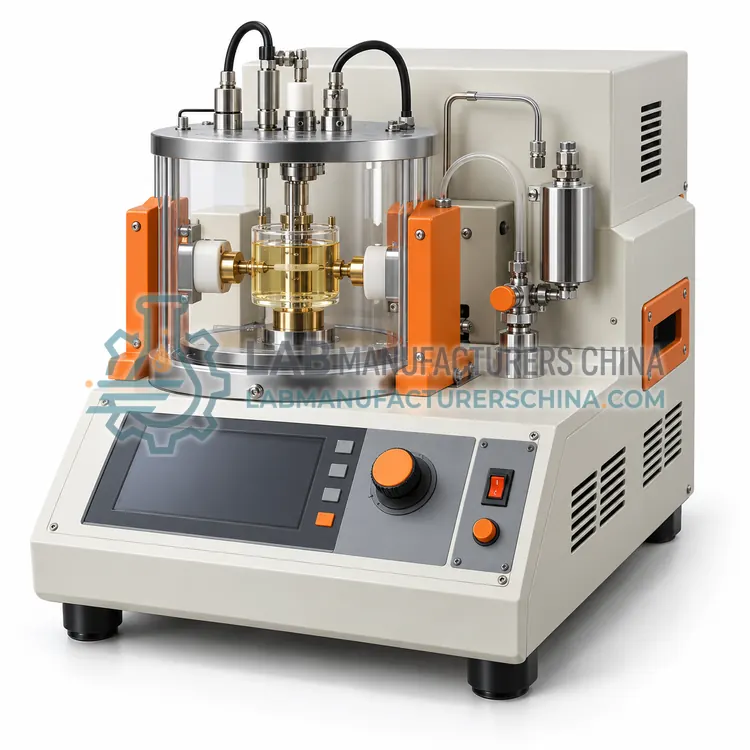
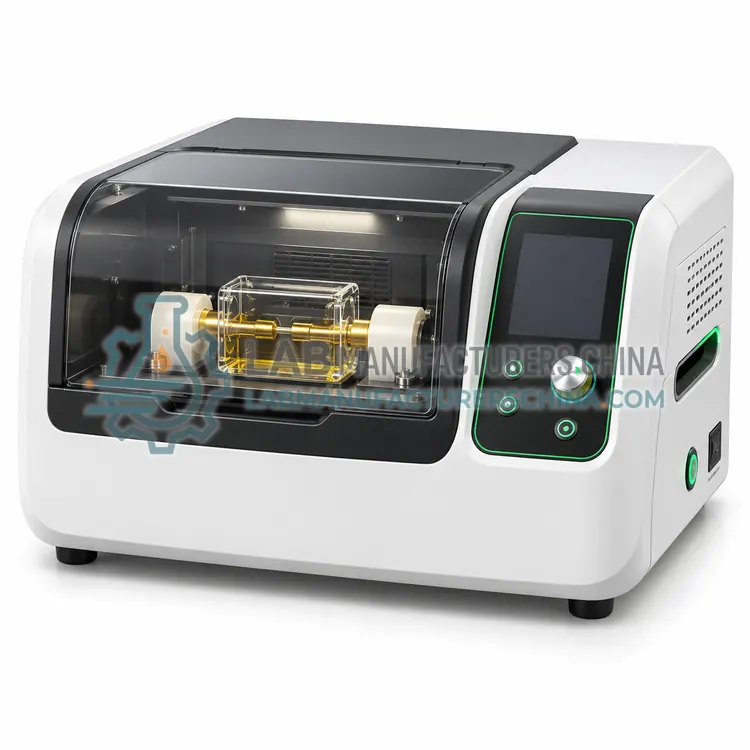
Automatic Oil Dielectric Breakdown Voltage Tester

绝缘油自动击穿电压测试仪

  • TOT-0001
  • Transformer Oil Testing
  • CE (to be confirmed)
  • ISO 9001 manufacturing (to be confirmed)
Test voltage range:
0–80 kV or 0–100 kV AC
Voltage accuracy:
± 1 %
Rate of rise:
0.5–5 kV/s (2.0 kV/s default)
Electrode gap:
2.5 mm (adjustable 1–5 mm)
Cell volume:
≈ 350–500 mL
Number of tests per sample:
1–9 (programmable)

An automatic oil breakdown voltage tester raises AC voltage at a controlled rate across standard electrodes in a stirred oil cell until discharge occurs, then repeats and averages the result. It is used for routine screening and acceptance testing of transformer oil.

Request a quote
View details

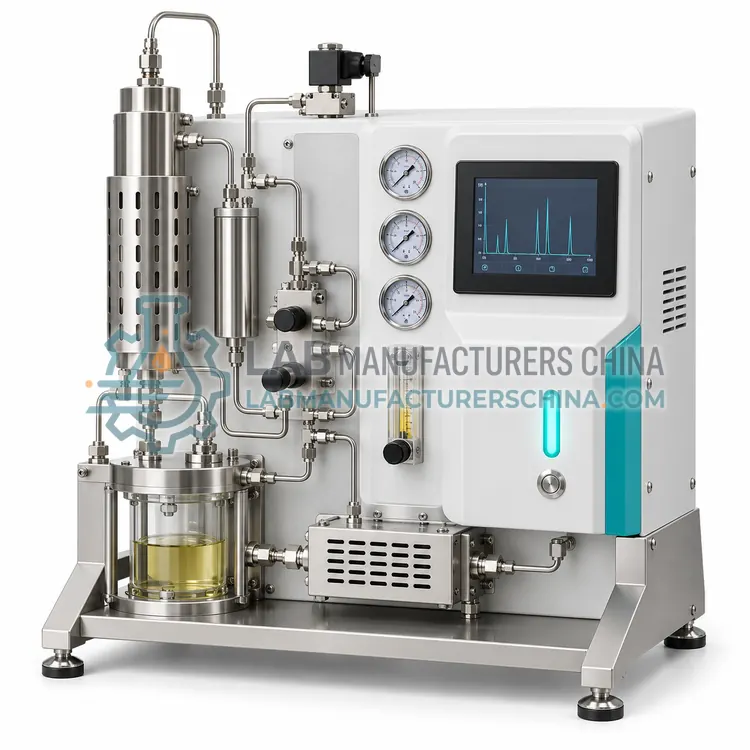
Gas Chromatograph for Dissolved Gas Analysis in Transformer Oil

变压器油溶解气体分析气相色谱仪

  • TOT-0002
  • Transformer Oil Testing
  • CE (to be confirmed)
  • ISO 9001 manufacturing (to be confirmed)
Gases measured:
H2, O2, N2, CH4, CO, CO2, C2H4, C2H6, C2H2
Detectors:
TCD and FID with methanizer
Detection limit, hydrogen:
≤ 5 ppm (v/v in oil)
Detection limit, hydrocarbons:
≤ 1 ppm (v/v in oil)
Oil sample volume:
≈ 20–50 mL
Extraction method:
Automated headspace or vacuum

A dissolved gas analysis gas chromatograph separates and quantifies hydrogen, hydrocarbons and carbon oxides extracted from transformer oil. It is the main diagnostic tool for detecting partial discharge, overheating and arcing inside oil-filled equipment, and suits utilities and service laboratories with large transformer fleets.

Request a quote
View details

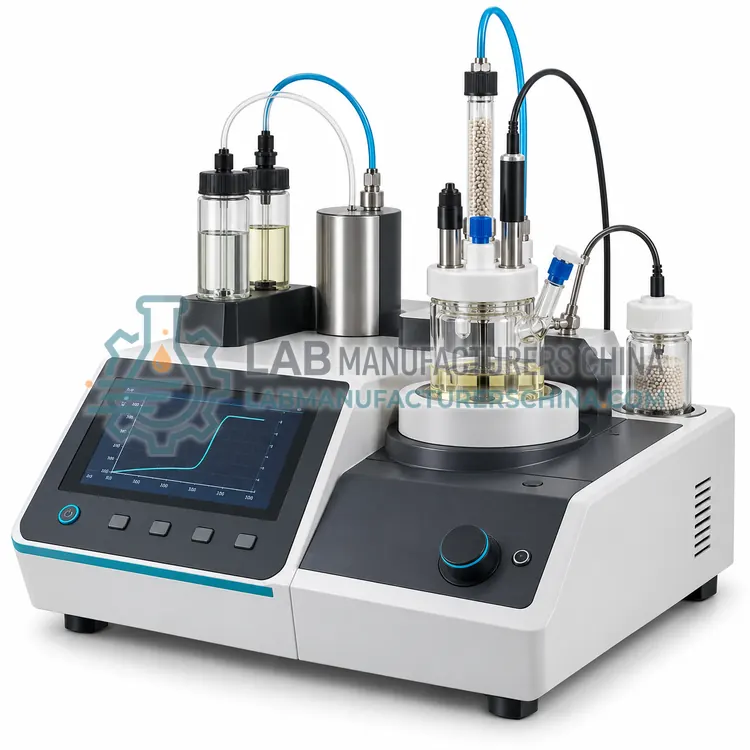
Coulometric Karl Fischer Titrator for Insulating Oil

绝缘油库仑法卡尔费休水分测定仪

  • TOT-0003
  • Transformer Oil Testing
  • CE (to be confirmed)
  • ISO 9001 manufacturing (to be confirmed)
Measuring range:
1 ppm–5 % water (10 µg–100 mg)
Resolution:
0.1 µg water
Accuracy:
± 3 µg (< 1000 µg), ± 0.3 % above
Repeatability (RSD):
≤ 3 % at 10 ppm
Drift stability:
≤ 10 µg/min
Sample size:
1–10 g oil

A coulometric Karl Fischer titrator measures water in insulating oil at ppm level by generating iodine electrochemically in a reagent cell. It is the referee method for moisture in transformer oil and is used with heated oven or direct injection.

Request a quote
View details

Dielectric Loss Tangent and Volume Resistivity Tester for Insulating Oil

绝缘油介质损耗及体积电阻率测试仪

  • TOT-0004
  • Transformer Oil Testing
  • CE (to be confirmed)
  • ISO 9001 manufacturing (to be confirmed)
Tan delta range:
0.00001–100 %
Tan delta accuracy:
± (1 % reading + 0.00005)
Test voltage (AC):
0–2000 V, 500 V/mm typical
Test voltage (DC):
250 V/mm typical
Resistivity range:
1 × 10^8 to 1 × 10^15 Ω·m
Cell volume:
≈ 40–60 mL

A dielectric loss tangent and resistivity tester measures dissipation factor and DC resistivity of insulating oil in a heated three-terminal cell. It detects polar contaminants, aging by-products and moisture that reduce insulating quality before breakdown voltage changes, and is used to grade new and reclaimed oil.

Request a quote
View details

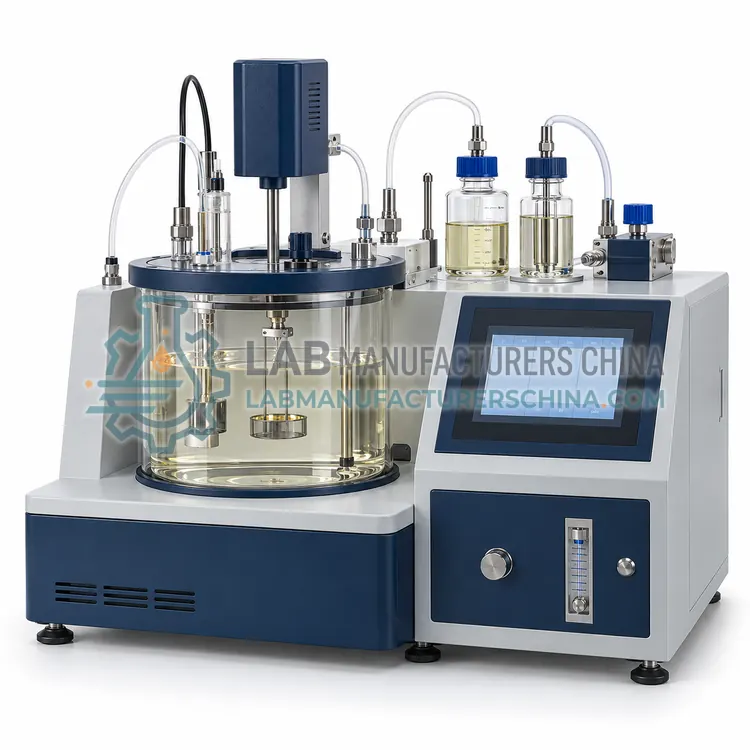
Interfacial Tension Tester for Insulating Oil

绝缘油界面张力测定仪

  • TOT-0005
  • Transformer Oil Testing
  • CE (to be confirmed)
  • ISO 9001 manufacturing (to be confirmed)
Measuring range:
0–100 mN/m
Resolution:
0.01 mN/m
Accuracy:
± 0.1 mN/m
Ring circumference:
≈ 6.0 cm (typical)
Ring lift speed:
≈ 0.3 mm/s
Sample volume:
≈ 40 mL oil + 40 mL water

An interfacial tension tester measures the force needed to pull a platinum ring through the oil-water interface, reporting tension in mN/m. A falling value indicates dissolved polar aging products and sludge precursors in transformer oil, making it a sensitive early ageing indicator.

Request a quote
View details

Compare Transformer Oil Testing models

ModelCell volumeFrequencyPower supplyRepeatability (RSD)Measuring range
Automatic Oil Dielectric Breakdown Voltage TesterTOT-0001≈ 350–500 mL50 Hz (or 60 Hz)220 V AC, 50 Hz——
Gas Chromatograph for Dissolved Gas Analysis in Transformer OilTOT-0002———≤ 3 %—
Coulometric Karl Fischer Titrator for Insulating OilTOT-0003——220 V AC, 50 Hz≤ 3 % at 10 ppm1 ppm–5 % water (10 µg–100 mg)
Dielectric Loss Tangent and Volume Resistivity Tester for Insulating OilTOT-0004≈ 40–60 mL50 Hz (or 60 Hz)220 V AC, 50 Hz——
Interfacial Tension Tester for Insulating OilTOT-0005——220 V AC, 50 Hz—0–100 mN/m

Indicative values for this product class. Final specifications are confirmed on the quotation and in the calibration documents supplied with the instrument.

How do Transformer Oil Testing work?

Insulating oil must resist electrical stress, remove heat and protect paper insulation, so testing targets each of these functions. Dielectric breakdown voltage is measured by increasing AC voltage at a fixed rate between standard electrodes in a stirred test cell until a discharge occurs. Dissolved gas analysis extracts gases from oil by headspace, vacuum or stripping and separates hydrogen, methane, ethane, ethylene, acetylene, carbon monoxide and carbon dioxide by gas chromatography with thermal conductivity and flame ionization detectors. Karl Fischer coulometry titrates water electrochemically. Dissipation factor and resistivity are measured in a three-terminal cell heated to 90 degrees Celsius. Interfacial tension uses a platinum ring that is pulled through the oil-water interface, and the pulling force gives the tension in mN/m.

Which Transformer Oil Testing variants are available?

  • Automatic Oil Dielectric Breakdown Voltage Tester — An automatic oil breakdown voltage tester raises AC voltage at a controlled rate across standard electrodes in a stirred oil cell until discharge occurs, then repeats and averages the result.
  • Gas Chromatograph for Dissolved Gas Analysis in Transformer Oil — A dissolved gas analysis gas chromatograph separates and quantifies hydrogen, hydrocarbons and carbon oxides extracted from transformer oil.
  • Coulometric Karl Fischer Titrator for Insulating Oil — A coulometric Karl Fischer titrator measures water in insulating oil at ppm level by generating iodine electrochemically in a reagent cell.
  • Dielectric Loss Tangent and Volume Resistivity Tester for Insulating Oil — A dielectric loss tangent and resistivity tester measures dissipation factor and DC resistivity of insulating oil in a heated three-terminal cell.
  • Interfacial Tension Tester for Insulating Oil — An interfacial tension tester measures the force needed to pull a platinum ring through the oil-water interface, reporting tension in mN/m.

How do I choose the right variant?

Choose equipment by the decisions it supports. A breakdown voltage tester is the minimum for acceptance and routine screening; select the test voltage class (80 kV for most service oil, 100 kV or higher for new oil and EHV equipment) and the electrode type that your standard requires, VDE or spherical for IEC 60156, or ASTM D1816 or D877 types. Dissolved gas analysis is the key diagnostic for fault detection and suits utilities with many assets. Coulometric Karl Fischer is needed because moisture strongly affects paper insulation life. Tan delta and resistivity testers help detect polar contaminants and aging, while IFT indicates sludge precursors. Also check sample volume, automation level, test-cell cleaning, data logging and safe high-voltage interlocks.

Where are Transformer Oil Testing used?

Transformer Oil Testing are specified in transformer acceptance and commissioning tests, routine insulating oil monitoring for utilities, fault diagnosis by dissolved gas analysis, oil reclamation and filtration process control and transformer manufacturing quality control.

Which standards and certifications apply?

Work with Transformer Oil Testing is commonly governed by IEC 60156, ASTM D1816, ASTM D877, IEC 60599, ASTM D3612, IEC 60814, IEC 60247, ASTM D971 and GB/T 507. Instrument certifications such as CE marking are confirmed per configuration and never assumed.

What are the key considerations before purchase?

Sampling is as critical as analysis: use clean, dry glass syringes or sampling bottles, avoid air exposure for dissolved gas samples and record oil temperature. Test cells and electrodes must be cleaned and rinsed with the test oil, and gap distance verified with a gauge. High-voltage testers need grounded benches, interlocked lids and periodic verification of voltage and rate of rise. Gas chromatographs require carrier gas purity, column conditioning and calibration with certified gas mixtures. Karl Fischer reagents are replaced per usage. Follow facility safety rules, and dispose of oil and halogenated waste according to regulations.

Frequently asked questions about Transformer Oil Testing

Standard tests include dielectric breakdown voltage, water content, acidity, dissipation factor, resistivity, interfacial tension and dissolved gas analysis. Together they assess insulating strength, contamination, aging and incipient faults, with frequency depending on transformer voltage class and criticality.

Need help specifying Transformer Oil Testing?

Request a quote