
Oil Testing Equipment
油品检测设备
COTE · Petroleum, Mining & Industrial Analysis · 5 product types · 25 models
By Lab Manufacturers China Technical TeamLast reviewed
What are Oil Testing Equipment?
Oil testing equipment covers laboratory and field instruments that measure the physical, chemical and electrical properties of mineral oils, insulating oils, edible oils and fuel oils. It is used by utilities, refineries, food processors and maintenance teams to verify quality, detect degradation and decide on oil change or treatment.
5 product types in Oil Testing Equipment
The 5 product types below are grouped by the exact instrument you need.
- OIA5 models
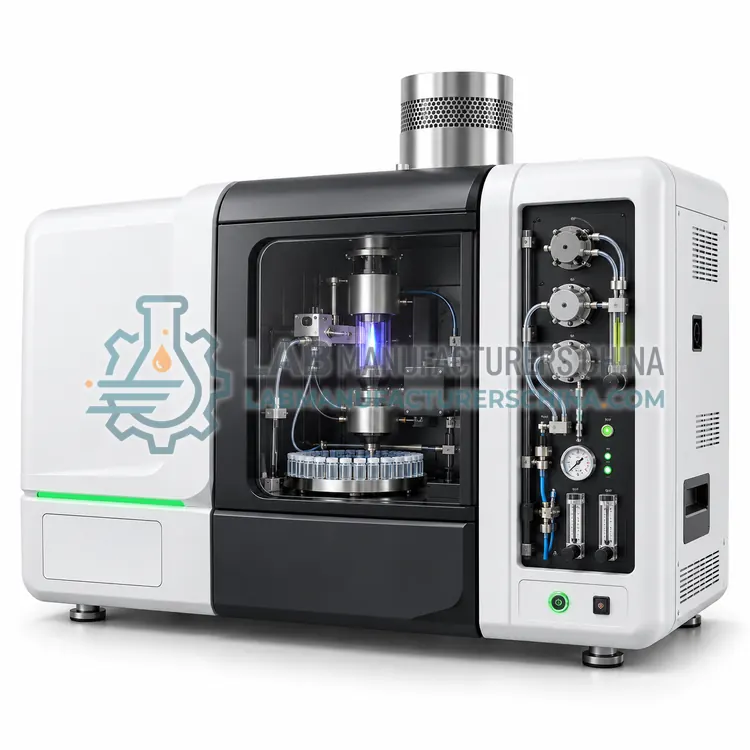
Oil Analysis
油品分析仪器
Oil analysis instruments measure the composition, contamination and degradation of lubricating and industrial oils. They quantify wear metals, additive elements, water, particles, acidity and oxidation in small samples. Laboratories and maintenance teams use the results to verify new oil, assess machine health and decide oil-change intervals.
- TOT5 models
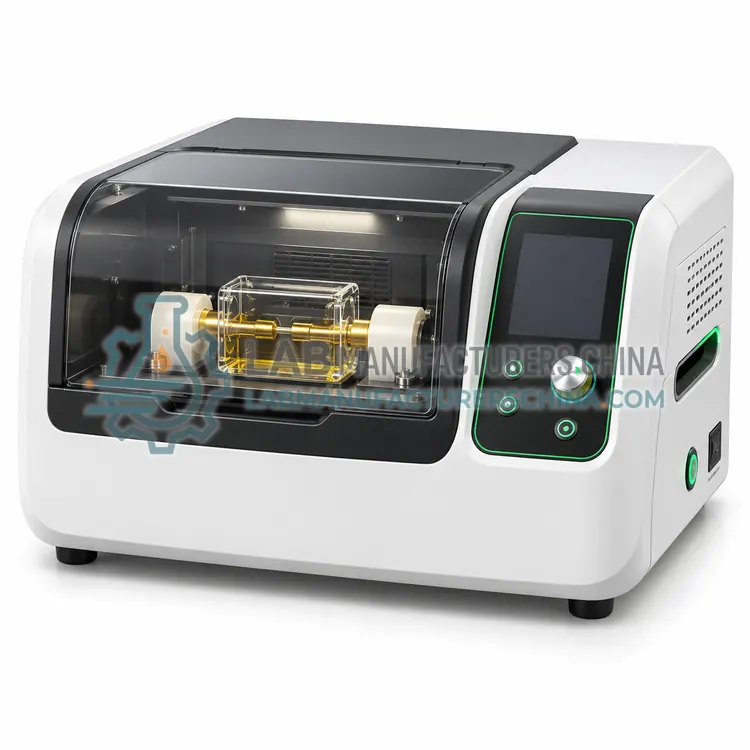
Transformer Oil Testing
变压器油检测设备
Transformer oil testing equipment evaluates the dielectric and chemical condition of insulating oil in transformers, reactors and switchgear. It measures breakdown voltage, dissolved gases, moisture, dissipation factor and interfacial tension. Utilities, manufacturers and test laboratories use it to schedule maintenance and detect incipient electrical or thermal faults.
- EOA5 models
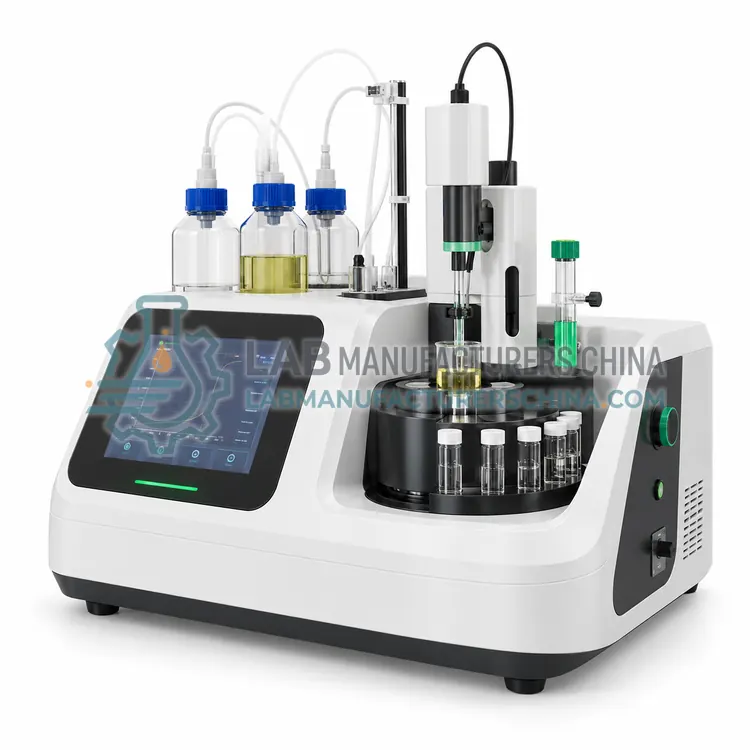
Edible Oil Analysis
食用油分析仪器
Edible oil analysis instruments measure quality and stability parameters of vegetable oils and fats, including acid value, peroxide value, fatty acid profile, color, oxidative stability and polar compounds in frying oil. Refiners, food manufacturers, quality laboratories and regulators use them to control freshness, authenticity and compliance.
- FOA5 models
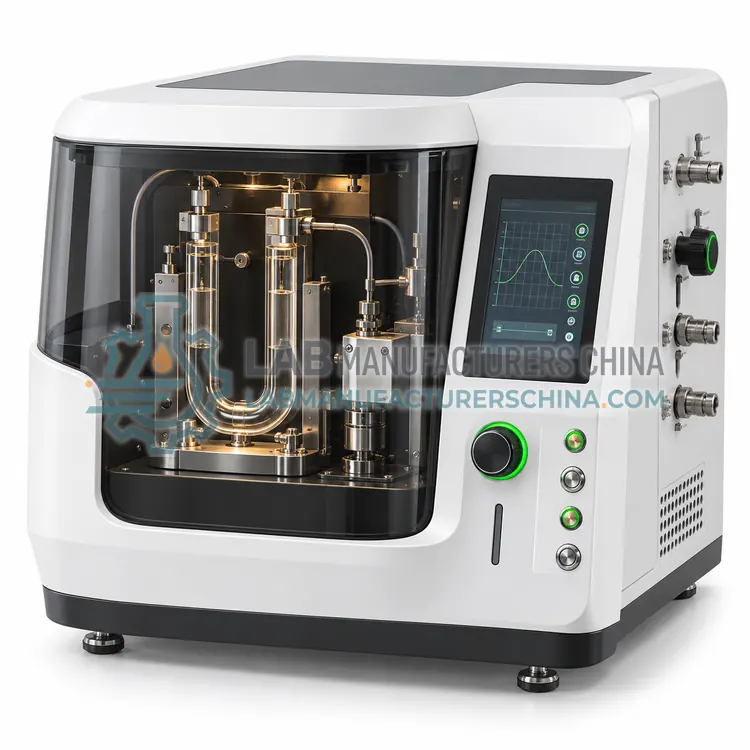
Fuel Oil Analysis
燃料油分析仪器
Fuel oil analysis instruments measure density, sulfur, flash point, carbon residue, water and sediment in residual and distillate fuel oils. Refiners, bunker suppliers, ship operators, power plants and independent inspectors use them to verify specification compliance, combustion behavior and safe handling before purchase, transfer or burning.
- OCM5 models
Oil Condition Monitoring
油液状态监测设备
Oil condition monitoring equipment uses online, inline and portable sensors to track water content, particle contamination, wear debris, viscosity and dielectric properties of oil in operating machinery. Maintenance teams use the trends to detect problems early, extend oil life and prevent unplanned downtime.
What are Oil Testing Equipment?
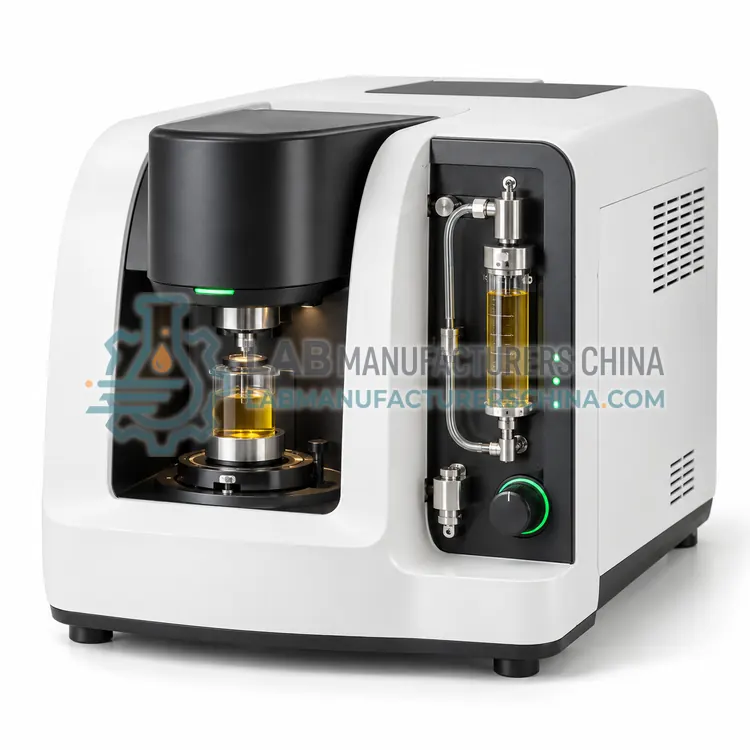
Oil testing equipment is the group of instruments used to characterize oils in service and in production. It includes spectrometric and ferrographic analyzers for in-service lubricants, dielectric and dissolved-gas instruments for transformer oil, acid value, peroxide value and polar-compound testers for edible oil, and density, flash point, sulfur and water testers for fuel oil. Online and portable sensors extend these measurements to continuous oil condition monitoring. The shared purpose is to convert a small oil sample, or a sensor signal, into quantitative indicators of contamination, oxidation, wear-metal content, moisture and electrical integrity. Results are compared against new-oil specifications, industry limits or trend baselines. Laboratories choose instruments according to the oil type, the required standard method, sample throughput and whether the test is performed at the asset or in a central laboratory.
How do Oil Testing Equipment work?
Most oil tests rely on a small set of measurement principles. Spectroscopic methods such as ICP-OES, rotating-disk electrode OES and FTIR quantify elemental wear metals, additives, soot, oxidation and nitration. Electrochemical methods include Karl Fischer titration for water and potentiometric titration for acid and base number. Electrical methods apply a rising AC voltage across a test cell to find dielectric breakdown, or measure dissipation factor and resistivity. Gas chromatography separates dissolved gases extracted from insulating oil. Physical methods include capillary viscometry, pycnometry or oscillating U-tube density, particle counting by light extinction, and flash point by closed cup. Online sensors use capacitance, impedance or infrared absorbance as proxies for water, contamination and degradation, and report trends rather than absolute laboratory values.
Where are Oil Testing Equipment used?
Oil testing equipment supports decisions in several industries. Electric utilities test transformer and switchgear oil for breakdown voltage, moisture and dissolved gases to schedule maintenance and detect incipient faults. Food manufacturers and edible oil refiners measure acid value, peroxide value, iodine value and total polar compounds to control refining, storage and frying oil quality. Power plants, shipping companies and industrial heating operators analyze fuel oil for water, sediment, sulfur and density before purchase and burning. Fleet, mining and manufacturing maintenance teams run used-oil analysis and condition monitoring on engines, gearboxes and hydraulic systems to extend drain intervals and avoid unplanned downtime. Independent testing laboratories and oil producers use the same instruments for incoming inspection, batch release and dispute settlement.
Which standards apply to Oil Testing Equipment?
Oil testing is governed by method standards that define sample handling, apparatus and precision. IEC 60156 and ASTM D1816 specify dielectric breakdown voltage; IEC 60599 and ASTM D3612 cover dissolved gas analysis; IEC 60422 gives maintenance guidance for insulating oil. ASTM D664 and D974 address acid number, ASTM D6304 and ISO 12937 cover water by Karl Fischer, and ISO 4406 and ASTM D7647 cover particle counting. Edible oil parameters follow ISO 660, ISO 3960 and AOCS methods, with Chinese equivalents in the GB 5009 series. Fuel oil testing references ISO 8217, ASTM D396 and ASTM D4294. Instruments should be calibrated with traceable reference materials and used inside the verification limits stated in each method.
How do I select the right oil testing equipment?
Start from the oil type and the standard method your customers or regulator require, because that fixes the measurement principle and apparatus. For transformer oil, choose a breakdown voltage tester with the electrode gap and stirring of IEC 60156 or ASTM D1816, then add moisture and dissolved-gas capability according to fleet size. For edible oil, specify the parameters (acid value, peroxide value, polar compounds) and the degree of automation needed. For fuel oil, decide whether density, flash point, sulfur or water is the priority. For in-service lubricants, decide between a central laboratory spectrometer and portable or online sensors, weighing throughput against response time. Also compare sample volume, detection limit, repeatability, data-export options, calibration traceability and the maintenance burden of consumables such as reagents, lamps and carrier gas.
Oil Testing Equipment comparison
| Subcategory | Principle | Typical use | Key spec |
|---|---|---|---|
| Oil Analysis | Spectrometry, titration, particle counting | Laboratory testing of in-service and new oils | Wear metals to ppm level |
| Transformer Oil Testing | Dielectric, GC and titration methods | Insulating oil quality and fault diagnosis | Breakdown voltage up to 100 kV |
| Edible Oil Analysis | Titration, colorimetry, polar-compound sensing | Refining, storage and frying oil control | Acid value 0.05–10 mg KOH/g |
| Fuel Oil Analysis | Density, flash point, XRF sulfur, water tests | Bunker, heating and power-plant fuel inspection | Sulfur 0.01–5 % m/m |
| Oil Condition Monitoring | Portable and online sensors | Trend tracking on machinery | Water sensing to 0–100 % saturation |
Frequently asked questions about Oil Testing Equipment
Oil testing equipment measures the properties of mineral, insulating, edible and fuel oils, such as viscosity, acidity, water content, dielectric strength, contaminants and wear metals. Results show whether oil meets specification, how far it has degraded and whether the machine or process using it needs attention.
Routine transformer oil programs combine dielectric breakdown voltage, water content by Karl Fischer, acidity, dissipation factor and dissolved gas analysis. Breakdown voltage and moisture show insulating condition, while dissolved gases help identify thermal or electrical faults inside the transformer.
Water in oil is most accurately measured by Karl Fischer titration, either coulometric for ppm-level content or volumetric for higher levels, following methods such as ASTM D6304 or IEC 60814. Crackle tests and capacitive sensors give faster but less precise indications.
Oil analysis usually means laboratory testing of periodic samples against standard methods. Oil condition monitoring adds portable or online sensors that track indicators continuously or at the point of use. Laboratory analysis gives precise values; monitoring gives earlier warning and trend data between samples.
Choose benchtop instruments when you need method-compliant precision, high throughput or regulatory reporting. Choose portable testers for field screening, remote assets or quick go/no-go decisions. Many programs use portable tools for screening and send flagged samples to a laboratory for confirmation.
Related categories
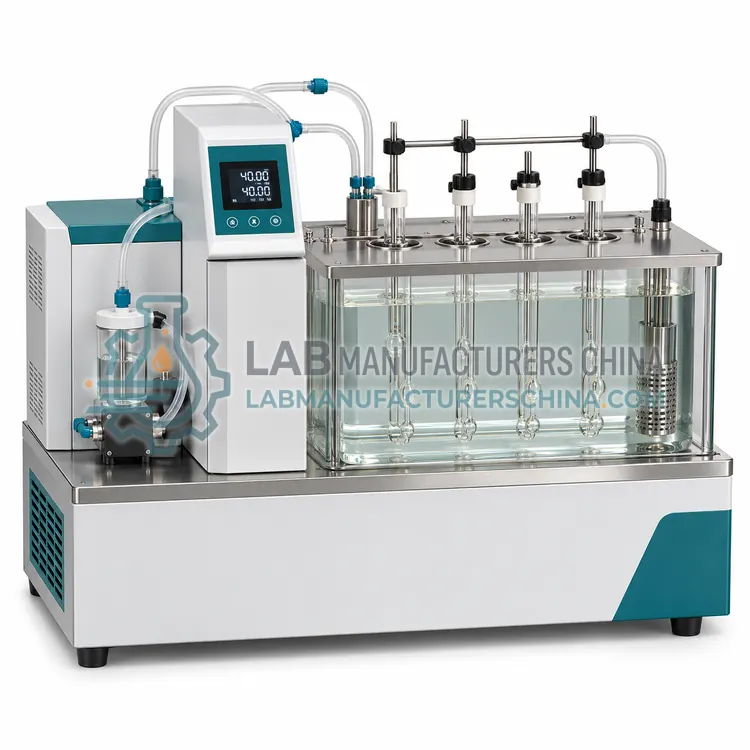 CLTE润滑剂检测设备Lubricant testing equipment covers instruments that measure the viscosity, wear protection, grease consistency, oxidation resistance and in-service condition of lubricating oils and greases. Lubricant formulators, base-oil producers, equipment makers and maintenance laboratories use it to qualify products and track degradation.
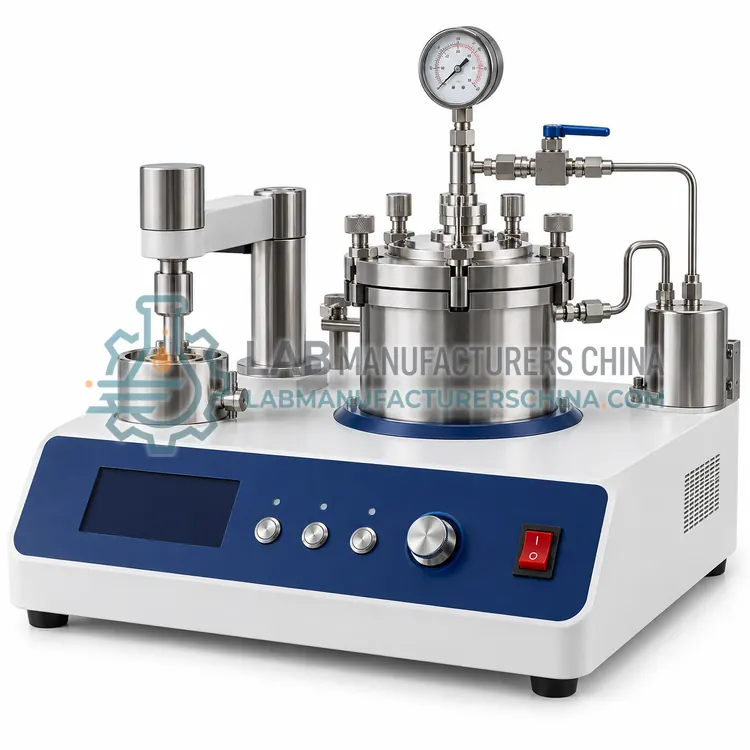 CCTE煤炭检测设备Coal testing equipment covers laboratory instruments that measure the quality and composition of coal and coke, including calorific value, ash, sulfur, moisture and volatile matter. Mines, power plants, steel mills and trading laboratories use it to grade coal, price shipments and confirm contract and emissions compliance.
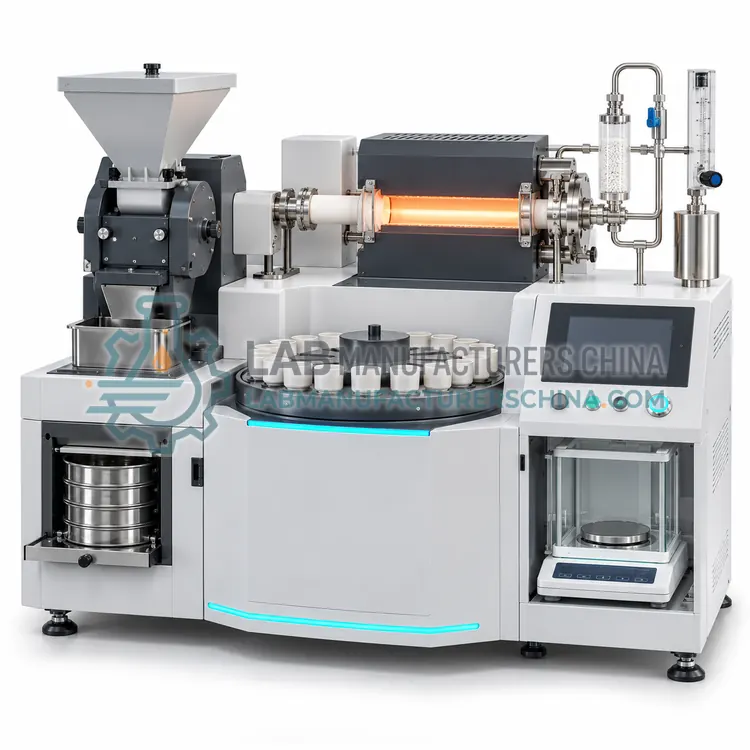 CMLE矿业实验室设备Mining laboratory equipment covers the instruments used to prepare mineral samples and to test ore properties: crushers, pulverizers, splitters and flotation cells, together with mineral analysis instruments such as X-ray diffraction and automated mineralogy systems. Mines, concentrators, geologists and assay laboratories use them.
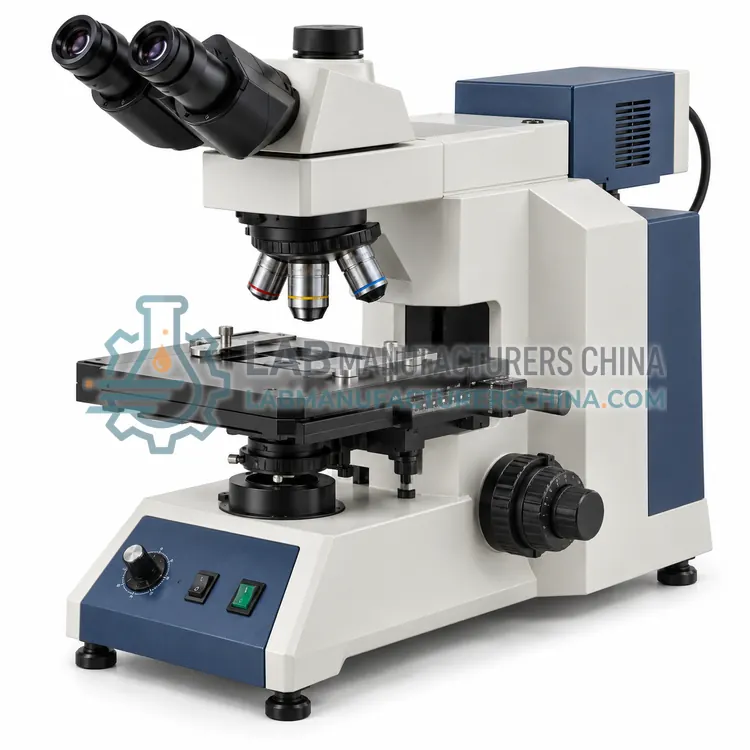 CMET金相与冶金实验室设备Metallurgical laboratory equipment covers the instruments used to prepare metal specimens, examine microstructure, test mechanical properties and determine chemical composition. Foundries, steel mills, heat treaters, welding shops and inspection bodies use it for quality control and failure analysis.