
Polymer Analysis Equipment
聚合物分析设备
CPOL · Petroleum, Mining & Industrial Analysis · 5 product types · 30 models
By Lab Manufacturers China Technical TeamLast reviewed
What are Polymer Analysis Equipment?
Polymer analysis equipment characterizes how plastics, elastomers and resins flow, melt, degrade and absorb light. It includes melt flow testers, differential scanning calorimeters, thermogravimetric analyzers, rheometers and spectrometers used by resin producers, compounders, converters and materials research laboratories to verify grade, composition and processing behavior.
5 product types in Polymer Analysis Equipment
The 5 product types below are grouped by the exact instrument you need.
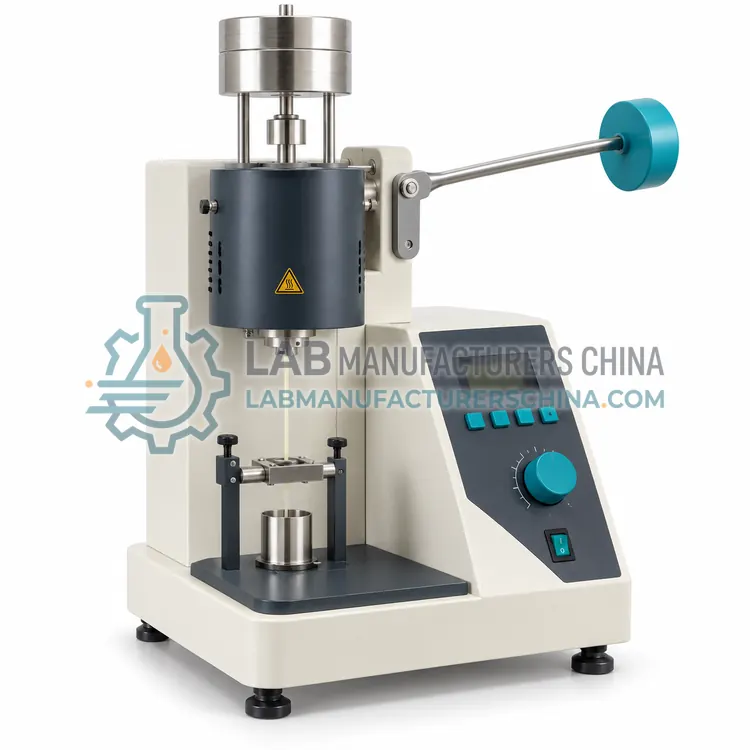
- MFT6 models
Melt Flow Testers
熔体流动速率仪
Melt flow testers measure how fast a thermoplastic polymer extrudes through a heated die under a defined load, giving the melt mass-flow rate or melt volume-flow rate. These values index processability and batch consistency and are used daily in resin production, compounding, incoming inspection and plastic processing quality control.
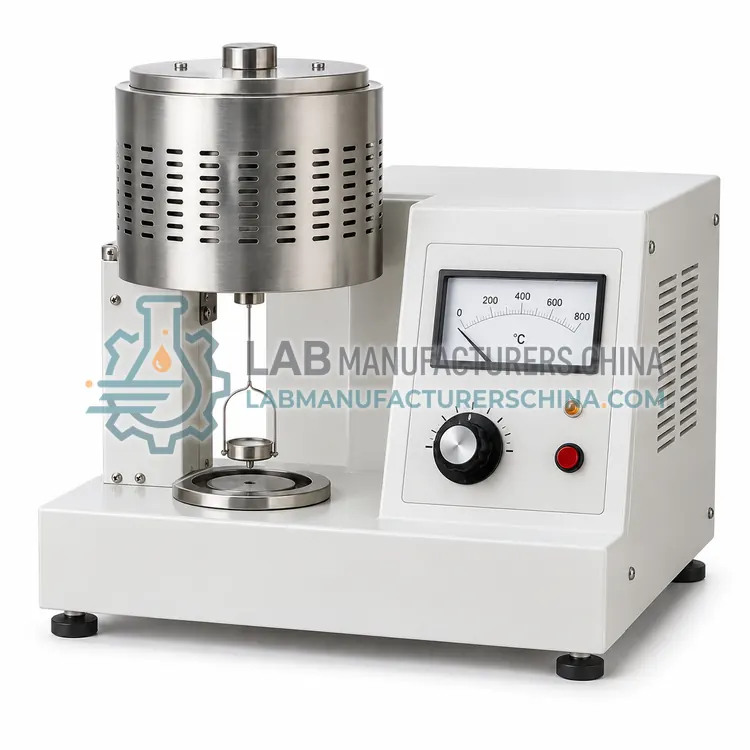
- DSCA6 models
DSC
聚合物分析用差示扫描量热仪
Differential scanning calorimetry for polymer analysis measures the heat flow into and out of a polymer sample as its temperature changes, revealing glass transition, melting, crystallisation, cure and oxidative stability. It is used for polymer identification, grade comparison, process troubleshooting and incoming material verification.
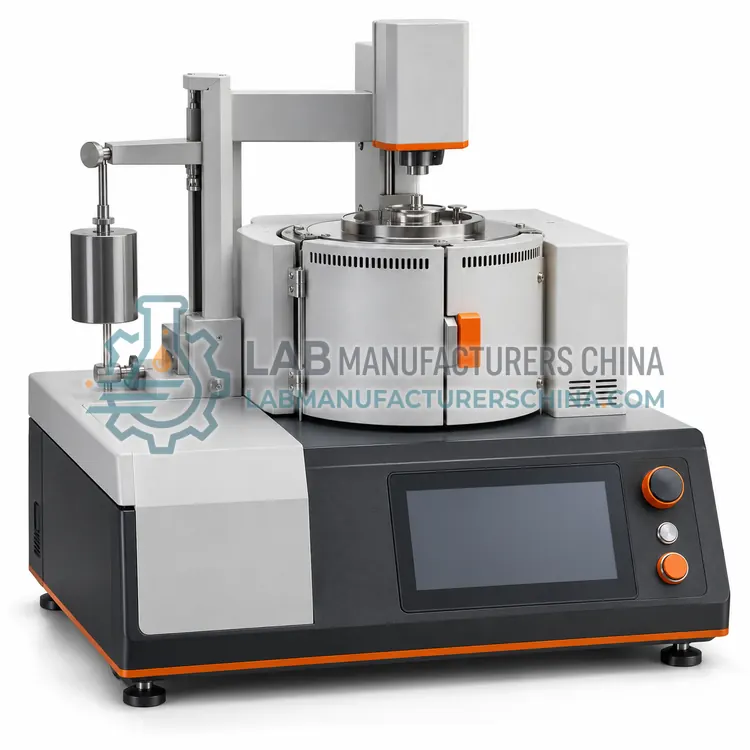
- TGAA6 models
TGA
聚合物分析用热重分析仪
Thermogravimetric analysis for polymers records sample mass against temperature or time in a controlled atmosphere, so decomposition, filler content, carbon black, moisture and volatile loss can be quantified. It supports thermal stability ranking, composition checks and quality control of polymer compounds.
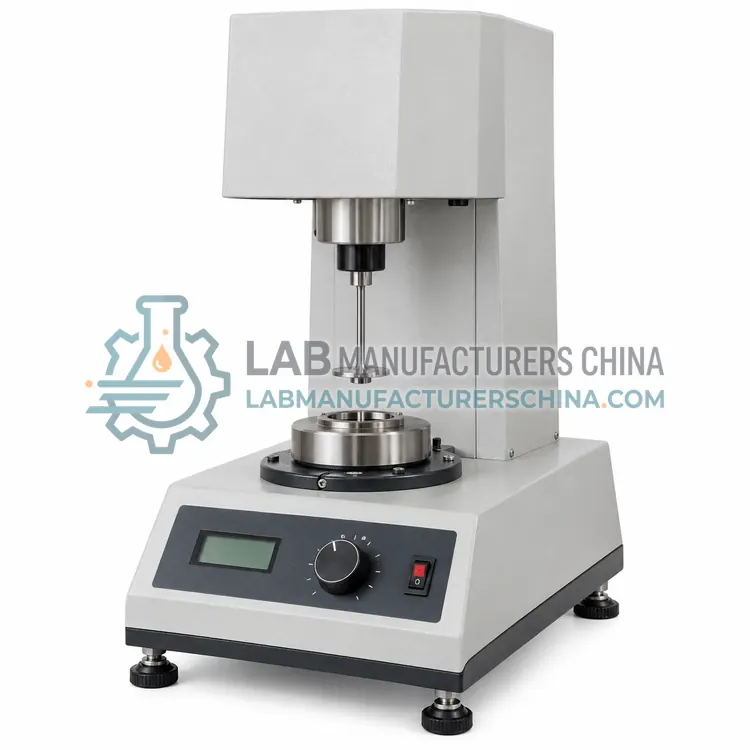
- RHE6 models
Rheometers
聚合物分析用流变仪
Rheometers for polymer analysis measure how melts and solutions deform and flow under controlled stress, strain or shear rate, giving viscosity, elasticity and viscoelastic moduli. They are used to relate molecular structure and additive content to processing behaviour in extrusion, moulding and compounding.
- PSP6 models
Polymer Spectroscopy
聚合物光谱分析仪
Polymer spectroscopy identifies and characterises plastics and rubbers from their interaction with infrared, Raman or near-infrared radiation, giving molecular fingerprints without dissolving the sample in most cases. It supports incoming material identification, failure analysis, additive detection and contamination screening.
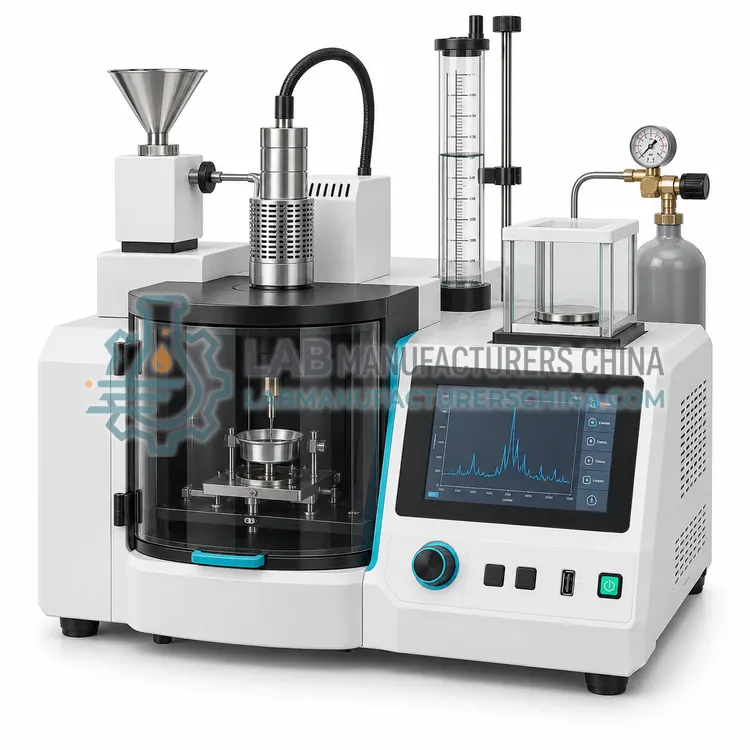
What are Polymer Analysis Equipment?
Polymer analysis equipment is the group of instruments used to measure the properties that determine how a polymer is processed and how it performs in service. Flow behavior is measured with melt flow testers and rheometers. Thermal transitions such as glass transition, melting and crystallization are measured by differential scanning calorimetry, while thermal stability and filler content are measured by thermogravimetric analysis. Spectroscopic instruments identify polymer type, additives and degradation products. Together these techniques answer practical questions: which grade is this, is it consistent with the last lot, how will it behave in an extruder or mold, and how much filler or moisture does it contain. Results feed resin specifications, compounding recipes, recycling sorting and failure investigations.
How do Polymer Analysis Equipment work?
Each technique probes a different response. A melt flow tester forces molten polymer through a standard die under a fixed load and temperature and records the mass or volume extruded in ten minutes. A rheometer applies controlled shear or oscillation and measures stress, giving viscosity and viscoelastic moduli over a range of rates and temperatures. A DSC compares heat flow into a sample and an inert reference during a temperature program to reveal transitions and enthalpies. A TGA records mass as the sample is heated in nitrogen or air to quantify moisture, volatiles, polymer, filler and ash. Infrared and Raman spectrometers measure molecular vibrations that act as fingerprints of polymer chemistry. Calibration with certified reference materials keeps results comparable between laboratories.
Where are Polymer Analysis Equipment used?
Resin producers use melt flow and rheology data to certify grades and control polymerization. Compounders use DSC, TGA and spectroscopy to verify additive packages, filler loading and masterbatch consistency. Converters in extrusion, injection molding, film and fiber production rely on flow and thermal data to set processing windows and troubleshoot defects such as gels, warpage and degradation. Recyclers identify polymer type and contamination to sort and grade reclaimed material. Packaging, automotive, wire and cable, and medical device manufacturers use the same tools for incoming inspection and for failure analysis when a part cracks, discolors or loses strength. Universities and research institutes apply them to new materials development, blends, composites and biopolymers.
Which standards apply to Polymer Analysis Equipment?
Polymer test methods are well standardized. Melt flow rate follows ISO 1133 and ASTM D1238. Rheology of polymer melts is covered by ISO 6721 for dynamic mechanical properties and ISO 11443 for capillary viscosity. DSC methods include ISO 11357 and ASTM D3418, and thermogravimetry is covered by ISO 11358 and ASTM E1131. Infrared identification follows ASTM E1252 and ISO 12173 for related practices. Electrical safety of the instruments is addressed by IEC 61010-1. Laboratories should confirm which edition and procedure apply to their customer or regulatory requirement, and verify instrument temperature and force calibration at the intervals their quality system specifies.
How do I select the right polymer analysis equipment?
Begin with the decision the data must support. For grade certification and incoming inspection of thermoplastics, a melt flow tester is usually sufficient. For processing troubleshooting and formulation work that needs viscosity across shear rates, choose a rotational or capillary rheometer. Select DSC when transitions, crystallinity or curing are the concern, and TGA when composition, moisture or thermal stability matter. Use infrared or Raman spectroscopy for identification and contamination screening. Compare temperature range, control accuracy, sample size, autosampler capacity and software features such as method templates and report formats. Confirm that the instrument can run the exact standards you cite, and plan for gas supply, consumables, reference materials and operator training when budgeting.
Polymer Analysis Equipment comparison
| Subcategory | Principle | Typical use | Key spec |
|---|---|---|---|
| Melt Flow Testers | Extrusion through a standard die under fixed load | Grade identification and lot consistency | Temperature up to 400 C |
| DSC | Heat flow versus temperature program | Tg, melting, crystallinity and cure | Temperature and heat flow accuracy |
| TGA | Mass change on heating | Filler, moisture and degradation | Balance sensitivity |
| Rheometers | Controlled shear or oscillation of melts | Viscosity and viscoelastic moduli | Torque and frequency range |
| Polymer Spectroscopy | Infrared and Raman molecular vibration | Polymer identification and additives | Spectral range and resolution |
Frequently asked questions about Polymer Analysis Equipment
Common polymer analysis instruments include melt flow testers for flow rate, rheometers for viscosity and viscoelasticity, DSC for melting and glass transition, TGA for composition and stability, and infrared or Raman spectrometers for identification and additive analysis.
A melt flow tester measures the mass or volume of molten thermoplastic extruded through a standard die in ten minutes under a fixed temperature and load. The result, reported as MFR or MVR, indicates flow behavior and is used for grade identification and lot consistency.
Use DSC to measure heat-related transitions such as glass transition, melting, crystallization and curing. Use TGA to measure mass change with temperature, which reveals moisture, volatiles, polymer content, filler and ash. The two techniques are complementary and are often run together.
Rheology describes how a polymer melt deforms under shear and temperature. Viscosity at extrusion or molding shear rates determines pressure, fill behavior and output, so rheometer data helps set processing conditions and explains differences between lots that melt flow alone may not reveal.
Polymer type is most commonly identified by infrared spectroscopy, where the absorption pattern acts as a chemical fingerprint compared with a spectral library. DSC melting points and density measurements provide supporting evidence, and Raman spectroscopy can help with dark or filled samples.
Related categories
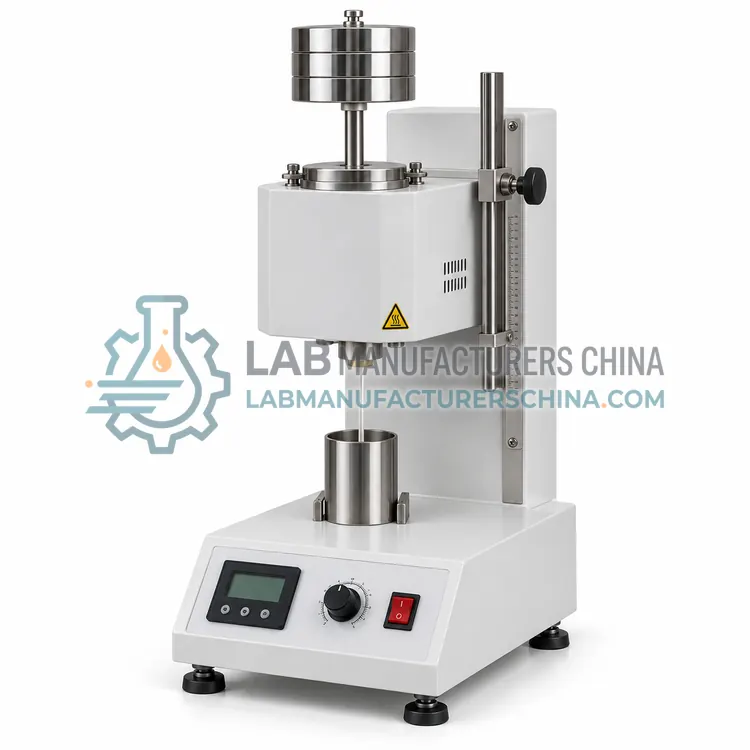 CPLA塑料分析设备Plastic analysis equipment measures the flow, density, thermal behavior, impact resistance and composition of plastic materials and finished parts. It is used by resin suppliers, molders, recyclers and testing laboratories for incoming inspection, grade verification, product qualification and failure analysis under ISO and ASTM methods.
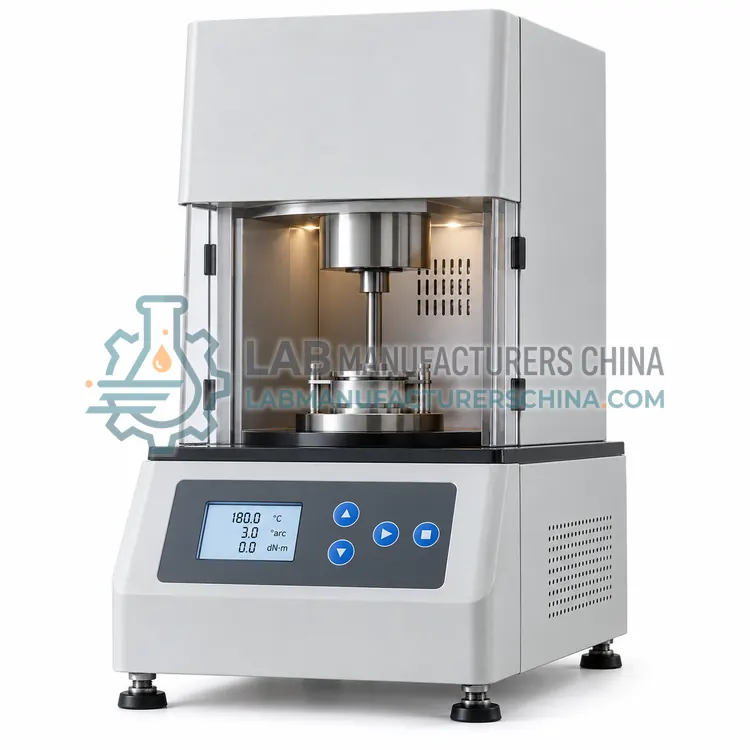 CRAE橡胶分析设备Rubber analysis equipment measures the processing, curing, aging and composition of raw rubber, compounds and vulcanized products. It includes rheometers, Mooney viscometers, rubber process analyzers, aging ovens and composition analyzers used by tire makers, compounders, seal and hose manufacturers and testing laboratories.
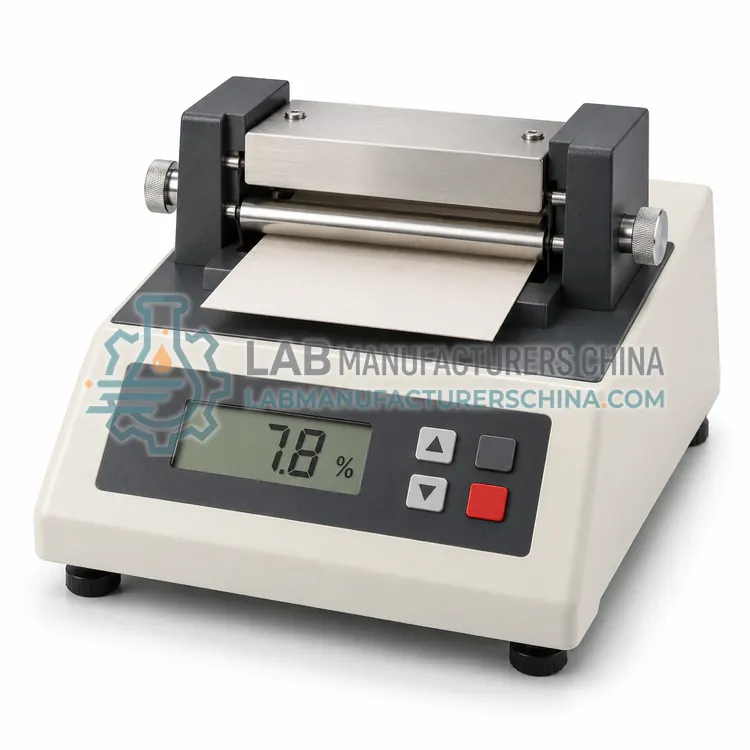 CPAP纸张分析设备Paper analysis equipment measures the moisture, thickness, brightness, burst strength and overall physical quality of paper, board and packaging. It is used by paper mills, converters, packaging manufacturers and testing laboratories for grade control, customer specification compliance and troubleshooting of runnability and print performance.
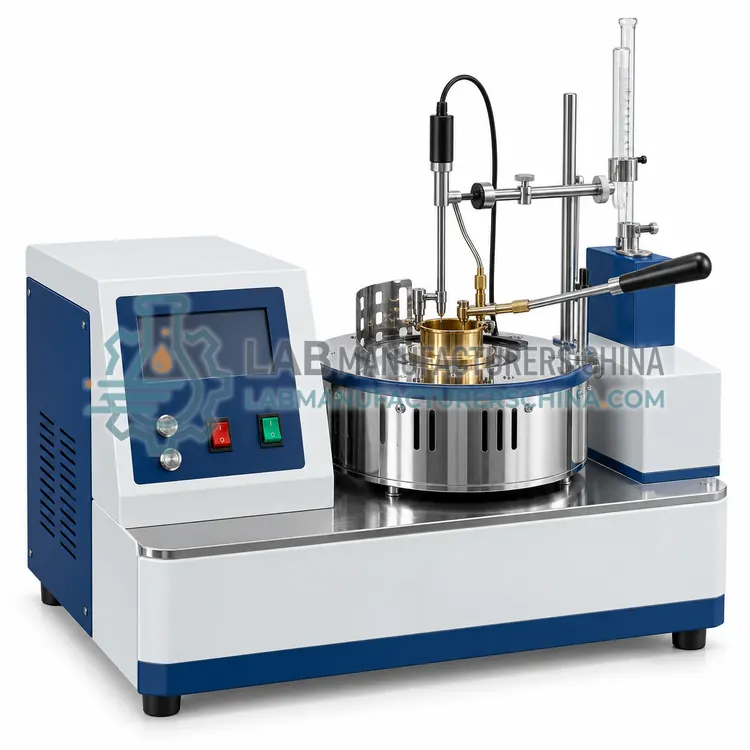 CPTE石油测试设备Petroleum testing equipment covers laboratory instruments that measure the physical, chemical and performance properties of crude oil and refined products, including flash point, distillation range, viscosity, sulfur content and octane or cetane quality. Refineries, terminals, fuel distributors and independent inspection laboratories use them to verify product specifications.