
Chemical Analysis Equipment
化学分析设备
CCAE · Petroleum, Mining & Industrial Analysis · 5 product types · 25 models
By Lab Manufacturers China Technical TeamLast reviewed
What are Chemical Analysis Equipment?
Chemical analysis equipment covers instruments that determine the composition and concentration of substances in industrial, petroleum, mining and environmental samples. It includes titrators, spectrometers, elemental analyzers, electrochemical analyzers and sample preparation systems used by QC laboratories, refineries, mineral assay labs and research institutes.
5 product types in Chemical Analysis Equipment
The 5 product types below are grouped by the exact instrument you need.
- TIT5 models
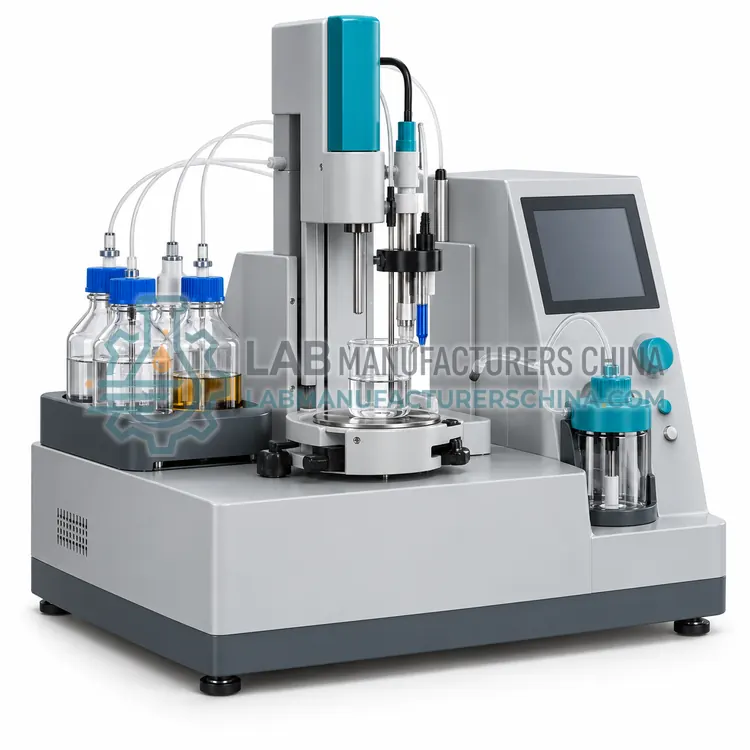
Titrators
滴定仪
Titrators are laboratory instruments that add a reagent of known concentration to a sample until a chemical endpoint is reached, then calculate analyte content from the volume or charge consumed. They measure water, acidity, alkalinity, chloride and similar parameters, and are used in petroleum, chemical, pharmaceutical and water laboratories.
- SPO5 models
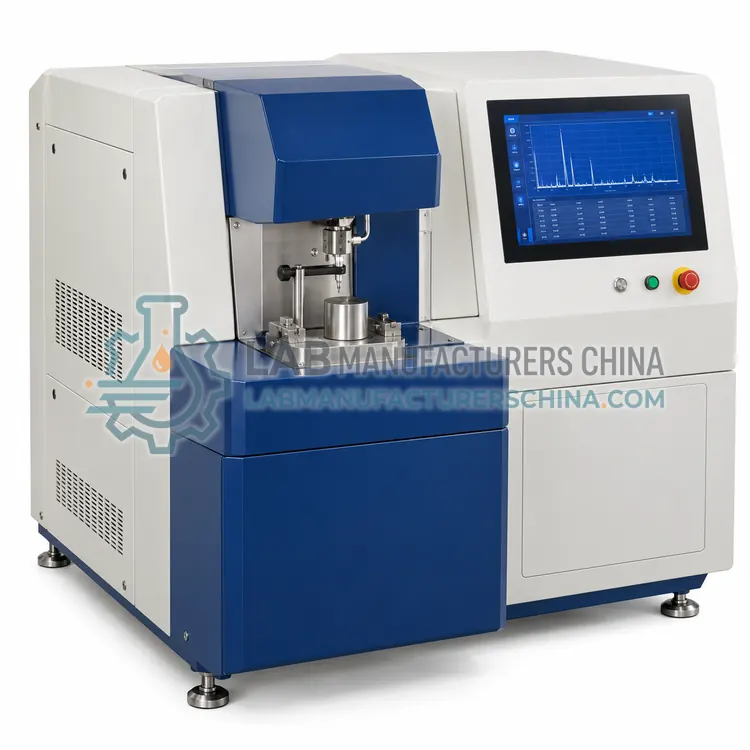
Spectrometers
光谱仪
In chemical analysis, spectrometers are instruments that identify and quantify elements in metals, ores, fuels, cement and solutions by measuring emitted, absorbed or fluoresced radiation. Spark OES, ICP-OES, atomic absorption and X-ray fluorescence systems are used by foundries, mining assay labs, refineries and environmental laboratories.
- ELM5 models
Elemental Analyzers
元素分析仪
In chemical analysis, elemental analyzers determine carbon, hydrogen, nitrogen, sulfur, oxygen and related light elements by combusting or fusing a sample and measuring the resulting gases. Steel and ore laboratories, refineries, coal testing labs and chemical manufacturers use them for composition control and specification compliance.
- ELC5 models
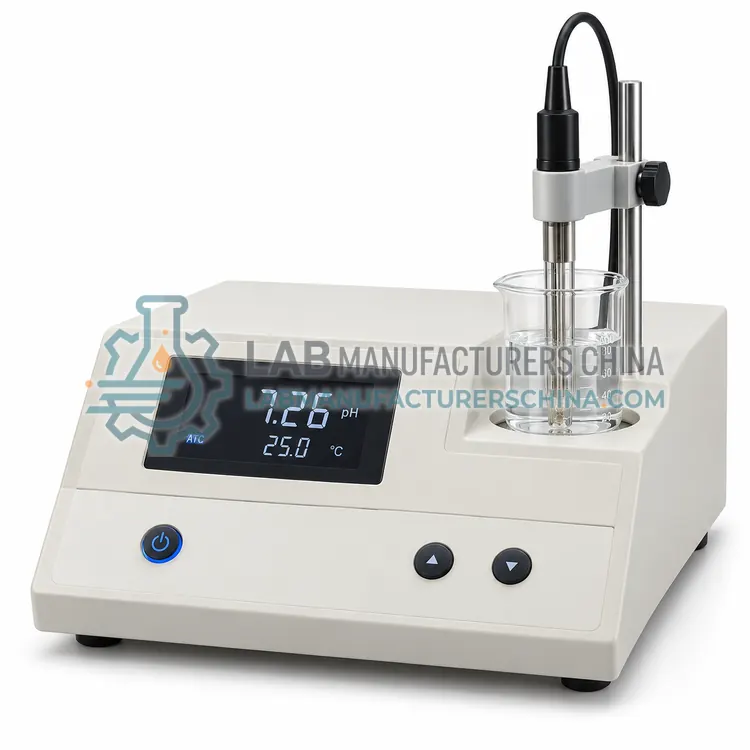
Electrochemical Analyzers
电化学分析仪
Electrochemical analyzers measure chemical composition or reactivity through the potential, current, conductivity or charge at electrodes in contact with a solution. They include pH and ion meters, conductivity meters, dissolved oxygen meters, voltammetric analyzers and potentiostat workstations used in water testing, process chemistry, corrosion and battery laboratories.
- CHE5 models
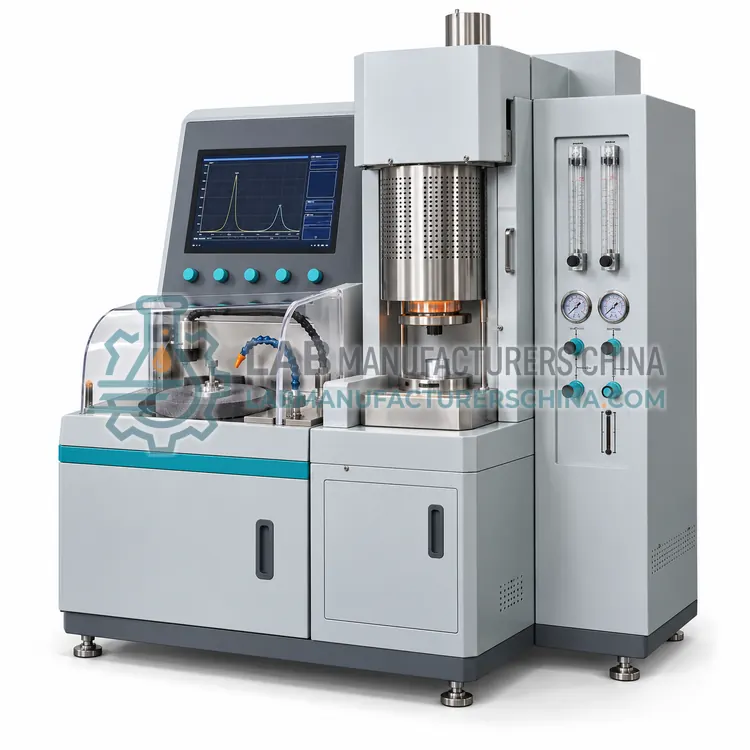
Chemical Sample Preparation
化学样品前处理设备
Chemical sample preparation equipment converts raw solids such as ores, coal, alloys and cement into homogeneous, representative test portions by crushing, pulverizing, pressing, fusing or digesting. It supports XRF, ICP, OES and wet-chemical analysis in mining, metallurgical, cement and chemical laboratories.
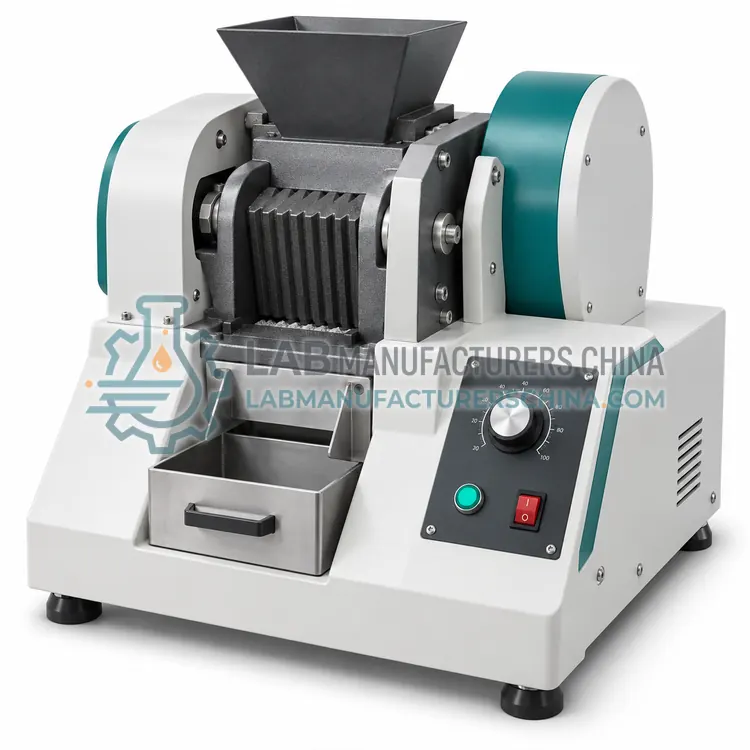
What are Chemical Analysis Equipment?
Chemical analysis equipment is the group of laboratory instruments used to identify what a sample contains and how much of each component is present. Classical wet-chemistry methods such as titration sit alongside instrumental techniques including optical emission and absorption spectrometry, combustion-based elemental analysis, potentiometry, conductivity and voltammetry. Because most real samples such as ores, fuels, alloys, polymers and wastewater cannot be measured as received, the category also includes sample preparation equipment: mills, fusion machines, digestion systems, extractors and filtration units. Laboratories typically combine several of these tools. A refinery lab, for example, may run Karl Fischer water determination, sulfur analysis and trace metal analysis on the same crude or product sample, each with its own method, calibration standards and acceptance criteria.
How do Chemical Analysis Equipment work?
Each technique converts a chemical property into a measurable signal. Titrators add a reagent of known concentration until an endpoint, detected by potential, pH or color change, and calculate analyte content from reagent consumed. Spectrometers measure light emitted, absorbed or scattered by atoms and molecules, where intensity at a characteristic wavelength relates to concentration through calibration. Combustion elemental analyzers burn the sample at high temperature and quantify carbon, hydrogen, nitrogen, sulfur or oxygen as gases by infrared, thermal conductivity or chemiluminescence detection. Electrochemical analyzers measure potential, current or conductivity at electrodes immersed in solution. Sample preparation converts solids into homogeneous powders, fused beads or digested solutions so that the measurement reflects the bulk material rather than a small unrepresentative portion.
Where are Chemical Analysis Equipment used?
Chemical analysis equipment is used wherever composition determines quality, safety or value. Petroleum laboratories measure water, sulfur, acid number, bromine index and metals in crude oil, fuels and lubricants. Mining and metallurgy labs assay ores, concentrates, slags and alloys for grade control and payment. Chemical and polymer manufacturers check raw material purity and batch consistency. Water and environmental laboratories measure conductivity, pH, ions and heavy metals. Battery, fertilizer, cement and food producers use the same instrument families for incoming inspection and release testing. Universities and contract laboratories use them for method development and routine service work. In all these settings the instruments support documented, repeatable methods that can be audited against customer and regulatory requirements.
Which standards apply to Chemical Analysis Equipment?
Methods for chemical analysis are usually defined by standard test methods rather than by instrument. ASTM D6304 and ISO 760 cover Karl Fischer water determination, ASTM D664 and ASTM D974 cover acid number, and ASTM D4294 and ISO 8754 cover sulfur by X-ray fluorescence. Elemental analysis of steel follows ASTM E415 and ISO 15350, while ore analysis follows the relevant GB/T and ISO series. Conductivity measurement follows ASTM D1125, and instrument safety follows IEC 61010-1. Laboratories seeking accreditation apply ISO/IEC 17025, which requires calibration traceability, method validation and uncertainty estimation regardless of instrument type.
How do I select the right chemical analysis equipment?
Start from the analyte and the governing method, not the instrument. Decide what must be measured, the expected concentration range, the required detection limit and the sample matrix, then confirm which standard method the laboratory must follow. Sample throughput, the number of different analytes per sample and operator skill determine whether automation is justified. Check consumable and gas costs, since reagents, argon, combustion gases and crucibles often exceed the purchase price over the instrument life. Verify that software supports audit trails and data export if the laboratory is accredited. Plan sample preparation together with the analyzer, because grinding, fusion or digestion quality frequently limits accuracy more than the detector does. Ask suppliers for application notes and reference-material results on matrices similar to your own.
Chemical Analysis Equipment comparison
| Subcategory | Principle | Typical use | Key spec |
|---|---|---|---|
| Titrators | Reagent addition to a detected endpoint | Water, acid number, chloride, alkalinity | Titration resolution, 0.1–1 µL |
| Spectrometers | Atomic emission, absorption or X-ray fluorescence | Alloy, ore, fuel and wear-metal analysis | Detection limit, ppb to ppm |
| Elemental Analyzers | High-temperature combustion and gas detection | C, H, N, S, O in coal, coke and chemicals | Measuring range, ppm to 100% |
| Electrochemical Analyzers | Potential, current or conductivity at electrodes | pH, ions, conductivity, dissolved oxygen | pH resolution, 0.001 |
| Chemical Sample Preparation | Milling, fusion, digestion, extraction | Preparing ores, alloys and solids for analysis | Final particle size, below 75 µm |
Frequently asked questions about Chemical Analysis Equipment
The category includes titrators, optical and X-ray spectrometers, combustion elemental analyzers, electrochemical analyzers such as pH and conductivity meters, and sample preparation equipment including mills, fusion machines and digestion systems used to prepare samples for measurement.
Choose a titrator for major components and specific wet-chemistry parameters such as water content, acid number or chloride at percent to ppm levels. Choose a spectrometer for multi-element measurement or trace levels, where simultaneous analysis and low detection limits outweigh the higher instrument and consumable cost.
Most solid samples must be crushed, homogenized, fused or digested before measurement. Preparation errors such as particle size variation, contamination or incomplete dissolution commonly contribute more to total uncertainty than the detector itself, so preparation equipment is specified together with the analyzer.
Common petroleum methods include ASTM D6304 for water by coulometric Karl Fischer, ASTM D664 for acid number by potentiometric titration, ASTM D4294 for sulfur by energy-dispersive XRF, and ASTM D5185 for additive and wear metals by ICP. Regional equivalents exist under ISO and GB/T.
Each technique needs traceable calibration: standardized titrants, certified buffer and conductivity standards, matrix-matched certified reference materials for spectrometers, and organic standards such as acetanilide for elemental analyzers. Laboratories should verify calibration at defined intervals and record results for accreditation audits.
Yes. A well-planned preparation workflow, such as grinding to a defined particle size followed by pressing, fusion or acid digestion, can feed XRF, ICP, OES and titration. Each downstream method still has its own preparation requirement, so the workflow should be validated per method.
Related categories
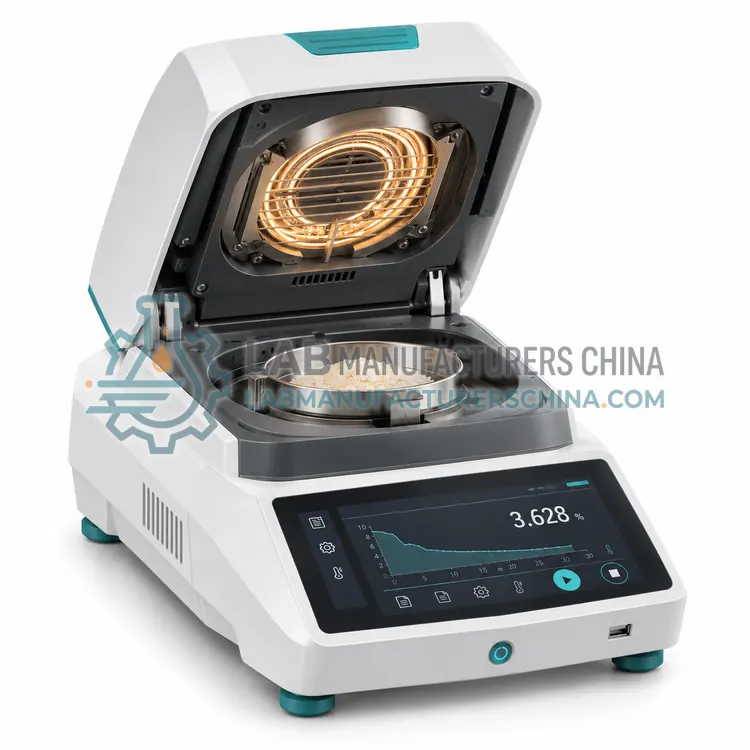 CIQC工业质量控制设备Industrial quality control equipment covers the analyzers, inspection tools, in-line process instruments, measurement systems and sample preparation devices used to verify that raw materials, intermediates and finished goods meet specification. It serves production laboratories, incoming inspection, process engineering and quality assurance teams across manufacturing sectors.
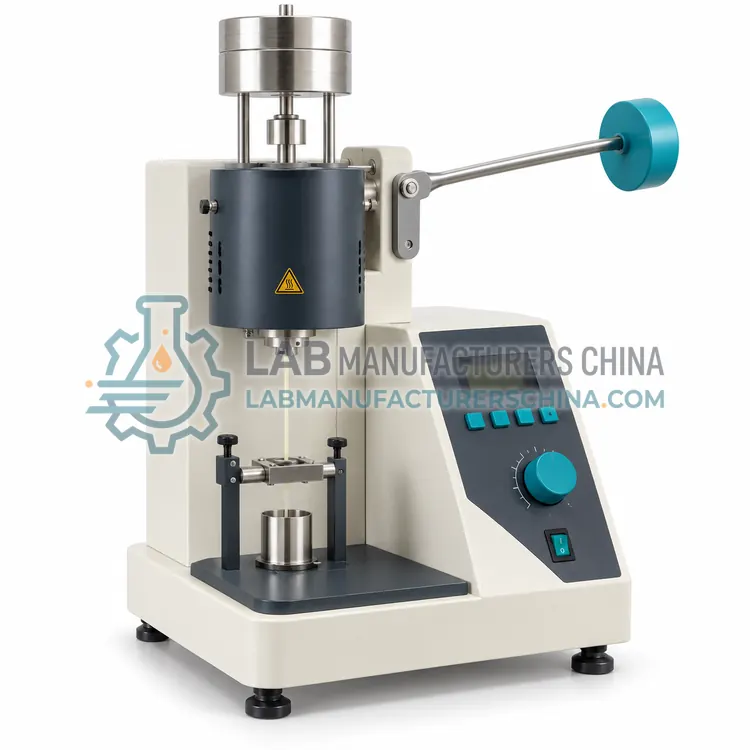 CPOL聚合物分析设备Polymer analysis equipment characterizes how plastics, elastomers and resins flow, melt, degrade and absorb light. It includes melt flow testers, differential scanning calorimeters, thermogravimetric analyzers, rheometers and spectrometers used by resin producers, compounders, converters and materials research laboratories to verify grade, composition and processing behavior.
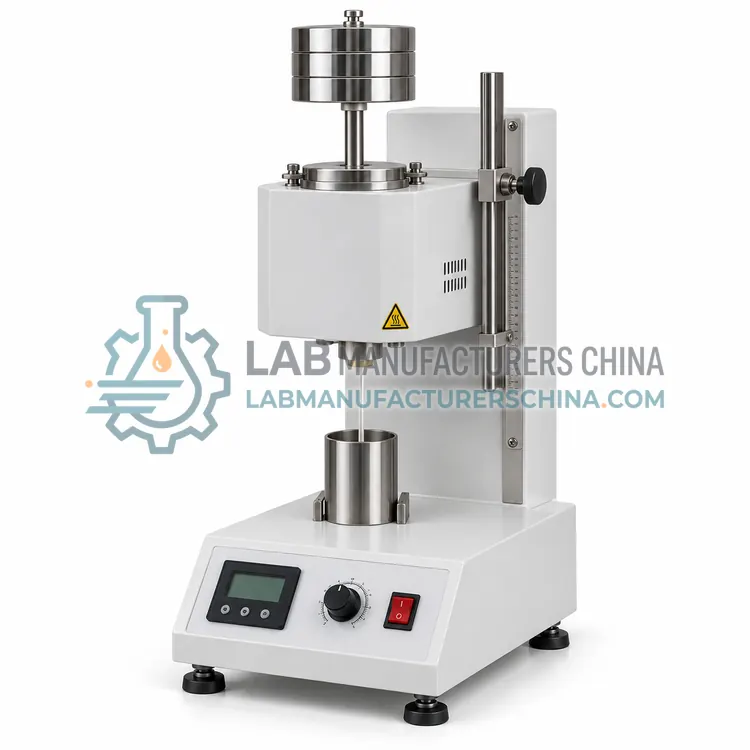 CPLA塑料分析设备Plastic analysis equipment measures the flow, density, thermal behavior, impact resistance and composition of plastic materials and finished parts. It is used by resin suppliers, molders, recyclers and testing laboratories for incoming inspection, grade verification, product qualification and failure analysis under ISO and ASTM methods.
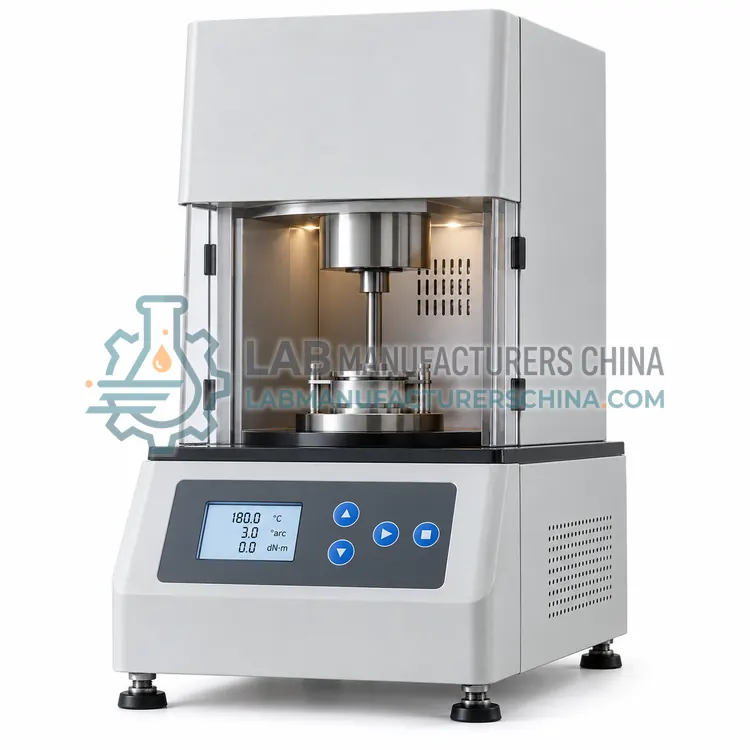 CRAE橡胶分析设备Rubber analysis equipment measures the processing, curing, aging and composition of raw rubber, compounds and vulcanized products. It includes rheometers, Mooney viscometers, rubber process analyzers, aging ovens and composition analyzers used by tire makers, compounders, seal and hose manufacturers and testing laboratories.