
Coal Testing Equipment
煤炭检测设备
CCTE · Petroleum, Mining & Industrial Analysis · 5 product types · 25 models
By Lab Manufacturers China Technical TeamLast reviewed
What are Coal Testing Equipment?
Coal testing equipment covers laboratory instruments that measure the quality and composition of coal and coke, including calorific value, ash, sulfur, moisture and volatile matter. Mines, power plants, steel mills and trading laboratories use it to grade coal, price shipments and confirm contract and emissions compliance.
5 product types in Coal Testing Equipment
The 5 product types below are grouped by the exact instrument you need.
- CAL5 models
Calorimeters
量热仪
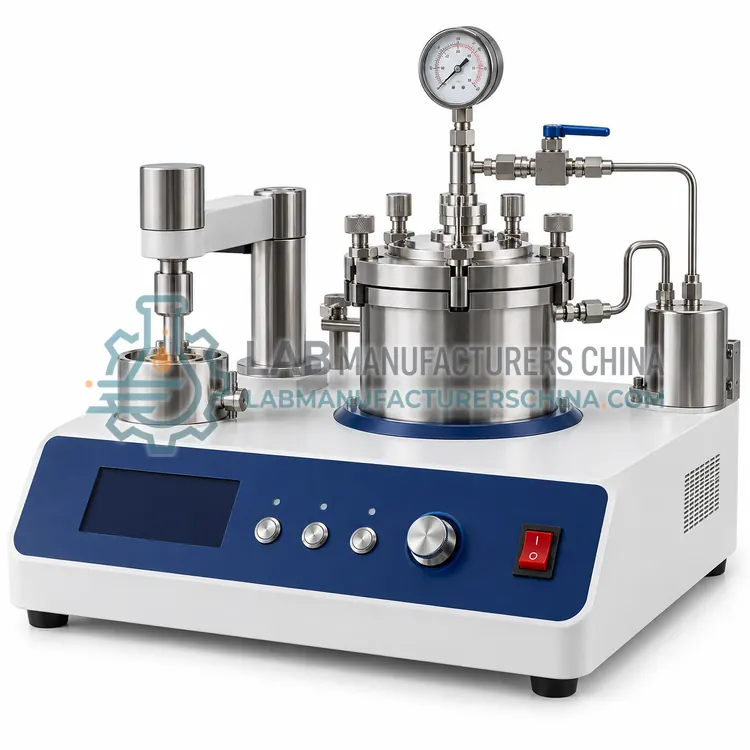
Calorimeters for coal testing measure the heat released when a weighed sample burns in oxygen, giving the gross calorific value used to price coal, design boilers and compare fuel quality. Mines, power plants, cement plants and inspection laboratories operate them under ASTM, ISO or GB/T methods.
- ASA5 models
Ash Analyzers
灰分分析仪
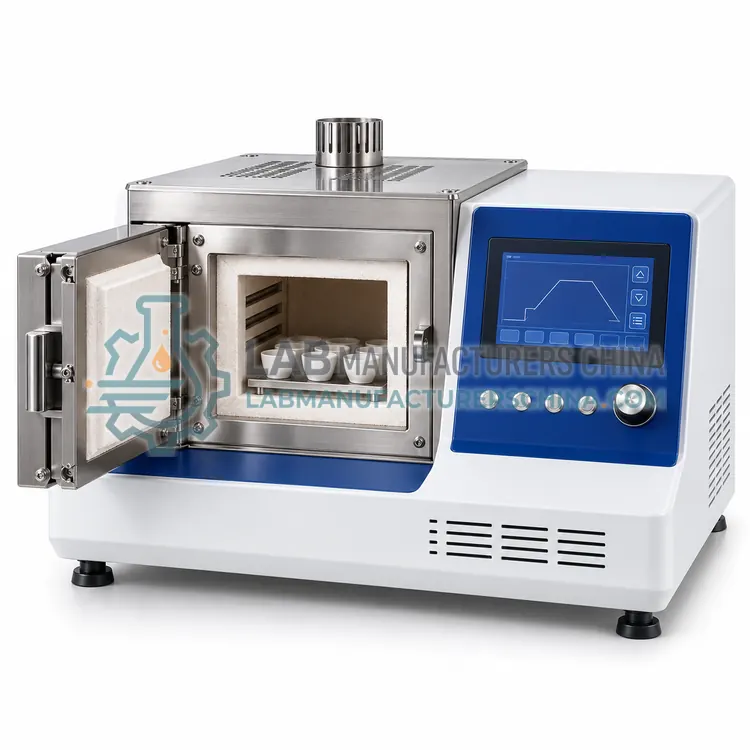
Ash analyzers determine the mineral residue left after coal or coke burns completely, expressed as a percentage of sample mass. Preparation plants, power stations, coke plants and inspection laboratories use ash content to control washing, blending and combustion efficiency and to verify contract limits.
- SAN5 models
Sulfur Analyzers
煤中硫分析仪
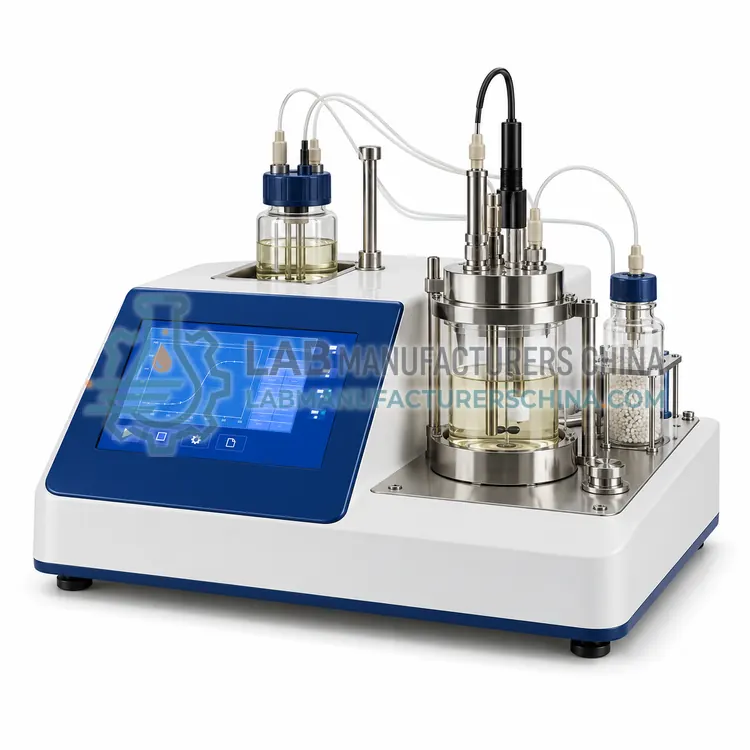
Sulfur analyzers for coal determine total sulfur in coal, coke and solid biofuels, covering sulfate, pyritic and organic sulfur together. Mines, preparation plants, power stations, coking plants and trading laboratories use the result to meet contract sulfur limits and emission rules.
- MOI5 models
Moisture Analyzers
煤中水分测定仪
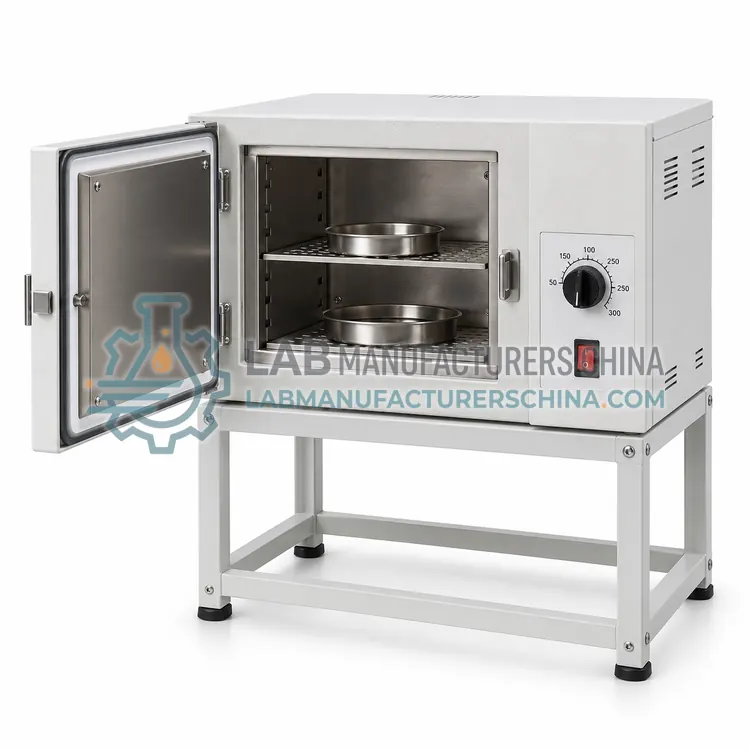
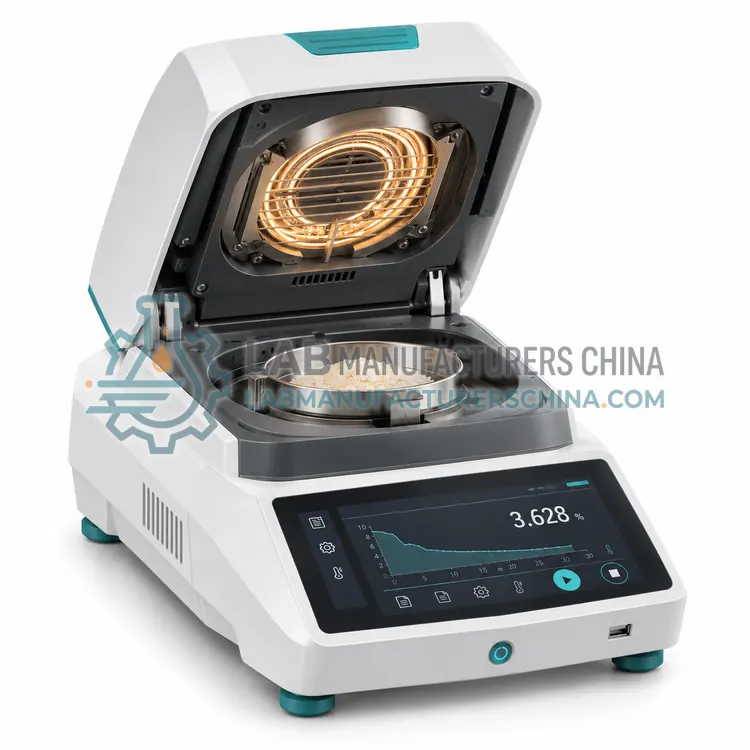
Moisture analyzers for coal determine the water content of coal, coke and solid biofuels by oven drying, halogen or microwave heating, or continuous on-belt measurement. Mines, preparation plants, power stations and trading laboratories use them for mass reconciliation, pricing and combustion control.
- CSP5 models
Coal Sample Preparation
煤样制备设备
Coal sample preparation equipment reduces, mixes and divides a coal sample so that the small portion sent to the laboratory represents the whole lot. Crushers, mills and dividers are used by mines, preparation plants, power stations and inspection laboratories.
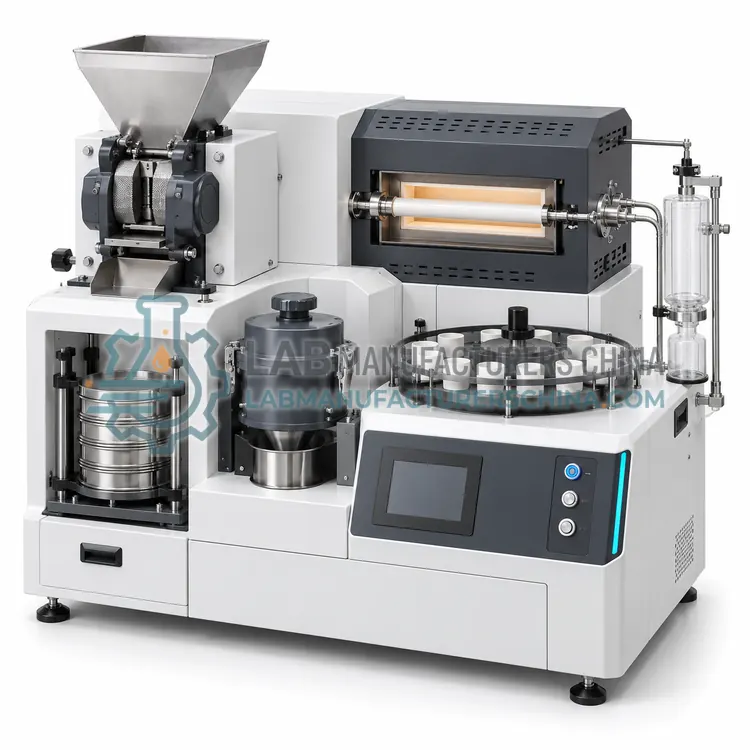
What are Coal Testing Equipment?
Coal testing equipment is the set of laboratory instruments used to determine the proximate, ultimate and calorific properties of coal, coke and solid biofuels. Proximate analysis covers moisture, ash, volatile matter and fixed carbon; ultimate analysis adds carbon, hydrogen, nitrogen, sulfur and oxygen; and calorimetry gives the gross calorific value that drives pricing and boiler design. Instruments are built around published methods from ASTM International (D3172 to D3175, D4239, D5865), ISO (ISO 1171, ISO 1928, ISO 1953) and the Chinese GB/T series, so results are comparable between seller and buyer laboratories. The scope also includes sample preparation equipment such as crushers, dividers and pulverizers, because a coal result is only as good as the sample it is measured on.
How do Coal Testing Equipment work?
The instruments differ by property. Calorimeters burn a weighed pellet of coal in a high-pressure oxygen bomb inside a water jacket and convert the temperature rise into heat released. Ash analyzers either combust a sample in a muffle furnace at 815 °C and weigh the residue, or use X-ray fluorescence and dual-energy gamma transmission to predict ash in minutes. Sulfur analyzers use combustion followed by infrared or ultraviolet detection of sulfur dioxide, or classical Eschka and bomb-washing procedures with titration. Moisture analyzers dry samples in a controlled oven, microwave cavity or halogen balance and record mass loss. Sample preparation equipment reduces particle size with jaw crushers and pulverizers, then divides representative portions with riffle or rotary dividers. All of them depend on controlled temperature, time and mass, so balances and ovens are checked against traceable standards.
Where are Coal Testing Equipment used?
Coal mines and preparation plants use these instruments to grade run-of-mine and washed product, monitor ash content for washing efficiency and confirm sulfur limits before shipment. Power utilities test incoming coal for calorific value, ash and sulfur to calculate boiler efficiency and predict emissions. Steel and cement plants check the coal and coke used in kilns and blast furnaces, where ash and sulfur affect product quality. Trading companies and independent inspection laboratories run the same methods on buyer and seller samples to settle commercial disputes. Research laboratories study coal rank, combustion behavior and ash fusion characteristics that cause slagging. Many sites combine a laboratory instrument set with preparation equipment so that crushing, dividing and testing stay in one controlled chain, which reduces moisture loss and sampling error.
Which standards apply to Coal Testing Equipment?
Core methods are published by ASTM International, ISO and the Chinese GB/T series. Proximate analysis follows ASTM D3172 to D3175 and ISO 11722; total sulfur follows ASTM D4239, ISO 351 and GB/T 214; gross calorific value follows ASTM D5865, ISO 1928 and GB/T 213; ash follows ASTM D3174 and ISO 1171; and sampling and sample preparation follow ASTM D2234, ASTM D2013 and ISO 1988. Coke is covered separately by ASTM D5341 or ISO 18894, and ash fusion temperature by ASTM D1857 and ISO 540. Accredited laboratories working to ISO/IEC 17025 are expected to verify these methods, keep reference materials and take part in proficiency testing. Instrument electrical safety is typically assessed to IEC 61010-1.
How do I select the right coal testing equipment?
Choose instruments from the methods named in your coal contract, because a result produced by another method may not be accepted in a commercial dispute. Then match throughput and automation to your volume: manual muffle furnaces and bomb calorimeters suit small laboratories, while automatic ash, sulfur and moisture analyzers process many samples with fewer operator steps. Consider sample size, since small-scale analyzers reduce handling but need representative, well-ground material. Check the moisture range and whether the instrument can report total, inherent and surface moisture as your specification requires. For sulfur, decide between reference combustion methods and rapid XRF or gamma screening, which is faster but needs calibration against the reference method. Finally plan for a complete chain that includes crusher, divider and pulverizer, since preparation quality limits every later result.
Coal Testing Equipment comparison
| Subcategory | Principle | Typical use | Key spec |
|---|---|---|---|
| Calorimeters | Oxygen bomb combustion inside a water jacket | Calorific value for pricing and boiler design | Gross calorific value in MJ/kg, repeatability about 0.1 % |
| Ash Analyzers | Muffle furnace ashing at 815 °C or XRF and gamma prediction | Ash content for washing and blending control | 0–100 % ash range, furnace to 1000 °C |
| Sulfur Analyzers | Combustion with IR or UV detection, or Eschka titration | Total sulfur for emissions and contract limits | Sulfur range from about 0.01 % upward |
| Moisture Analyzers | Oven, microwave or halogen drying with mass-loss weighing | Total moisture for freight and boiler efficiency | 0–100 % moisture, drying temperature 105 °C |
| Coal Sample Preparation | Crushing, pulverizing, mixing and dividing | Representative laboratory samples | Feed size down to pulverized product below 200 µm |
Frequently asked questions about Coal Testing Equipment
The category includes bomb calorimeters for calorific value, ash analyzers, sulfur analyzers, moisture analyzers and coal sample preparation equipment such as crushers, dividers and pulverizers. Together they cover proximate and ultimate analysis plus the preparation steps that make a sample representative.
Common methods include ASTM D3172 to D3175 for proximate analysis, ASTM D5865 and ISO 1928 for calorific value, ASTM D4239 and ISO 351 for sulfur, and ASTM D2013 and ISO 1988 for sample preparation. Contract documents should name the exact method editions required.
A weighed sample burns in an oxygen-filled bomb inside a water jacket, and the temperature rise is converted into heat released per unit mass. The result is reported as gross calorific value in MJ/kg on an as-received, dry or dry ash-free basis.
Coal is heterogeneous, so ash, moisture and sulfur vary from lump to lump within a shipment. Crushing, mixing and dividing into representative laboratory portions reduce that variability. If the prepared sample does not represent the lot, no instrument accuracy can compensate for the error.
Combustion, thermal and weighing instruments are usually verified daily or per batch with reference materials and checked annually against traceable standards. Rapid screening methods such as XRF or gamma ash analyzers need regular calibration against the reference method on the coal types you test.
Many calorimeters, ash furnaces and sulfur analyzers handle coke as well as coal, with sample preparation adapted to hardness and particle size. Solid biofuels have their own standards, including ISO 18122 for ash and ISO 18125 for calorific value, so method applicability should be confirmed.
Related categories
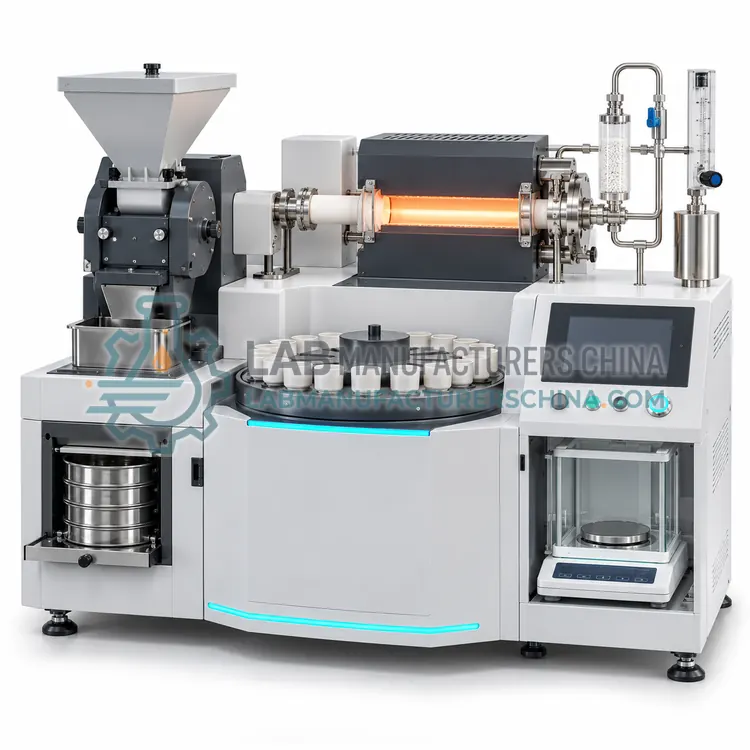 CMLE矿业实验室设备Mining laboratory equipment covers the instruments used to prepare mineral samples and to test ore properties: crushers, pulverizers, splitters and flotation cells, together with mineral analysis instruments such as X-ray diffraction and automated mineralogy systems. Mines, concentrators, geologists and assay laboratories use them.
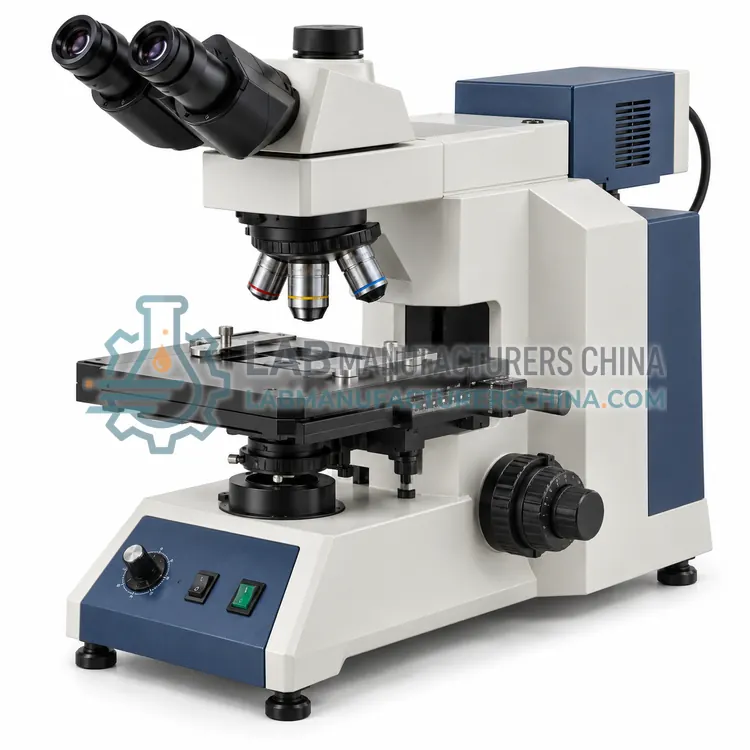 CMET金相与冶金实验室设备Metallurgical laboratory equipment covers the instruments used to prepare metal specimens, examine microstructure, test mechanical properties and determine chemical composition. Foundries, steel mills, heat treaters, welding shops and inspection bodies use it for quality control and failure analysis.
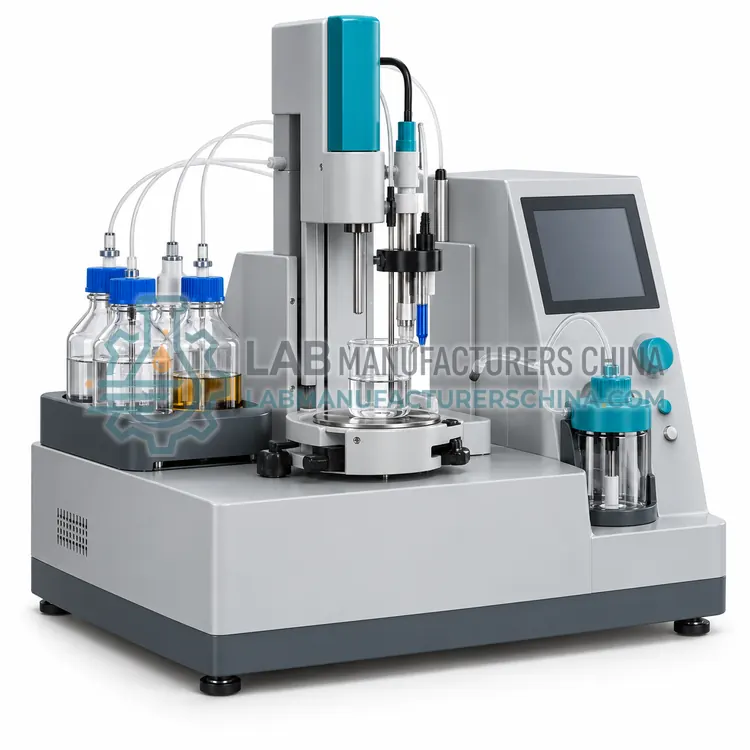 CCAE化学分析设备Chemical analysis equipment covers instruments that determine the composition and concentration of substances in industrial, petroleum, mining and environmental samples. It includes titrators, spectrometers, elemental analyzers, electrochemical analyzers and sample preparation systems used by QC laboratories, refineries, mineral assay labs and research institutes.
 CIQC工业质量控制设备Industrial quality control equipment covers the analyzers, inspection tools, in-line process instruments, measurement systems and sample preparation devices used to verify that raw materials, intermediates and finished goods meet specification. It serves production laboratories, incoming inspection, process engineering and quality assurance teams across manufacturing sectors.