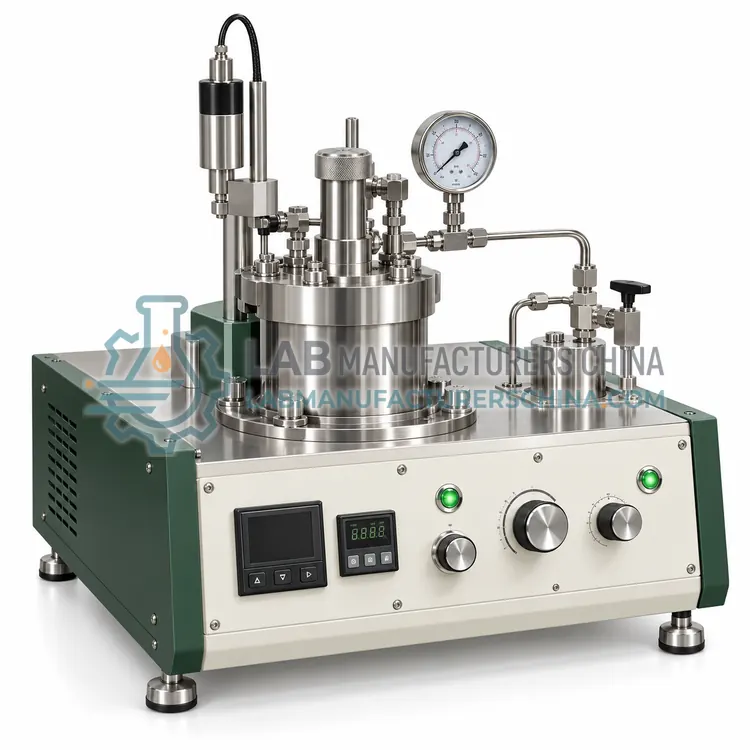
How do Calorimeters work?
A bomb calorimeter burns a pressed pellet of coal, about 0.5 to 1 g, in a high-pressure oxygen bomb immersed in a measured volume of water. The heat released raises the water temperature, and the temperature rise multiplied by the effective heat capacity of the system, called the water equivalent, gives the energy released. Corrections are applied for fuse wire, acid formation and the mass of the crucible contents. In an isoperibol design the jacket stays at a fixed temperature and the temperature-time curve is computed, in an adiabatic design the jacket follows the bomb temperature so heat loss is nearly zero, and in a manual static design the operator reads temperatures and applies a radiation correction. A microprocessor logs the curve, derives the water equivalent from certified benzoic acid and reports the result in MJ/kg.
Which Calorimeters variants are available?
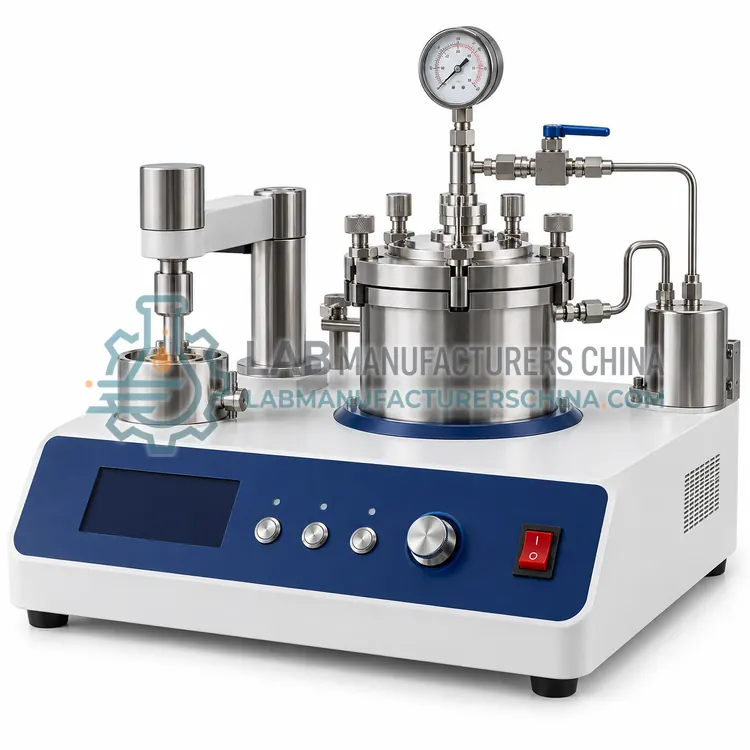
- Manual Static-Jacket Bomb Calorimeter — A manual static-jacket bomb calorimeter burns a coal pellet in oxygen inside a fixed-temperature water jacket, and the operator reads the temperature rise to obtain the calorific value.
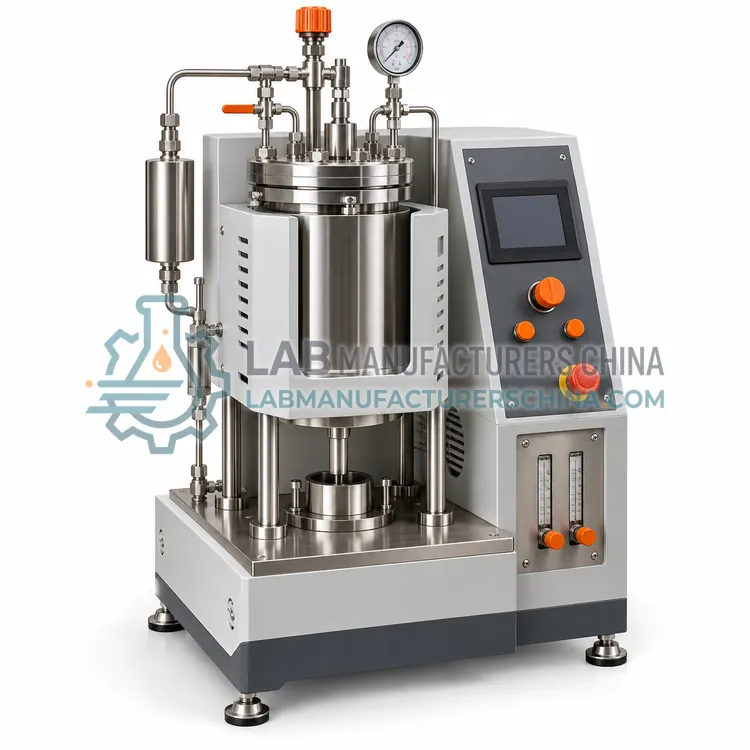
- Isoperibol Bomb Calorimeter — An isoperibol bomb calorimeter holds the jacket at a constant temperature while logging the bomb temperature electronically, so no manual reading or correction is needed.
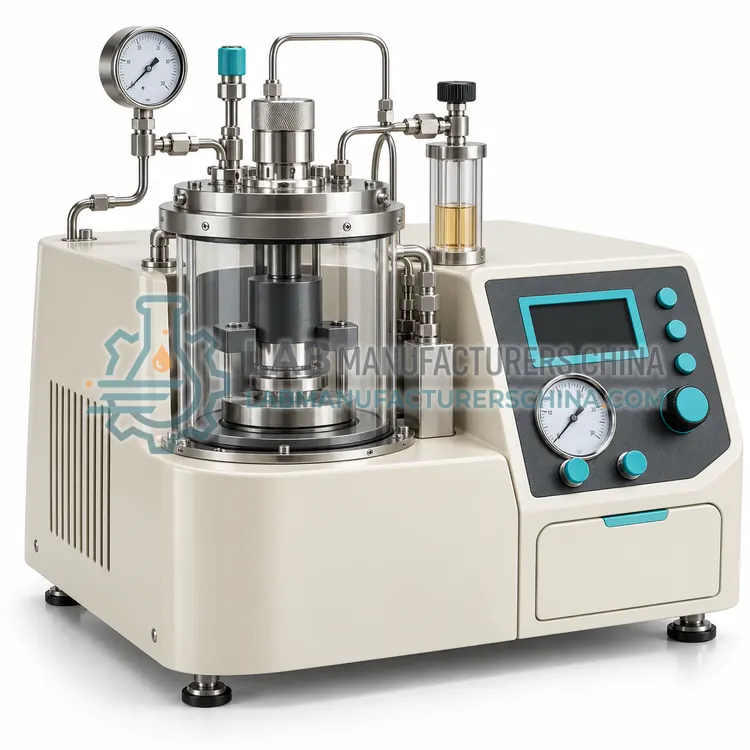
- Adiabatic Bomb Calorimeter — An adiabatic bomb calorimeter keeps the jacket temperature equal to the bomb temperature throughout the test, so almost no heat is exchanged with the surroundings.
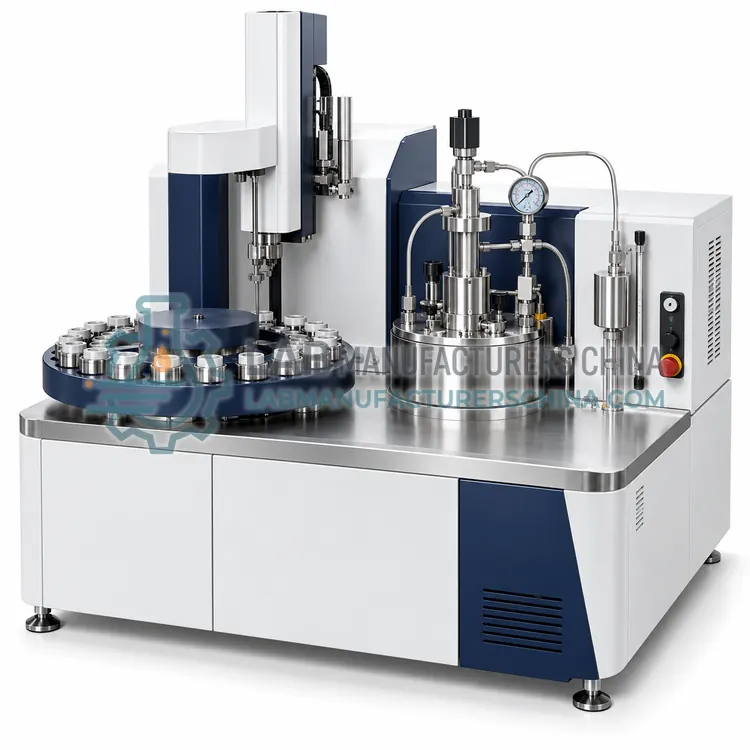
- Automatic Bomb Calorimeter with Carousel Autosampler — An automatic bomb calorimeter with a carousel autosampler loads, fires and calculates a series of prepared samples without operator intervention.
- Semi-Micro Oxygen Bomb Calorimeter — A semi-micro oxygen bomb calorimeter measures calorific value on samples of roughly 0.1 to 0.5 g, using a smaller bomb and cup.
How do I choose the right variant?
Selection turns on required accuracy, sample throughput and how much operator attention your laboratory can accept. Manual static-jacket units are the least expensive and are adequate for occasional checks, but they depend on the operator for temperature reading and correction. Isoperibol instruments dominate routine coal laboratories because they combine good accuracy with automatic temperature logging. Adiabatic calorimeters give the highest precision for reference work and for samples that burn slowly, such as some cokes and biomass, but they cost more and need careful setup. Check water-equivalent stability, reported resolution, the type of oxygen filling system, availability of benzoic acid and certified reference coal, and whether the software reports on the as-received, dry or dry ash-free basis your contract expects.
Where are Calorimeters used?
Calorimeters are specified in coal calorific value for pricing, power plant boiler efficiency monitoring, cement and steel kiln fuel checks, coke and solid biofuel testing and proficiency testing and reference work.
Which standards and certifications apply?
Work with Calorimeters is commonly governed by ASTM D5865, ISO 1928, GB/T 213, ASTM D3175, ISO 18125, ASTM E711 and IEC 61010-1. Instrument certifications such as CE marking are confirmed per configuration and never assumed.
What are the key considerations before purchase?
Install the calorimeter on a stable bench away from direct sunlight, draughts and heat sources, because ambient stability affects jacket temperature. Use oxygen of the specified purity from a regulator fitted with a pressure relief, and inspect the bomb, seals and valves on a schedule. Verify the water equivalent at the start of each working session with certified benzoic acid and monitor it as a trend, since drift indicates a leaking bomb, contaminated water or a failing sensor. Keep records of calibration and reference coal results, and compare them with the tolerances stated in the method. Confirm that report basis, sulfur and moisture corrections in the software match your contract.