
Rubber Analysis Equipment
橡胶分析设备
CRAE · Petroleum, Mining & Industrial Analysis · 5 product types · 25 models
By Lab Manufacturers China Technical TeamLast reviewed
What are Rubber Analysis Equipment?
Rubber analysis equipment measures the processing, curing, aging and composition of raw rubber, compounds and vulcanized products. It includes rheometers, Mooney viscometers, rubber process analyzers, aging ovens and composition analyzers used by tire makers, compounders, seal and hose manufacturers and testing laboratories.
5 product types in Rubber Analysis Equipment
The 5 product types below are grouped by the exact instrument you need.
- RHM5 models
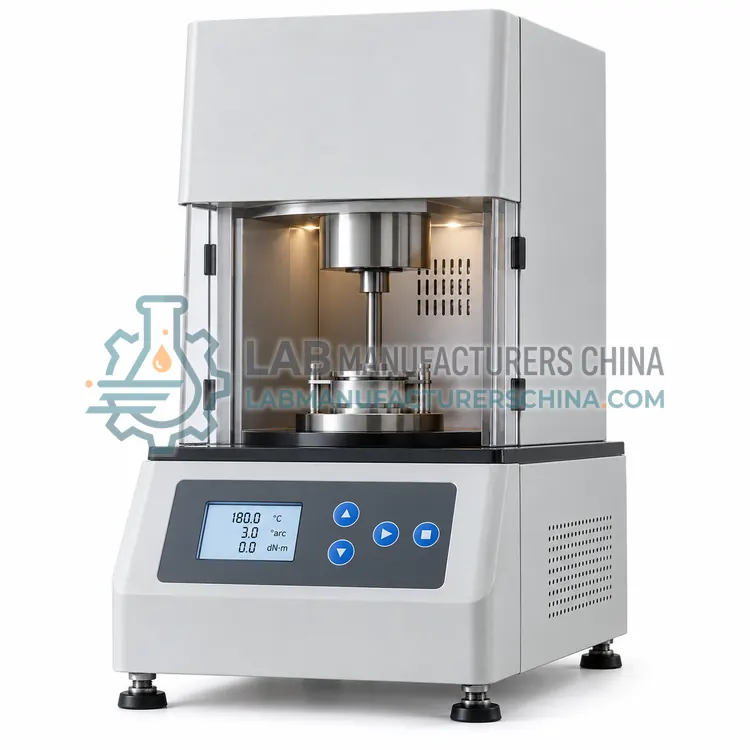
Rheometers
橡胶分析用流变仪
Rheometers for rubber analysis measure cure kinetics, viscosity and viscoelastic response of unvulcanised and vulcanised compounds under defined temperature, strain and frequency. They are the core instruments of rubber process control, compound development and production release testing.
- MOV5 models
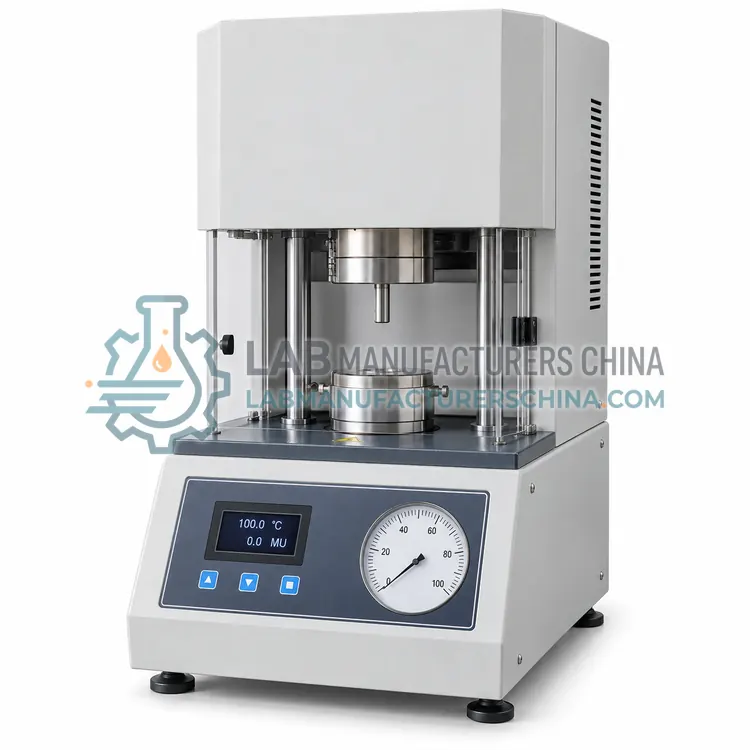
Mooney Viscometers
门尼黏度仪
Mooney viscometers measure the viscosity of unvulcanised rubber by rotating a disc-shaped rotor in a heated, sealed cavity and recording the torque required. The Mooney value indexes processability, batch consistency and compound stiffness before shaping and curing.
- RPA5 models
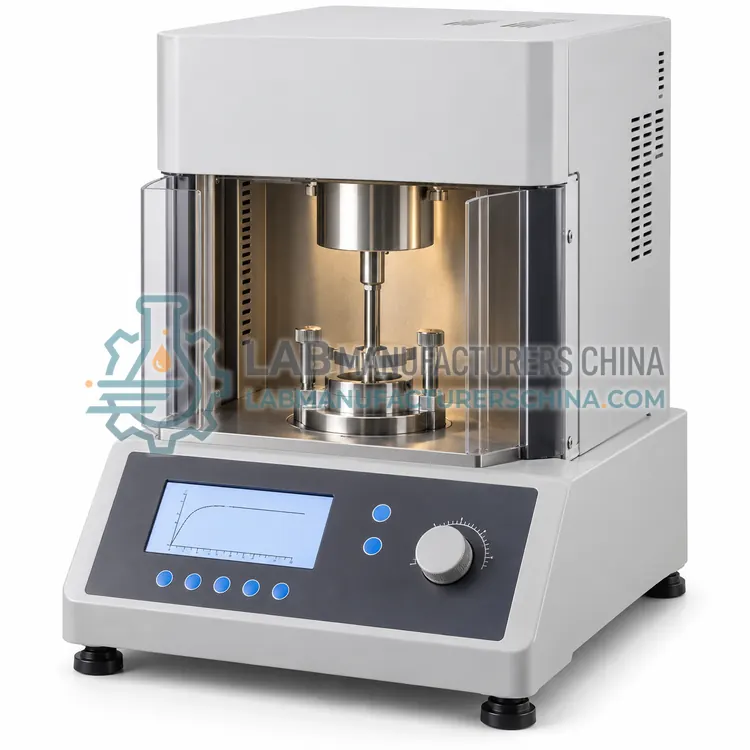
Rubber Process Analyzers
橡胶加工分析仪
Rubber process analyzers measure the dynamic and cure properties of unvulcanised and vulcanised rubber in a sealed oscillating cavity across a range of strain, frequency and temperature. They relate compound structure to mixing, shaping and curing performance in one instrument.
- AGO5 models
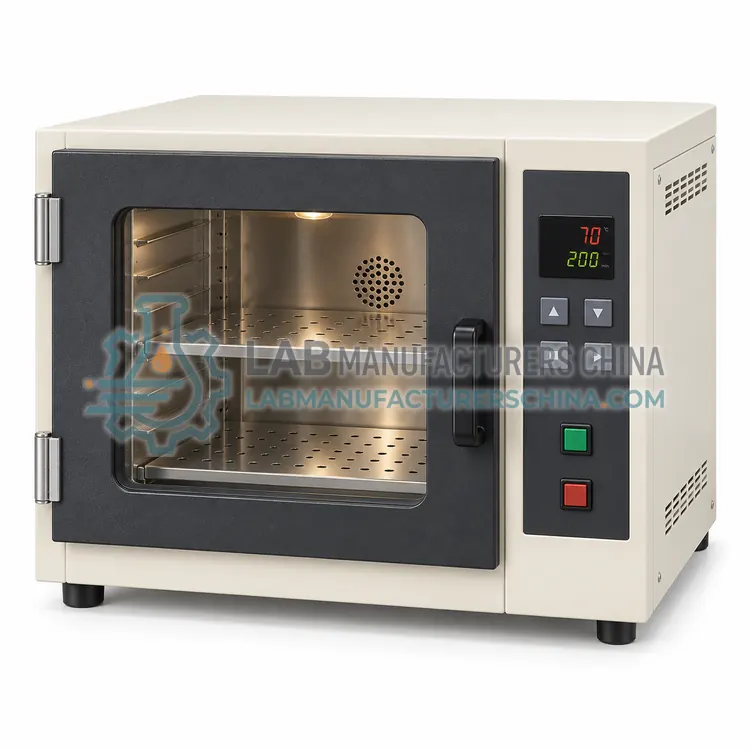
Aging Ovens
橡胶老化试验设备
Rubber aging equipment exposes vulcanised specimens to controlled heat, oxygen, ozone or light for a defined period so that changes in properties can be measured afterwards. It predicts service life, verifies formulations and supports specification testing.
- RCA5 models
Rubber Composition Analysis
橡胶组成分析仪
Rubber composition analysis determines the polymer type, filler and carbon black content, plasticisers, process oils and inorganic additives present in a vulcanised or unvulcanised compound. It supports formulation verification, failure analysis and supplier comparison.
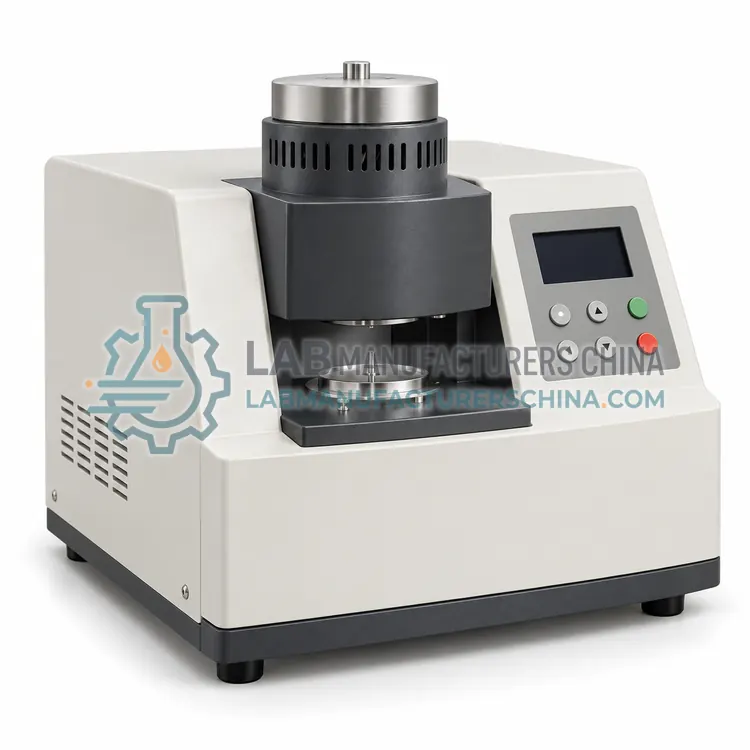
What are Rubber Analysis Equipment?
Rubber analysis equipment is used to characterize elastomers through each stage from raw polymer to finished article. Mooney viscometers and rubber process analyzers describe how an unvulcanized compound will flow and process. Curemeters and moving die or oscillating disk rheometers follow vulcanization, giving scorch time, cure rate and final torque. Aging ovens expose vulcanized samples to heat and air to predict service life, and composition instruments quantify polymer, carbon black, oil, filler and ash. Rubber behaves in a strongly time, temperature and strain dependent way, so results are only comparable when test conditions follow a standard exactly. Compounders and tire and rubber goods manufacturers use these data to release batches, control mixing and cure cycles, and qualify raw materials.
How do Rubber Analysis Equipment work?
Most rubber instruments shear or deform a sample in a heated closed cavity and measure the resulting torque. A Mooney viscometer rotates a rotor embedded in the compound at 2 rpm and reports torque as Mooney units, with scorch measured from the rise in torque. A moving die rheometer oscillates the lower die at small strain and records elastic torque as the compound cures, producing a vulcanization curve. A rubber process analyzer extends this with strain, frequency and temperature sweeps to reveal dynamic properties. Aging ovens circulate heated air at a controlled rate and temperature, after which mechanical properties are retested. Thermogravimetry or extraction and ashing methods separate oil, polymer, carbon black and mineral filler. Good temperature control and die sealing are essential for repeatable results.
Where are Rubber Analysis Equipment used?
Tire manufacturers use Mooney and curemeter data to release mixed compound and to tune cure cycles for treads, sidewalls and inner liners. General rubber goods producers making hoses, belts, gaskets, seals and footwear use the same tests for incoming polymer and batch control. Compounders verify that mixing has achieved the intended dispersion and cure characteristics before shipping. Aging tests support product life claims for outdoor, underhood and sealing applications. Composition analysis verifies polymer blend ratio, carbon black loading and oil content, and helps identify the cause when a compound fails. Research laboratories apply rubber process analyzers to study filler networks, crosslinking and the effect of new additives on dynamic behavior.
Which standards apply to Rubber Analysis Equipment?
Rubber testing is governed by well-established standards. Mooney viscosity and scorch are defined in ISO 289-1 and ASTM D1646. Cure characteristics from oscillating disk and rotorless rheometers are covered by ISO 3417 and ISO 6502, and ASTM D2084 and D5289. Dynamic behavior measured by rubber process analyzers follows ASTM D6204 and D6601. Accelerated aging in hot air follows ISO 188 and ASTM D573, with oven requirements described in ASTM D5374. Composition methods include ISO 1408 for carbon black and ASTM D297 for rubber product analysis. Specimen preparation and conditioning follow ISO 23529. Always confirm which edition your customer references, and calibrate torque, temperature and die gap at regular intervals.
How do I select the right rubber analysis equipment?
Choose equipment by the stage of production you need to control. For incoming raw rubber and mixed compound release, a Mooney viscometer and a moving die curemeter cover most specifications. If development or troubleshooting requires strain-dependent and frequency-dependent properties, add a rubber process analyzer. For service life claims, select an aging oven with the air change rate, temperature uniformity and capacity required by your standard. Composition work may need TGA or extraction and ashing equipment. Compare temperature range and stability, torque range, die type and gap, automatic sample handling, and software for curve analysis and report templates. Verify that torque and temperature calibration can be traced, that spare dies and seals are available, and that operators can be trained locally.
Rubber Analysis Equipment comparison
| Subcategory | Principle | Typical use | Key spec |
|---|---|---|---|
| Rheometers | Oscillating die torque during cure | Cure characteristics and scorch | Temperature up to 200 C |
| Mooney Viscometers | Rotor torque in a heated closed cavity | Raw rubber and compound viscosity | Torque range 0 to 200 MU |
| Rubber Process Analyzers | Strain, frequency and temperature sweeps | Dynamic properties and filler networks | Strain and frequency range |
| Aging Ovens | Heated circulating air exposure | Accelerated aging of vulcanizates | Temperature uniformity and air changes |
| Rubber Composition Analysis | TGA, extraction and ashing | Polymer, carbon black and oil content | Balance sensitivity |
Frequently asked questions about Rubber Analysis Equipment
Rubber compounds are commonly tested with a Mooney viscometer for processability, a moving die rheometer or curemeter for vulcanization, a rubber process analyzer for dynamic properties, aging ovens for durability and TGA or extraction methods for composition.
Mooney viscosity is the torque required to rotate a rotor in a rubber sample at a set temperature, commonly 100 C. It indicates the stiffness of the unvulcanized material and helps predict how it will mix, extrude and mold. Scorch time is read from the same test.
A cure curve plots torque against time at vulcanization temperature. It shows the minimum torque, scorch time, cure rate and maximum torque, which correspond to viscosity, onset of crosslinking, speed of cure and final stiffness. It is used to set press cure times.
Aging ovens expose vulcanized rubber to elevated temperature and circulating air for a set time so that oxidative and thermal degradation can be accelerated. Changes in hardness, tensile strength and elongation are then compared with unaged samples to estimate durability.
Composition is usually determined by thermogravimetric analysis, which separates volatiles, oil, polymer, carbon black and ash by heating in nitrogen then air, or by solvent extraction and ashing procedures. Infrared spectroscopy helps identify the polymer type.
Related categories
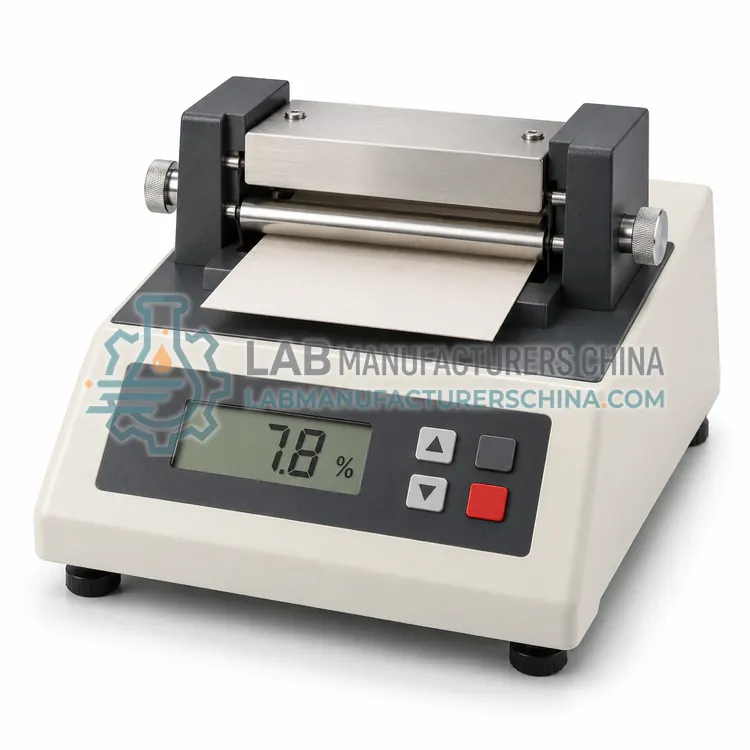 CPAP纸张分析设备Paper analysis equipment measures the moisture, thickness, brightness, burst strength and overall physical quality of paper, board and packaging. It is used by paper mills, converters, packaging manufacturers and testing laboratories for grade control, customer specification compliance and troubleshooting of runnability and print performance.
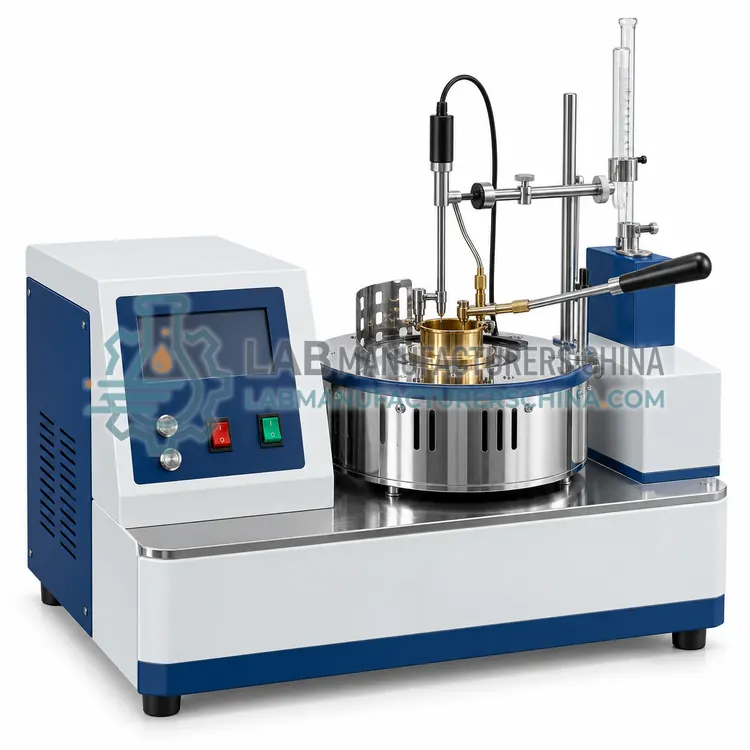 CPTE石油测试设备Petroleum testing equipment covers laboratory instruments that measure the physical, chemical and performance properties of crude oil and refined products, including flash point, distillation range, viscosity, sulfur content and octane or cetane quality. Refineries, terminals, fuel distributors and independent inspection laboratories use them to verify product specifications.
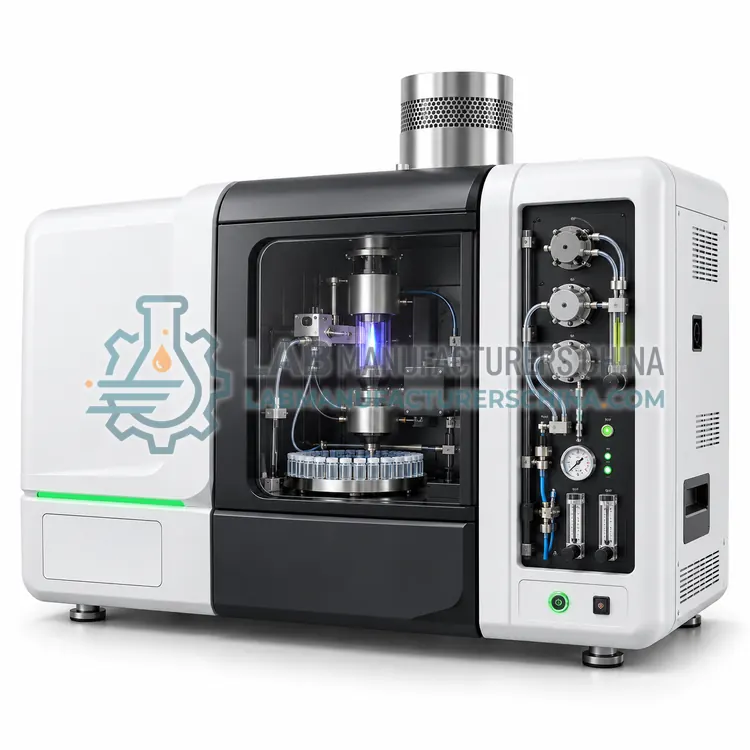 COTE油品检测设备Oil testing equipment covers laboratory and field instruments that measure the physical, chemical and electrical properties of mineral oils, insulating oils, edible oils and fuel oils. It is used by utilities, refineries, food processors and maintenance teams to verify quality, detect degradation and decide on oil change or treatment.
 CLTE润滑剂检测设备Lubricant testing equipment covers instruments that measure the viscosity, wear protection, grease consistency, oxidation resistance and in-service condition of lubricating oils and greases. Lubricant formulators, base-oil producers, equipment makers and maintenance laboratories use it to qualify products and track degradation.