Lab Manufacturers China

Mooney Viscometers

门尼黏度仪

MOV · Rubber Analysis Equipment · 5 models

By Lab Manufacturers China Technical TeamLast reviewed Standards: ISO 289-1, ISO 289-2, ISO 289-4

Standards referenced

  • ISO 289-1
  • ISO 289-2
  • ISO 289-4
  • ASTM D1646
  • ASTM D3346
  • GB/T 1232.1
  • IEC 61010-1

What are Mooney Viscometers?

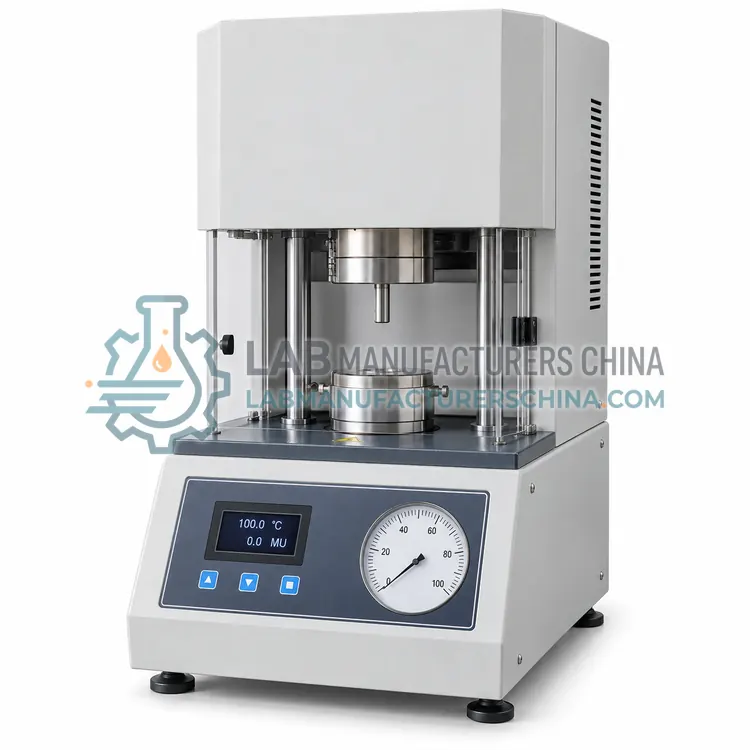
Mooney viscometers measure the viscosity of unvulcanised rubber by rotating a disc-shaped rotor in a heated, sealed cavity and recording the torque required. The Mooney value indexes processability, batch consistency and compound stiffness before shaping and curing.

5 models of Mooney Viscometers

The 5 models below are current configurations; specifications are confirmed on quotation.

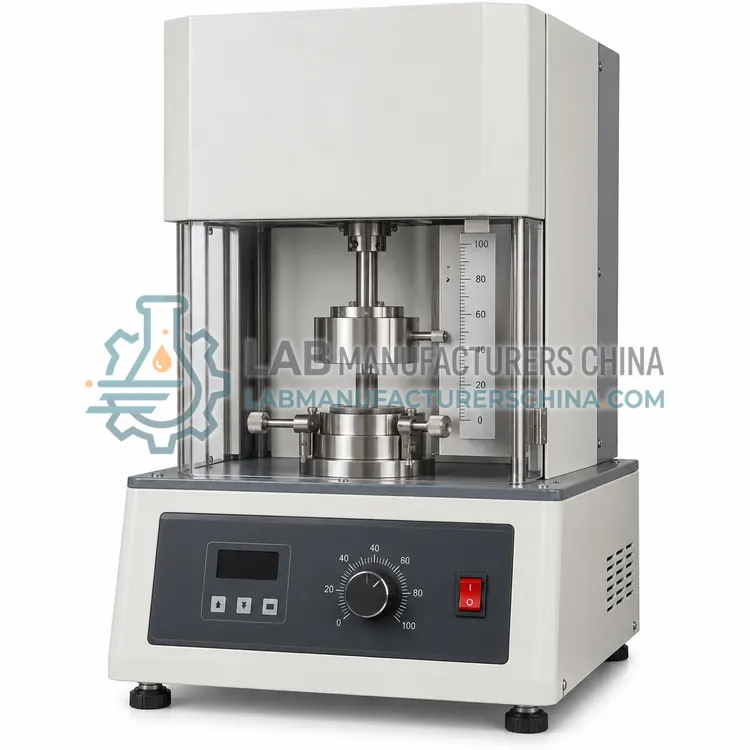
Standard Mooney Viscometer for Raw Rubber

生胶用标准门尼黏度仪

  • MOV-0001
  • Mooney Viscometers
  • CE (to be confirmed)
  • ISO 9001 manufacturing (to be confirmed)
Cavity temperature:
100 °C standard condition
Temperature accuracy:
±0.3 °C
Rotor speed:
2.0 ± 0.02 rpm
Rotor diameter:
About 30.5 mm
Cavity diameter:
About 50.8 mm
Torque range:
0–200 Mooney units

A standard Mooney viscometer measures the shearing torque of an unvulcanised rubber specimen in a heated cavity at one rotor speed. It is the reference instrument for grading raw natural and synthetic rubber and for incoming inspection.

Request a quote
View details

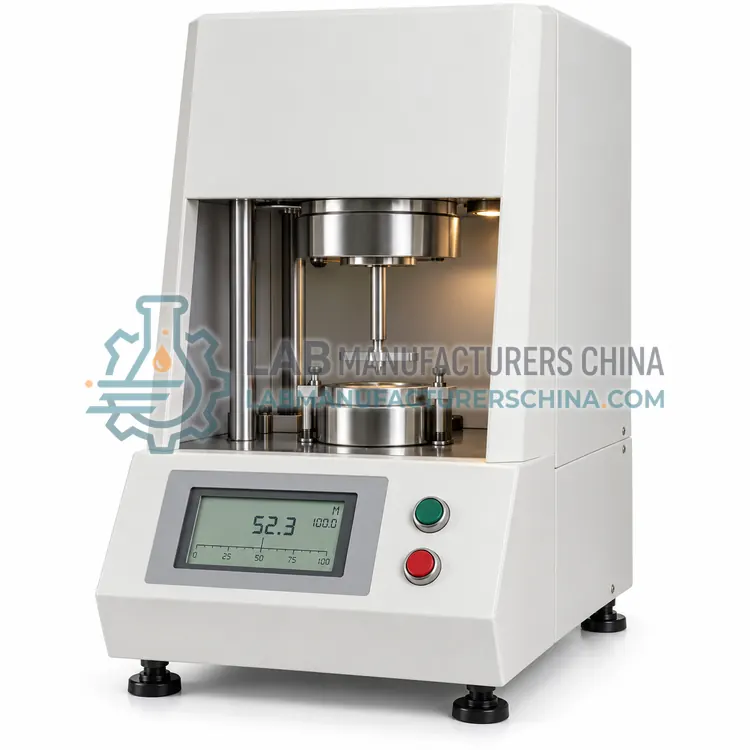
Automated Mooney Viscometer with Stress Relaxation Testing

带应力松弛测试的自动门尼黏度仪

  • MOV-0002
  • Mooney Viscometers
  • CE (to be confirmed)
  • ISO 9001 manufacturing (to be confirmed)
Cavity temperature:
100 °C standard, up to 200 °C option
Temperature accuracy:
±0.3 °C
Rotor speed:
2.0 rpm standard
Rotor release:
Automatic, within 0.1 s
Stress relaxation time:
Up to 60 s
Torque range:
0–200 Mooney units

An automated Mooney viscometer closes the cavity, runs the test and releases the rotor without operator intervention, and measures Mooney stress relaxation after the rotor stops. It adds structural information to the viscosity value.

Request a quote
View details

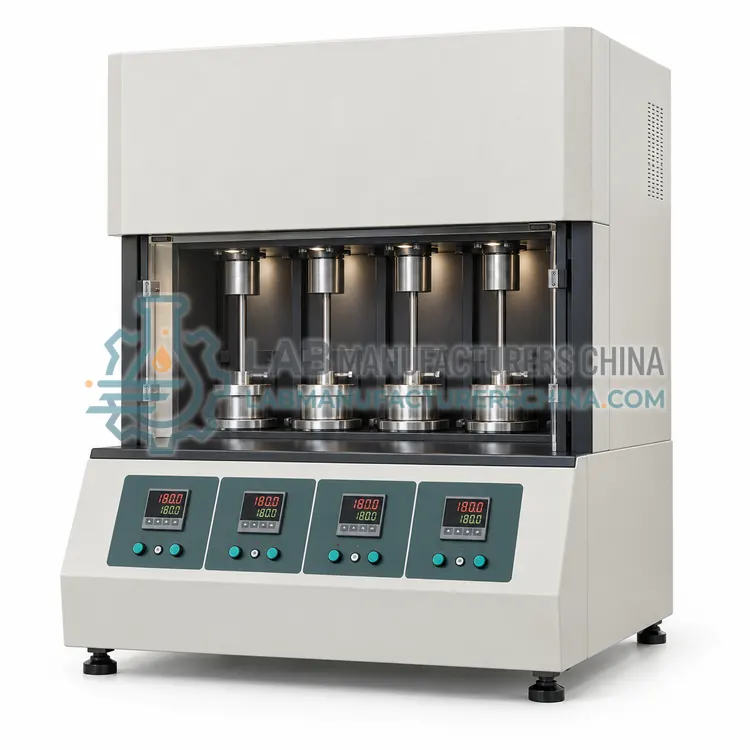
Multi-Station Mooney Viscometer for Production Control

生产控制用多工位门尼黏度仪

  • MOV-0003
  • Mooney Viscometers
  • CE (to be confirmed)
  • ISO 9001 manufacturing (to be confirmed)
Number of stations:
2–4
Cavity temperature:
100 °C standard, per station
Temperature accuracy:
±0.3 °C
Rotor speed:
2.0 rpm per station
Torque range:
0–200 Mooney units
Throughput:
Up to 4 tests in parallel

A multi-station Mooney viscometer contains two or more independent cavities that test different specimens in parallel. It suits mixing plants and raw rubber inspection stations where many lots are graded each shift.

Request a quote
View details

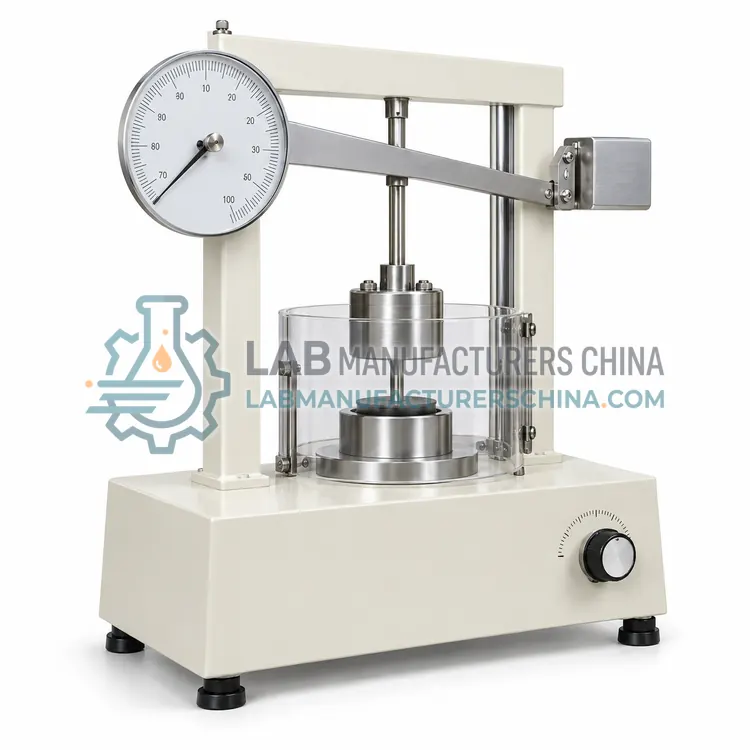
Mooney Viscometer for Silicone Rubber Compounds

硅橡胶混合料用门尼黏度仪

  • MOV-0004
  • Mooney Viscometers
  • CE (to be confirmed)
  • ISO 9001 manufacturing (to be confirmed)
Cavity temperature:
Up to 200 °C for silicone conditions
Temperature accuracy:
±0.3 °C
Rotor speed:
2.0 rpm
Torque range:
0–200 Mooney units, low torque capable
Specimen mass:
About 8–10 g
Closing force:
Adjustable for soft compounds

A Mooney viscometer configured for silicone rubber uses higher cavity temperatures and a cavity finish suited to soft, tacky compounds. It measures the consistency of silicone base stocks and uncured silicone compounds before moulding.

Request a quote
View details

Mooney Viscometer for High-Viscosity and Highly Filled Compounds

高黏度高填充胶料用门尼黏度仪

  • MOV-0005
  • Mooney Viscometers
  • CE (to be confirmed)
  • ISO 9001 manufacturing (to be confirmed)
Torque range:
0–400 Mooney units
Cavity temperature:
100 °C standard, up to 200 °C option
Temperature accuracy:
±0.3 °C
Rotor speed:
2.0 rpm
Drive power:
Up to 1.5 kW
Specimen mass:
About 10–12 g

A high-torque Mooney viscometer is built to measure stiff, highly loaded compounds whose viscosity approaches the limit of standard instruments. It is used for rubber with high filler loading, very high molecular weight grades and reclaimed rubber.

Request a quote
View details

Compare Mooney Viscometers models

ModelCavity temperatureTemperature accuracyRotor speedTorque rangePreheat period
Standard Mooney Viscometer for Raw RubberMOV-0001100 °C standard condition±0.3 °C2.0 ± 0.02 rpm0–200 Mooney units1 min typical
Automated Mooney Viscometer with Stress Relaxation TestingMOV-0002100 °C standard, up to 200 °C option±0.3 °C2.0 rpm standard0–200 Mooney units—
Multi-Station Mooney Viscometer for Production ControlMOV-0003100 °C standard, per station±0.3 °C2.0 rpm per station0–200 Mooney units—
Mooney Viscometer for Silicone Rubber CompoundsMOV-0004Up to 200 °C for silicone conditions±0.3 °C2.0 rpm0–200 Mooney units, low torque capableProgrammable
Mooney Viscometer for High-Viscosity and Highly Filled CompoundsMOV-0005100 °C standard, up to 200 °C option±0.3 °C2.0 rpm0–400 Mooney unitsUp to 5 min programmable

Indicative values for this product class. Final specifications are confirmed on the quotation and in the calibration documents supplied with the instrument.

How do Mooney Viscometers work?

A rubber specimen is placed in a grooved cylindrical cavity heated to the standard test temperature, usually 100 °C, and a serrated disc rotor is pressed into it. The rotor turns slowly, typically at 2 revolutions per minute, shearing the compound between rotor and cavity wall, and the torque needed to maintain rotation is converted into Mooney units. The specimen is preheated for a defined time so it reaches cavity temperature, then the rotor runs for a fixed period while the torque settles to a plateau, which is reported as the Mooney viscosity. Continued running beyond the standard time reveals scorch, and releasing the rotor at the end of the test allows Mooney stress relaxation to be measured, a parameter sensitive to molecular structure and to compound elasticity.

Which Mooney Viscometers variants are available?

  • Standard Mooney Viscometer for Raw Rubber — A standard Mooney viscometer measures the shearing torque of an unvulcanised rubber specimen in a heated cavity at one rotor speed.
  • Automated Mooney Viscometer with Stress Relaxation Testing — An automated Mooney viscometer closes the cavity, runs the test and releases the rotor without operator intervention, and measures Mooney stress relaxation after the rotor stops.
  • Multi-Station Mooney Viscometer for Production Control — A multi-station Mooney viscometer contains two or more independent cavities that test different specimens in parallel.
  • Mooney Viscometer for Silicone Rubber Compounds — A Mooney viscometer configured for silicone rubber uses higher cavity temperatures and a cavity finish suited to soft, tacky compounds.
  • Mooney Viscometer for High-Viscosity and Highly Filled Compounds — A high-torque Mooney viscometer is built to measure stiff, highly loaded compounds whose viscosity approaches the limit of standard instruments.

How do I choose the right variant?

Choose the configuration from the compound and the purpose. Standard single-cavity instruments suit raw rubber incoming inspection and are the reference geometry for historical data. An instrument with automatic rotor release and stress relaxation measurement adds information about molecular structure and is preferred where compound elasticity affects shaping. Multi-cavity or automated instruments are justified when many batches are tested per shift or when raw rubber is graded automatically. Higher-temperature operation or a dedicated cavity may be needed for silicone compounds, which are measured at a different condition, and for very stiff or highly filled compounds the torque range and rotor design must be confirmed before selection.

Where are Mooney Viscometers used?

Mooney Viscometers are specified in mooney viscosity grading of raw natural and synthetic rubber, batch consistency control at mixing plants, scorch and pre-vulcanisation checks, mooney stress relaxation for structure assessment, incoming inspection of reclaimed rubber and processability prediction before extrusion.

Which standards and certifications apply?

Work with Mooney Viscometers is commonly governed by ISO 289-1, ISO 289-2, ISO 289-4, ASTM D1646, ASTM D3346, GB/T 1232.1 and IEC 61010-1. Instrument certifications such as CE marking are confirmed per configuration and never assumed.

What are the key considerations before purchase?

Verify cavity temperature with a calibrated probe, because Mooney viscosity falls steeply with temperature and a deviation of one degree changes the value measurably. Keep the rotor and cavity grooves free of cured rubber, since residue reduces the shearing volume and biases results. Use the standard specimen mass, preheat time and rotor speed, and note which of the standard times applies to your material. Condition specimens at standard laboratory temperature and test oily or tacky compounds consistently, because slip at the rotor surface lowers the reading. A reference rubber compound provides the routine check on the complete measurement chain.

Frequently asked questions about Mooney Viscometers

It indicates how stiff the unvulcanised compound is under the standard shearing condition. Higher values mean the rubber mixes, extrudes and shapes with more difficulty but usually has higher molecular weight and better green strength, while lower values flow more easily. Specifications set narrow ranges so that processing remains consistent.

Need help specifying Mooney Viscometers?

Request a quote