Lab Manufacturers China

Rubber Process Analyzers

橡胶加工分析仪

RPA · Rubber Analysis Equipment · 5 models

By Lab Manufacturers China Technical TeamLast reviewed Standards: ASTM D6204, ASTM D6601, ASTM D5289

Standards referenced

  • ASTM D6204
  • ASTM D6601
  • ASTM D5289
  • ISO 6502-3
  • ISO 289-4
  • IEC 61010-1

What are Rubber Process Analyzers?

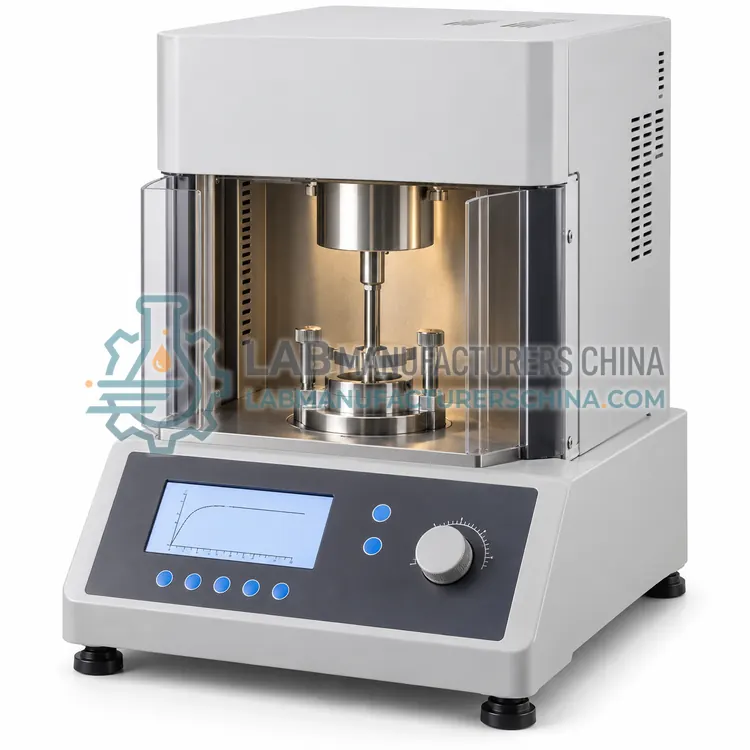
Rubber process analyzers measure the dynamic and cure properties of unvulcanised and vulcanised rubber in a sealed oscillating cavity across a range of strain, frequency and temperature. They relate compound structure to mixing, shaping and curing performance in one instrument.

5 models of Rubber Process Analyzers

The 5 models below are current configurations; specifications are confirmed on quotation.

Rubber Process Analyzer for Compound Characterization

胶料表征用橡胶加工分析仪

  • RPA-0001
  • Rubber Process Analyzers
  • CE (to be confirmed)
  • ISO 9001 manufacturing (to be confirmed)
Temperature range:
Ambient to 200 °C
Temperature accuracy:
±0.3 °C
Strain range:
0.1–50%
Frequency range:
0.01–20 Hz
Torque range:
0–200 dN·m
Specimen volume:
About 4.5 cm³

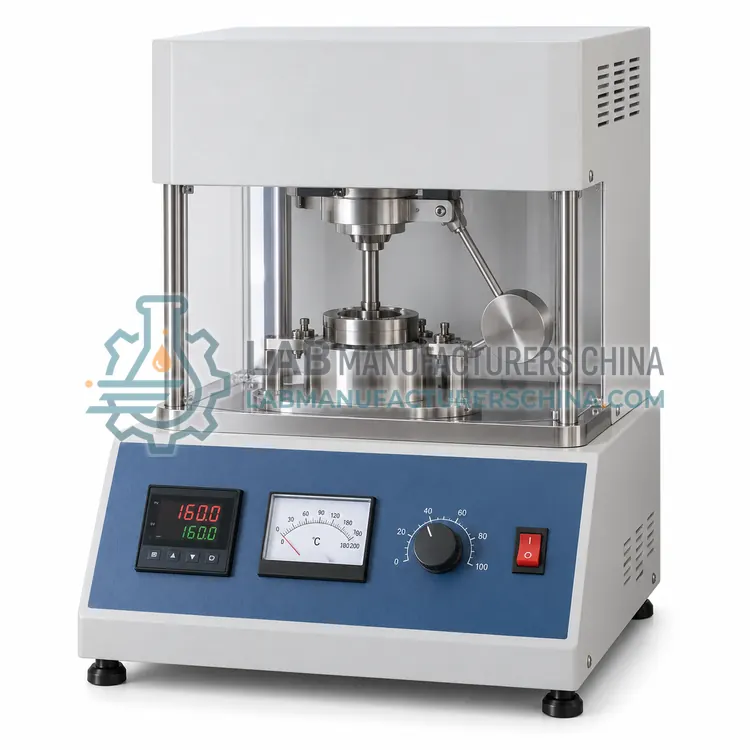
A general-purpose rubber process analyzer performs cure tests, strain sweeps and frequency sweeps on one sealed specimen. It is the standard workhorse for relating compound composition to mixing quality and shaping behaviour.

Request a quote
View details

Variable-Frequency Rubber Process Analyzer

变频橡胶加工分析仪

  • RPA-0002
  • Rubber Process Analyzers
  • CE (to be confirmed)
  • ISO 9001 manufacturing (to be confirmed)
Frequency range:
0.001–33 Hz
Temperature range:
Ambient to 230 °C
Temperature accuracy:
±0.3 °C
Strain range:
0.07–50%
Torque resolution:
0.001 dN·m
Torque range:
0–200 dN·m

A variable-frequency process analyzer covers a wide frequency range so that viscoelastic spectra can be recorded and shifted into master curves. It is used where compound behaviour at processing or service frequencies must be predicted.

Request a quote
View details

Multi-Station Rubber Process Analyzer for Production QC

生产质控用多工位橡胶加工分析仪

  • RPA-0003
  • Rubber Process Analyzers
  • CE (to be confirmed)
  • ISO 9001 manufacturing (to be confirmed)
Number of stations:
2–4
Temperature range:
Ambient to 200 °C per station
Temperature accuracy:
±0.3 °C
Strain range:
0.1–50%
Frequency range:
0.01–20 Hz
Specimen volume:
About 4.5 cm³ per cavity

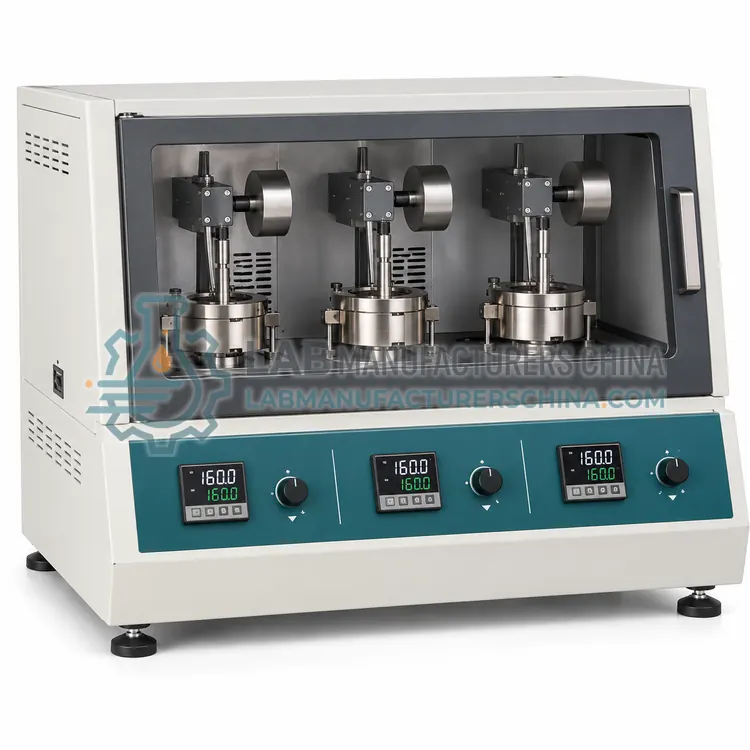
A multi-station process analyzer runs several sealed cavities in parallel, so cure and dynamic tests on different compounds proceed simultaneously. It is used by mixing plants that release many batches per shift.

Request a quote
View details

Rubber Process Analyzer for Silicone Rubber Compounds

硅橡胶胶料用橡胶加工分析仪

  • RPA-0004
  • Rubber Process Analyzers
  • CE (to be confirmed)
  • ISO 9001 manufacturing (to be confirmed)
Temperature range:
Ambient to 230 °C
Temperature accuracy:
±0.3 °C
Strain range:
0.1–50%
Frequency range:
0.01–20 Hz
Torque resolution:
0.001 dN·m
Cavity pressure:
Monitored, controlled venting

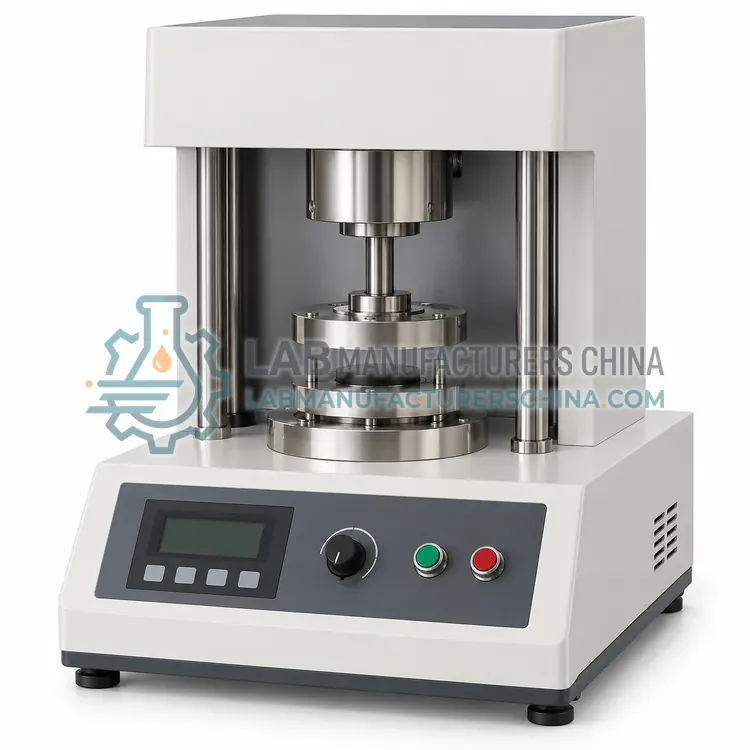
A process analyzer configured for silicone compounds uses higher cavity temperatures and pressure control to handle these soft, volatile-releasing materials. It characterises consistency, cure and dynamic behaviour of silicone base stocks and compounds.

Request a quote
View details

Rubber Process Analyzer for Tire Compound Development

轮胎胶料开发用橡胶加工分析仪

  • RPA-0005
  • Rubber Process Analyzers
  • CE (to be confirmed)
  • ISO 9001 manufacturing (to be confirmed)
Strain range:
0.07–50%
Frequency range:
0.001–33 Hz
Temperature range:
Ambient to 200 °C
Temperature accuracy:
±0.3 °C
Torque resolution:
0.001 dN·m
Specimen volume:
About 4.5 cm³

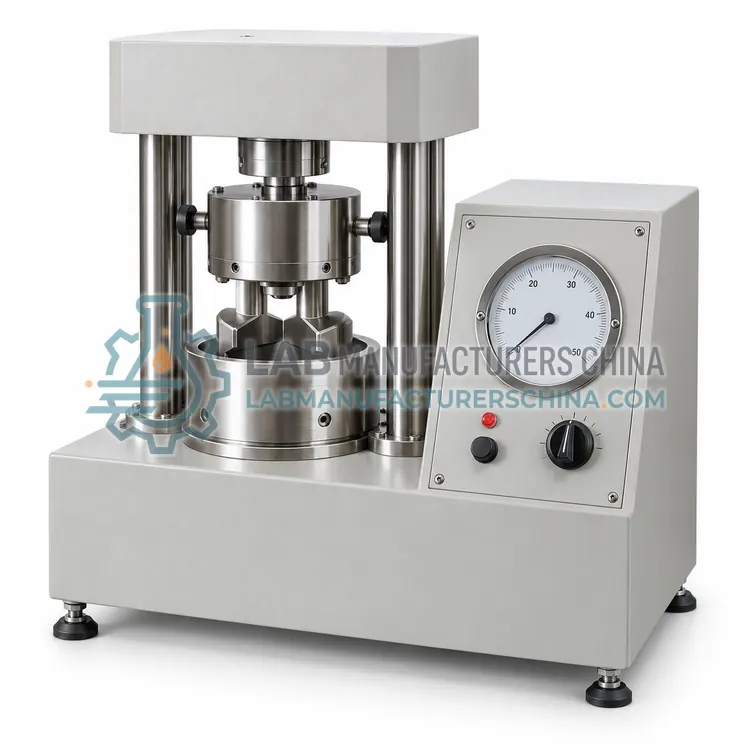
A process analyzer set up for tyre compound development combines cure, strain sweep and frequency sweep testing to support silica and carbon black formulation work. It links mixing parameters to dynamic performance indicators used in tyre design.

Request a quote
View details

Compare Rubber Process Analyzers models

ModelTemperature rangeTemperature accuracyStrain rangeFrequency rangeTorque range
Rubber Process Analyzer for Compound CharacterizationRPA-0001Ambient to 200 °C±0.3 °C0.1–50%0.01–20 Hz0–200 dN·m
Variable-Frequency Rubber Process AnalyzerRPA-0002Ambient to 230 °C±0.3 °C0.07–50%0.001–33 Hz0–200 dN·m
Multi-Station Rubber Process Analyzer for Production QCRPA-0003Ambient to 200 °C per station±0.3 °C0.1–50%0.01–20 Hz—
Rubber Process Analyzer for Silicone Rubber CompoundsRPA-0004Ambient to 230 °C±0.3 °C0.1–50%0.01–20 Hz—
Rubber Process Analyzer for Tire Compound DevelopmentRPA-0005Ambient to 200 °C±0.3 °C0.07–50%0.001–33 Hz—

Indicative values for this product class. Final specifications are confirmed on the quotation and in the calibration documents supplied with the instrument.

How do Rubber Process Analyzers work?

A sealed, biconical cavity contains a specimen that is sheared by oscillation of one die while the reaction torque on the other die is measured. Because strain amplitude, frequency and temperature are all programmable, the same instrument can perform a cure test at production temperature, a strain sweep to quantify filler networking and a frequency sweep to describe viscoelastic response. Dynamic properties are reported as elastic and viscous torque or as complex modulus and phase angle, so the Payne effect, the influence of silane coupling agents on silica compounds and the effect of process oils can all be observed on one specimen. Cavity pressure is monitored to exclude blowing or volatile effects, and results are used both for compound development and for on-line release decisions in mixing plants.

Which Rubber Process Analyzers variants are available?

  • Rubber Process Analyzer for Compound Characterization — A general-purpose rubber process analyzer performs cure tests, strain sweeps and frequency sweeps on one sealed specimen.
  • Variable-Frequency Rubber Process Analyzer — A variable-frequency process analyzer covers a wide frequency range so that viscoelastic spectra can be recorded and shifted into master curves.
  • Multi-Station Rubber Process Analyzer for Production QC — A multi-station process analyzer runs several sealed cavities in parallel, so cure and dynamic tests on different compounds proceed simultaneously.
  • Rubber Process Analyzer for Silicone Rubber Compounds — A process analyzer configured for silicone compounds uses higher cavity temperatures and pressure control to handle these soft, volatile-releasing materials.
  • Rubber Process Analyzer for Tire Compound Development — A process analyzer set up for tyre compound development combines cure, strain sweep and frequency sweep testing to support silica and carbon black formulation work.

How do I choose the right variant?

Choose a process analyzer when cure parameters alone cannot explain observed mixing or shaping behaviour. A basic instrument with programmable strain, frequency and temperature covers most compounding laboratories; the decisive options are the maximum frequency, the strain range, the cavity pressure rating and the number of cavities. Where filled rubber networking must be followed in detail, a wide strain range and a low-frequency capability are essential. Multi-cavity instruments suit mixing plants that release many batches per shift. Instruments with high-temperature cavities and pressure control are needed for compounds containing blowing agents, and for silicone or peroxide-cured systems where volatile release matters.

Where are Rubber Process Analyzers used?

Rubber Process Analyzers are specified in filler networking and coupling agent evaluation, mix quality control of silica and carbon black compounds, cure and dynamic property testing in one run, process oil and plasticiser effect assessment, batch release testing at mixing plants and compound development for tyre and technical rubber.

Which standards and certifications apply?

Work with Rubber Process Analyzers is commonly governed by ASTM D6204, ASTM D6601, ASTM D5289, ISO 6502-3, ISO 289-4 and IEC 61010-1. Instrument certifications such as CE marking are confirmed per configuration and never assumed.

What are the key considerations before purchase?

Dose the cavity consistently, because the strain field and the measured torque depend on how completely the cavity is filled, and clean both dies after every specimen to prevent cured residue from changing the geometry. Verify cavity temperature with a calibrated probe at the test condition, and check pressure sealing before running compounds that release volatiles. Record strain, frequency, temperature and closing pressure with every curve, since results are only comparable within the same conditions. Reference compounds with known dynamic behaviour give the most meaningful periodic check, and the die surface and seal condition should be inspected at the same interval.

Frequently asked questions about Rubber Process Analyzers

A curemeter records torque at one fixed strain and frequency and reports cure parameters such as scorch and optimum cure time. A process analyzer adds programmable strain, frequency and in some cases pressure, so dynamic properties such as the Payne effect and viscoelastic moduli can be measured on the same specimen and related to mixing and shaping behaviour.

Need help specifying Rubber Process Analyzers?

Request a quote