Lab Manufacturers China

Rubber Composition Analysis

橡胶组成分析仪

RCA · Rubber Analysis Equipment · 5 models

By Lab Manufacturers China Technical TeamLast reviewed Standards: ISO 9924-1, ISO 9924-2, ISO 1407

Standards referenced

  • ISO 9924-1
  • ISO 9924-2
  • ISO 1407
  • ISO 4650
  • ASTM D6370
  • ASTM D297
  • ASTM D3452
  • ASTM D3677
  • IEC 61010-1

What are Rubber Composition Analysis?

Rubber composition analysis determines the polymer type, filler and carbon black content, plasticisers, process oils and inorganic additives present in a vulcanised or unvulcanised compound. It supports formulation verification, failure analysis and supplier comparison.

5 models of Rubber Composition Analysis

The 5 models below are current configurations; specifications are confirmed on quotation.

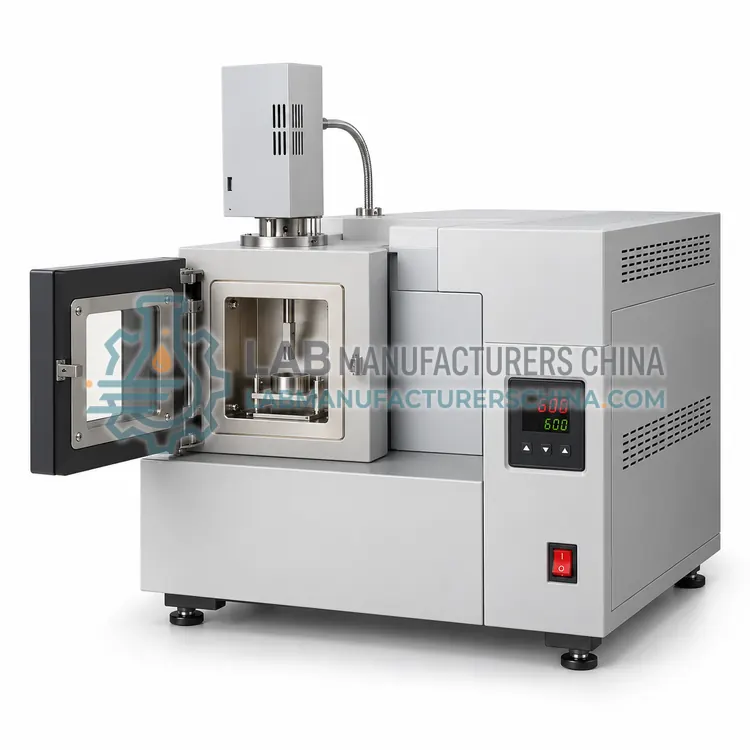
Thermogravimetric Analyzer for Rubber Compound Analysis

橡胶胶料分析用热重分析仪

  • RCA-0001
  • Rubber Composition Analysis
  • CE (to be confirmed)
  • ISO 9001 manufacturing (to be confirmed)
Temperature range:
Ambient to 1000 °C
Heating rate:
0.1–50 °C/min
Balance resolution:
0.1 µg
Weighing accuracy:
±0.1%
Typical sample mass:
5–20 mg
Atmosphere control:
Nitrogen to air or oxygen switching

A thermogravimetric analyzer for rubber decomposes a specimen in staged inert and oxidising atmospheres, giving polymer, carbon black and inorganic filler content in one run. It is the fastest general method for compound verification.

Request a quote
View details

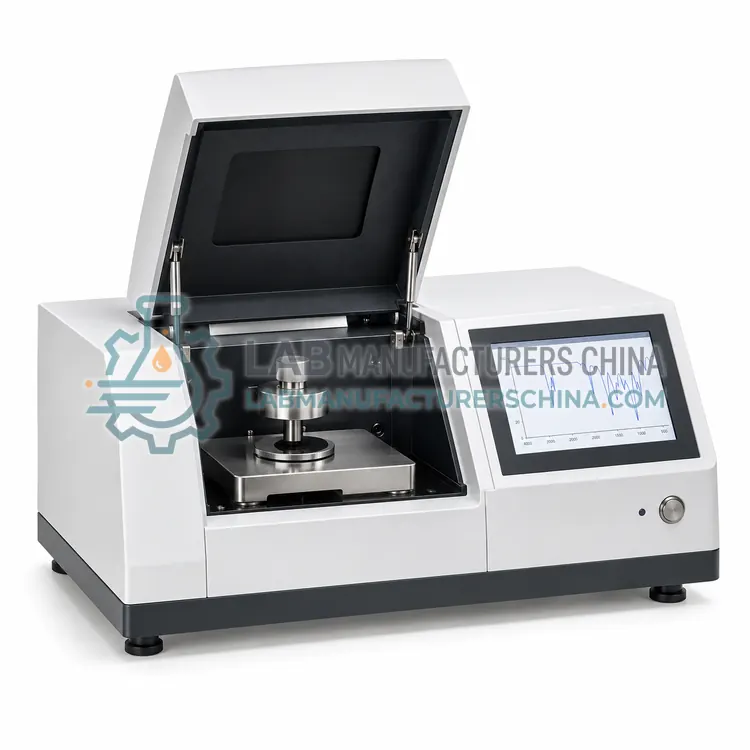
FTIR Spectrometer for Rubber Identification

橡胶鉴别用红外光谱仪

  • RCA-0002
  • Rubber Composition Analysis
  • CE (to be confirmed)
  • ISO 9001 manufacturing (to be confirmed)
Spectral range:
4000–400 cm⁻¹
Resolution:
1–4 cm⁻¹
Signal-to-noise ratio:
Better than 20,000:1 at 4 cm⁻¹
ATR crystal:
Diamond, single reflection
Pyrolysis accessory:
Optional, for cured compounds
Sampling depth:
About 2 µm at 1000 cm⁻¹

An FTIR spectrometer identifies the elastomer type in a rubber compound from its characteristic infrared absorption bands. It is the standardised first step for identifying natural rubber, SBR, nitrile, EPDM, butyl and chloroprene.

Request a quote
View details

Pyrolysis GC-MS System for Rubber Analysis

橡胶分析用裂解气质联用仪

  • RCA-0003
  • Rubber Composition Analysis
  • CE (to be confirmed)
  • ISO 9001 manufacturing (to be confirmed)
Pyrolysis temperature:
400–800 °C programmable
Sample mass:
0.1–2 mg
Column type:
Capillary, 30 m, 5% phenyl phase
GC oven temperature:
Ambient to 350 °C with programming
Mass range:
m/z 10–500
Carrier gas:
Helium, ≥ 99.999%

A pyrolysis GC-MS system fragments a rubber sample thermally and separates the products chromatographically with mass spectrometric detection. It identifies elastomer blends, plasticisers, antioxidants and vulcanising agents that infrared cannot resolve in cured, filled compounds.

Request a quote
View details

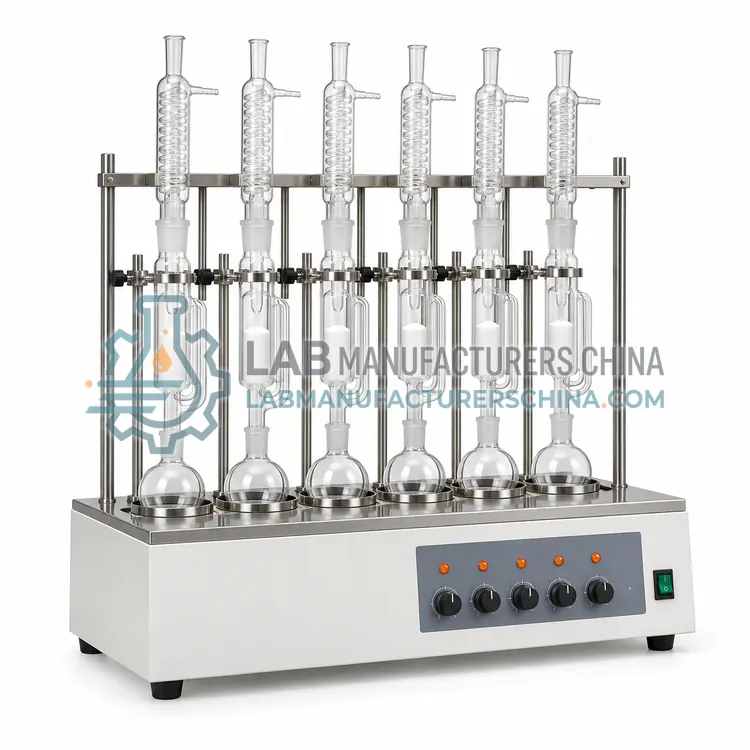
Soxhlet Extraction System for Rubber Analysis

橡胶分析用索氏提取系统

  • RCA-0004
  • Rubber Composition Analysis
  • CE (to be confirmed)
  • ISO 9001 manufacturing (to be confirmed)
Extraction method:
Soxhlet or automated reflux
Solvent volume:
50–150 mL per vessel
Positions per run:
1–6
Extraction time:
4–16 h or defined cycle count
Heating temperature:
Set above the solvent boiling point
Thimble material:
Cellulose, glass fibre or PTFE

A Soxhlet extraction system removes plasticisers, process oils, waxes and free sulfur from a rubber specimen with hot solvent, and the extracted mass is determined gravimetrically. It measures the extractable fraction specified in many rubber product standards.

Request a quote
View details

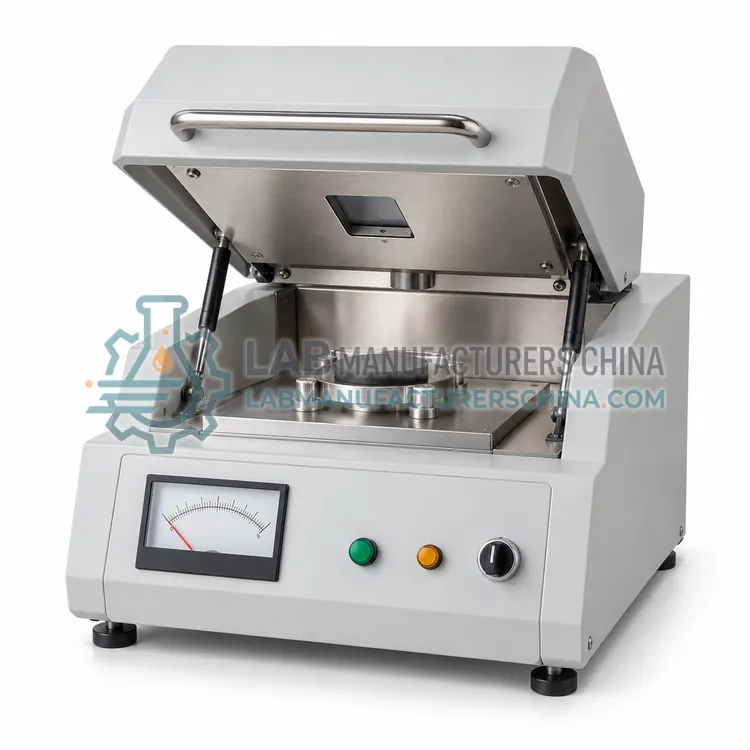
X-Ray Fluorescence Analyzer for Rubber Compound Analysis

橡胶胶料分析用 X 射线荧光光谱仪

  • RCA-0005
  • Rubber Composition Analysis
  • CE (to be confirmed)
  • ISO 9001 manufacturing (to be confirmed)
Element range:
Na to U (light elements in vacuum)
Detector:
Silicon drift detector, 25–50 mm²
Energy resolution:
About 130–150 eV at Mn Kα
Tube voltage:
Up to 50 kV
Detection limit:
5–100 ppm depending on element
Measurement time:
60–300 s per sample

An X-ray fluorescence analyzer measures the inorganic elements in a rubber compound, including zinc, sulfur, silicon, calcium and bromine, without dissolving the sample. It verifies filler and curing system composition and screens for restricted elements.

Request a quote
View details

Compare Rubber Composition Analysis models

ModelBalance resolutionData outputDetector
Thermogravimetric Analyzer for Rubber Compound AnalysisRCA-00010.1 µgMass curve, derivative and residue percentage—
FTIR Spectrometer for Rubber IdentificationRCA-0002———
Pyrolysis GC-MS System for Rubber AnalysisRCA-0003—Pyrograms and mass spectra with library matchesElectron ionisation quadrupole
Soxhlet Extraction System for Rubber AnalysisRCA-00040.1 mg——
X-Ray Fluorescence Analyzer for Rubber Compound AnalysisRCA-0005——Silicon drift detector, 25–50 mm²

Indicative values for this product class. Final specifications are confirmed on the quotation and in the calibration documents supplied with the instrument.

How do Rubber Composition Analysis work?

Rubber is a complex mixture, so several techniques are combined. Thermogravimetric analysis decomposes the sample in a staged nitrogen and oxygen atmosphere, giving the polymer fraction, carbon black and the inorganic residue in one run. Infrared spectrometry identifies the elastomer through its characteristic absorption bands and is standardised for rubber identification. Pyrolysis gas chromatography separates the products of thermal fragmentation and identifies copolymers and additives that spectroscopy cannot resolve. Solvent extraction removes plasticisers, process oils, waxes and free sulfur, which are then quantified by mass difference or by chromatography. X-ray fluorescence or elemental analysis measures the inorganic components, including zinc oxide, silica and sulfur-containing additives, that remain in the ash.

Which Rubber Composition Analysis variants are available?

  • Thermogravimetric Analyzer for Rubber Compound Analysis — A thermogravimetric analyzer for rubber decomposes a specimen in staged inert and oxidising atmospheres, giving polymer, carbon black and inorganic filler content in one run.
  • FTIR Spectrometer for Rubber Identification — An FTIR spectrometer identifies the elastomer type in a rubber compound from its characteristic infrared absorption bands.
  • Pyrolysis GC-MS System for Rubber Analysis — A pyrolysis GC-MS system fragments a rubber sample thermally and separates the products chromatographically with mass spectrometric detection.
  • Soxhlet Extraction System for Rubber Analysis — A Soxhlet extraction system removes plasticisers, process oils, waxes and free sulfur from a rubber specimen with hot solvent, and the extracted mass is determined gravimetrically.
  • X-Ray Fluorescence Analyzer for Rubber Compound Analysis — An X-ray fluorescence analyzer measures the inorganic elements in a rubber compound, including zinc, sulfur, silicon, calcium and bromine, without dissolving the sample.

How do I choose the right variant?

Begin with the question. Thermogravimetric analysis is the fastest route to filler, carbon black and polymer content and can be run on any compound, so it suits routine incoming checks and rubber process control. Infrared identification is the standard first step for polymer type and is fast and cheap. Where the identity of a plasticiser or an unknown additive matters, pyrolysis gas chromatography is required for separation. Solvent extraction is used when the content of extractable material is the specification parameter, for example in rubber products with limits on plasticiser or on free sulfur. Elemental methods complete the picture for zinc, sulfur and other inorganic components, and are also the confirmation step for results that a screening technique suggests.

Where are Rubber Composition Analysis used?

Rubber Composition Analysis are specified in filler, carbon black and polymer content determination, elastomer identification in incoming inspection, plasticiser and process oil content testing, investigation of failed or degraded rubber parts, verification of supplier formulations and zinc oxide and inorganic additive content checks.

Which standards and certifications apply?

Work with Rubber Composition Analysis is commonly governed by ISO 9924-1, ISO 9924-2, ISO 1407, ISO 4650, ASTM D6370, ASTM D297, ASTM D3452, ASTM D3677 and IEC 61010-1. Instrument certifications such as CE marking are confirmed per configuration and never assumed.

What are the key considerations before purchase?

Sampling is the dominant source of error, because fillers and oils are distributed unevenly in a finished rubber article. Cut specimens from several locations, or mill and homogenise the sample before taking portions, and record the sampling plan. For thermogravimetric analysis, fix the temperature programme and atmosphere switching, and subtract a crucible blank, since incomplete carbon burn-off is the commonest cause of inflated filler results. Clean infrared crystals after every measurement, since migrated oil and wax contaminate the surface. Solvent extraction requires maintenance of the extraction thimble and solvent purity, and the extracted mass must be measured after conditioning, because these materials are volatile and hygroscopic.

Frequently asked questions about Rubber Composition Analysis

Thermogravimetric analysis gives the most information per run: polymer content from the first weight loss, carbon black from the oxidative stage and inorganic filler as the residue. The result is available in under an hour and requires only a few milligrams, which is why it is the usual starting point for compound verification.

Need help specifying Rubber Composition Analysis?

Request a quote