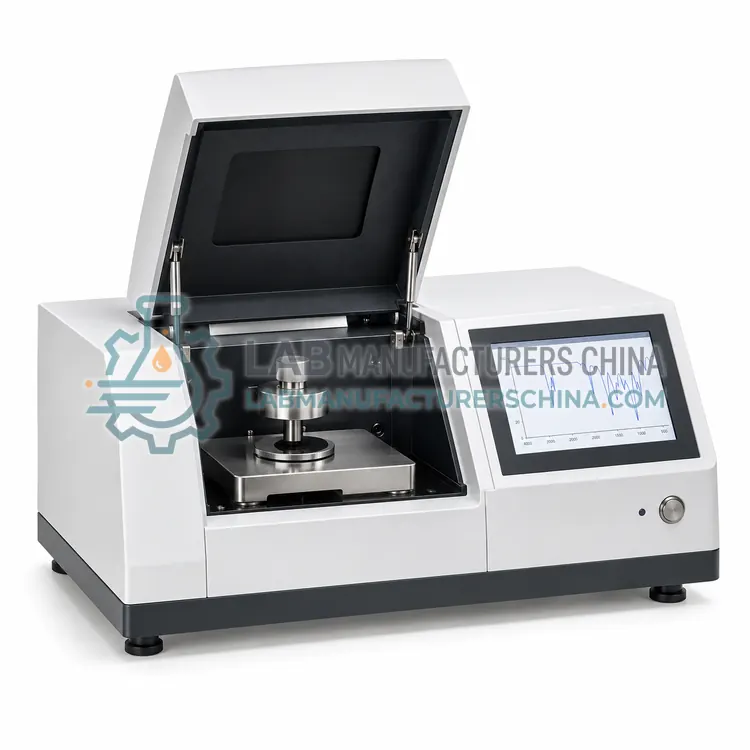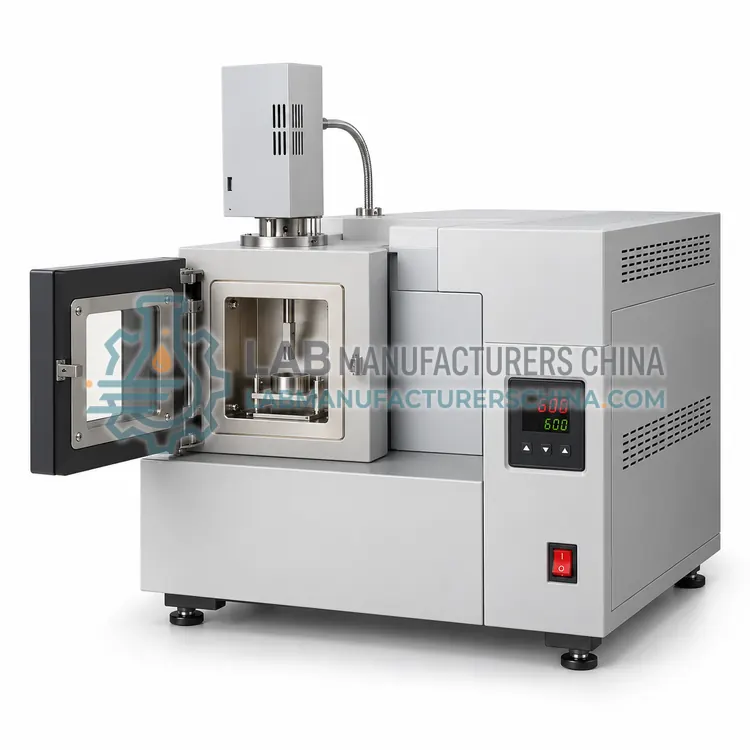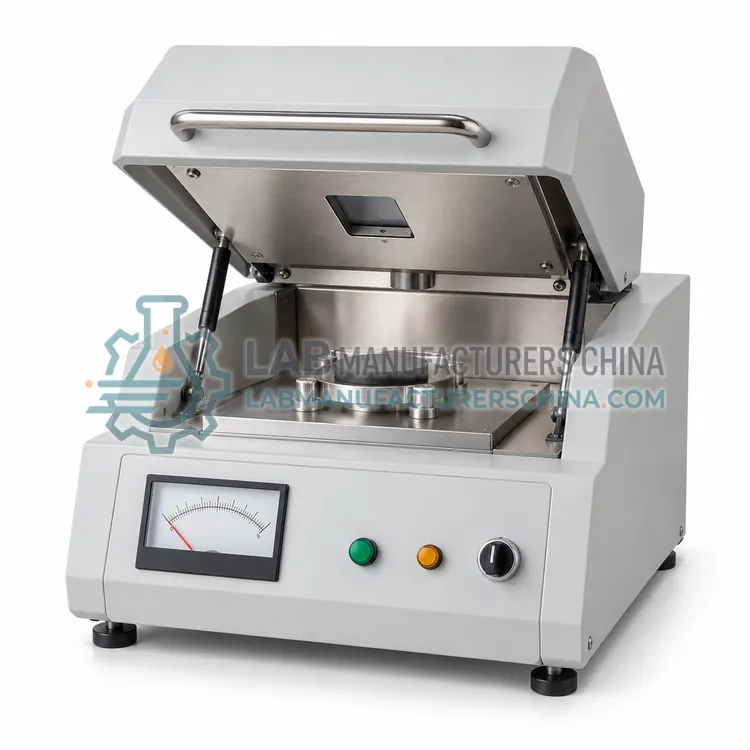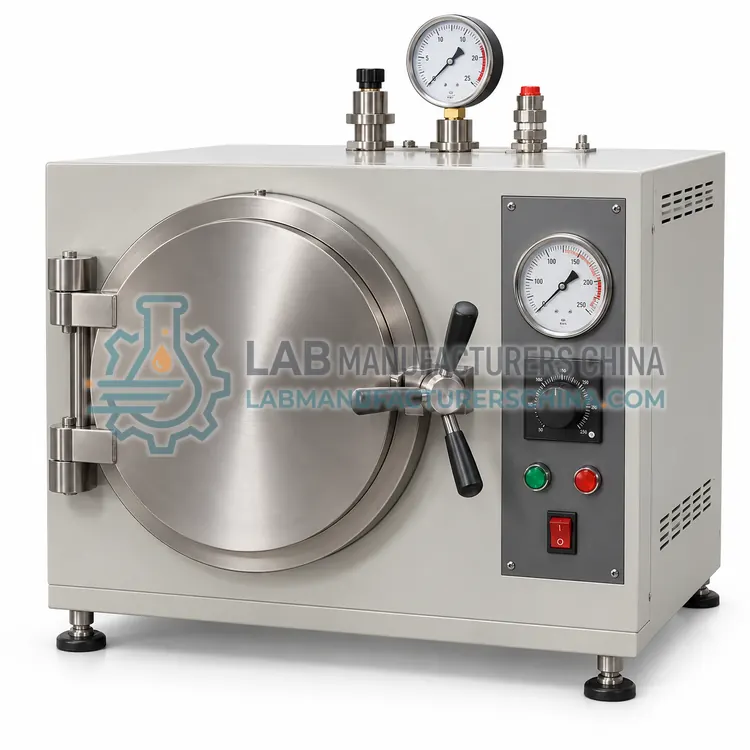
Soxhlet Extraction System for Rubber Analysis
橡胶分析用索氏提取系统
- SKU RCA-0004
- Rubber Composition Analysis
- CE (to be confirmed)
- ISO 9001 manufacturing (to be confirmed)
Price on request — FOB / CIF quoted per order
Prices depend on configuration, quantity and destination port.
Key specifications
| Extraction method | Soxhlet or automated reflux |
|---|---|
| Solvent volume | 50–150 mL per vessel |
| Positions per run | 1–6 |
| Extraction time | 4–16 h or defined cycle count |
| Heating temperature | Set above the solvent boiling point |
| Thimble material | Cellulose, glass fibre or PTFE |
Request a quote Download brochure · to be provided
By Lab Manufacturers China Technical TeamLast reviewed Standards: ISO 9924-1, ISO 9924-2, ISO 1407
What is the Soxhlet Extraction System for Rubber Analysis?
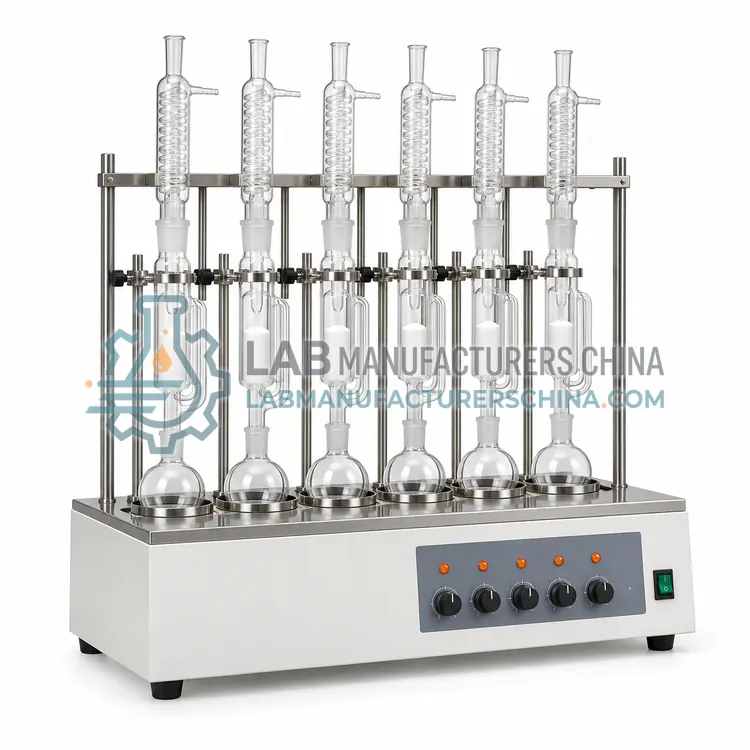
A Soxhlet extraction system removes plasticisers, process oils, waxes and free sulfur from a rubber specimen with hot solvent, and the extracted mass is determined gravimetrically. It measures the extractable fraction specified in many rubber product standards.
What is the Soxhlet Extraction System for Rubber Analysis?
A Soxhlet extraction system removes plasticisers, process oils, waxes and free sulfur from a rubber specimen with hot solvent, and the extracted mass is determined gravimetrically. It measures the extractable fraction specified in many rubber product standards.
Overview
The specimen is wrapped in an extraction thimble and washed repeatedly by condensed solvent from a heated flask, so soluble material is removed without mechanical action. After a defined number of cycles or hours the specimen is dried and reweighed, and the mass loss is reported as extract content on the original mass. Different solvents are used depending on the parameter required, for example acetone for plasticisers and waxes or chloroform for bituminous and chlorinated materials. Automated systems control extraction time, rinsing and drying, use closed vessels to reduce solvent consumption and exposure, and process several specimens at once, which improves reproducibility compared with glassware assemblies.
How does it work?
Rubber is a complex mixture, so several techniques are combined. Thermogravimetric analysis decomposes the sample in a staged nitrogen and oxygen atmosphere, giving the polymer fraction, carbon black and the inorganic residue in one run. Infrared spectrometry identifies the elastomer through its characteristic absorption bands and is standardised for rubber identification. Pyrolysis gas chromatography separates the products of thermal fragmentation and identifies copolymers and additives that spectroscopy cannot resolve. Solvent extraction removes plasticisers, process oils, waxes and free sulfur, which are then quantified by mass difference or by chromatography. X-ray fluorescence or elemental analysis measures the inorganic components, including zinc oxide, silica and sulfur-containing additives, that remain in the ash.
What are the key features?
- Automated extraction with defined cycle count
- Closed vessels to limit solvent exposure
- Multiple specimens processed in one run
- Controlled drying step before weighing
- Solvent recovery and waste handling
- Compatible with acetone, chloroform and other solvents
What are the technical specifications?
A typical soxhlet extraction system for rubber analysis configuration offers extraction method of Soxhlet or automated reflux, solvent volume of 50–150 mL per vessel, positions per run of 1–6, extraction time of 4–16 h or defined cycle count, heating temperature of Set above the solvent boiling point and thimble material of Cellulose, glass fibre or PTFE. Values are indicative of the product class; the exact figures for each configuration are confirmed on the quotation and the calibration documents supplied with the instrument.
Which applications is it used for?
The Soxhlet Extraction System for Rubber Analysis is used in acetone extract content of rubber products, plasticiser and process oil determination, free sulfur and wax content checks and verification of compound formulation changes. Across the wider Rubber Composition Analysis class, laboratories also deploy it for filler, carbon black and polymer content determination, elastomer identification in incoming inspection and plasticiser and process oil content testing.
Which standards and certifications apply?
Relevant standards and methods include ISO 9924-1, ISO 9924-2, ISO 1407, ISO 4650, ASTM D6370, ASTM D297, ASTM D3452, ASTM D3677 and IEC 61010-1. Certification candidates for this model are CE and ISO 9001 manufacturing; each is to be confirmed for the specific configuration before shipment, and certificates are supplied only where they have been issued.
Sampling is the dominant source of error, because fillers and oils are distributed unevenly in a finished rubber article. Cut specimens from several locations, or mill and homogenise the sample before taking portions, and record the sampling plan. For thermogravimetric analysis, fix the temperature programme and atmosphere switching, and subtract a crucible blank, since incomplete carbon burn-off is the commonest cause of inflated filler results. Clean infrared crystals after every measurement, since migrated oil and wax contaminate the surface. Solvent extraction requires maintenance of the extraction thimble and solvent purity, and the extracted mass must be measured after conditioning, because these materials are volatile and hygroscopic.
How do I select the right Soxhlet Extraction System for Rubber Analysis?
Specify an extraction system when the extractable fraction is itself the specification parameter, for example in hose covers, seals or food-contact rubber. Confirm the solvent compatibility, vessel count and drying control, and plan local arrangements for solvent storage, ventilation and waste, since these dominate the practical cost of the method.
How does it compare with other Rubber Composition Analysis variants?
Begin with the question. Thermogravimetric analysis is the fastest route to filler, carbon black and polymer content and can be run on any compound, so it suits routine incoming checks and rubber process control. Infrared identification is the standard first step for polymer type and is fast and cheap. Where the identity of a plasticiser or an unknown additive matters, pyrolysis gas chromatography is required for separation. Solvent extraction is used when the content of extractable material is the specification parameter, for example in rubber products with limits on plasticiser or on free sulfur. Elemental methods complete the picture for zinc, sulfur and other inorganic components, and are also the confirmation step for results that a screening technique suggests.
Full specifications
| Extraction method | Soxhlet or automated reflux |
|---|---|
| Solvent volume | 50–150 mL per vessel |
| Positions per run | 1–6 |
| Extraction time | 4–16 h or defined cycle count |
| Heating temperature | Set above the solvent boiling point |
| Thimble material | Cellulose, glass fibre or PTFE |
| Drying condition | 40–70 °C, then desiccator |
| Balance resolution | 0.1 mg |
Indicative values for this product class. Final specifications are confirmed on the quotation and in the calibration documents supplied with the instrument.
Applications
- Acetone extract content of rubber products
- Plasticiser and process oil determination
- Free sulfur and wax content checks
- Verification of compound formulation changes
Key features
- Automated extraction with defined cycle count
- Closed vessels to limit solvent exposure
- Multiple specimens processed in one run
- Controlled drying step before weighing
- Solvent recovery and waste handling
- Compatible with acetone, chloroform and other solvents
Frequently asked questions about Soxhlet Extraction System for Rubber Analysis
The method or product standard fixes the time, commonly 8 or 16 hours, or a defined number of siphon cycles. Extraction must be long enough that further extraction would not change the mass; when a new material is introduced, the laboratory should verify this by repeating the extraction on an already extracted specimen.
The result is obtained from a mass difference, so absorbed solvent and moisture must be removed consistently. Insufficient drying leaves solvent that inflates the extract value, while excessive drying can remove volatile components and oxidise the rubber, so the specified temperature and time must be followed exactly.
Most solvents used are flammable and some are hazardous to health, so heating must be controlled, vessels sealed where possible and work carried out with ventilation or in a fume hood. Solvent recovery and disposal should follow local regulations, and operators should be trained in the specific hazards of acetone, chloroform or toluene.
Thermogravimetric analysis gives the most information per run: polymer content from the first weight loss, carbon black from the oxidative stage and inorganic filler as the residue. The result is available in under an hour and requires only a few milligrams, which is why it is the usual starting point for compound verification.
It measures the material soluble in hot acetone, which includes plasticisers, some process oils, waxes, accelerators, antioxidants and free sulfur. The amount is expressed as a percentage of the specimen mass, and the extract can be analysed further by chromatography to identify individual components.
Fillers, oils and curatives are not uniformly distributed in a finished part, and the surface may differ from the core because of migration and moulding flow. Several specimens from defined locations, or a milled and homogenised sample, are needed for a representative result, and the sampling plan should be reported with the data.