
Lubricant Testing Equipment
润滑剂检测设备
CLTE · Petroleum, Mining & Industrial Analysis · 5 product types · 27 models
By Lab Manufacturers China Technical TeamLast reviewed
What are Lubricant Testing Equipment?
Lubricant testing equipment covers instruments that measure the viscosity, wear protection, grease consistency, oxidation resistance and in-service condition of lubricating oils and greases. Lubricant formulators, base-oil producers, equipment makers and maintenance laboratories use it to qualify products and track degradation.
5 product types in Lubricant Testing Equipment
The 5 product types below are grouped by the exact instrument you need.
- VTE6 models
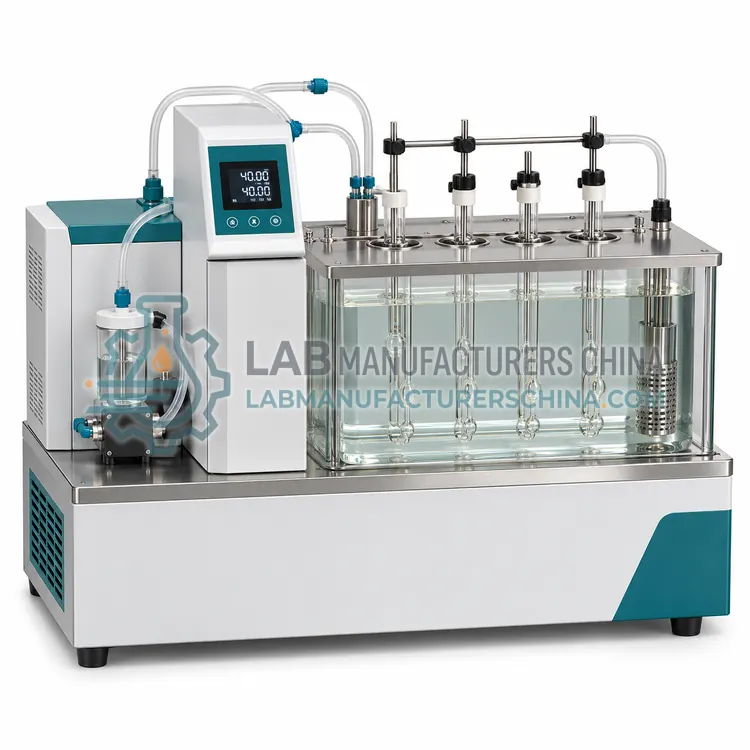
Viscosity Testing
黏度测试
Lubricant viscosity testing equipment measures how strongly a lubricating oil resists flow at defined temperatures and shear rates. It provides the kinematic, dynamic and low- or high-temperature viscosity values used to assign viscosity grades, calculate viscosity index and confirm that oils meet engine, gear and hydraulic specifications.
- WEA5 models
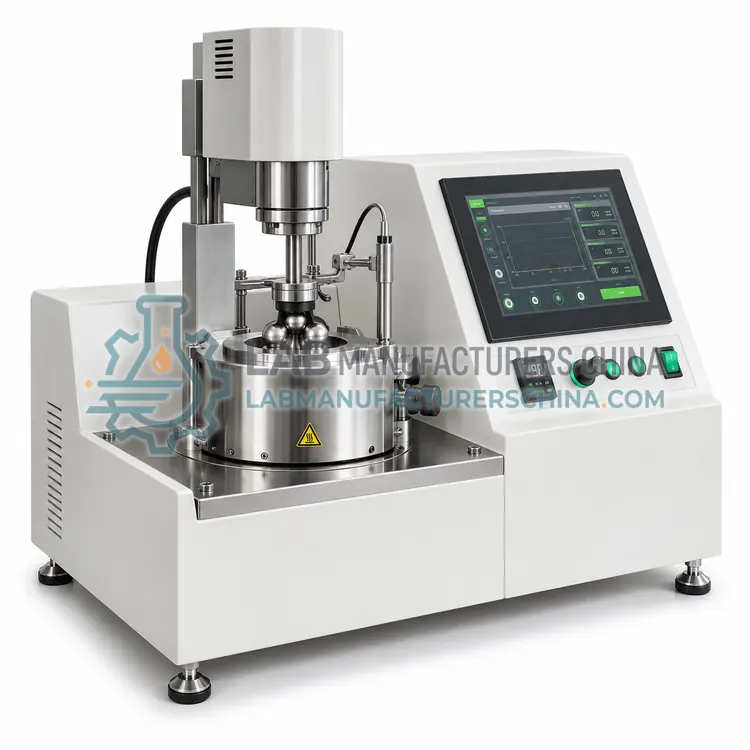
Wear Analysis
磨损分析
Lubricant wear analysis equipment evaluates how well a lubricant protects surfaces from friction, wear and scuffing, and identifies wear debris in used oil. It includes tribometers and debris analyzers used by lubricant formulators, equipment makers and maintenance laboratories to rank products and diagnose machine condition.
- GRT6 models
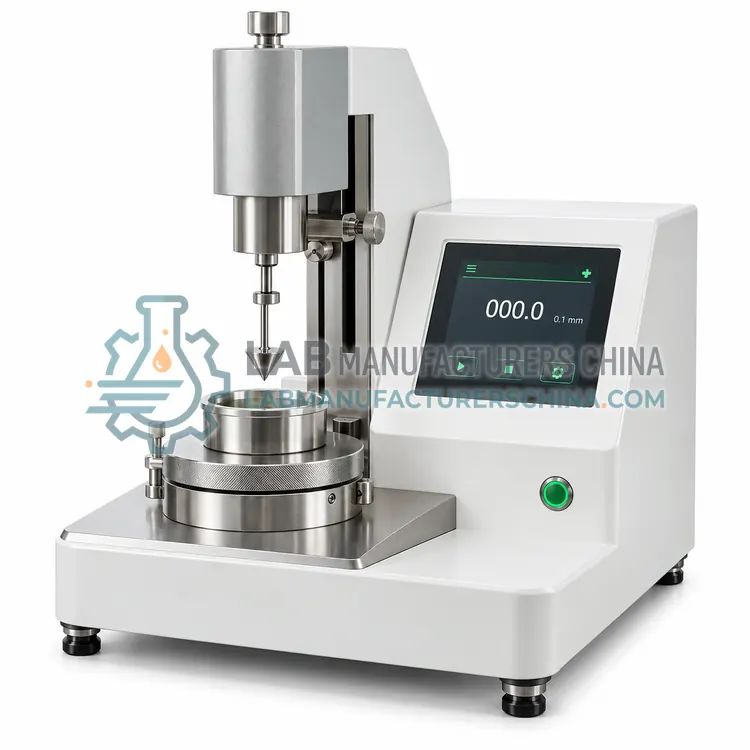
Grease Testing
润滑脂测试
Grease testing equipment measures the physical and chemical properties of lubricating greases, including consistency, dropping point, oil separation, oxidation stability and water resistance. Grease manufacturers, bearing makers and maintenance laboratories use it to assign NLGI grades, verify batches and check high-temperature limits.
- OXS5 models
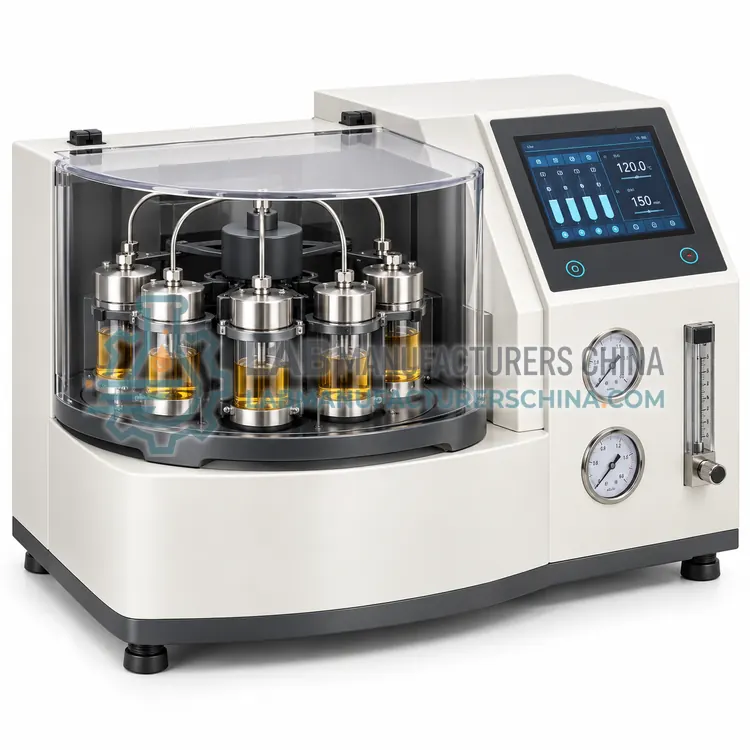
Oxidation Stability
氧化安定性
Lubricant oxidation stability equipment measures how long a lubricating oil resists reaction with oxygen under accelerated heat, catalyst and pressure conditions. Results estimate service life, compare antioxidant additive packages and support specification release for turbine, hydraulic, engine and insulating oils.
- LUB5 models
Lubricant Condition Monitoring
润滑剂状态监测
Lubricant condition monitoring equipment tracks the health of lubricants in machines through degradation, contamination and wear indicators. It includes handheld, portable and online instruments used by maintenance teams in plants, fleets and power generation to extend oil life and prevent lubricant-related failures.
What are Lubricant Testing Equipment?
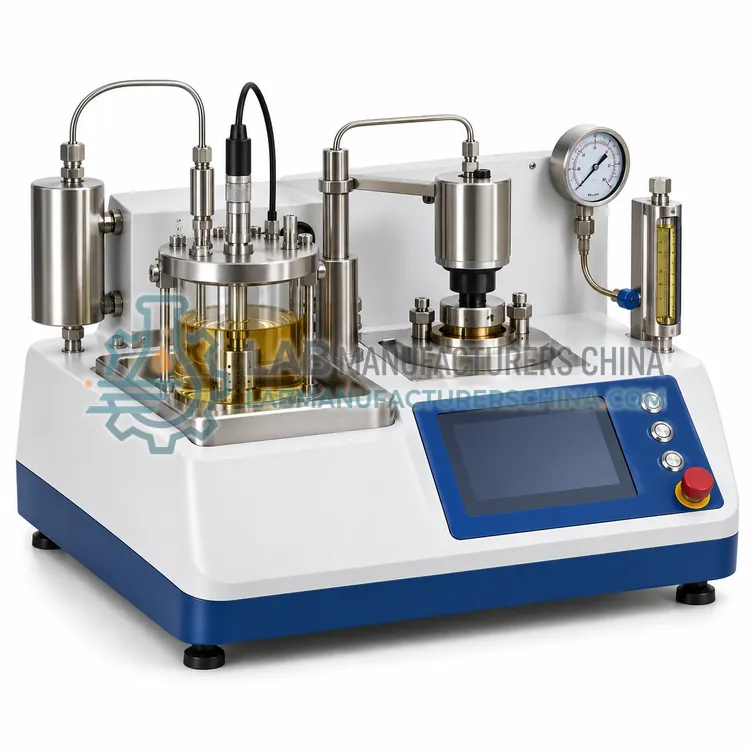
Lubricant testing equipment is the group of laboratory and on-site instruments used to characterize lubricating oils and greases, both as new products and while in service. Typical measurements include kinematic and dynamic viscosity, viscosity index, friction and wear behavior under load, grease penetration and dropping point, oxidation induction time, and condition indicators such as acid number, water, particles and additive depletion. Results support formulation development, specification release, equipment warranty claims and condition-based maintenance. Instruments range from glass capillary viscometers and four-ball wear testers to pressurized rotating vessel oxidation apparatus and handheld condition analyzers. Because lubricant performance depends on the tribological system rather than on one property, laboratories normally combine several tests, and results are interpreted against the relevant industry specification or the equipment manufacturer's limits.
How do Lubricant Testing Equipment work?
Lubricant tests work by reproducing one aspect of service in a controlled, repeatable way. Viscometers time a fixed volume of oil through a calibrated capillary or measure torque on a rotating spindle at a set temperature. Tribometers load a rotating or oscillating steel ball against fixed specimens under lubricant and then measure the wear scar or friction force. Grease testers drive a standard cone into a worked sample or heat a cup until the first drop falls. Oxidation tests heat the sample in oxygen or air, sometimes with catalyst metals, and follow pressure drop or heat flow until induction ends. Condition analyzers apply infrared spectroscopy, dielectric or electrochemical sensing, and particle counting to in-service oil. Temperature control, calibrated reference fluids and fixed test geometry give the repeatability needed to compare samples between laboratories.
Where are Lubricant Testing Equipment used?
Laboratories and plants use lubricant testing equipment in several settings. Lubricant blenders and base-oil producers run viscosity, oxidation and wear tests to develop formulations and release batches against specifications. Engine, gearbox, hydraulic and bearing manufacturers qualify lubricants and investigate field failures. Power plants, steel mills, mines, fleets and wind farms test in-service oils to schedule changes and detect abnormal wear early. Grease makers check consistency, dropping point and oxidation stability of soap-thickened products. Universities and research centers study friction and additive chemistry. Regulatory and commercial laboratories also verify product claims and resolve disputes between suppliers and buyers, where reproducibility precision limits defined in the standard methods become important.
Which standards apply to Lubricant Testing Equipment?
Lubricant test methods are published by ASTM International, ISO, the Institute of Petroleum (IP), DIN and the Chinese GB/T and SH/T series. Examples include ASTM D445 and ISO 3104 for kinematic viscosity, ASTM D2270 for viscosity index, ASTM D4172 and D2783 for four-ball wear and extreme-pressure testing, ASTM D217 and ISO 2137 for grease penetration, ASTM D566 and D2265 for dropping point, ASTM D943, D2272 and D7545 for oxidation stability, and ASTM D7889 and D7596 for in-service analysis. Product specifications such as API, ACEA and ISO 6743 or 11158 classifications cite these methods, so the apparatus must conform to the dimensions, temperature control and reporting rules in the named version.
How do I select the right lubricant testing equipment?
Start from the specification or decision the result supports. Product release and dispute testing need instruments that follow a named standard exactly, with certified temperature baths, calibrated viscometers and traceable reference fluids. Formulation and research work favors tribometers with flexible load, speed and temperature control. Plant maintenance favors fast, low-volume methods and handheld or online condition analyzers. Consider sample throughput, automation, operator skill, sample volume, solvent use and cleaning time. Check that the vendor supplies calibration certificates and consumables such as test balls, cones and capillary tubes. Confirm ambient conditions, power, exhaust ventilation and safety for heated oil and oxygen vessels. In the RFQ, list the standard methods with edition years, required repeatability, and any data-output or LIMS integration needs.
Lubricant Testing Equipment comparison
| Subcategory | Principle | Typical use | Key spec |
|---|---|---|---|
| Viscosity Testing | Capillary flow time, rotational torque | Grade verification and batch release of oils | Temperature control ± 0.02 °C |
| Wear Analysis | Loaded ball or pin sliding on lubricated specimen | Anti-wear and extreme-pressure screening | Load 1–800 kg, speed 1200–1800 rpm |
| Grease Testing | Cone penetration, heating cup, bearing test | NLGI grade and high-temperature limits of greases | Penetration 85–475 (0.1 mm) |
| Oxidation Stability | Heated oxygen or air exposure until induction ends | Service life and antioxidant evaluation | Test temperature up to 200 °C |
| Lubricant Condition Monitoring | Infrared, dielectric and particle sensing | Condition-based oil change and fault detection | Results in minutes on small sample |
Frequently asked questions about Lubricant Testing Equipment
The core set is a viscometer for kinematic viscosity, a wear tester such as a four-ball machine, a grease penetrometer and dropping-point apparatus if greases are made, and an oxidation tester. In-service work adds a condition analyzer for acid number, water and particles.
Kinematic viscosity is usually measured by timing oil flow through a calibrated glass capillary in a temperature bath, as in ASTM D445. Rotational and Stabinger-type viscometers give dynamic viscosity with smaller samples and faster results.
A four-ball tester rotates one steel ball against three fixed balls under lubricant and load. It measures wear scar diameter for anti-wear performance, or weld load and load-wear index for extreme-pressure properties of oils and greases.
Grease is usually evaluated for cone penetration after working, dropping point, oil separation, oxidation stability, water washout and wear or extreme-pressure performance. The required tests depend on the thickener type and the NLGI grade in the specification.
Interval depends on asset criticality, oil volume and operating severity. Many plants sample turbine and hydraulic oils every three to six months and engines at each drain interval, with shorter intervals after an alert or repair.
The main method families are ASTM D445 and ISO 3104 for viscosity, ASTM D4172 and D2783 for wear and extreme pressure, ASTM D217 for grease penetration, and ASTM D943 or D2272 for oxidation. Chinese GB/T and SH/T methods are often equivalent.
Related categories
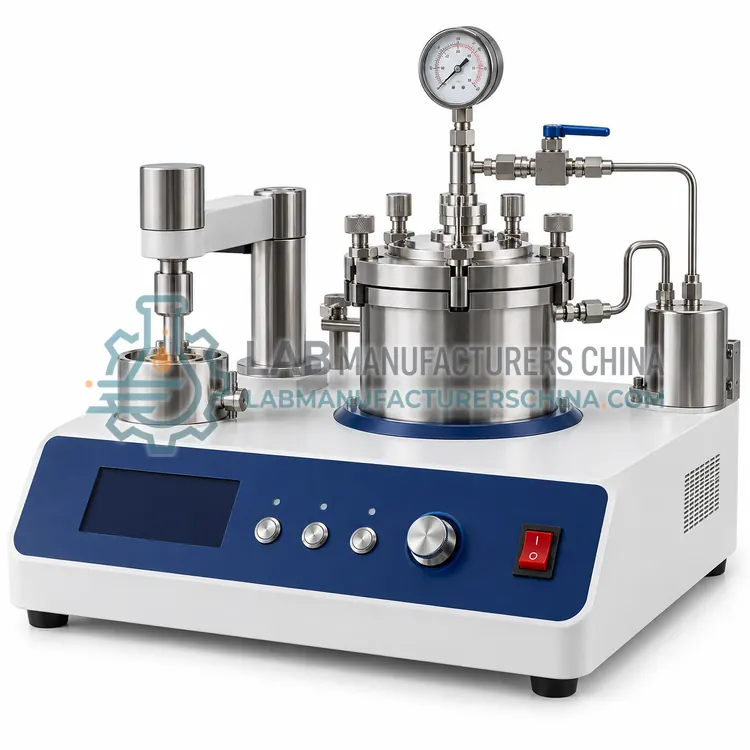 CCTE煤炭检测设备Coal testing equipment covers laboratory instruments that measure the quality and composition of coal and coke, including calorific value, ash, sulfur, moisture and volatile matter. Mines, power plants, steel mills and trading laboratories use it to grade coal, price shipments and confirm contract and emissions compliance.
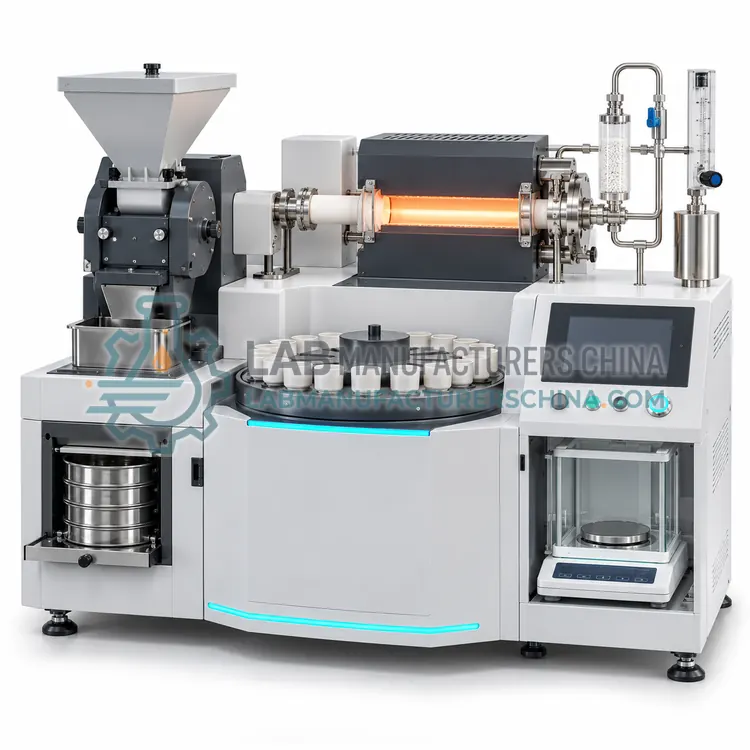 CMLE矿业实验室设备Mining laboratory equipment covers the instruments used to prepare mineral samples and to test ore properties: crushers, pulverizers, splitters and flotation cells, together with mineral analysis instruments such as X-ray diffraction and automated mineralogy systems. Mines, concentrators, geologists and assay laboratories use them.
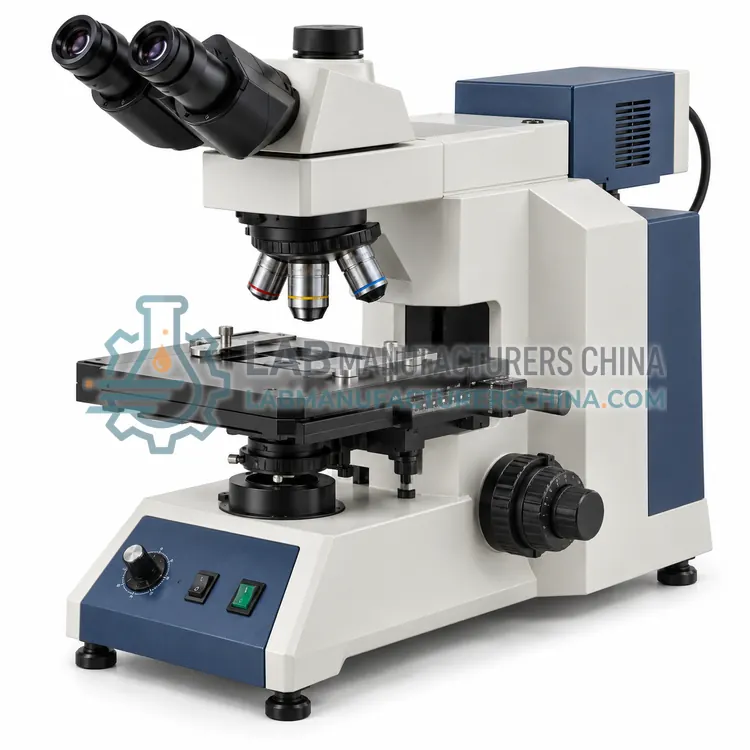 CMET金相与冶金实验室设备Metallurgical laboratory equipment covers the instruments used to prepare metal specimens, examine microstructure, test mechanical properties and determine chemical composition. Foundries, steel mills, heat treaters, welding shops and inspection bodies use it for quality control and failure analysis.
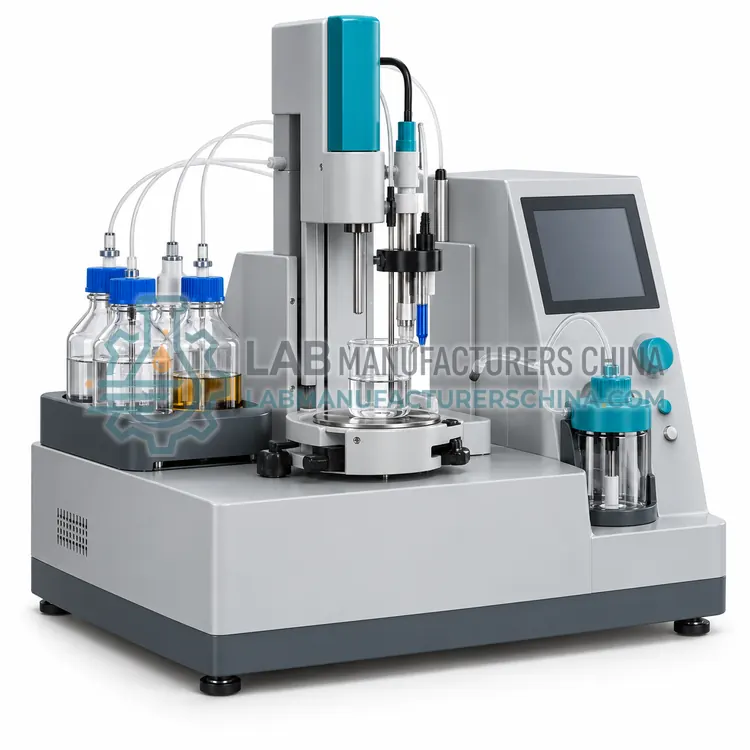 CCAE化学分析设备Chemical analysis equipment covers instruments that determine the composition and concentration of substances in industrial, petroleum, mining and environmental samples. It includes titrators, spectrometers, elemental analyzers, electrochemical analyzers and sample preparation systems used by QC laboratories, refineries, mineral assay labs and research institutes.