
Industrial Quality Control Equipment
工业质量控制设备
CIQC · Petroleum, Mining & Industrial Analysis · 5 product types · 26 models
By Lab Manufacturers China Technical TeamLast reviewed
What are Industrial Quality Control Equipment?
Industrial quality control equipment covers the analyzers, inspection tools, in-line process instruments, measurement systems and sample preparation devices used to verify that raw materials, intermediates and finished goods meet specification. It serves production laboratories, incoming inspection, process engineering and quality assurance teams across manufacturing sectors.
5 product types in Industrial Quality Control Equipment
The 5 product types below are grouped by the exact instrument you need.
- QCA5 models
QC Analyzers
QC 分析仪
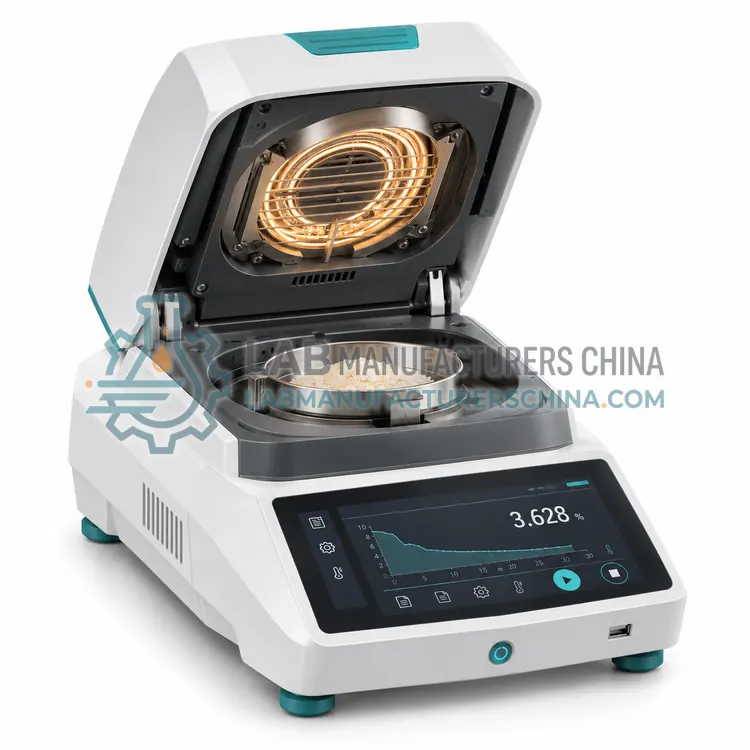
QC analyzers are compact bench or handheld instruments that measure a specific quality attribute such as moisture, color, alloy grade, refractive index or turbidity and compare it with a specification. Production laboratories, incoming inspection stations and quality assurance teams use them for fast lot release decisions.
- INI5 models
Inspection Instruments
检测仪器
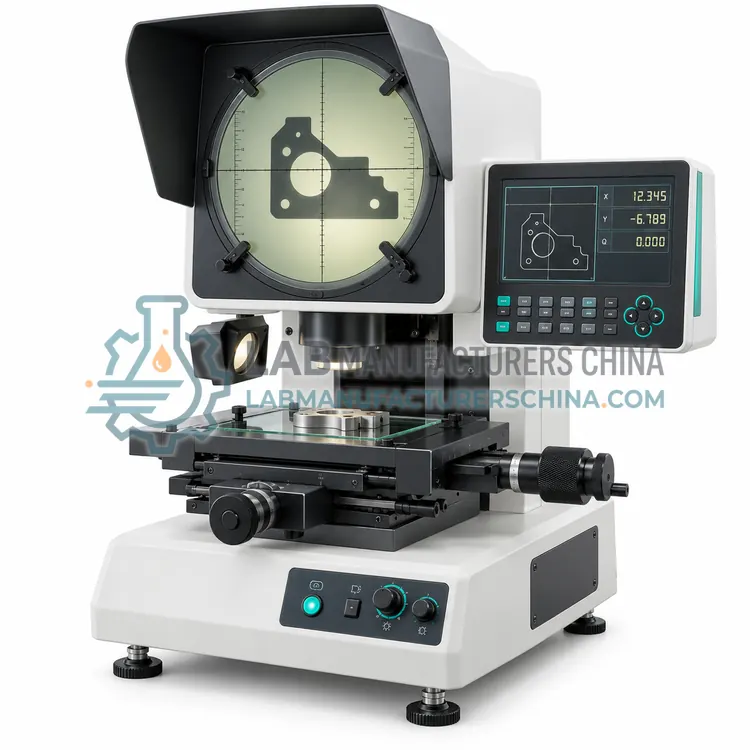
Inspection instruments verify the geometry, surface condition, coating thickness and internal integrity of manufactured parts against drawings and specifications. They include optical profile projectors, coating thickness gauges, ultrasonic flaw detectors, video measuring machines and roughness testers used in incoming, in-process and final inspection.
- PRC5 models
Process Analyzers
过程分析仪
Process analyzers measure chemical or physical properties directly in a production stream or side loop and send results to a control system continuously. They include online pH, conductivity, dissolved oxygen, near-infrared and total organic carbon analyzers used by process engineers for real-time control and compliance.
- MES5 models
Measurement Systems
测量系统
Measurement systems are calibrated instruments and data acquisition setups that quantify basic physical variables such as mass, pressure, temperature, force and humidity in quality control. They include analytical balances, pressure calibrators, temperature data loggers, force gauges and hygrometers used for routine measurement, monitoring and calibration.
- SAT6 models
Sample Preparation
工业质控样品前处理设备
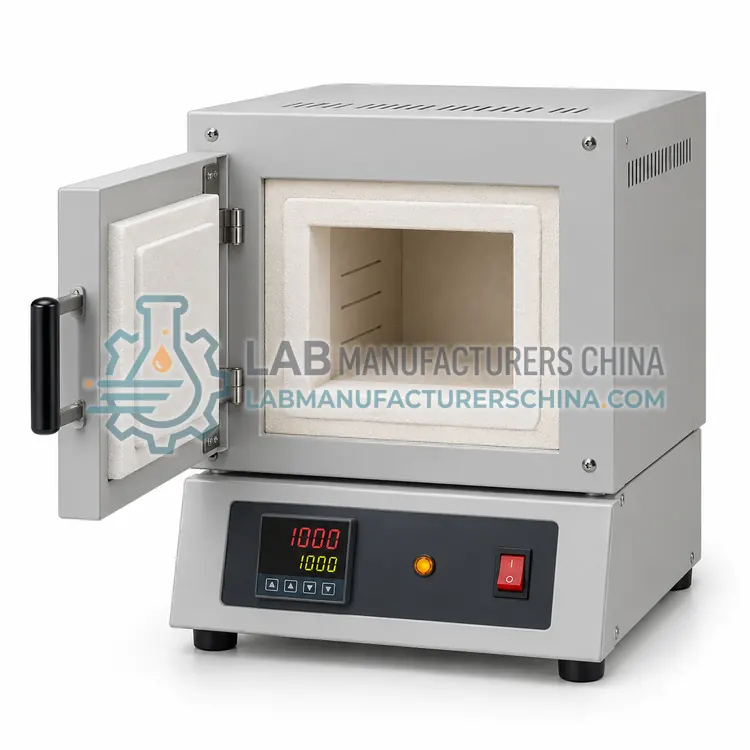
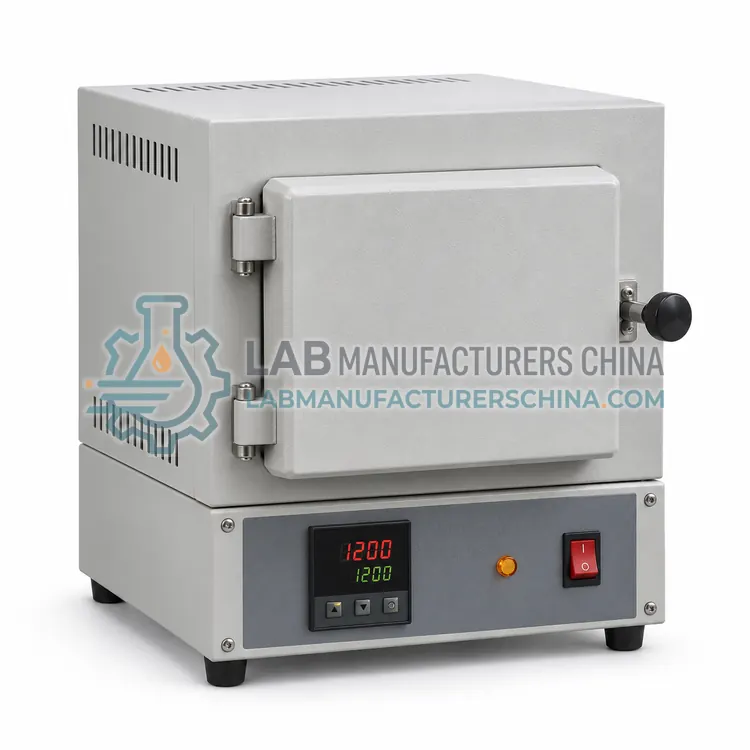
Industrial QC sample preparation covers the equipment that converts bulk industrial materials such as ores, metals, cement, coal and polymers into homogeneous, representative test portions for elemental, chemical and physical analysis. It includes crushing, grinding, splitting, pressing, fusion and digestion steps carried out under documented, repeatable conditions.
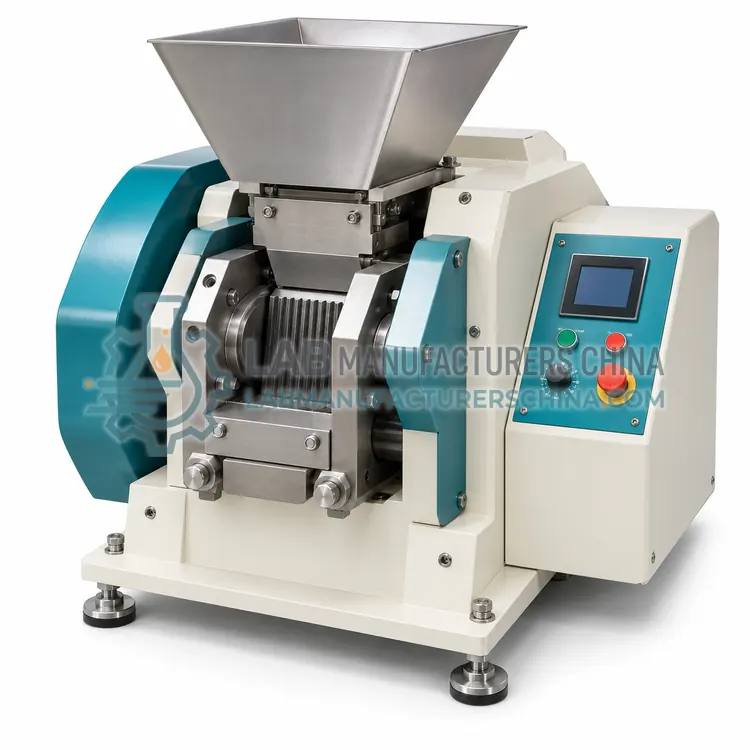
What are Industrial Quality Control Equipment?
Industrial quality control (QC) equipment is the set of instruments that turns a product specification into a measurable pass or fail decision. It includes bench QC analyzers for composition and physical properties, inspection instruments for dimensions, surface and defects, process analyzers that measure continuously on the line, general measurement systems for weight, length, temperature and pressure, and the sample preparation devices that make representative test portions. Unlike research instruments, QC equipment is chosen for repeatability, throughput, operator simplicity and traceable calibration rather than maximum sensitivity. Buyers typically operate under a quality management system such as ISO 9001 and must show that every reported result can be traced to a calibrated instrument, a documented method and a trained operator.
How do Industrial Quality Control Equipment work?
QC instruments apply a defined physical or chemical principle to a prepared sample and compare the response with a calibration or reference. Analyzers use spectroscopy, titration, chromatography or thermal methods to quantify composition. Inspection instruments use optics, contact probes, eddy current or ultrasound to detect geometry and defects. Process analyzers sample the stream automatically or measure through a probe or flow cell, returning results to a control system in seconds or minutes. Measurement systems convert weight, length, pressure or temperature into calibrated electrical signals. Sample preparation devices such as mills, dividers, dryers and fusion units reduce variability before measurement. Results are checked against control charts, reference materials and acceptance limits so that drift or out-of-specification product is flagged early.
Where are Industrial Quality Control Equipment used?
QC equipment is used wherever production output must be verified against a written specification. Typical examples include incoming inspection of raw materials such as ores, resins, metals and chemicals, in-process checks on blending and reaction steps, and final release testing before shipment. Petroleum and mining operations test fuel quality, ash, moisture and grade. Plastics, rubber and paper producers verify physical and composition properties on each lot. Automotive and machinery suppliers inspect dimensions and surface finish. Food, cosmetic and chemical plants monitor purity, moisture and contaminants. In each case the equipment supports batch release decisions, customer certificates of analysis, supplier audits, complaint investigation and continuous improvement programs that reduce scrap and rework.
Which standards apply to Industrial Quality Control Equipment?
Quality control work is governed by a layered set of standards. ISO 9001 defines the quality management system, while ISO/IEC 17025 sets competence requirements for testing and calibration laboratories. Measurement traceability follows ISO 10012 and national metrology rules such as the JJG verification regulations in China. Individual test methods come from ASTM, ISO, GB/T or industry bodies, and sampling practice follows standards such as ISO 3082 for iron ore and ASTM D4057 for petroleum. Electrical safety of laboratory equipment is addressed by IEC 61010-1, and statistical control by ISO 7870. Instrument suitability must always be confirmed against the specific method the laboratory intends to run.
How do I select the right industrial quality control equipment?
Start from the specification and the decision it supports. Define the property to be measured, the tolerance, the sample type and the number of tests per shift. Then choose the tier: bench analyzers for lot release, inspection instruments for dimensional and surface checks, process analyzers when delay between sampling and result costs yield, and measurement systems for general weighing and monitoring. Compare repeatability against one third to one tenth of the tolerance, confirm calibration traceability and available reference materials, and check software features such as audit trails, limits and data export. Consider sample preparation early, since it often dominates total uncertainty. Finally assess operator skill, service access, consumable supply and the validation effort required before the instrument can be used for release decisions.
Industrial Quality Control Equipment comparison
| Subcategory | Principle | Typical use | Key spec |
|---|---|---|---|
| QC Analyzers | Spectroscopy, titration or thermal analysis on bench samples | Lot release and composition checks | Repeatability vs tolerance |
| Inspection Instruments | Optical, contact and non-destructive probing | Dimension, surface and defect checks | Resolution and field of view |
| Process Analyzers | In-line or at-line automatic measurement | Continuous process monitoring | Response time |
| Measurement Systems | Sensors converting weight, length or pressure to signals | General measurement and monitoring | Accuracy class |
| Sample Preparation | Milling, dividing, drying and fusing | Representative test portions for QC | Particle size and throughput |
Frequently asked questions about Industrial Quality Control Equipment
A QC laboratory typically needs analyzers for the properties in the specification, inspection and measurement tools for dimensions and weight, sample preparation devices, calibrated reference materials and data management software. The exact set depends on the product, tolerance and sample throughput.
A QC analyzer is a bench instrument that tests discrete samples brought to the laboratory, while a process analyzer measures directly on or beside the production line and sends results to a control system continuously or at short intervals.
Traceability is maintained by calibrating instruments against reference standards that link to national or international units, recording calibration dates and uncertainties, and verifying performance between calibrations with check standards. Requirements are described in ISO/IEC 17025 and ISO 10012.
Sample preparation often contributes more to total uncertainty than the instrument itself. Representative sampling, grinding, drying and dividing ensure that the small test portion reflects the whole lot, so repeatable preparation is required for results that can support release decisions.
Calibration intervals depend on instrument type, usage, stability history and the tolerance being checked. Many laboratories calibrate annually, add daily or weekly check-standard verifications, and shorten the interval when drift is observed. The schedule should be defined in the quality system.
Related categories
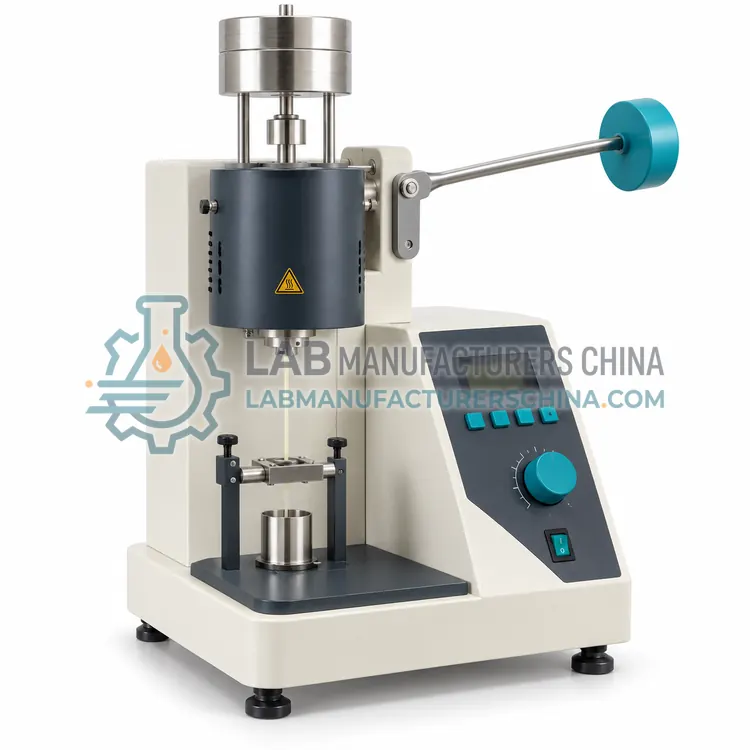 CPOL聚合物分析设备Polymer analysis equipment characterizes how plastics, elastomers and resins flow, melt, degrade and absorb light. It includes melt flow testers, differential scanning calorimeters, thermogravimetric analyzers, rheometers and spectrometers used by resin producers, compounders, converters and materials research laboratories to verify grade, composition and processing behavior.
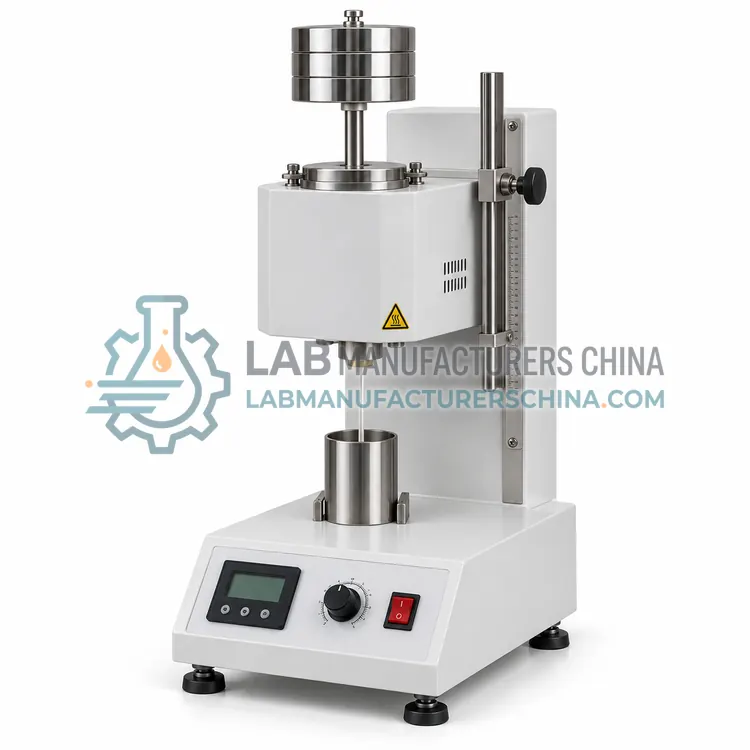 CPLA塑料分析设备Plastic analysis equipment measures the flow, density, thermal behavior, impact resistance and composition of plastic materials and finished parts. It is used by resin suppliers, molders, recyclers and testing laboratories for incoming inspection, grade verification, product qualification and failure analysis under ISO and ASTM methods.
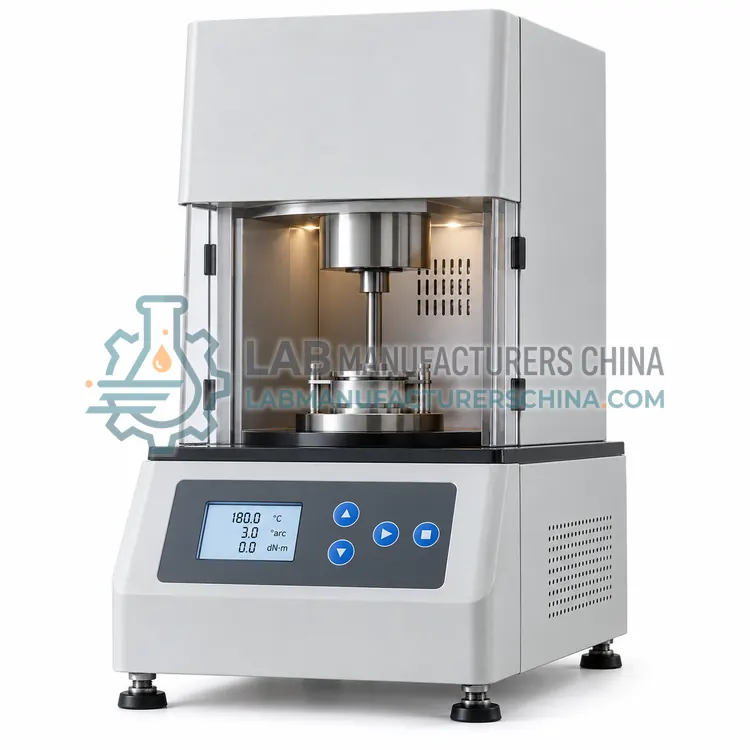 CRAE橡胶分析设备Rubber analysis equipment measures the processing, curing, aging and composition of raw rubber, compounds and vulcanized products. It includes rheometers, Mooney viscometers, rubber process analyzers, aging ovens and composition analyzers used by tire makers, compounders, seal and hose manufacturers and testing laboratories.
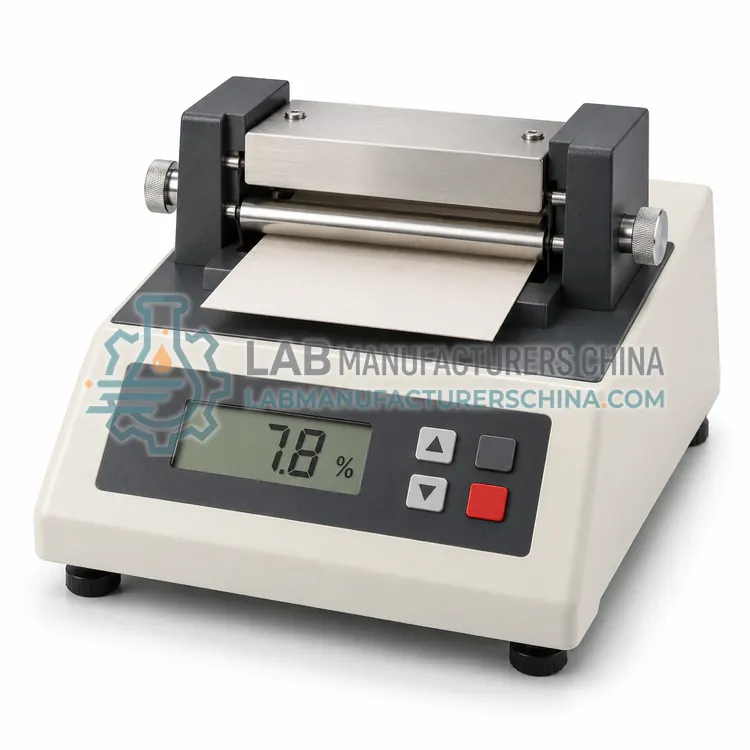 CPAP纸张分析设备Paper analysis equipment measures the moisture, thickness, brightness, burst strength and overall physical quality of paper, board and packaging. It is used by paper mills, converters, packaging manufacturers and testing laboratories for grade control, customer specification compliance and troubleshooting of runnability and print performance.