
Petroleum Testing Equipment
石油测试设备
CPTE · Petroleum, Mining & Industrial Analysis · 5 product types · 25 models
By Lab Manufacturers China Technical TeamLast reviewed
What are Petroleum Testing Equipment?
Petroleum testing equipment covers laboratory instruments that measure the physical, chemical and performance properties of crude oil and refined products, including flash point, distillation range, viscosity, sulfur content and octane or cetane quality. Refineries, terminals, fuel distributors and independent inspection laboratories use them to verify product specifications.
5 product types in Petroleum Testing Equipment
The 5 product types below are grouped by the exact instrument you need.
- FPT5 models
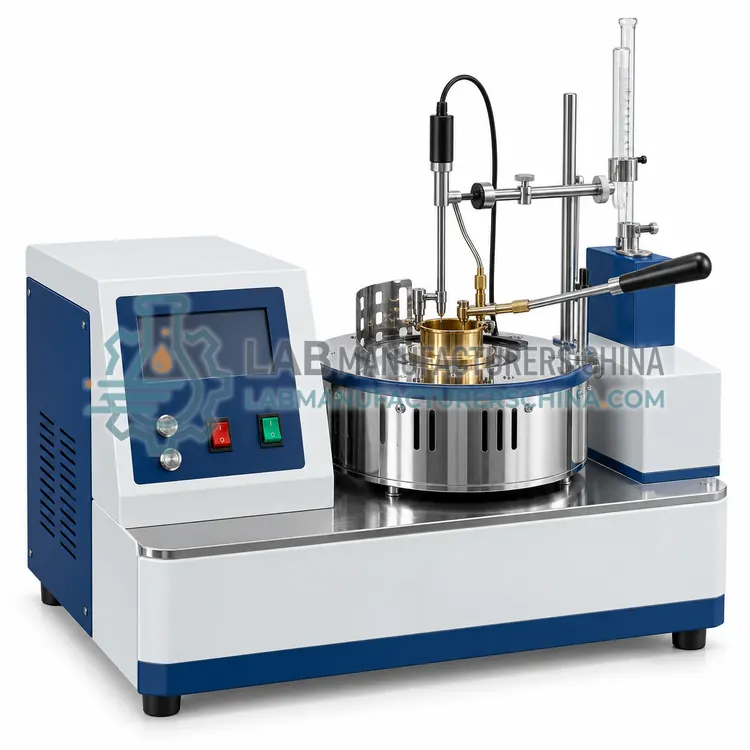
Flash Point Testers
闪点测定仪
Flash point testers determine the lowest temperature at which a heated petroleum sample gives off enough vapor to ignite briefly when an ignition source is applied. Refineries, terminals, lubricant blenders and inspection laboratories use them to classify flammability, set shipping and storage rules, and detect light-fuel contamination.
- DTE5 models
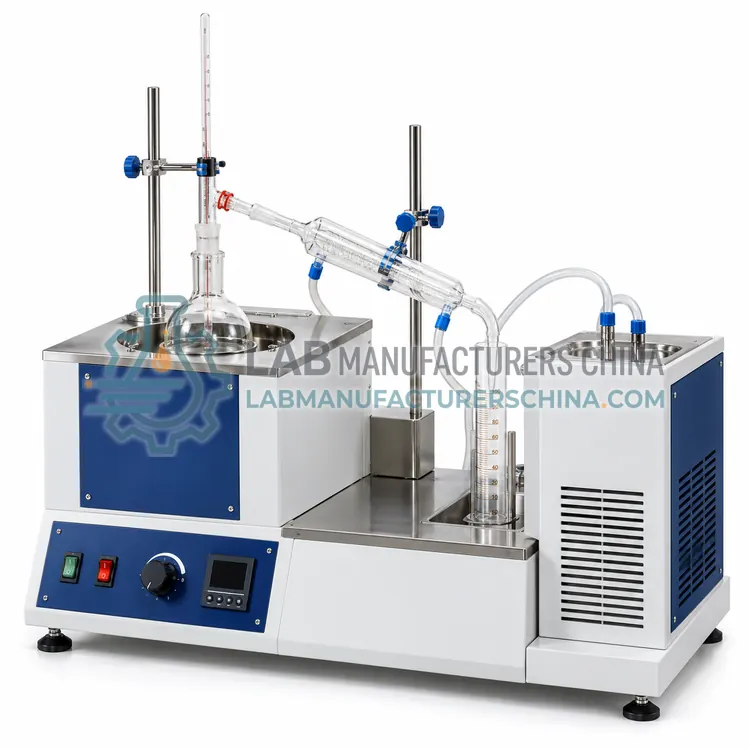
Distillation Testers
馏程测定仪
Distillation testers measure the boiling range of petroleum products by heating a sample under controlled conditions and recording vapor temperature against the volume of condensate. Refineries, terminals, fuel blenders and inspection laboratories use them to check volatility, which affects engine starting, vapor lock, emissions and storage losses.
- VIT5 models
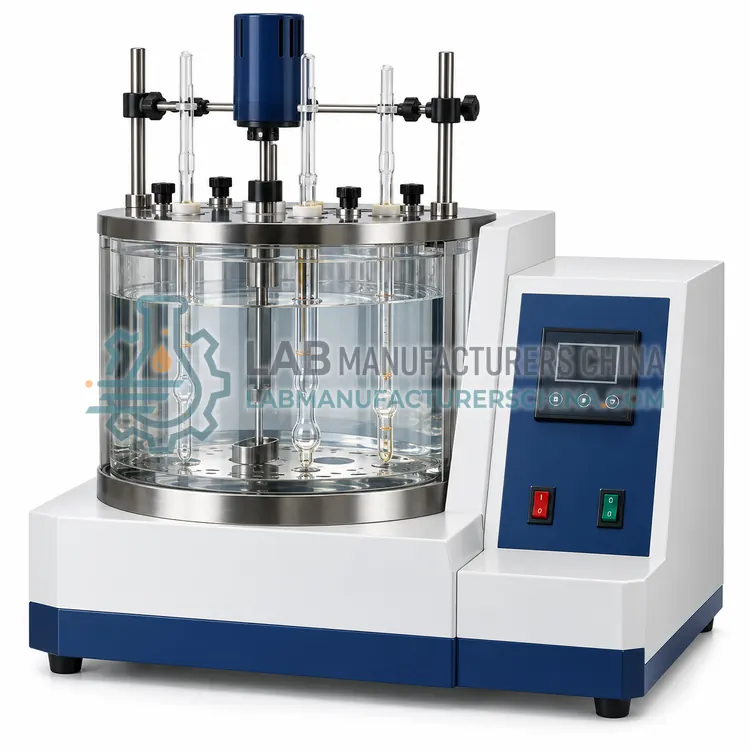
Viscosity Testers
粘度测定仪
Viscosity testers measure the resistance to flow of petroleum products, either as kinematic viscosity from capillary flow time or as dynamic viscosity from rotational torque or cold-cranking behavior. Refineries, lubricant blenders, fuel terminals and oil analysis laboratories use them to grade oils, check fuel specifications and verify low-temperature performance.
- SUA5 models
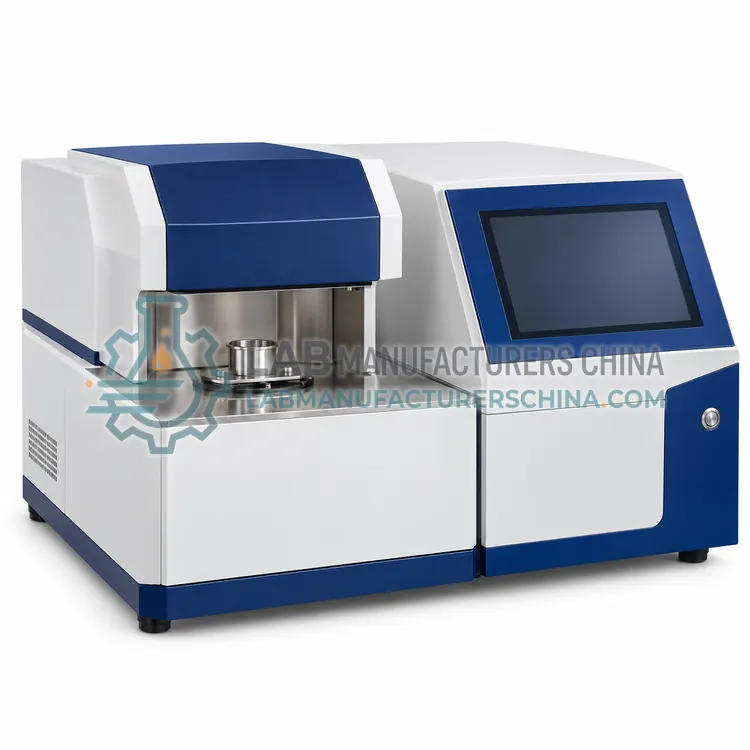
Sulfur Analyzers
硫分析仪
Petroleum sulfur analyzers determine total sulfur in crude oil, gasoline, diesel, jet fuel and lubricants, from a few mg/kg up to several mass percent. They rely on X-ray fluorescence, ultraviolet fluorescence after combustion or lamp combustion, and help refineries and inspection laboratories meet fuel sulfur limits and protect catalysts.
- OCA5 models
Octane/Cetane Analyzers
辛烷值/十六烷值分析仪
Octane and cetane analyzers rate the knock resistance of gasoline and the ignition quality of diesel fuel. Methods use standardized variable-compression engines, constant-volume combustion chambers or calibrated infrared spectroscopy. Refineries, fuel blenders, terminals and testing laboratories use them to certify fuel grades and control blending.
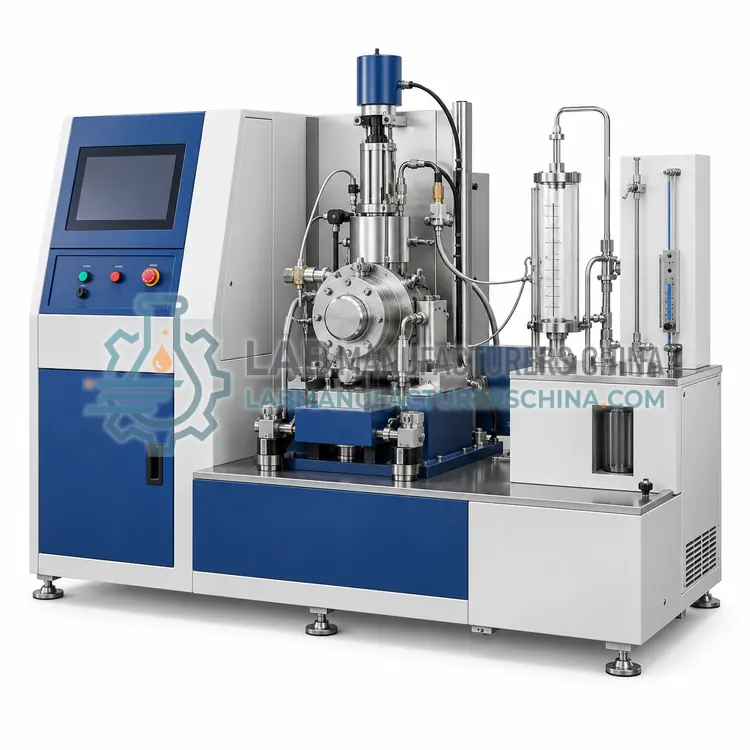
What are Petroleum Testing Equipment?
Petroleum testing equipment is the group of laboratory instruments built to run standardized test methods on crude oil, gasoline, diesel, jet fuel, lubricants and related hydrocarbon products. Each instrument is designed around a published method, most often from ASTM International, the Energy Institute (IP), ISO or the Chinese GB/T series, so that results are comparable between laboratories. Typical tests include flash point for fire-hazard classification, atmospheric and vacuum distillation for volatility, kinematic viscosity for flow behavior, total sulfur for emissions compliance, and octane or cetane number for combustion quality. Instruments range from manual benchtop units to fully automated systems with sample handling, temperature control and data reporting. Because method conformance defines the result, these instruments are built to tight apparatus dimensions, heating rates and temperature tolerances rather than to general-purpose laboratory specifications.
How do Petroleum Testing Equipment work?
The instruments in this category follow different physical principles, each tied to its property. Flash point testers heat a sample at a controlled rate and apply an ignition source to detect the lowest temperature at which vapors ignite, in closed-cup or open-cup geometry. Distillation testers boil a measured volume under prescribed conditions and record vapor temperature against condensed volume. Viscosity testers time a fixed volume of liquid flowing through a calibrated glass capillary held in a precisely controlled bath, or measure torque on a rotating spindle. Sulfur analyzers use X-ray fluorescence, ultraviolet fluorescence after combustion, or lamp combustion methods to quantify sulfur. Octane and cetane analyzers either use a variable-compression engine or infer quality from spectroscopic or ignition-delay measurements. Temperature control, calibration against reference materials and operator-independent timing are common themes across all of them.
Where are Petroleum Testing Equipment used?
Refineries use these instruments for in-process control and final product release, checking that gasoline, diesel and jet fuel meet regional specifications before shipment. Storage terminals and pipeline operators test incoming batches to detect contamination or product mixing. Fuel distributors and retail networks sample from depots and stations to confirm quality. Independent inspection laboratories run the same methods for custody-transfer disputes and regulatory audits. Lubricant blenders measure viscosity and flash point on finished oils and base stocks. Power utilities, marine operators and airlines run selected tests on bunker fuel and turbine fuel. Research and university laboratories use them for fuel formulation and biofuel blending studies, where method repeatability and reproducibility limits are needed to judge whether small differences between samples are significant.
Which standards apply to Petroleum Testing Equipment?
Most test methods in this category are published by ASTM International (for example D93, D86, D445, D4294 and D2699), the Energy Institute as IP methods, and ISO equivalents such as ISO 2719, ISO 3405 and ISO 3104. China uses GB/T standards, often harmonized with ASTM or ISO methods. Product specifications such as ASTM D975 for diesel, ASTM D4814 for gasoline and EN 590 reference these methods for compliance limits. Method text defines apparatus dimensions, heating rates, reporting precision and repeatability and reproducibility limits. Instrument electrical safety is typically assessed to IEC 61010-1. Buyers should confirm which edition of each method their regulator or customer requires, since revisions may change tolerances.
How do I select the right petroleum testing equipment?
Start from the test methods your specifications require, because the method dictates apparatus geometry and acceptable instrument types. Then weigh sample throughput: manual units suit a few samples per day, while automated systems with multi-position carousels or autosamplers reduce labor and operator bias. Check the required measurement range and precision against your product slate, for example low-sulfur diesel below 10 mg/kg or heavy fuel oil with high viscosity. Consider cooling requirements for distillation and viscosity baths, fume extraction for open-flame tests, and lab space. Ask suppliers for calibration certificates traceable to national standards, reference-material availability, and software features such as audit trails. Finally, compare consumable costs and service support, since spare glassware, sensors and calibration fluids recur throughout the instrument life.
Petroleum Testing Equipment comparison
| Subcategory | Principle | Typical use | Key spec |
|---|---|---|---|
| Flash Point Testers | Controlled heating with ignition source in closed or open cup | Fire-hazard classification and shipping safety | Ambient to 400 °C typical range |
| Distillation Testers | Boiling and condensing a measured sample volume | Volatility and boiling range of fuels | 100 mL charge, temperature to 400 °C |
| Viscosity Testers | Capillary flow time or rotational torque | Flow behavior of fuels and lubricants | Kinematic viscosity 0.5–10,000 mm²/s typical |
| Sulfur Analyzers | X-ray fluorescence or UV fluorescence after combustion | Sulfur limits for fuel emission compliance | Low mg/kg to several mass percent |
| Octane/Cetane Analyzers | Variable-compression engine or spectroscopic estimation | Combustion quality of gasoline and diesel | Octane 0–120 RON, cetane 0–100 typical |
Frequently asked questions about Petroleum Testing Equipment
The category covers flash point testers, distillation testers, viscosity testers, sulfur analyzers and octane or cetane analyzers. Each is built around standardized methods such as ASTM D93, D86, D445, D4294 and D2699, and is used to verify fuel and lubricant specifications.
Test methods come mainly from ASTM International, the Energy Institute (IP), ISO and Chinese GB/T standards. Examples include ASTM D93 for flash point, D86 for distillation, D445 for viscosity and D4294 for sulfur. The applicable edition should be confirmed with your regulator or customer.
Choose manual units for low sample volumes and tight budgets, and automatic units when you test many samples daily or need operator-independent results. Automatic systems add sample handling, electronic detection and data storage, which reduce subjectivity, but they cost more and need routine sensor checks.
Calibration intervals depend on the instrument and your quality system. Temperature sensors and viscometer tubes are commonly verified annually, while daily or per-batch checks with certified reference materials are typical for sulfur analyzers and flash point testers. Follow the method text and your laboratory accreditation requirements.
Generally yes for flash point, distillation, viscosity and sulfur, provided the instrument range and method selected match each product. Octane number needs a gasoline engine setup while cetane number needs a diesel engine setup, so these are tested on separate engines or analyzers.
Key features include over-temperature protection, automatic flame extinguishing for open-flame tests, fume extraction connections, and electrical safety to IEC 61010-1. Flammable samples also require proper ventilation, grounded equipment, and safe storage of samples and reference fluids.
Related categories
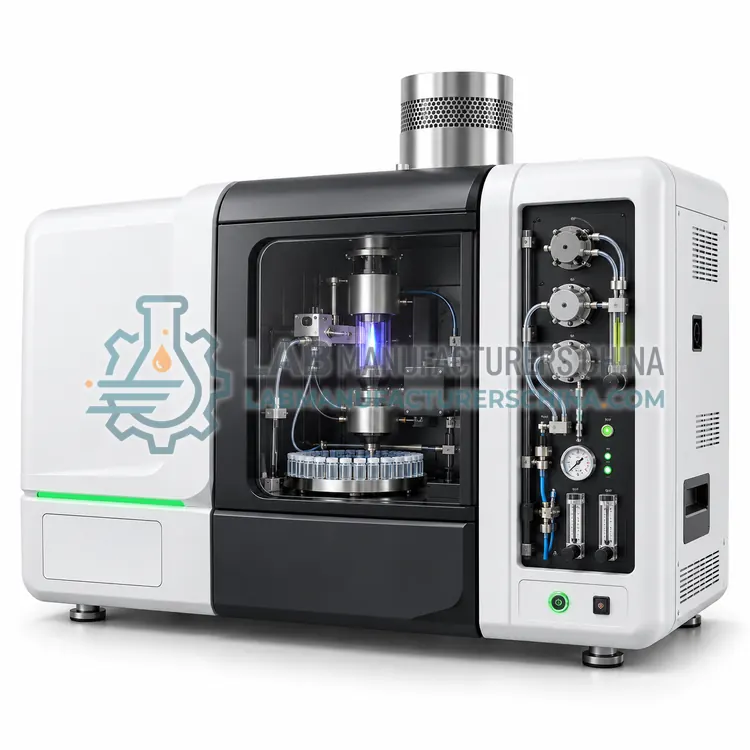 COTE油品检测设备Oil testing equipment covers laboratory and field instruments that measure the physical, chemical and electrical properties of mineral oils, insulating oils, edible oils and fuel oils. It is used by utilities, refineries, food processors and maintenance teams to verify quality, detect degradation and decide on oil change or treatment.
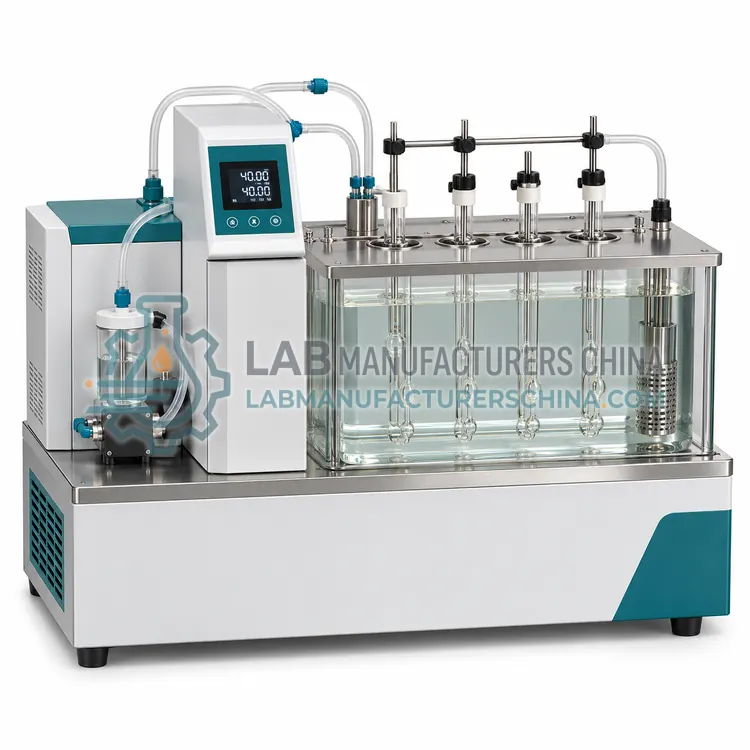 CLTE润滑剂检测设备Lubricant testing equipment covers instruments that measure the viscosity, wear protection, grease consistency, oxidation resistance and in-service condition of lubricating oils and greases. Lubricant formulators, base-oil producers, equipment makers and maintenance laboratories use it to qualify products and track degradation.
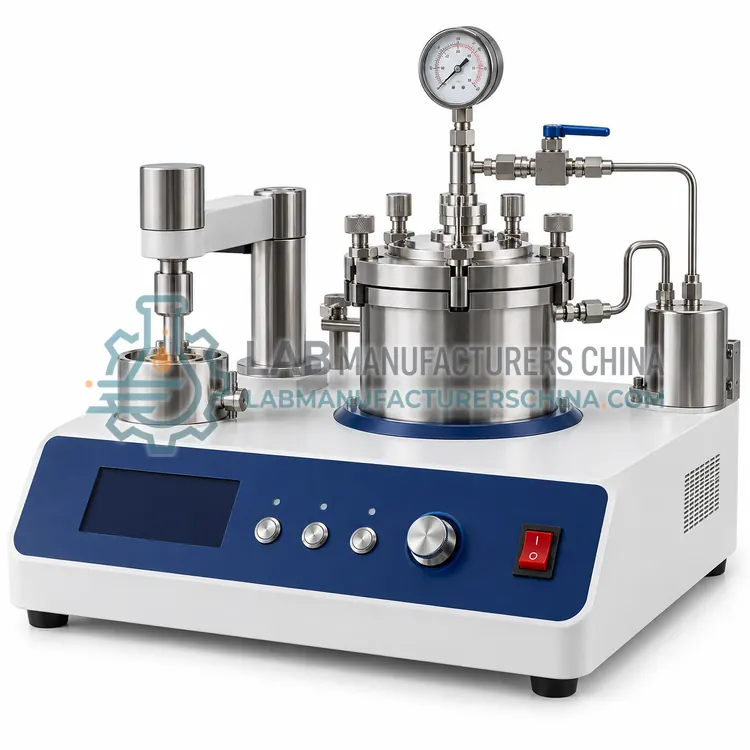 CCTE煤炭检测设备Coal testing equipment covers laboratory instruments that measure the quality and composition of coal and coke, including calorific value, ash, sulfur, moisture and volatile matter. Mines, power plants, steel mills and trading laboratories use it to grade coal, price shipments and confirm contract and emissions compliance.
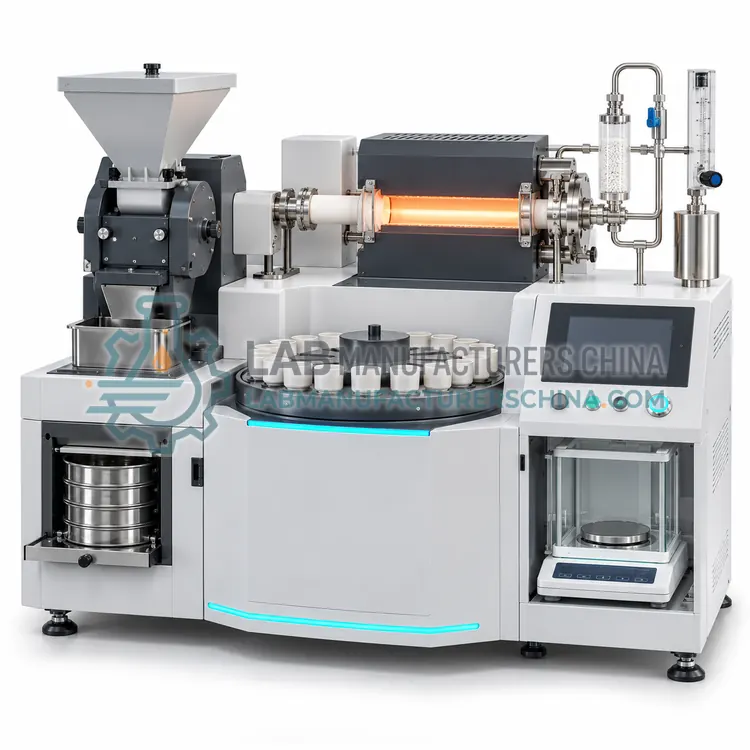 CMLE矿业实验室设备Mining laboratory equipment covers the instruments used to prepare mineral samples and to test ore properties: crushers, pulverizers, splitters and flotation cells, together with mineral analysis instruments such as X-ray diffraction and automated mineralogy systems. Mines, concentrators, geologists and assay laboratories use them.