Lab Manufacturers China

Sulfur Analyzers

硫分析仪

SUA · Petroleum Testing Equipment · 5 models

By Lab Manufacturers China Technical TeamLast reviewed Standards: ASTM D4294, ASTM D2622, ASTM D5453

Standards referenced

  • ASTM D4294
  • ASTM D2622
  • ASTM D5453
  • ASTM D7039
  • ASTM D1266
  • ISO 8754
  • ISO 20846
  • IP 336
  • GB/T 11140
  • IEC 61010-1

What are Sulfur Analyzers?

Petroleum sulfur analyzers determine total sulfur in crude oil, gasoline, diesel, jet fuel and lubricants, from a few mg/kg up to several mass percent. They rely on X-ray fluorescence, ultraviolet fluorescence after combustion or lamp combustion, and help refineries and inspection laboratories meet fuel sulfur limits and protect catalysts.

5 models of Sulfur Analyzers

The 5 models below are current configurations; specifications are confirmed on quotation.

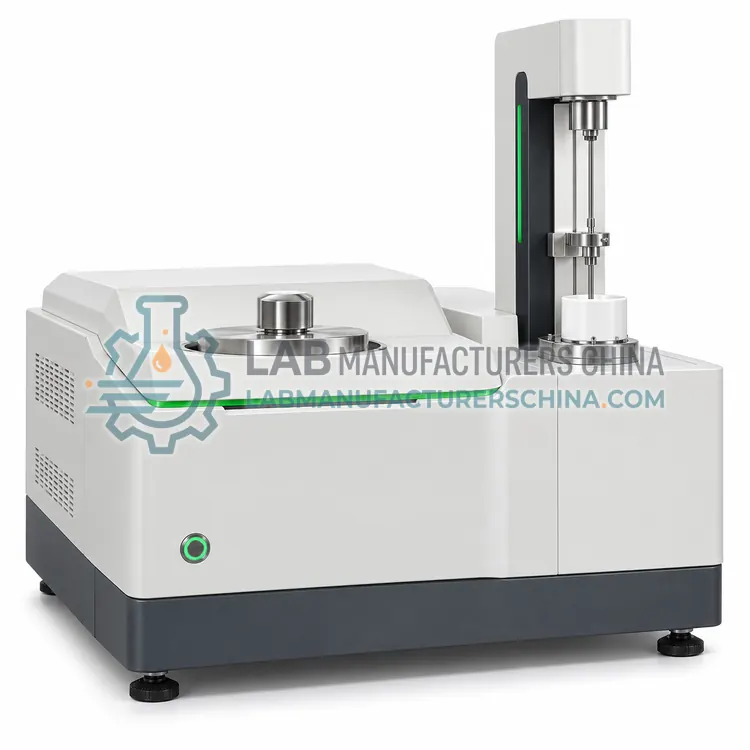
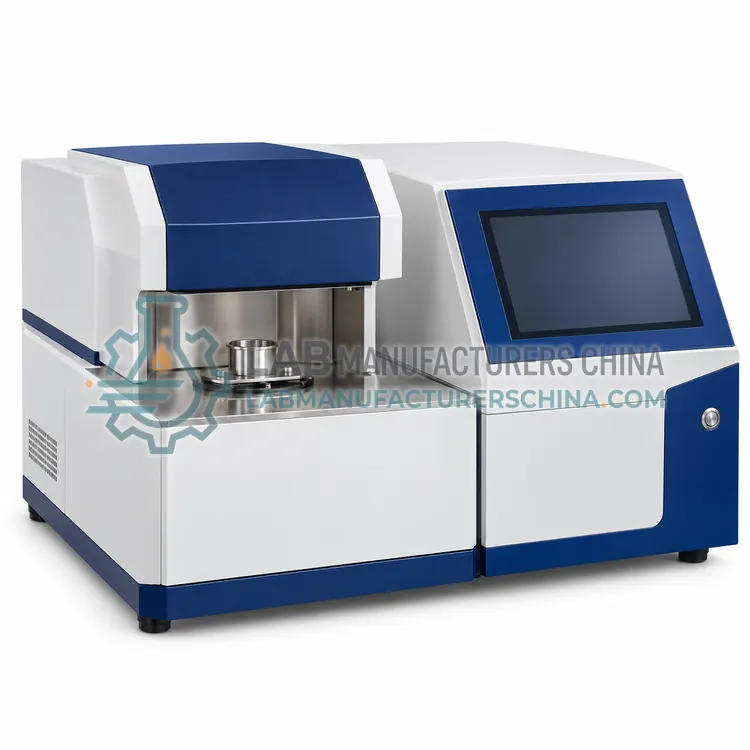
Benchtop ED-XRF Sulfur Analyzer for Petroleum Products

石油产品台式 ED-XRF 硫分析仪

  • SUA-0001
  • Sulfur Analyzers
  • CE (to be confirmed)
  • ISO 9001 manufacturing (to be confirmed)
  • Radiation safety registration per local rules (to be confirmed)
Test method:
ASTM D4294, ISO 8754, GB/T 17040
Measurement range:
16 mg/kg–5 mass %
Detector:
Silicon drift or proportional counter
X-ray tube:
Low-power, up to 50 W
Measurement time:
100–300 s
Repeatability:
Per method table, about 3–5% at 500 mg/kg

A benchtop energy-dispersive XRF sulfur analyzer measures total sulfur in crude oil, diesel, residual fuel and lubricants from about 16 mg/kg to 5 mass percent under ASTM D4294. It needs little sample preparation, runs in minutes and is widely used in refinery and terminal laboratories for routine screening.

Request a quote
View details

Wavelength-Dispersive XRF Sulfur Analyzer for Fuels

燃料波长色散 XRF 硫分析仪

  • SUA-0002
  • Sulfur Analyzers
  • CE (to be confirmed)
  • ISO 9001 manufacturing (to be confirmed)
  • Radiation safety registration per local rules (to be confirmed)
Test method:
ASTM D2622, ISO 20884, GB/T 11140
Measurement range:
3 mg/kg–4.6 mass %
Detection limit:
About 1–3 mg/kg
X-ray tube:
50–200 W
Analyzing crystal:
Germanium or PET
Detector:
Gas flow proportional counter

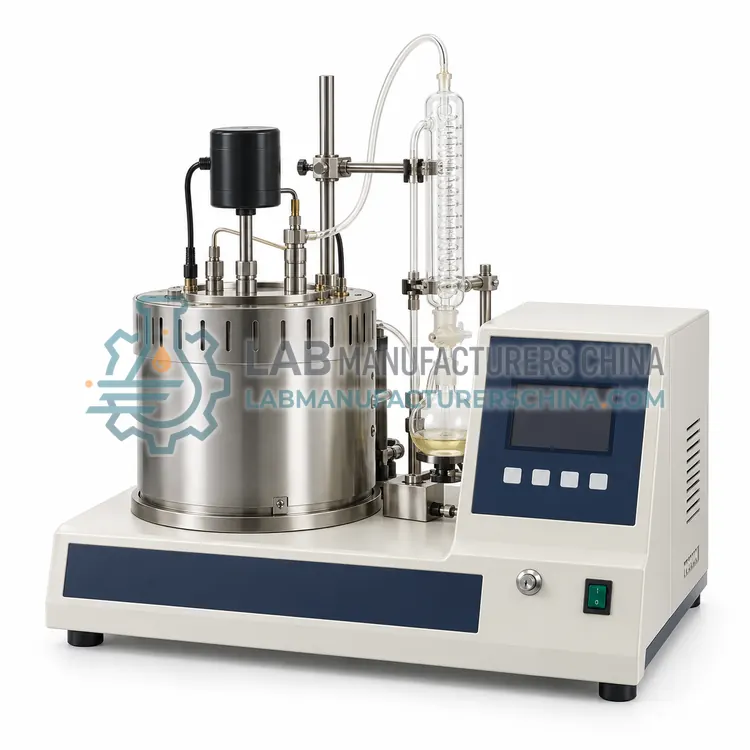
A wavelength-dispersive XRF sulfur analyzer uses a diffracting crystal to isolate the sulfur line, giving better resolution and lower detection limits than energy-dispersive units. It follows ASTM D2622 and ISO 20884 for sulfur in gasoline, diesel and jet fuel from a few mg/kg upward.

Request a quote
View details

UV-Fluorescence Total Sulfur Analyzer for Fuels

燃料紫外荧光总硫分析仪

  • SUA-0003
  • Sulfur Analyzers
  • CE (to be confirmed)
  • ISO 9001 manufacturing (to be confirmed)
Test method:
ASTM D5453, ISO 20846, GB/T 34100
Measurement range:
1.0–8000 mg/kg (detection limit about 0.2 mg/kg)
Detection limit:
About 0.2 mg/kg
Furnace temperature:
Up to 1100 °C
Injection volume:
5–50 µL
Analysis time:
3–6 min per sample

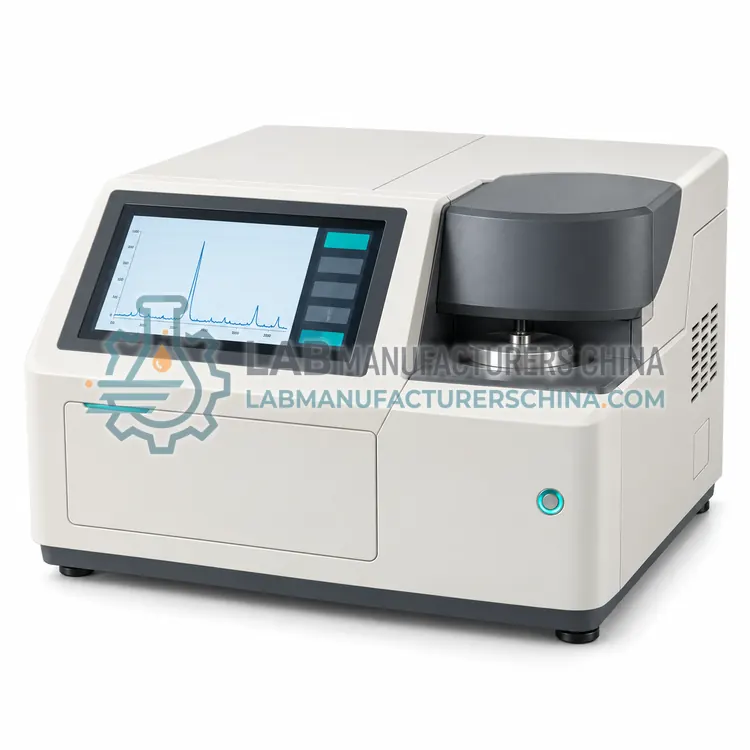
A UV-fluorescence sulfur analyzer combusts a fuel sample at about 1050 °C, converts sulfur to sulfur dioxide, and measures its ultraviolet-excited fluorescence. It follows ASTM D5453 and ISO 20846 for sulfur from about 1 to 8000 mg/kg in gasoline, diesel, jet fuel and other light hydrocarbons.

Request a quote
View details

Monochromatic WDXRF Sulfur Analyzer for Ultra-Low Sulfur Fuels

超低硫燃料单色 WDXRF 硫分析仪

  • SUA-0004
  • Sulfur Analyzers
  • CE (to be confirmed)
  • ISO 9001 manufacturing (to be confirmed)
  • Radiation safety registration per local rules (to be confirmed)
Test method:
ASTM D7039, ISO 13032, GB/T 11140 related
Measurement range:
0.4–500 mg/kg (validated 3–500 mg/kg)
Detection limit:
About 0.4 mg/kg
X-ray tube:
Low-power, up to 50 W
Measurement time:
200–300 s
Optics:
Doubly curved crystals

A monochromatic WDXRF sulfur analyzer uses doubly curved crystal optics to focus monochromatic X-rays on the sample, giving a very low background. It follows ASTM D7039 and ISO 13032 for sulfur in gasoline, diesel and jet fuel from about 0.4 to 500 mg/kg with short analysis times.

Request a quote
View details

Lamp Method Sulfur Apparatus for Light Petroleum Products

轻质石油产品灯烧法硫测定装置

  • SUA-0005
  • Sulfur Analyzers
  • CE (to be confirmed)
  • ISO 9001 manufacturing (to be confirmed)
Test method:
ASTM D1266, IP 107, ISO 4260 related
Measurement range:
0.002–0.5 mass %
Sample size:
Up to about 10 g
Absorber solution:
3% hydrogen peroxide
Gas supply:
Air and carbon dioxide
Vacuum source:
Laboratory pump, about 10 L/min

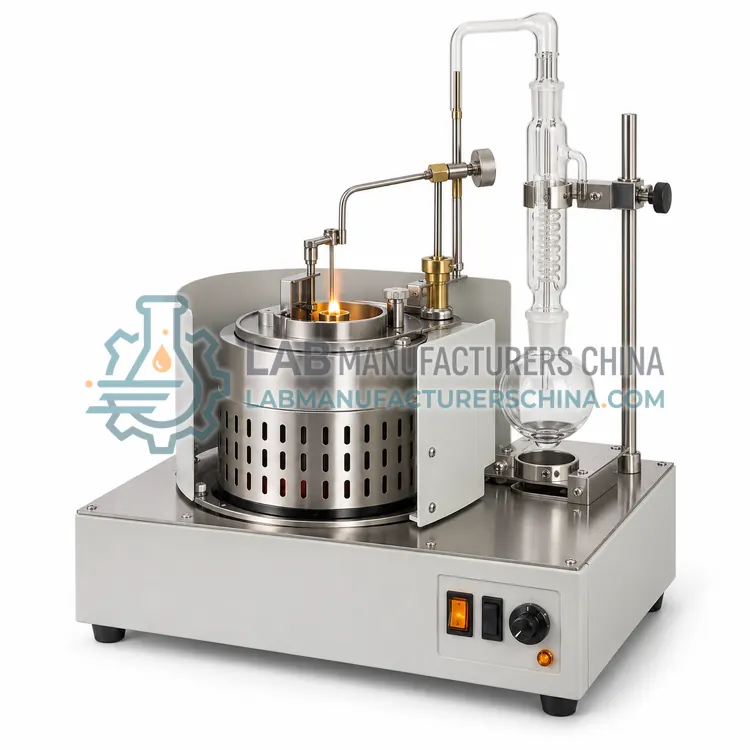
A lamp method sulfur apparatus burns a petroleum sample in a wick lamp in an air-carbon dioxide atmosphere and absorbs the sulfur oxides in hydrogen peroxide solution for titration. It follows ASTM D1266 for sulfur from about 0.002 to 0.5 mass percent in gasoline, kerosene and similar products.

Request a quote
View details

Compare Sulfur Analyzers models

ModelTest methodMeasurement rangeDetectorX-ray tubeMeasurement time
Benchtop ED-XRF Sulfur Analyzer for Petroleum ProductsSUA-0001ASTM D4294, ISO 8754, GB/T 1704016 mg/kg–5 mass %Silicon drift or proportional counterLow-power, up to 50 W100–300 s
Wavelength-Dispersive XRF Sulfur Analyzer for FuelsSUA-0002ASTM D2622, ISO 20884, GB/T 111403 mg/kg–4.6 mass %Gas flow proportional counter50–200 W100–600 s
UV-Fluorescence Total Sulfur Analyzer for FuelsSUA-0003ASTM D5453, ISO 20846, GB/T 341001.0–8000 mg/kg (detection limit about 0.2 mg/kg)———
Monochromatic WDXRF Sulfur Analyzer for Ultra-Low Sulfur FuelsSUA-0004ASTM D7039, ISO 13032, GB/T 11140 related0.4–500 mg/kg (validated 3–500 mg/kg)—Low-power, up to 50 W200–300 s
Lamp Method Sulfur Apparatus for Light Petroleum ProductsSUA-0005ASTM D1266, IP 107, ISO 4260 related0.002–0.5 mass %———

Indicative values for this product class. Final specifications are confirmed on the quotation and in the calibration documents supplied with the instrument.

How do Sulfur Analyzers work?

Petroleum sulfur analyzers use three main principles. In X-ray fluorescence, an X-ray tube excites sulfur atoms in a liquid sample held in a cell behind a thin film, and the detector measures the characteristic sulfur K-alpha line near 2.3 keV, whose intensity is proportional to concentration. Energy-dispersive systems read the whole spectrum with a silicon drift or proportional detector, while wavelength-dispersive systems use a crystal to select the line, giving better resolution. In UV fluorescence, the sample is burned in an oxygen-rich furnace at about 1000 to 1100 °C, converting sulfur to sulfur dioxide, which is excited by ultraviolet light and emits measurable fluorescence. Lamp combustion burns the sample in a wick lamp and titrates the sulfur oxides. Calibration with certified sulfur standards in a matching matrix is essential.

Which Sulfur Analyzers variants are available?

  • Benchtop ED-XRF Sulfur Analyzer for Petroleum Products — A benchtop energy-dispersive XRF sulfur analyzer measures total sulfur in crude oil, diesel, residual fuel and lubricants from about 16 mg/kg to 5 mass percent under ASTM D4294.
  • Wavelength-Dispersive XRF Sulfur Analyzer for Fuels — A wavelength-dispersive XRF sulfur analyzer uses a diffracting crystal to isolate the sulfur line, giving better resolution and lower detection limits than energy-dispersive units.
  • UV-Fluorescence Total Sulfur Analyzer for Fuels — A UV-fluorescence sulfur analyzer combusts a fuel sample at about 1050 °C, converts sulfur to sulfur dioxide, and measures its ultraviolet-excited fluorescence.
  • Monochromatic WDXRF Sulfur Analyzer for Ultra-Low Sulfur Fuels — A monochromatic WDXRF sulfur analyzer uses doubly curved crystal optics to focus monochromatic X-rays on the sample, giving a very low background.
  • Lamp Method Sulfur Apparatus for Light Petroleum Products — A lamp method sulfur apparatus burns a petroleum sample in a wick lamp in an air-carbon dioxide atmosphere and absorbs the sulfur oxides in hydrogen peroxide solution for titration.

How do I choose the right variant?

Choose by required detection limit and the methods in your specification. Low-cost energy-dispersive XRF (ASTM D4294) suits sulfur from about 16 mg/kg to 5 mass percent in crude oil, residual fuel and diesel. Wavelength-dispersive XRF (D2622) gives better resolution and lower detection limits for routine fuels. Monochromatic WDXRF (D7039) and UV fluorescence (D5453) are the usual choices for ultra-low sulfur gasoline and diesel at 10 mg/kg or below. The lamp method (D1266) is a classical check for light products. Also consider matrix effects from oxygenates and additives, sample throughput with autosamplers, helium or gas needs, radiation safety approvals for X-ray tubes, and availability of calibration standards in your concentration range. Service access and consumable cost matter as much as purchase price.

Where are Sulfur Analyzers used?

Sulfur Analyzers are specified in ultra-low sulfur diesel and gasoline release, crude oil and residual fuel sulfur screening, marine fuel compliance (sulfur cap), lubricant and base oil sulfur checks and refinery hydrotreater performance monitoring.

Which standards and certifications apply?

Work with Sulfur Analyzers is commonly governed by ASTM D4294, ASTM D2622, ASTM D5453, ASTM D7039, ASTM D1266, ISO 8754, ISO 20846, IP 336, GB/T 11140 and IEC 61010-1. Instrument certifications such as CE marking are confirmed per configuration and never assumed.

What are the key considerations before purchase?

X-ray based analyzers require radiation safety compliance, including registration or licensing according to local regulation and periodic leak checks of the tube housing. Calibrate with certified sulfur-in-oil standards matching the sample matrix, and verify daily with a check standard. Keep sample cells and films clean and replace films regularly, since pinholes or contamination bias results. For UV fluorescence, maintain the combustion furnace, inlet septa, oxygen and carrier gas supplies and dryer membranes. Control sample temperature and avoid evaporation of light samples before injection. Store low-sulfur samples in clean containers to prevent contamination. Record instrument drift and apply drift correction standards as specified. Follow solvent and waste handling rules for used cells, films and sample residues.

Frequently asked questions about Sulfur Analyzers

For diesel at 10 mg/kg or below, ASTM D5453 UV fluorescence, ASTM D2622 WDXRF and ASTM D7039 monochromatic WDXRF are commonly used. Basic ED-XRF per D4294 is not designed for that low range. Always check the method named in your fuel specification.

Need help specifying Sulfur Analyzers?

Request a quote