
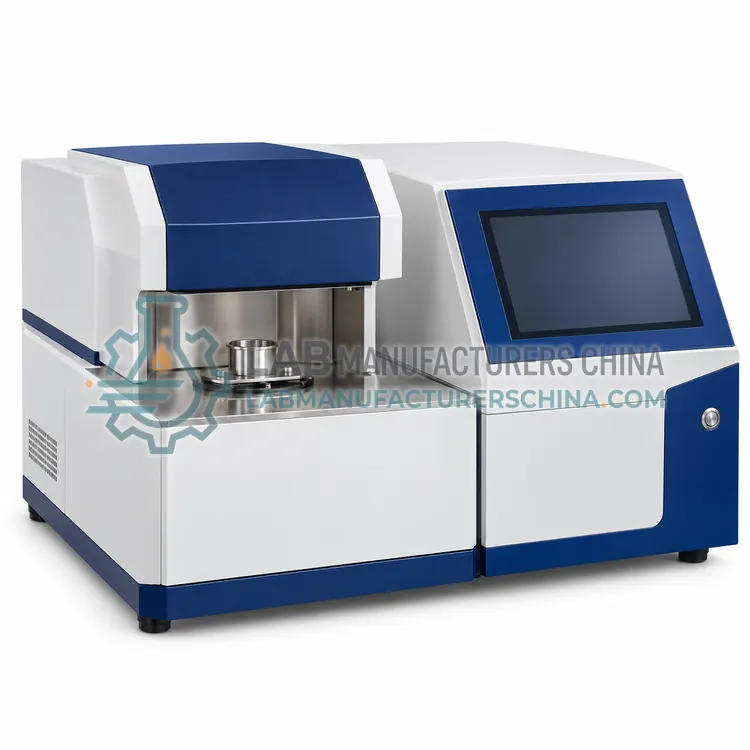
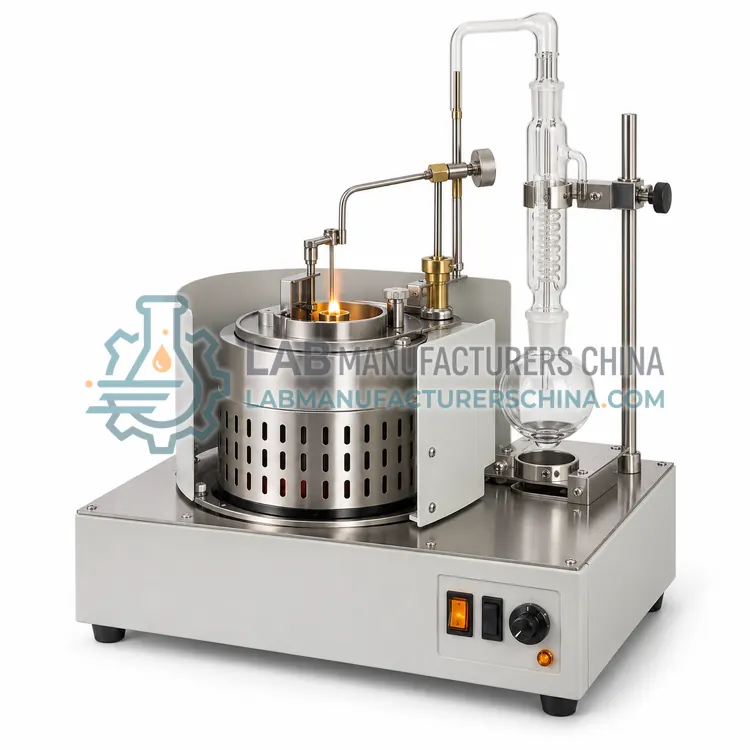
Lamp Method Sulfur Apparatus for Light Petroleum Products
轻质石油产品灯烧法硫测定装置
- SKU SUA-0005
- Sulfur Analyzers
- CE (to be confirmed)
- ISO 9001 manufacturing (to be confirmed)
Price on request — FOB / CIF quoted per order
Prices depend on configuration, quantity and destination port.
Key specifications
| Test method | ASTM D1266, IP 107, ISO 4260 related |
|---|---|
| Measurement range | 0.002–0.5 mass % |
| Sample size | Up to about 10 g |
| Absorber solution | 3% hydrogen peroxide |
| Gas supply | Air and carbon dioxide |
| Vacuum source | Laboratory pump, about 10 L/min |
Request a quote Download brochure · to be provided
By Lab Manufacturers China Technical TeamLast reviewed Standards: ASTM D4294, ASTM D2622, ASTM D5453
What is the Lamp Method Sulfur Apparatus for Light Petroleum Products?
A lamp method sulfur apparatus burns a petroleum sample in a wick lamp in an air-carbon dioxide atmosphere and absorbs the sulfur oxides in hydrogen peroxide solution for titration. It follows ASTM D1266 for sulfur from about 0.002 to 0.5 mass percent in gasoline, kerosene and similar products.
What is the Lamp Method Sulfur Apparatus for Light Petroleum Products?
A lamp method sulfur apparatus burns a petroleum sample in a wick lamp in an air-carbon dioxide atmosphere and absorbs the sulfur oxides in hydrogen peroxide solution for titration. It follows ASTM D1266 for sulfur from about 0.002 to 0.5 mass percent in gasoline, kerosene and similar products.
Overview
The lamp method is a classical wet-chemical technique that remains a referee or confirmatory method in some specifications. A weighed sample is burned in a small lamp with a cotton wick, fed by a controlled mixture of air and carbon dioxide through a chimney, while a vacuum pump draws the combustion gases through an absorber containing hydrogen peroxide solution. Sulfur oxides form sulfuric acid, which is determined by titration with standard barium perchlorate or sodium hydroxide, or by gravimetric precipitation as barium sulfate. The apparatus includes the lamp and chimney, absorber, flow meters, vacuum pump and glassware. It needs no expensive detectors and is independent of matrix effects, but it is slower, labor-intensive and less sensitive than XRF or UV fluorescence. Operator skill is important for consistent flame control and titration endpoint detection. The method is not suitable for ultra-low sulfur fuels.
How does it work?
Petroleum sulfur analyzers use three main principles. In X-ray fluorescence, an X-ray tube excites sulfur atoms in a liquid sample held in a cell behind a thin film, and the detector measures the characteristic sulfur K-alpha line near 2.3 keV, whose intensity is proportional to concentration. Energy-dispersive systems read the whole spectrum with a silicon drift or proportional detector, while wavelength-dispersive systems use a crystal to select the line, giving better resolution. In UV fluorescence, the sample is burned in an oxygen-rich furnace at about 1000 to 1100 °C, converting sulfur to sulfur dioxide, which is excited by ultraviolet light and emits measurable fluorescence. Lamp combustion burns the sample in a wick lamp and titrates the sulfur oxides. Calibration with certified sulfur standards in a matching matrix is essential.
What are the key features?
- Wick lamp with chimney and air-CO2 gas control
- Absorber tubes for hydrogen peroxide solution
- Flow meters and vacuum pump for controlled gas flow
- Titration or gravimetric determination of sulfate
- Independent of matrix effects
- Low purchase cost with simple construction
What are the technical specifications?
A typical lamp method sulfur apparatus for light petroleum products configuration offers test method of ASTM D1266, IP 107, ISO 4260 related, measurement range of 0.002–0.5 mass %, sample size of Up to about 10 g, absorber solution of 3% hydrogen peroxide, gas supply of Air and carbon dioxide and vacuum source of Laboratory pump, about 10 L/min. Values are indicative of the product class; the exact figures for each configuration are confirmed on the quotation and the calibration documents supplied with the instrument.
Which applications is it used for?
The Lamp Method Sulfur Apparatus for Light Petroleum Products is used in sulfur confirmation in gasoline and kerosene, referee testing where specified, laboratory teaching and low-cost screening of light products. Across the wider Sulfur Analyzers class, laboratories also deploy it for ultra-low sulfur diesel and gasoline release, crude oil and residual fuel sulfur screening and marine fuel compliance (sulfur cap).
Which standards and certifications apply?
Relevant standards and methods include ASTM D4294, ASTM D2622, ASTM D5453, ASTM D7039, ASTM D1266, ISO 8754, ISO 20846, IP 336, GB/T 11140 and IEC 61010-1. Certification candidates for this model are CE and ISO 9001 manufacturing; each is to be confirmed for the specific configuration before shipment, and certificates are supplied only where they have been issued.
X-ray based analyzers require radiation safety compliance, including registration or licensing according to local regulation and periodic leak checks of the tube housing. Calibrate with certified sulfur-in-oil standards matching the sample matrix, and verify daily with a check standard. Keep sample cells and films clean and replace films regularly, since pinholes or contamination bias results. For UV fluorescence, maintain the combustion furnace, inlet septa, oxygen and carrier gas supplies and dryer membranes. Control sample temperature and avoid evaporation of light samples before injection. Store low-sulfur samples in clean containers to prevent contamination. Record instrument drift and apply drift correction standards as specified. Follow solvent and waste handling rules for used cells, films and sample residues.
How do I select the right Lamp Method Sulfur Apparatus for Light Petroleum Products?
Select the lamp apparatus only when a specification names D1266, or for teaching and referee work where XRF or UV fluorescence is unavailable. It cannot meet ultra-low sulfur needs. In an RFQ specify the number of stations, glassware set, titration accessories, and gas supply equipment.
How does it compare with other Sulfur Analyzers variants?
Choose by required detection limit and the methods in your specification. Low-cost energy-dispersive XRF (ASTM D4294) suits sulfur from about 16 mg/kg to 5 mass percent in crude oil, residual fuel and diesel. Wavelength-dispersive XRF (D2622) gives better resolution and lower detection limits for routine fuels. Monochromatic WDXRF (D7039) and UV fluorescence (D5453) are the usual choices for ultra-low sulfur gasoline and diesel at 10 mg/kg or below. The lamp method (D1266) is a classical check for light products. Also consider matrix effects from oxygenates and additives, sample throughput with autosamplers, helium or gas needs, radiation safety approvals for X-ray tubes, and availability of calibration standards in your concentration range. Service access and consumable cost matter as much as purchase price.
Full specifications
| Test method | ASTM D1266, IP 107, ISO 4260 related |
|---|---|
| Measurement range | 0.002–0.5 mass % |
| Sample size | Up to about 10 g |
| Absorber solution | 3% hydrogen peroxide |
| Gas supply | Air and carbon dioxide |
| Vacuum source | Laboratory pump, about 10 L/min |
| Determination | Titration or gravimetric |
| Burn time | Typically 30–60 min |
| Number of lamp stations | 1–4 |
| Power supply | 220 V, 50 Hz, 200 W |
Indicative values for this product class. Final specifications are confirmed on the quotation and in the calibration documents supplied with the instrument.
Applications
- Sulfur confirmation in gasoline and kerosene
- Referee testing where specified
- Laboratory teaching
- Low-cost screening of light products
Key features
- Wick lamp with chimney and air-CO2 gas control
- Absorber tubes for hydrogen peroxide solution
- Flow meters and vacuum pump for controlled gas flow
- Titration or gravimetric determination of sulfate
- Independent of matrix effects
- Low purchase cost with simple construction
Frequently asked questions about Lamp Method Sulfur Apparatus for Light Petroleum Products
Yes, ASTM D1266 remains an accepted method for light products with sulfur between 0.002 and 0.5 mass percent, and some specifications use it for referee purposes. Newer methods have replaced it for low-sulfur fuels.
It is slow and labor-intensive, with each test taking about an hour, and it is not sensitive enough for ultra-low sulfur diesel or gasoline. Careful flame control and titration technique are needed to achieve the stated precision.
It is used for gasoline, kerosene, naphtha, light distillates and similar volatile products that burn cleanly in a wick lamp. Heavy fuels and products with high-ash or non-volatile content are unsuitable and should use other methods.
For diesel at 10 mg/kg or below, ASTM D5453 UV fluorescence, ASTM D2622 WDXRF and ASTM D7039 monochromatic WDXRF are commonly used. Basic ED-XRF per D4294 is not designed for that low range. Always check the method named in your fuel specification.
Energy-dispersive XRF reads all elements with a solid-state detector and is compact and less expensive. Wavelength-dispersive XRF uses a crystal to select the sulfur line, giving better resolution and lower detection limits, but is larger and costs more.
Yes, oxygenates such as ethanol change the matrix absorption of sulfur X-rays, so results need correction. Methods like D2622 include matrix correction, and standards closely matching the sample matrix are needed, especially for ethanol-blended gasoline.
Related models
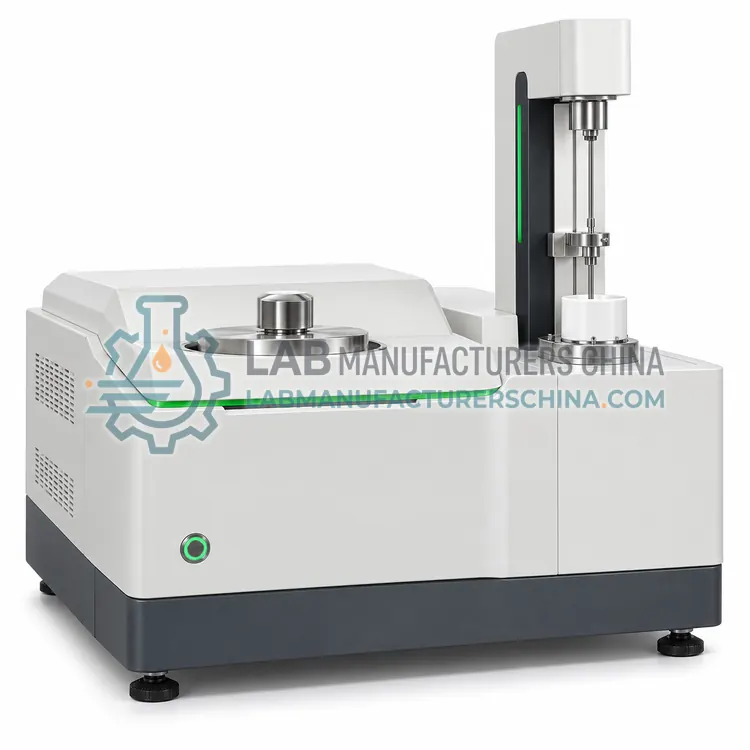
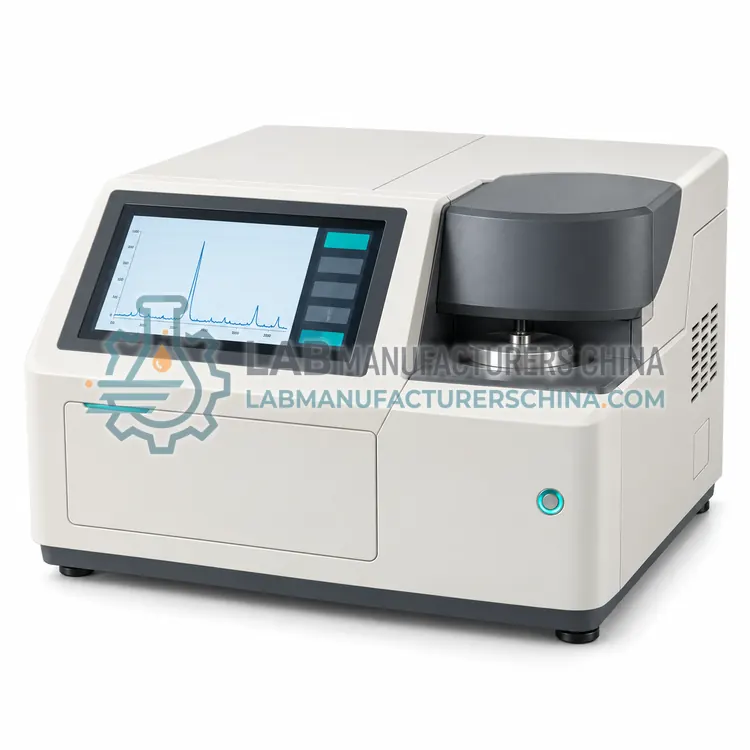
Monochromatic WDXRF Sulfur Analyzer for Ultra-Low Sulfur Fuels
超低硫燃料单色 WDXRF 硫分析仪
- CE (to be confirmed)
- +2
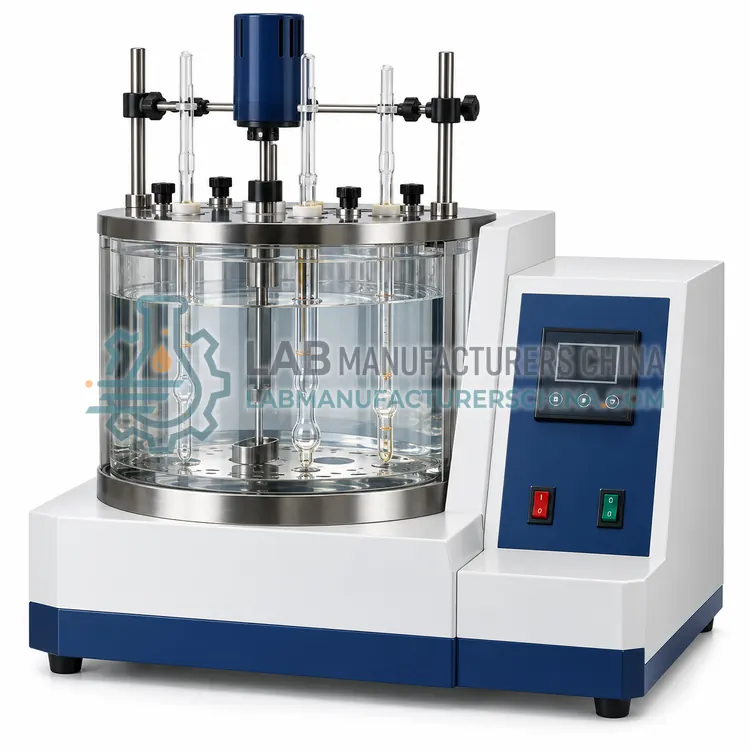
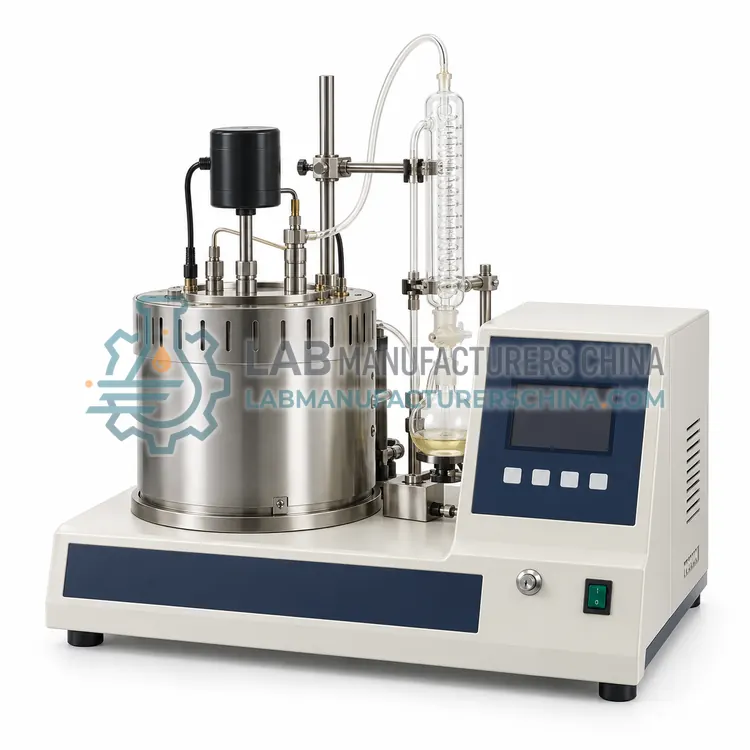
Manual Kinematic Viscosity Bath with Glass Capillary Viscometers
带玻璃毛细管粘度计的手动运动粘度恒温浴
- CE (to be confirmed)
- +1